Source Automatic Household Water Booster Pump for Homes, Hotels, and Offices
Explore 30 listings for the Automatic Household Water Booster Pump designed for residential and commercial use. Buyers can compare specifications such as head pressure, motor type, and material to find the right circulating pump for their needs; compare the available evidence and request quotations based on your requirements.
Key considerations
Products List


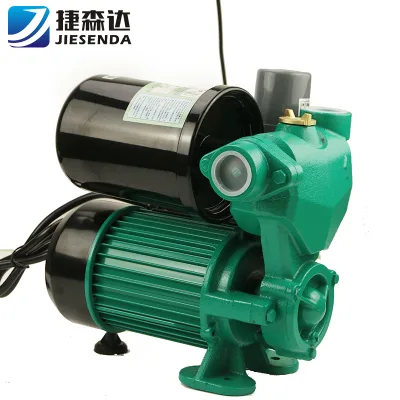


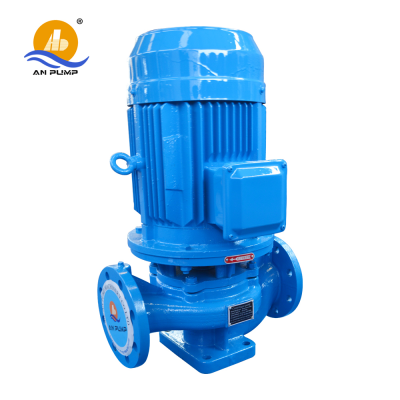


Automatic Pressure Control Water Pump Bathroom Home Booster Water Pump
$15.00 - $30.00
MOQ: 100 Pieces


Intelligent Water Pumps Household Frequency Constant Pressure Self Suction Pump
$20.00 - $50.00
MOQ: 100 Pieces


Comprehensive Sourcing Guide
Automatic Household Water Booster Pump Sourcing Guide
Sourcing an Automatic Household Water Booster Pump requires careful alignment of hydraulic performance with residential plumbing constraints. Buyers must prioritize units that integrate seamlessly into existing water distribution networks while maintaining consistent pressure during peak usage times. The market offers a diverse array of centrifugal and shield-type circulation pumps, each designed to address specific flow and head requirements. Understanding the distinction between single-stage and multistage configurations is essential for selecting a unit that meets the vertical lift needs of multi-story homes without excessive energy consumption.
Procurement decisions should also account for the physical footprint and mounting orientation of the pump. Horizontal split pumps and vertical joint surface pumps offer different installation advantages depending on available space and maintenance access. Buyers should verify whether the pump is designed for suction centrifugal mounting or requires a specific base configuration. Ensuring compatibility with the home’s existing piping diameter and electrical infrastructure prevents costly retrofits and ensures long-term operational reliability for the household water system.
Product Scope and Observed Listing Signals
The current market landscape for automatic household water booster pumps reveals a wide spectrum of product attributes and pricing structures. Listings indicate a price range from approximately $8.50 to $10,000 USD, reflecting the disparity between basic single-phase units and complex industrial-grade systems. Minimum order quantities vary significantly, ranging from single units for direct consumer purchase to bulk orders of up to 500 pieces for distributors. This variability allows buyers to scale their procurement based on immediate needs or long-term inventory strategies, ensuring flexibility in supply chain management.
Observed product specifications highlight key technical differentiators such as driving type, working pressure, and impeller design. Most listed units are motor-driven electric pumps, with many featuring single-suction impellers and horizontal pump shafts. Some models are classified as middle-pressure or high-pressure pumps, while others are designed for specific media like hot water recirculation or sewage handling. Buyers should note that while many products are labeled as energy-saving, the actual efficiency depends on the specific model’s hydraulic design and motor quality, necessitating detailed technical verification before finalizing any purchase agreement.
Technical Specifications to Verify
Verifying the technical specifications of a water booster pump is critical to ensuring it meets the hydraulic demands of the household. Buyers must confirm the maximum head capability, which typically ranges from under 10 meters to 30 meters or higher for specific models. The flow rate, though not explicitly detailed in all listings, must be matched to the number of simultaneous fixtures in use. Additionally, the working pressure classification, whether middle or high pressure, dictates the pump’s ability to overcome friction losses in long pipe runs or vertical lifts within the building structure.
Electrical compatibility is another vital technical parameter that requires strict verification. Most automatic booster pumps operate on single-phase 220V input at 50Hz or 60Hz frequencies, depending on the regional power grid standards. Buyers should ensure the pump’s power rating aligns with the home’s electrical capacity to prevent circuit overloads. Furthermore, the material of construction, often stainless steel for corrosion resistance, must be suitable for the water quality being pumped. Confirming these details prevents operational failures and extends the service life of the equipment in a residential environment.
Compliance and Safety Documentation
Compliance with international safety and quality standards is non-negotiable for household water booster pumps. Buyers should request documentation verifying that the product meets relevant electrical safety and electromagnetic compatibility directives. Certifications such as ISO and CE are commonly cited, indicating adherence to European and international quality management systems. However, buyers must verify that these certifications are current and applicable to the specific model being purchased, as standards can vary by region and product type.
Water contact materials must also comply with health and safety regulations to prevent contamination of the potable water supply. While some listings mention FDA compliance, this typically applies to specific components or models rather than the entire system. Buyers should inquire about the certification status of seals, gaskets, and impellers to ensure they are food-grade or safe for drinking water applications. Additionally, noise level specifications should be reviewed to ensure the pump operates within acceptable limits for residential areas, preventing disturbance to occupants and neighbors.
Cost Drivers and Commercial Terms
Several factors influence the total cost of ownership for automatic household water booster pumps, including material quality, motor efficiency, and packaging. Stainless steel construction and advanced centrifugal designs generally command higher prices but offer superior durability and performance. Buyers should also consider the packaging type, whether carton, wooden case, or plywood, as this affects shipping costs and protection during transit. Bulk purchasing may offer economies of scale, but buyers must balance this with storage capacity and cash flow implications.
Commercial terms such as lead times, warranty periods, and after-sales support significantly impact the procurement decision. While specific lead times are not universally disclosed, buyers should negotiate clear delivery schedules to avoid project delays. Warranty coverage should explicitly include motor failure and seal leaks, which are common points of failure in booster pumps. Additionally, buyers should clarify the availability of spare parts and technical support, ensuring that maintenance can be performed efficiently without prolonged downtime for the household water system.
Supplier Qualification and Quality Control
Evaluating supplier qualifications is essential for mitigating risks associated with product quality and delivery reliability. Buyers should prioritize suppliers with a proven track record in manufacturing centrifugal pumps and a clear understanding of residential plumbing requirements. Verification of the supplier’s production capabilities, including testing facilities for hydraulic performance and electrical safety, is crucial. Suppliers located in manufacturing hubs like Guangzhou, China, often have established supply chains, but buyers must conduct due diligence to ensure consistent quality control processes.
Quality control measures should include pre-shipment inspections and random sampling to verify product specifications against the agreed-upon standards. Buyers should request test reports for head-flow curves, power consumption, and noise levels to validate performance claims. Additionally, suppliers should provide clear documentation on the customization options available, such as voltage adjustments or specific mounting configurations. Establishing a robust quality assurance protocol helps ensure that the delivered pumps meet the required performance standards and reduces the risk of field failures.
Long-Term Procurement Checks
Long-term procurement success depends on establishing a sustainable relationship with suppliers and continuously monitoring product performance. Buyers should implement a feedback loop to track pump reliability, energy efficiency, and maintenance frequency in real-world applications. This data can inform future purchasing decisions and help identify potential design flaws or manufacturing inconsistencies. Regular audits of supplier quality systems and performance metrics ensure that the supply chain remains resilient and responsive to changing market demands.
Additionally, buyers should stay informed about emerging technologies and regulatory changes in the water pump industry. Innovations in motor efficiency and smart control systems may offer opportunities to upgrade existing installations with more energy-efficient models. By maintaining a proactive approach to supplier management and technology adoption, buyers can optimize their procurement strategy, reduce operational costs, and ensure a reliable water supply for household users over the long term.
FAQs
What types of automatic household water booster pumps are available?
Available types include centrifugal pumps, shield type circulation pumps, and sewage pumps. These units feature single-stage or multistage impellers with horizontal or vertical shaft positions. They are designed for water, hot water, and chemical applications using electric power sources.
Can I find pumps with stainless steel construction for household use?
Yes, stainless steel material options are available for specific models. These pumps often feature single suction impellers and are suitable for clarified water or slurry applications. Customization is available to meet specific household requirements while maintaining durability.
Which pumps offer energy saving features for residential applications?
Energy saving features are available on selected electric pump models. These units typically operate at 50Hz or 60Hz frequencies with single-phase 220V input voltage. They are designed to reduce operational costs while maintaining reliable water circulation performance.
How does the maximum head vary across different pump models?
Maximum head varies significantly, ranging from under 10 meters up to 45 meters depending on the specific model. Some units offer heads between 10 and 30 meters. This variation allows selection based on the required water pressure and lift height for your specific installation.
What certifications are available for these water pump products?
Certifications such as ISO and CE are available for certain models. Standards depend on the specific product model selected. Buyers should verify certification details against their local regulatory requirements before finalizing procurement to ensure compliance with safety and quality standards.
Can suppliers provide customization for automatic household water booster pumps?
Customization is available for many pump models to suit specific needs. Options may include different packing types like cartons or wooden cases. Buyers can request specific configurations while ensuring the core functionality remains aligned with standard centrifugal pump principles.
What is the typical origin and location of these pump manufacturers?
Most manufacturers are located in China, with specific origins noted in Guangzhou. Products originate from established industrial regions known for pump manufacturing. This location supports competitive pricing and efficient logistics for international buyers seeking reliable water pump solutions.