Source High Pressure Centrifugal Water Pump for Industrial Boilers
Find 30 High Pressure Centrifugal Water Pump options from verified Chinese manufacturers. Compare specifications including flow rates up to 108 m3/h and heads reaching 3100 m for applications in automotive, food and beverage, and district energy sectors; compare the available evidence and request quotations based on your requirements.
Key considerations
Products List
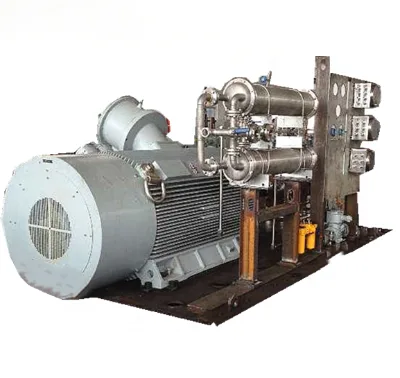


High Pressure High Flow Rate Double Suction Centrifugal Water Pump with a Competetive Price
$1530.00 - $1910.00
MOQ: 1 piece


Comprehensive Sourcing Guide
High Pressure Centrifugal Water Pump Sourcing Guide
Procuring high-pressure centrifugal water pumps requires a precise understanding of the diverse operational environments these units serve, ranging from automotive and biofuel industries to district energy systems and developing world water solutions. Buyers must recognize that while the core mechanism remains consistent, the specific configuration for a commercial building differs significantly from that required for an industrial boiler or a family home water treatment system. The observed product range indicates a capacity to handle flows between 10 and 108 cubic meters per hour, necessitating a careful match between the pump's hydraulic curve and the specific demand of the intended application.
The market data reveals a broad spectrum of pressure capabilities, with maximum heads observed up to 3100 meters, which is critical for deep well or high-rise building applications. However, buyers should not assume every listed unit meets these extreme specifications, as some models are designed for lower heads between 10 and 80 meters. It is essential to verify the specific head and flow rate requirements against the supplier's catalog before proceeding, ensuring the selected pump can sustain the required working pressure without cavitation or excessive energy consumption in its designated service environment.
Product Scope and Observed Listing Signals
The product listings indicate a wide variety of pump types available under the high-pressure centrifugal category, including sump pumps, sewage pumps, booster pumps, and turbine pumps. This diversity suggests that suppliers often bundle different configurations to address specific fluid handling needs, such as dewatering, grinding, or circulating duties. Buyers must scrutinize the specific type designation to ensure it aligns with the fluid characteristics, such as whether the application involves clear water, sewage, or industrial effluent, as the impeller design and casing material will vary accordingly.
Listing signals also highlight significant variations in mounting and structural design, with options ranging from horizontal split pumps to suction centrifugal units. The observed outlet sizes span from DN15 to DN500, indicating that the procurement strategy must account for piping compatibility and flow capacity constraints. Additionally, the presence of single-stage and multistage pump structures implies that the buyer must determine the necessary pressure generation method, as multistage designs are typically required for the highest head applications while single-stage units may suffice for moderate pressure needs.
Technical Specifications to Verify
Verifying the motor and electrical specifications is paramount, as the observed voltage ranges extend from standard 220V to high-voltage options of 6000V and 10000V. Buyers must confirm that the selected pump's voltage rating matches the facility's power infrastructure to avoid costly retrofits or operational failures. The frequency compatibility, typically 50Hz or 60Hz, and the horsepower range of 0 to 2000 must be cross-referenced with the local grid standards and the specific power requirements of the industrial process to ensure reliable and efficient operation.
The mechanical construction details, including the impeller type and casing material, require rigorous validation against the fluid properties and pressure demands. The data shows options for closed impellers and materials such as cast iron, SS304, and SS316, which dictate the pump's resistance to corrosion and wear. Furthermore, the maximum head capability of up to 3100 meters must be verified for high-altitude or deep-well applications, while the flow rate of up to 108 m3/h must be confirmed to ensure the system can handle the required volume without exceeding the pump's design limits.
Compliance and Safety Documentation
While specific certification statuses like CE or RoHS are noted in background data, buyers should not assume these are universally applied to every listed unit without explicit verification. It is critical to request current compliance documentation for the specific model being procured, as high-pressure equipment involves significant safety risks that require adherence to local and international safety standards. The absence of a guaranteed certification on a general listing means the buyer must independently validate that the pump meets the regulatory requirements of the destination country before installation.
Safety documentation should also include detailed operational manuals and pressure testing reports that confirm the pump's integrity under high-pressure conditions. Buyers must ensure that the supplier provides evidence of quality control processes, such as hydrostatic testing, which is essential for verifying that the pump casing and seals can withstand the maximum working pressure without failure. This documentation serves as a legal and technical safeguard, ensuring that the equipment is safe for use in critical applications like industrial utilities or district energy systems.
Cost Drivers and Commercial Terms
The price range observed from 50.25 to 40,000 USD reflects the substantial impact of material choices, pressure ratings, and customization levels on the final cost. High-pressure pumps constructed from stainless steel grades like SS316 or those designed for extreme heads will command a premium compared to cast iron models intended for lower pressure applications. Buyers should analyze the cost drivers carefully, understanding that the inclusion of a base, specific mounting height, and custom color options can significantly alter the unit price and overall project budget.
Commercial terms such as the minimum order quantity (MOQ) and shipping logistics also play a vital role in the total cost of ownership. The observed MOQ range of 1 to 500 units allows for flexibility, but buyers must negotiate terms that align with their inventory strategy and cash flow. Additionally, the port of dispatch, typically Shanghai, and the export standard wooden box packaging must be factored into the logistics plan, as these elements influence lead times and the risk of damage during transit to the final destination.
Supplier Qualification and Quality Control
Supplier qualification should focus on their ability to provide customized support, including OEM, ODM, and OBM services, which indicates a capacity to tailor the pump to specific project requirements. The presence of software reengineering support suggests that some suppliers offer advanced control integration, which is valuable for automated industrial systems. Buyers must verify the supplier's track record in delivering pumps for the specific industry sector, such as food and beverage or HVAC OEM, to ensure they possess the necessary expertise and manufacturing capabilities.
Quality control processes must be rigorously assessed, particularly regarding the consistency of the impeller and casing manufacturing. The supplier should demonstrate a robust quality assurance system that covers the entire production cycle, from raw material selection to final assembly. Buyers should request evidence of their quality control protocols, including inspection reports for critical components like the motor and bearings, to ensure that the delivered pumps meet the specified performance standards and will operate reliably over the warranty period.
Long-Term Procurement Checks
Long-term procurement success depends on establishing a clear warranty framework and understanding the maintenance requirements of high-pressure centrifugal pumps. The observed warranty period of one year provides a baseline for supplier accountability, but buyers should negotiate extended terms for critical applications where downtime is costly. It is essential to clarify the scope of the warranty, including coverage for parts and labor, and to ensure that the supplier has a responsive support network for troubleshooting and repairs in the event of a failure.
Spare parts availability and the supplier's ability to provide technical support over the product's lifecycle are also critical factors for long-term procurement. Buyers should verify that the supplier maintains an inventory of common spare parts, such as impellers and seals, to minimize downtime during maintenance. Additionally, the supplier should offer training and documentation to ensure that the client's maintenance team can effectively operate and service the pumps, thereby extending the equipment's service life and maintaining optimal performance.
FAQs
What is the maximum head for high pressure centrifugal water pumps?
The maximum head reaches 3100 meters for these high pressure centrifugal water pumps. This capability supports demanding applications in district energy and industrial utilities. The design ensures reliable performance under extreme pressure conditions, making it suitable for complex infrastructure projects requiring significant vertical lift or system pressure maintenance.
Can these pumps be customized for specific industrial needs?
Yes, customization is available for high pressure centrifugal water pumps through OEM, ODM, and OBM support. Buyers can request specific structural adjustments or software reengineering to match unique operational requirements. This flexibility allows for tailored solutions that integrate seamlessly into existing industrial systems or specialized water treatment facilities.
What materials are used for the pump casing?
Pump casings are constructed from cast iron, SS304, or SS316 stainless steel. These materials ensure durability and corrosion resistance for high pressure centrifugal water pumps. The choice of material depends on the specific fluid properties and environmental conditions, providing robust performance in diverse industrial and commercial applications.
What is the typical flow rate range for these pumps?
The flow rate ranges from 10 to 108 cubic meters per hour for high pressure centrifugal water pumps. This wide range accommodates various application scales, from small family home systems to large commercial buildings. The specific flow rate is determined by the selected model and operational settings within the system.
Where are these high pressure centrifugal water pumps manufactured?
These high pressure centrifugal water pumps are manufactured in Jiangsu, China, with some origins in Hebei. The products are dispatched from Shanghai port, ensuring efficient logistics for international buyers. This location provides access to established manufacturing infrastructure and reliable supply chain networks for global distribution.
What voltage options are available for electric motors?
Voltage options include 220V, 380V, 410V, 460V, and high voltage configurations like 6000V or 10000V. These high pressure centrifugal water pumps support 50Hz or 60Hz frequencies. The variety of electrical specifications allows for compatibility with different regional power grids and industrial equipment standards worldwide.