Source Air Powered NBR Diaphragm Pump for Oil, Chemical, and Sewage
Find 30 Air Powered NBR Diaphragm Pump options for oil, chemical, and sewage applications. Compare pneumatic models with nitrile rubber diaphragms, stainless steel bodies, and ISO9001 certification to select the right flow rate and connection type for your industrial needs.
Key considerations
Products List


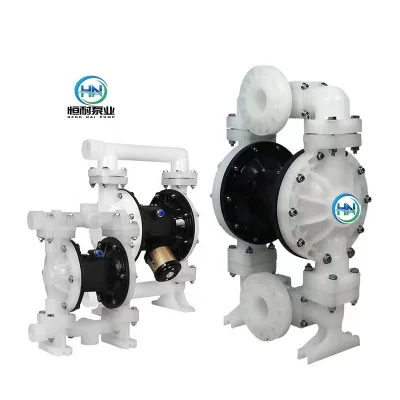
Pneumatic Diaphragm Pumps Aluminium / Plastic Air Operated Diaphragm Pump
$100.00 - $340.00
MOQ: 20 Pieces



Comprehensive Sourcing Guide
Air Powered NBR Diaphragm Pump Sourcing Guide
Buyers evaluating air powered NBR diaphragm pumps must first distinguish between general pneumatic models and those specifically utilizing Nitrile Rubber diaphragms for chemical compatibility. The observed product data confirms that Nitrile Rubber is a standard diaphragm material for these units, offering resistance to oils and fuels, which is critical for industrial fluid transfer. However, listings also show alternatives like Teflon, Buna-N, and Neoprene, meaning procurement teams must explicitly verify the diaphragm composition to ensure it matches the specific fluid being pumped.
The market presents a wide variance in pump construction, ranging from ductile iron and stainless steel bodies to plastic and aluminum alloy variants. This diversity impacts the selection process, as the pump body material must withstand the corrosive nature of the application environment while the diaphragm material handles the fluid chemistry. Buyers should scrutinize product descriptions to confirm that the specific model selected combines the correct body material with the NBR diaphragm, rather than assuming all air-operated diaphragm pumps share identical construction standards.
Product Scope and Observed Listing Signals
Procurement teams should analyze the observed listing signals to understand the breadth of available configurations, noting that models like the Rd50 and RD80 NEW PP represent distinct size and material classes. The data indicates a price range from 30 to 4756 USD, reflecting significant differences in capacity, material quality, and brand positioning. This wide spectrum suggests that buyers must define their exact flow rate and pressure requirements before searching, as a low-cost unit may lack the necessary durability or flow capacity for heavy-duty chemical processing.
Listing attributes reveal that these pumps are available in various connection types, including flange and screw connections, with sizes ranging from 1/2 inch to 3 inches. The presence of specific model numbers like QBK40PP-SS-TF-TF-PP and RD15-20 indicates that customization is often available, allowing for tailored solutions. Buyers should verify that the listed "Intelligent Type" functionality and "No Leak" performance claims align with their operational needs, ensuring the selected unit offers the precise control and sealing integrity required for their specific process.
Technical Specifications to Verify
When verifying technical specifications, the primary focus must be on the diaphragm material and the pump's flow rate capabilities to ensure operational efficiency. The observed data lists flow rates such as 568 Lpm and 150 L/Min, which vary significantly based on the model and size. Buyers must confirm that the selected pump's flow rate matches their system requirements, as an undersized unit will fail to meet production targets while an oversized unit may waste compressed air and increase operational costs unnecessarily.
Power source and connection methods are equally critical technical parameters that require strict verification against the supplier's data sheet. All observed units are pneumatic, utilizing compressed air to drive the diaphragm, but the specific connection style—whether flange or screw—must match existing piping infrastructure. Additionally, the weight of the unit, ranging from 2.8 kg to 68 kg, affects installation logistics and structural support needs, requiring buyers to plan for appropriate mounting solutions based on the specific model's mass and dimensions.
Compliance and Safety Documentation
Compliance verification is essential, as the observed listings cite multiple certifications including CE, ISO9001, Atex, and SGS. These documents are not merely marketing claims but are mandatory for ensuring the pump meets international safety and quality standards, particularly for operations involving hazardous chemicals or explosive atmospheres. Buyers must request valid, up-to-date certificates for the specific model being purchased, as certification status can vary between different product lines and manufacturing batches within the same supplier's catalog.
Safety documentation must also address the specific material certifications for the diaphragm and body, ensuring they are suitable for the intended application environment. The data indicates that some units are certified for use in oil, food, chemical, and sewage applications, but the specific certification scope must be confirmed. Procurement teams should ensure that the supplier provides a Declaration of Conformity that explicitly covers the NBR diaphragm material and the specific pressure ratings, preventing liability issues if the pump fails under operational stress.
Cost Drivers and Commercial Terms
Cost drivers for air powered NBR diaphragm pumps are heavily influenced by the choice of body material and the complexity of the diaphragm assembly. Stainless steel and aluminum alloy bodies command higher prices than plastic or ductile iron variants due to material costs and manufacturing precision. Buyers should analyze the total cost of ownership, considering that higher initial investment in corrosion-resistant materials often results in lower maintenance costs and longer service life, particularly in aggressive chemical environments.
Commercial terms such as Minimum Order Quantity (MOQ) and packaging requirements significantly impact the procurement strategy and logistics planning. The observed MOQ ranges from 1 to 100 units, offering flexibility for small-scale testing or large-scale deployment. Packaging options like plywood cases, wooden boxes, and cartons vary in cost and protection level, with fumigation-free wooden cases often required for international shipping. Buyers must negotiate these terms to balance upfront costs with the need for secure, compliant delivery to their facility.
Supplier Qualification and Quality Control
Supplier qualification requires a rigorous assessment of the manufacturer's origin and their adherence to quality management systems. The data indicates that many suppliers originate from Shanghai, China, and hold ISO9001 certification, which serves as a baseline for consistent manufacturing processes. However, buyers should not rely solely on the presence of a certificate; they must verify the supplier's track record in producing NBR diaphragm pumps and their ability to maintain consistent quality across different production runs.
Quality control protocols must extend beyond the final inspection to include material verification and performance testing. Buyers should request evidence of diaphragm material testing to confirm the NBR composition and check for defects like leaks or premature wear. The observed "No Leak" performance attribute should be backed by specific test results provided by the supplier. Establishing a clear quality agreement that defines acceptable tolerances for flow rate, weight, and material composition is essential for mitigating the risk of receiving substandard equipment.
Long-Term Procurement Checks
Long-term procurement success depends on establishing a reliable supply chain for replacement parts, particularly the diaphragm and seals. Since the diaphragm is the primary wear component, buyers must ensure the supplier can provide compatible NBR diaphragms and other consumables for the specific model purchased. The availability of spare parts is critical for minimizing downtime, and buyers should verify the supplier's inventory levels and lead times for these components before finalizing the contract.
Performance monitoring and periodic re-evaluation of the pump's condition are necessary to maintain operational efficiency over time. Buyers should implement a schedule for inspecting the pump for signs of wear, such as diaphragm fatigue or body corrosion, and compare actual performance against the original specifications. Regular maintenance checks will help identify potential issues early, ensuring the pump continues to meet the "Eco-Friendly" and "Long Life" features observed in the product listings throughout its service life.
FAQs
What certifications do these pumps hold?
These pumps hold CE and ISO9001 certifications as standard. Some models also include Atex and SGS certificates for safety and quality assurance in hazardous or regulated environments.
Which materials are used for the diaphragm?
Diaphragms are made from Nitrile Rubber, Teflon, Buna-N, Neoprene, or FPM depending on the specific model. These materials ensure chemical resistance and durability for various fluid handling applications.
Can the pump body be customized?
Yes, customization is available for these pneumatic diaphragm pumps. Buyers can request specific configurations to meet unique operational requirements or integrate with existing industrial systems effectively.
What is the typical flow rate capacity?
Flow rates vary by model, ranging from 150 liters per minute to 568 liters per minute. Specific capacity depends on the selected model size and operating pressure conditions.
How are these pumps packaged for shipping?
Pumps are packed in plywood cases, wooden boxes, or cartons to ensure safe transport. Some packaging is fumigation-free to comply with international shipping regulations and prevent pest issues.
What connection methods are supported?
The pumps support both flange connect and screw connect methods for installation. This flexibility allows easy integration into diverse piping systems across oil, food, and chemical industries.
Are these pumps suitable for food applications?
Yes, these pumps are designed for use in oil, food, chemical, and sewage applications. Their construction ensures hygiene and safety standards required for sensitive fluid handling processes.