Source Automatic Hydraulic Car Dismantle Shear for Scrap, Recycling, and Demolition
Find and compare 29 Automatic Hydraulic Car Dismantle Shear models from Chinese manufacturers. Evaluate specifications like cutting force, oil flow, and weight to select the right attachment for your excavator fleet.
Key considerations
Products List


Excavator Hydraulic Shear Car Disassemble Machine Shear for Car Dismantle
$6999.00 - $10000.00
MOQ: 1 Pieces


Customized Hydraulic Car Dismantle Shear, Perfect for Vehicle Recycling Projects
$3000.00 - $40000.00
MOQ: 1 Pieces

Hydraulic Car Dismantle Shear Scrap Metal Recycling Autos Dismantling Shear
$3000.00 - $50000.00
MOQ: 1 Pieces

Customized Hydraulic Car Dismantle Shear for Various Vehicles Demoliton and Recycling
$3000.00 - $40000.00
MOQ: 1 Pieces


Car Hydraulic Dismantling Shears Powerful Shear for Scrap Cars Enhance Dismantling Efficiency
$3000.00 - $50000.00
MOQ: 1 Pieces

Heavy-Duty Hydraulic Car Dismantling Shear for Efficient Vehicle Recycling
$3000.00 - $40000.00
MOQ: 1 Pieces


Hydraulic Demolition Shear Designed for Heavy Duty Car Dismantling Tasks
$6200.00 - $12000.00
MOQ: 1 Unit

Hydraulic Car Dismantling Shear for Robust Vehicle Recycling Solutions
$3000.00 - $10700.00
MOQ: 1 Pieces


Industrial Hydraulic Shear for Professional Car Dismantling and Scrap Processing
$300.00 - $12000.00
MOQ: 1 Pieces


Comprehensive Sourcing Guide
Automatic Hydraulic Car Dismantle Shear Sourcing Guide
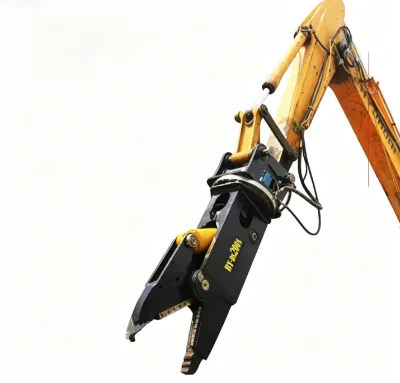
Sourcing an Automatic Hydraulic Car Dismantle Shear requires a precise understanding of the equipment’s role in modern scrap metal processing and vehicle recycling operations. These specialized attachments are designed to be mounted on excavators, providing the high-force cutting capability necessary to dismantle end-of-life vehicles (ELVs) efficiently. Unlike standard hydraulic shears, car dismantling shears are engineered with specific jaw geometries and cutting forces to handle the varied thicknesses of automotive steel, aluminum, and composite materials found in modern vehicle bodies. The "automatic" designation often refers to the hydraulic system's ability to maintain consistent pressure and flow, or in some contexts, automated feeding mechanisms in larger shredder lines, though for shear attachments, it primarily emphasizes the reliability and responsiveness of the hydraulic control system during high-stress cutting cycles.
Procurement decisions for this equipment must balance the shear’s physical specifications with the operational capabilities of the host excavator. Buyers must ensure that the shear’s weight, oil flow requirements, and mounting dimensions are compatible with the excavator’s tonnage and hydraulic system. The market offers a range of models, from smaller units suitable for 5-10 ton excavators to heavy-duty variants designed for 18-30 ton machines. Understanding these compatibility constraints is critical to avoiding operational bottlenecks or damage to the host machinery. Furthermore, the automation aspect of the hydraulic system ensures that the shear can operate continuously in demanding environments, reducing downtime and increasing the throughput of the dismantling process.
Product Scope and Observed Listing Signals
The current market landscape for automatic hydraulic car dismantle shears reveals a diverse range of models tailored to different excavator sizes and cutting requirements. Observed listings indicate a price range from approximately $300 to $50,000 USD, reflecting the significant variation in build quality, cutting force, and material composition. For instance, lighter models with a maximum cutting force of around 35-45 kN are suitable for smaller excavators in the 12-15 ton range, while heavier-duty shears capable of exerting up to 90 tons of cutting force are designed for 18-25 ton excavators. These signals suggest that buyers should not assume a one-size-fits-all solution; instead, they must align the shear’s capacity with their specific fleet composition and the density of the scrap material they intend to process.
Material composition and construction standards are key differentiators among the observed products. High-quality shears often utilize Q355Mn steel, a high-strength low-alloy steel known for its durability and resistance to wear and tear in heavy-duty applications. The weight of the shear is also a critical factor, with models ranging from 570 kg for smaller units to 2200 kg for larger, more robust versions. Buyers should pay close attention to the opening width, which can vary from 502 mm to 857 mm, as this determines the size of the vehicle components that can be processed in a single cut. Additionally, the oil flow requirements, typically ranging from 35-45 lpm for smaller shears to 200-250 L/Min for larger ones, must be carefully matched to the excavator’s hydraulic pump capacity to ensure optimal performance and prevent system overload.
Technical Specifications to Verify
When evaluating technical specifications, the maximum cutting force is the most critical parameter to verify, as it directly impacts the shear’s ability to cut through thick automotive steel. Buyers should confirm the exact cutting force in tons or kilonewtons and ensure it aligns with the thickness of the materials they plan to process. For example, a shear with a 90-ton cutting force is suitable for heavy-duty dismantling tasks, while a 50-ton shear may be sufficient for lighter applications. It is also essential to verify the oil flow requirements, as exceeding the recommended flow rate can damage the hydraulic system, while insufficient flow can reduce cutting efficiency. The working flow, often specified in liters per minute (lpm), should be matched precisely with the excavator’s hydraulic output.
The physical dimensions and weight of the shear must also be carefully assessed to ensure compatibility with the host excavator. The opening width, which can range from 502 mm to 857 mm, determines the maximum size of the material that can be cut, while the overall weight affects the excavator’s stability and lifting capacity. Buyers should verify that the shear’s weight is within the excavator’s recommended attachment weight limits to prevent tipping or structural damage. Additionally, the mounting interface and pin dimensions must be compatible with the excavator’s quick coupler system. It is advisable to request detailed technical drawings and specifications from the supplier to ensure a perfect fit and seamless integration with existing equipment.
Compliance and Safety Documentation
Compliance with international safety and quality standards is a non-negotiable aspect of sourcing hydraulic car dismantle shears. Buyers should prioritize suppliers who provide products certified with CE and ISO standards, as these certifications indicate that the equipment meets rigorous safety, environmental, and quality management requirements. The CE mark, in particular, is essential for products intended for use in the European market, ensuring that the shear adheres to relevant EU directives on machinery safety. ISO certifications, such as ISO 9001, demonstrate that the manufacturer has implemented a robust quality management system, which is crucial for ensuring consistent product quality and reliability.
Safety documentation should include detailed user manuals, maintenance guides, and safety warnings specific to the shear’s operation. Buyers should verify that the supplier provides comprehensive documentation in English, covering all aspects of safe operation, including hydraulic system maintenance, jaw alignment, and emergency shutdown procedures. Additionally, it is important to confirm that the shear is equipped with necessary safety features, such as pressure relief valves and secure mounting mechanisms, to prevent accidents during operation. Buyers should also inquire about the availability of spare parts and technical support, as these are critical for maintaining the shear’s performance and extending its service life.
Cost Drivers and Commercial Terms
The cost of an Automatic Hydraulic Car Dismantle Shear is influenced by several factors, including the material quality, cutting force, and level of customization. High-strength steel like Q355Mn and advanced hydraulic components, such as those from reputable brands like Eaton, contribute to higher upfront costs but offer greater durability and performance. Buyers should consider the total cost of ownership, including maintenance, spare parts, and energy consumption, rather than focusing solely on the initial purchase price. Customization options, such as specific color requests or modified mounting interfaces, may also affect the final cost, so it is important to clarify these requirements early in the procurement process.
Commercial terms, including minimum order quantities (MOQ) and payment terms, vary among suppliers. Observed listings indicate an MOQ of 1 set, which is typical for industrial equipment and allows buyers to purchase single units for testing or specific project needs. Buyers should negotiate favorable payment terms, such as partial upfront payment and balance upon delivery, to mitigate financial risk. Additionally, it is crucial to clarify the packaging and shipping arrangements, as shears are often shipped in plywood cases or wooden boxes to protect them during transit. Buyers should also inquire about lead times and warranty periods, as these factors can impact the overall procurement timeline and long-term value.
Supplier Qualification and Quality Control
Supplier qualification is a critical step in ensuring the reliability and quality of the hydraulic car dismantle shear. Buyers should verify the supplier’s manufacturing capabilities, including their production facilities, quality control processes, and experience in the industry. Suppliers based in regions like Yantai or Shandong in China are known for their expertise in heavy machinery and hydraulic equipment, but buyers should still conduct thorough due diligence to confirm their credibility. Requesting references from previous clients and visiting the manufacturing facility, if possible, can provide valuable insights into the supplier’s operational standards and product quality.
Quality control measures should be clearly defined and agreed upon before placing an order. Buyers should insist on pre-shipment inspections to verify that the shear meets all specified technical requirements and quality standards. This may include visual inspections, dimensional checks, and functional tests of the hydraulic system. Additionally, buyers should confirm that the supplier provides a warranty period and clear terms for handling defects or malfunctions. Establishing a strong relationship with the supplier based on transparency and mutual trust can facilitate smoother communication and better support throughout the product’s lifecycle.
Long-Term Procurement Checks
Long-term procurement success depends on establishing a robust supply chain and maintaining ongoing relationships with reliable suppliers. Buyers should regularly review their supplier’s performance, including product quality, delivery times, and after-sales support, to ensure continued satisfaction. It is also important to stay updated on industry trends and technological advancements in hydraulic shear technology, as this can inform future procurement decisions and help buyers identify opportunities for improvement. Building a diversified supplier base can mitigate risks associated with supply chain disruptions and provide flexibility in sourcing.
Continuous improvement in procurement processes is essential for optimizing costs and enhancing operational efficiency. Buyers should implement a systematic approach to evaluating and selecting suppliers, incorporating feedback from end-users and maintenance teams to refine their requirements. Regular audits of the shear’s performance in the field can provide valuable data on durability and reliability, which can be used to negotiate better terms with suppliers or identify areas for product improvement. By maintaining a proactive and data-driven approach to procurement, buyers can ensure that their hydraulic car dismantle shears continue to meet their operational needs and deliver long-term value.
FAQs
What is the maximum cutting force of the HM08-B shear?
The HM08-B model provides a maximum cutting force of 90 tons. This high capacity allows it to efficiently dismantle heavy vehicles and process thick steel components. It is designed for use with excavators in the 18 to 25 ton range, ensuring robust performance during intensive demolition tasks.
Which excavator weight class suits the HM06 shear?
The HM06 shear is suitable for excavators weighing between 12 and 15 tons. It features a maximum opening of 630mm and a working flow of 35-45 liters per minute. This configuration ensures optimal hydraulic efficiency and stability when attached to mid-sized construction machinery for car dismantling operations.
Can the shear be customized for specific color requirements?
Yes, customization is available for the product color. Buyers can request specific colors to match their fleet or branding needs. The manufacturer supports these custom requests while maintaining the standard structural integrity and hydraulic performance of the shear, ensuring the equipment meets both aesthetic and functional requirements.
What certifications do the hydraulic scrap shears hold?
The hydraulic scrap shears hold CE and ISO certifications. These certifications confirm compliance with European safety standards and international quality management systems. The products are marked as new and automatic, ensuring reliable operation and adherence to recognized industrial standards for heavy machinery attachments used in demolition and recycling.
How is the HM04 shear packaged for shipping?
The HM04 shear is packaged in pallets or wooden boxes. This secure packaging protects the equipment during transit from the origin in China. The sturdy packing method ensures that the hydraulic components and structural steel remain undamaged, facilitating safe delivery to international buyers regardless of the shipping route or distance.
What is the minimum order quantity for these shears?
The minimum order quantity is one set. This low MOQ allows buyers to purchase a single unit for testing or immediate operational needs. It provides flexibility for small-scale operations or initial procurement phases without requiring bulk commitments, making it accessible for various business sizes in the demolition and recycling sectors.