Source Automatic Lab Drying Oven for Hospital, School, and Lab Use
Find and compare 30 Automatic Lab Drying Oven models from Chinese manufacturers. Options include desktop air flow dryers with stainless steel construction, LCD controllers, and capacities ranging from 18L to 625L for hospital, school, and industrial applications.
Key considerations
Products List


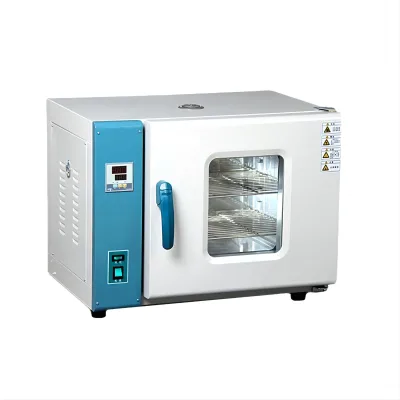
Dhg-9030A Lab Drying Machine Thermostat Heat Laboratory Hot Air Drying Oven
$287.00 - $300.00
MOQ: 1 Pieces



Comprehensive Sourcing Guide
Automatic Lab Drying Oven Sourcing Guide
Selecting the right Automatic Lab Drying Oven requires a careful balance of thermal precision, material compatibility, and operational efficiency. These instruments are critical for sample preparation in research, quality control, and educational settings, where consistent moisture removal is essential for accurate analysis. Buyers must navigate a market that offers a wide spectrum of capacities and heating technologies, ranging from compact desktop units to larger industrial-grade systems. The decision process should begin with a clear definition of the laboratory’s throughput needs and the specific physical properties of the samples being processed.
The procurement landscape for these devices is characterized by significant variability in design and functionality. Listings often reveal a broad range of capacities, including options such as 18L, 30L, 45L, 65L, 125L, 230L, and up to 625L, catering to diverse volume requirements. Furthermore, the market includes specialized variants like air flow driers and spray dryers, which operate on different principles such as contra-flow or centrifugal atomization. Understanding these structural differences is vital, as the choice between a standard convection oven and a specialized drying system will directly impact the quality of the dried samples, whether they are pastes, powders, or other forms.
Product Scope and Observed Listing Signals
The observed market signals indicate a strong emphasis on customization and modular design. Many suppliers offer both customized and non-customized options, allowing laboratories to tailor equipment to specific spatial or functional constraints. The structural design frequently includes desktop configurations, which are ideal for space-constrained labs, while other models may feature combined movement ways or continuous operational methods. Buyers should pay close attention to the drying medium, with air being the most common medium, and the type of atomization if dealing with liquid samples, such as gas atomization in spray drying applications.
Material composition is a critical differentiator in product listings, directly influencing durability and chemical resistance. Inner materials are predominantly specified as stainless steel, with grades such as SUS 304 and Stainless Steel Grade 201 being common. The external materials vary, with some units featuring powder-coated A3 steel sheets with anti-static properties, while others use SUS 304 for a uniform stainless steel appearance. These material choices affect the oven’s resistance to corrosion and its suitability for handling aggressive chemicals, making it essential for buyers to verify the inner liner material against their specific chemical exposure risks.
Technical Specifications to Verify
Temperature control is the most critical technical parameter for any drying oven. Buyers must verify the operational temperature range, which can vary significantly from ambient temperature plus 25°C up to 400°C, or even higher in specialized models reaching up to 1200°C. The heating mode, whether transmission or other methods, and the power supply options, including AC220V or 380V, must align with the laboratory’s electrical infrastructure. Additionally, the controller type, which may be an LCD screen, LED display, PID, or PLC/programmable control, determines the precision and ease of use, with programmable remote control capabilities offering added convenience for unattended operations.
Capacity and physical dimensions must be matched to the laboratory’s workflow. Models are available in various sizes, such as the WGLL-30BE, WGLL-230BE, GX30B, WHL-25AB, and ZH-VT-70, each with distinct internal volumes. The packing specifications, ranging from standard export cartons to extra heavy-duty packaging or wooden cases, also impact logistics and handling. Buyers should ensure that the selected model’s dimensions fit within the designated lab space and that the power requirements are compatible with the facility’s electrical capacity, particularly for high-temperature models that may require three-phase power.
Compliance and Safety Documentation
Certification status is a primary indicator of regulatory compliance and manufacturing quality. Most listed products carry certifications such as ISO, CE, SGS, RoHS, and FCC, which signify adherence to international standards for safety, electromagnetic compatibility, and environmental protection. Buyers should request copies of these certificates to verify their validity and scope, ensuring that the equipment meets the specific regulatory requirements of their region. The presence of multiple certifications often indicates a higher level of quality control and reliability, reducing the risk of non-compliance during audits or inspections.
Safety features and operational standards are equally important for protecting laboratory personnel and equipment. The operational method, whether continuous or batch, and the type of flow, such as contra-flow, influence the safety profile of the drying process. Buyers should verify that the oven includes necessary safety mechanisms, such as over-temperature protection and emergency shut-off features. Additionally, the warranty period, typically 12 months, provides a baseline for after-sales support, but buyers should inquire about extended warranty options and the availability of spare parts to ensure long-term operational continuity.
Cost Drivers and Commercial Terms
The price range for automatic lab drying ovens is extensive, reflecting the diversity in capacity, material quality, and technological features. Observed prices span from $1 to $8,500, with higher costs associated with larger capacities, advanced control systems, and specialized materials like SUS 304 stainless steel. The minimum order quantity (MOQ) is often 1, indicating that suppliers are flexible in serving individual laboratories or small-scale procurement needs. However, buyers should be aware that bulk purchases or custom configurations may influence pricing and lead times, so negotiating volume discounts or expedited shipping options can be beneficial.
Commercial terms such as payment methods, shipping arrangements, and after-sales service agreements play a significant role in the total cost of ownership. Suppliers often offer OEM/ODM services and non-standard customization, which can add value but may also increase costs and lead times. The packing method, whether standard carton or wooden case, affects shipping costs and the risk of damage during transit. Buyers should clarify all commercial terms upfront, including who bears the responsibility for import duties and insurance, to avoid unexpected expenses and ensure a smooth procurement process.
Supplier Qualification and Quality Control
Supplier location and manufacturing capability are key indicators of reliability. Many suppliers are based in provinces such as Zhejiang and Guangdong in China, regions known for their robust manufacturing infrastructure. Buyers should verify the supplier’s production capacity, quality management systems, and track record in the laboratory equipment industry. Requesting references or case studies from similar laboratories can provide insights into the supplier’s ability to deliver consistent quality and timely support. Additionally, checking for third-party audits or quality certifications can further validate the supplier’s commitment to excellence.
Quality control processes should be transparent and rigorous. Buyers should inquire about the testing procedures conducted before shipment, including thermal uniformity tests, electrical safety checks, and material verification. The ability to provide detailed test reports and calibration certificates is a strong indicator of a supplier’s professionalism. Furthermore, the availability of technical support and training services can enhance the user’s ability to operate the equipment effectively, reducing the risk of misuse and extending the lifespan of the oven.
Long-Term Procurement Checks
Long-term procurement success depends on the supplier’s ability to provide ongoing support and maintenance services. Buyers should evaluate the availability of spare parts, the responsiveness of technical support, and the ease of obtaining software updates for programmable models. A robust warranty policy and clear service level agreements (SLAs) are essential for minimizing downtime and ensuring consistent performance. Regular maintenance schedules and preventive care guidelines should be established to keep the oven operating at peak efficiency and to prevent premature wear and tear.
As laboratory needs evolve, the flexibility of the supplier to accommodate future upgrades or expansions is crucial. Buyers should consider the scalability of the equipment, such as the ability to add modules or upgrade control systems, to meet changing research demands. Additionally, staying informed about industry trends and technological advancements can help buyers make informed decisions about future purchases. Building a long-term relationship with a reliable supplier can lead to better pricing, priority service, and access to new product innovations, ultimately enhancing the laboratory’s operational efficiency and research capabilities.
FAQs
What certifications do automatic lab drying ovens have?
These ovens typically hold ISO, CE, RoHS, FCC, and SGS certificates. The specific certification depends on the model and manufacturer, ensuring compliance with international safety and quality standards for laboratory and industrial use.
Which materials are used for the inner chamber?
Inner materials are commonly Stainless Steel Grade 201 or SUS 304 Stainless Steel. This ensures durability and resistance to corrosion during high-temperature drying processes in various laboratory and hospital environments.
Can I customize the capacity of the drying oven?
Yes, customization is available for various capacities ranging from 18L to 625L. Buyers can select specific sizes like 30L, 45L, or 125L based on their laboratory or industrial processing requirements.
What is the maximum temperature range for these units?
The maximum temperature can range from 200°C to 1200°C depending on the model. Some units operate from ambient temperature plus 25°C up to 400°C, offering flexibility for different drying applications.
How is the product packed for export?
Products are packed in standard export extra heavy extra strong cartons or wooden cases. Customized packing options are also available to ensure safe transport of the equipment from the factory to the destination.
What warranty is provided for the automatic drying oven?
A standard warranty of 12 months is typically provided for these units. This covers manufacturing defects and ensures reliability for buyers in schools, hospitals, and industrial factories across different regions.