Source Automatic Oil Heated SMC Mould for Home, Car, and Chair
Compare 30 listings for Automatic Oil Heated SMC Mould suitable for home use, automotive, and furniture applications. Buyers can review specifications like cavity count, material, and lead times from verified Chinese manufacturers offering OEM and ODM services; compare the available evidence and request quotations based on your requirements.
Key considerations
Products List


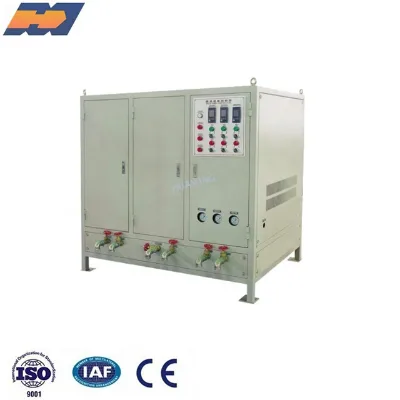


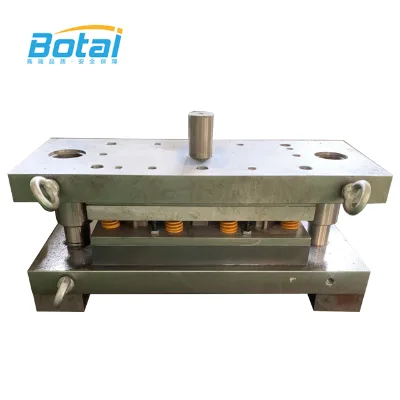


$100.00 - $10000.00
MOQ: 1 Pieces


Aluminum Die Casting Mould Manufacture Competitive Price Mold for Heat Sink
$10000.00 - $100000.00
MOQ: 1 Sets

Aluminum Die Casting Mould / Mold for 5g Heat Sink with Competitive Price
$10000.00 - $100000.00
MOQ: 1 Sets


Customized Aluminum Die Casting Mould Electric Motor Housing of Auto / Car / Spare Parts
$10000.00 - $100000.00
MOQ: 1 Sets


TMAXCN Brand Hydraulic Press Heating Mould with Temperature Controller up to 300º C
$10000.00 - $30000.00
MOQ: 1 Pieces


Comprehensive Sourcing Guide
Automatic Oil Heated SMC Mould Sourcing Guide
Procuring automatic oil heated SMC moulds requires a strategic approach to balancing thermal efficiency with precise manufacturing control. These moulds are specifically engineered for Sheet Moulding Compound applications, where consistent heat distribution is critical for achieving high-quality surface finishes and dimensional accuracy. The oil heating system provides stable temperature regulation, which is essential for complex geometries often found in automotive and household appliance components. Buyers must evaluate how the heating mechanism integrates with the mould’s overall design to ensure uniform curing and minimize cycle times.
The automation features significantly enhance production efficiency by reducing manual intervention during the demoulding process. Automatic demoulding mechanisms, such as pull-core systems, streamline operations and reduce the risk of part damage. This level of automation is particularly valuable for high-volume production runs where consistency and speed are paramount. Sourcing guides should emphasize the importance of verifying the reliability of these automated systems, as they directly impact the overall throughput and operational costs of the manufacturing facility.
Product Scope and Observed Listing Signals
The market for SMC moulds includes a diverse range of applications, from engine oil pans and solar panel housings to chair structures and vacuum-edged components. Listings often highlight specific models such as NG-M261, NG-M289, and NG-M223, each tailored to distinct product requirements. The observed price range of $100 to $200,000 USD reflects the variability in mould complexity, material quality, and customization levels. Buyers should note that the minimum order quantity is typically one unit, allowing for flexible procurement strategies for both prototyping and full-scale production.
Customization is a key feature in this category, with suppliers offering OEM and ODM services to meet specific design needs. Mould structures can be adapted according to customer drawings or samples, ensuring that the final product aligns perfectly with the intended application. The use of single-cavity designs is common, focusing on precision and quality rather than high-volume multi-cavity output. This approach allows for tighter quality control and easier maintenance, making it suitable for specialized industrial and consumer goods manufacturing.
Technical Specifications to Verify
When evaluating technical specifications, the mould base material is a critical factor, with S50C and C45 steels being commonly cited options. These materials offer a balance of strength and machinability, essential for withstanding the pressures and temperatures of the SMC process. The mould life expectancy is typically rated between 300,000 and 1,000,000 shots, indicating a robust design for long-term use. Buyers should verify the specific steel grade and heat treatment processes to ensure the mould can withstand the intended production volume without premature wear.
Design software compatibility is another important technical consideration, with tools like UG, ProE, SolidWorks, and CAD being standard in the industry. These tools facilitate precise mould design and simulation, helping to identify potential issues before production begins. The surface finish process, often involving polishing, contributes to the final product's aesthetic and functional quality. Additionally, the mould operating mode is typically automatic, requiring integration with existing production lines and ensuring seamless operation with automated demoulding systems.
Compliance and Safety Documentation
Compliance with international standards is essential for ensuring the quality and safety of SMC moulds. Certifications such as CE and SGS are frequently mentioned, indicating adherence to specific safety and performance criteria. The ISO9001:2000 and ISO9001 standards are also relevant, providing a framework for quality management systems. Buyers should request documentation to verify that the supplier maintains these certifications, as they are indicative of a commitment to consistent quality and process control.
Safety features in the mould design, such as proper heating system integration and automated demoulding mechanisms, are crucial for operator protection. The oil heating system must be designed to prevent leaks and ensure stable temperature control, reducing the risk of accidents. Additionally, the mould should comply with relevant industry standards, such as DME, LKM, and Hasco, which govern mould construction and safety. Buyers should ensure that all safety documentation is up-to-date and that the supplier provides clear instructions for safe operation and maintenance.
Cost Drivers and Commercial Terms
Several factors influence the cost of SMC moulds, including material selection, design complexity, and customization requirements. The use of high-quality steel and advanced design software can increase initial costs but may offer long-term savings through improved durability and efficiency. Lead times typically range from 60 to 90 days, reflecting the time required for design, manufacturing, and testing. Buyers should plan their procurement schedules accordingly to avoid production delays and ensure timely delivery.
Commercial terms such as warranty and after-sales service are also important considerations. A one-year warranty is commonly offered, providing protection against manufacturing defects. Suppliers often provide professional quality control services and offer OEM/ODM support, which can add value to the procurement process. Transportation methods, such as sea freight, and packaging in wooden cases are standard practices to ensure safe delivery. Buyers should negotiate clear terms regarding payment, delivery, and support to mitigate risks and ensure a smooth procurement experience.
Supplier Qualification and Quality Control
Supplier qualification is a critical step in the procurement process, requiring a thorough assessment of the supplier’s capabilities and track record. In-house professional quality control is a key indicator of a supplier’s commitment to quality, ensuring that each mould meets specified standards before delivery. Buyers should verify the supplier’s experience in designing and manufacturing SMC moulds, as well as their ability to provide customized solutions based on customer drawings or samples.
The use of experienced designers for mould water cooling and other critical components is another important factor. This expertise ensures that the mould operates efficiently and maintains consistent performance over its lifespan. Buyers should also evaluate the supplier’s ability to provide comprehensive after-sales service, including technical support and maintenance assistance. A reliable supplier will offer clear communication and responsive support, helping to resolve any issues that may arise during the mould’s operation.
Long-Term Procurement Checks
Long-term procurement success depends on establishing a strong relationship with the supplier and ensuring ongoing support. Regular maintenance and inspection of the mould are essential to prolong its lifespan and maintain performance. Buyers should develop a maintenance schedule that includes routine checks of the heating system, demoulding mechanisms, and surface finish. This proactive approach helps to identify potential issues early and prevent costly downtime.
Continuous improvement and feedback loops with the supplier are also important for optimizing the mould’s performance. Buyers should provide feedback on the mould’s operation and any issues encountered, allowing the supplier to make necessary adjustments. Additionally, staying informed about advancements in mould design and technology can help buyers make informed decisions about future procurement. By maintaining a collaborative relationship with the supplier, buyers can ensure that their SMC moulds continue to meet their production needs effectively.
FAQs
What certifications do the SMC moulds hold?
The SMC moulds hold CE and SGS certifications as confirmed by product facts. Some listings also reference ISO standards like ISO9001 or ISO9001:2000. These certifications indicate compliance with international quality and safety requirements for industrial manufacturing equipment.
How long is the lead time for production?
The standard lead time for these moulds ranges from 60 to 90 days. This duration accounts for the complex manufacturing process involving steel bases and custom designs. Buyers should plan their procurement schedules accordingly to ensure timely delivery for their projects.
Can the moulds be customized for specific needs?
Yes, customization is available for these SMC moulds according to customer drawings or samples. The structure is designed to adapt to specific requirements, and OEM and ODM services are offered. This flexibility allows buyers to tailor the moulds to their unique production needs.
What is the warranty period for the moulds?
The warranty period provided for these moulds is one year. This coverage ensures protection against manufacturing defects during the initial operational phase. Buyers can rely on this warranty for peace of mind regarding the durability and quality of the purchased industrial equipment.
Which software is used for mould design?
The mould design utilizes professional software including UG, Proe, Solidworks, and CAD. These tools enable precise engineering and efficient development of the mould structures. The use of such advanced software ensures high accuracy and reliability in the final product specifications.
What is the expected lifespan of the mould?
The expected lifespan of the mould is between 300,000 and 1,000,000 shots. This durability is achieved through the use of high-quality materials like S50c steel for the mould base. Such a lifespan supports long-term industrial applications with consistent performance.
Where are these moulds manufactured?
These moulds are manufactured in Huangyan, China. The origin is explicitly stated as China in the product facts. This location is a known hub for mould manufacturing, offering access to established supply chains and industrial expertise for producing high-quality SMC moulds.