Source Automatic Non-Woven Underwear Making Machine for Shorts, Covers, and Masks
Explore 30 listings for the automatic non-woven underwear making machine to compare specifications like production speed, voltage, and dimensions. Buyers can evaluate options from manufacturers in China offering customized solutions with CE and ISO9001 certifications.
Key considerations
Products List


Disposable Non Woven Pants Making Machine SPA Women Underwear Making Machine
$20000.00 - $30000.00
MOQ: 1 Pieces

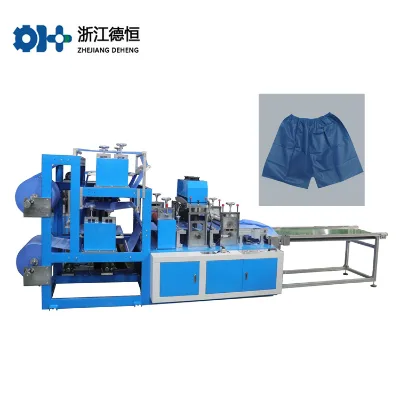
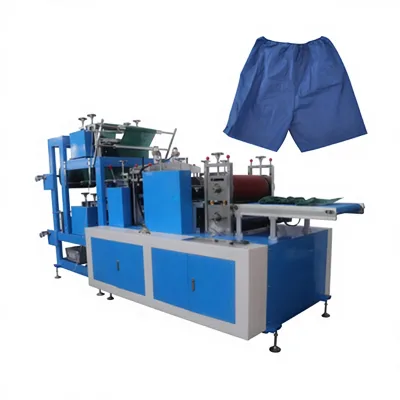
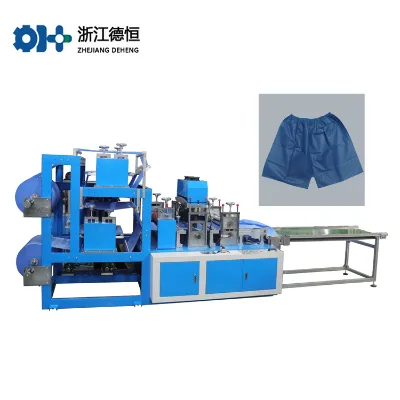
Hot Sale Automated Nonwoven Disposable Boxer Shorts Flag-angle Beach Underwear Making Machine
$28500.00 - $30000.00
MOQ: 1 sets
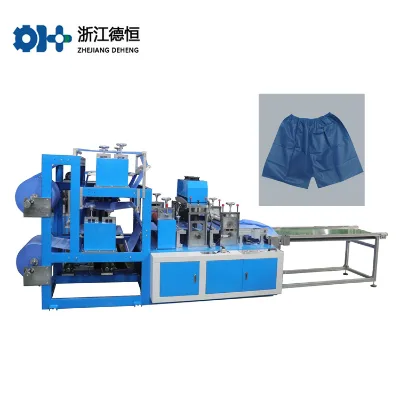
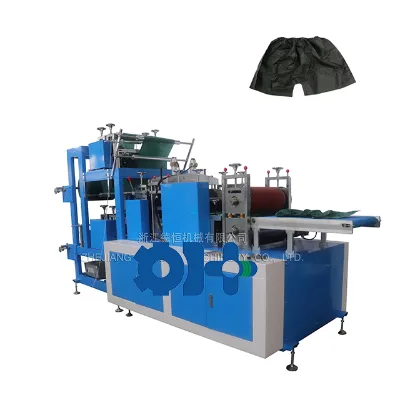
Men's Disposable Boxer Shorts MAKING MACHINE Boxer Shorts Disposable Underwear for Travel
$32000.00 - $53000.00
MOQ: 1 sets

Fabric Machine Non Woven Fabric Making Machine Production Equipment Non Woven Fabric Making Machine
$240000.00 - $1000000.00
MOQ: 1 Sets
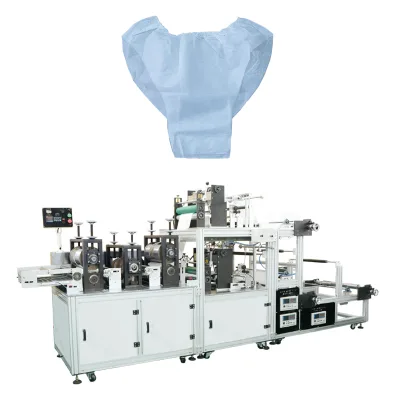
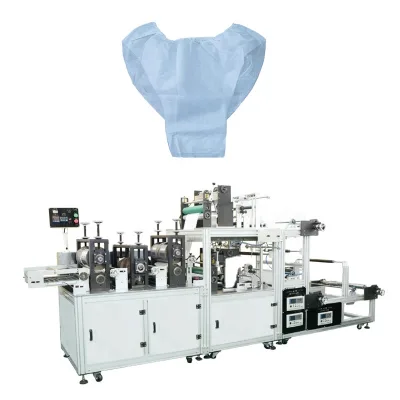
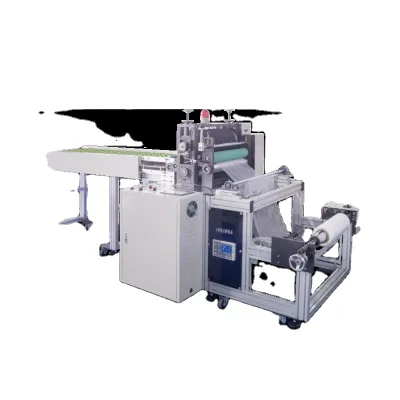

Fully Automatic High Efficiency Disposable Briefs Underwear Making Machine
$19000.00 - $20000.00
MOQ: 1 Sets

Disposable Automatic Fabric Non Woven Ultrasonic Cutting Making Machine
$14000.00 - $15000.00
MOQ: 1 Sets

Advanced Sewing Making Machine for Comfortable Women's Underwear Production
$3500.00 - $4000.00
MOQ: 1 Pieces
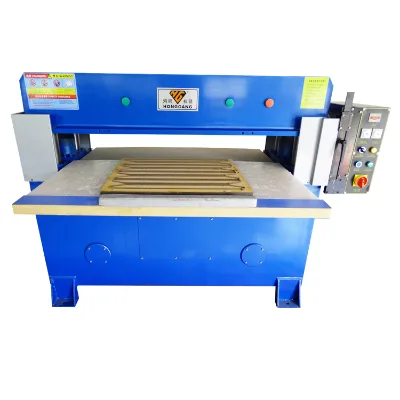


Automatic Absorbent Under Pad Disposable Underpad Making Machine
$118000.00 - $120000.00
MOQ: 1 Pieces


High Speed Disposable Underpad Making Machine with Ce Certificate
$150000.00 - $300000.00
MOQ: 1 Pieces
Comprehensive Sourcing Guide
Strategic Sourcing Guide for Automatic Non-Woven Underwear Manufacturing Equipment
Understanding the Technical Landscape of Automated Production
The acquisition of an automatic non-woven underwear making machine requires a precise understanding of the machinery's operational architecture and physical specifications. Based on current market observations, these systems are engineered to process non-woven fabrics with high efficiency, often utilizing advanced automation to streamline the production workflow. The core functionality typically involves a sequence of welding, cutting, and folding operations, which are critical for transforming raw material into finished garments. Buyers must recognize that the "Automatic" designation is not merely a marketing term but reflects the integration of programmable logic controllers (PLC) and high-torque motors as central components. These core elements ensure consistent cycle times and reduce the dependency on manual intervention, which is essential for maintaining uniformity in mass production environments.
When evaluating the technical specifications, attention must be paid to the dimensional constraints of the equipment. Observed data indicates that machine dimensions can vary significantly depending on the specific model and production capacity. For instance, certain configurations measure approximately 4200mm in length by 1450mm in width and 1950mm in height, while others may extend to 6000mm in length with a width of 2000mm and a height of 2100mm. These physical footprints directly impact factory floor planning and utility requirements. Furthermore, the working width capabilities are a critical specification, with observed ranges extending up to 500mm or 600mm, which dictates the maximum size of the underwear product that can be manufactured in a single pass. The material thickness is another vital parameter, typically observed in the range of 40 to 60 grams per square meter (GSM), ensuring the machine is compatible with standard non-woven fabric grades used in hygiene and medical applications.
Compliance Verification and Certification Standards
In the global B2B market, compliance with international standards is a non-negotiable prerequisite for machinery procurement. The primary certifications observed in this sector include CE marking and ISO 9001 accreditation. The CE certification indicates that the equipment meets the essential health, safety, and environmental protection requirements for the European Economic Area, which is a critical benchmark for machines exported from China to international markets. Similarly, ISO 9001 certification validates that the manufacturer has established a quality management system capable of consistently providing products that meet customer and regulatory requirements.
Buyers must exercise caution when interpreting certification claims. While some product listings explicitly state "CE, ISO9001: Condition: New," others may only list CE or imply compliance through general descriptions. It is imperative for procurement teams to request valid, up-to-date certification documents directly from the supplier rather than relying solely on the product page. The presence of a machinery test report is another indicator of quality assurance; however, availability varies. Some suppliers provide these reports as part of their standard delivery, while others may not have them available. Buyers should explicitly verify whether a test report is included in the purchase agreement, as this document serves as independent evidence of the machine's performance and safety features before it leaves the factory.
Cost Drivers and Financial Considerations
The pricing structure for automatic non-woven underwear making machines is influenced by a complex interplay of factors, including automation level, material handling capacity, and the complexity of the control systems. The observed price range in the market is substantial, spanning from approximately $2,026 to $1,000,000. This wide variance suggests that the market offers solutions for different scales of operation, from small-scale pilot lines to large-scale industrial facilities. The lower end of the spectrum likely corresponds to machines with simpler configurations or lower production speeds, while the higher end reflects fully automated systems with advanced PLC integration, higher power consumption, and greater production capacities.
Power consumption is a significant operational cost driver. Specifications indicate that power ratings can range from 5 Watts for specific control components to 15,000 Watts (15 kW) for the main drive systems. This discrepancy highlights the importance of understanding the total energy profile of the machine. A 15 kW motor operating continuously will have a significantly different impact on utility bills compared to a lower-power alternative. Additionally, the voltage requirements must align with the local grid infrastructure. Observed data shows machines operating on both 220V and 380V systems. Procurement teams must ensure that the facility's electrical infrastructure can support the specific voltage and amperage requirements of the selected machine to avoid costly retrofits or the need for step-down transformers.
Operational Capacity and Production Efficiency
The production capacity of the machine is a decisive factor in determining its suitability for a buyer's specific volume requirements. The market data reveals a range of production speeds, with some models capable of producing 50 to 80 pieces per minute, while others achieve speeds between 80 and 120 pieces per minute. This variability allows buyers to match the machinery to their demand forecasts. A facility aiming for high-volume output will prioritize machines with the higher end of this speed range, whereas a facility focusing on niche or custom orders might find the lower speed range more appropriate for flexibility.
The weight of the machine is also an indicator of its robustness and stability during operation. Observed weights range from 1,500 kg to 2,000 kg. Heavier machines generally offer better stability, which can reduce vibration and improve the precision of cutting and welding operations. However, this also necessitates a reinforced factory floor and potentially specialized logistics for installation. The packaging method, typically a wooden case, is designed to protect the machinery during international transit, but buyers should verify that the packaging dimensions align with their shipping constraints. The "Single item" selling unit suggests that these machines are often sold as complete, standalone systems, which simplifies the procurement process but requires careful planning for installation and commissioning.
Supplier Evaluation and After-Sales Support
Selecting the right supplier involves more than just comparing technical specifications; it requires a thorough assessment of the supplier's ability to provide long-term support. The "Automatic" nature of these machines means that technical issues can halt production entirely, making after-sales service a critical component of the procurement decision. Key selling points often highlighted by suppliers include "Easy To Operate" and the availability of engineers to service machinery overseas. These features are vital for buyers who may not have a dedicated in-house engineering team capable of troubleshooting complex PLC or motor issues.
When evaluating suppliers, buyers should inquire about the warranty terms. A standard warranty period of 1 year is commonly observed, but the scope of this warranty—whether it covers parts, labor, or both—must be clearly defined. Additionally, the availability of spare parts and the lead time for their delivery are crucial for minimizing downtime. The "Customized" attribute indicates that many suppliers offer tailored solutions, allowing buyers to modify the machine for specific product designs or fabric types. However, customization can extend lead times and complicate the warranty process. Buyers must ensure that any customizations are documented in the contract and that the supplier retains the capability to support these modified configurations.
Quality Control and Long-Term Procurement Strategy
Implementing a robust quality control strategy is essential for ensuring that the purchased machinery delivers consistent results. The use of non-woven fabric, specifically with a gram weight of around 40 g/m², requires precise control over the welding and cutting parameters. Buyers should verify that the machine includes mechanisms for monitoring these parameters in real-time. The presence of a PLC system allows for the storage of multiple production recipes, which can be switched instantly to accommodate different product specifications. This flexibility is a key advantage for manufacturers who produce a variety of underwear styles.
Long-term procurement considerations also involve the lifecycle management of the equipment. The "New" condition of the machines suggests that buyers are investing in brand-new technology, which typically offers a longer operational life and better reliability compared to refurbished units. However, the initial investment must be weighed against the expected return on investment (ROI) based on production efficiency and labor savings. The "Easy To Operate" feature contributes to a lower training burden, allowing operators to become proficient quickly. Furthermore, the "Condition: New" status implies that the machine is ready for immediate deployment, reducing the risk of hidden defects or premature wear.
| Feature Category | Observed Specification Range | Procurement Verification Point |
|---|---|---|
| Production Speed | 50-120 pcs/min | Confirm actual speed under load conditions. |
| Power Consumption | 5 W - 15,000 W | Verify total power draw and voltage compatibility. |
| Dimensions | 3200x1550x1750 mm to 6000x2000x2100 mm | Check factory floor space and utility access. |
| Material Thickness | 40-60 GSM | Ensure compatibility with intended fabric stock. |
| Certification | CE, ISO9001 | Request valid certificates and test reports. |
| Warranty | 1 Year | Clarify coverage scope and response time. |
| Weight | 1,500 kg - 2,000 kg | Assess floor load capacity and lifting requirements. |
In conclusion, sourcing an automatic non-woven underwear making machine requires a meticulous approach that balances technical specifications, compliance requirements, and supplier reliability. By focusing on the verified data points provided in this guide, buyers can make informed decisions that align with their production goals and operational constraints. The complexity of these machines demands a partnership with a supplier who can provide not just hardware, but also the technical expertise and support necessary for sustained success in the manufacturing sector.
FAQs
What certifications do automatic non-woven underwear making machines have?
These machines typically carry CE and ISO9001 certifications to ensure safety and quality management standards. Buyers should verify that the specific listing explicitly states these certifications and request valid documents directly from the supplier before purchase.
How fast can an automatic non-woven underwear making machine produce units?
Production speeds generally range from 50 to 120 pieces per minute depending on the specific model configuration. Higher capacity units often utilize advanced PLC systems to maintain consistent output rates for mass production environments.
Can these machines handle customized non-woven fabric specifications?
Yes, customization is available for various material thicknesses and product dimensions. The machines are designed to process non-woven fabrics with a typical thickness of 40 to 60 GSM while accommodating specific buyer requirements.
What is the power consumption for these automatic production machines?
Power ratings vary significantly, with some models operating at 5 Watts for controls and others reaching 15,000 Watts for main drives. Buyers must confirm the voltage requirements, which are often 220V or 380V, to match their facility's electrical infrastructure.
Which suppliers offer overseas engineering support for these machines?
Many manufacturers provide after-sales services including engineers available to service machinery overseas. This support is crucial for maintaining operations and troubleshooting complex PLC or motor issues in international markets.
What are the standard dimensions for automatic non-woven underwear making machines?
Machine dimensions vary by model, with common sizes ranging from 3200mm to 6000mm in length. Specific configurations may measure 4200mm by 1450mm by 1950mm or larger, requiring careful factory floor planning.
How long is the warranty period for these automatic production machines?
A standard warranty period of 1 year is commonly observed for these new condition machines. Buyers should clarify if the warranty covers parts, labor, or both to ensure adequate protection for their investment.