Source Automatic Paper Stapler with 13mm Staple Width for binding, packaging, and bookmaking
Compare 30 listings for an Automatic Paper Stapler with 13mm Staple Width designed for binding documents, packaging tasks, and bookmaking projects. This sourcing page details specifications like voltage, binding depth, and material options from verified Chinese manufacturers.
Key considerations
Products List
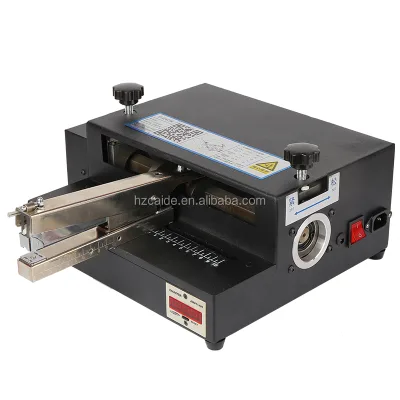
Single Head Booklet Electric Semi-Automatic Multifunction Paper Stapler Machine
$300.00 - $400.00
MOQ: 1 pieces
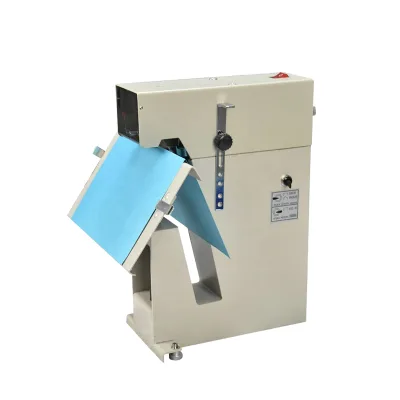
ST-66-2 Tabletype Heavy Duty Electric One Head A4 Size Office Paper Stapler
$200.00 - $240.00
MOQ: 1 pieces
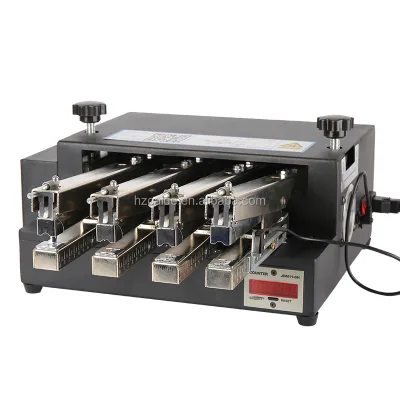
M4 ) Multifunctional Four-head Binder Multi Functional Electric Paper Stapler
$407.12 - $508.90
MOQ: 1 pieces


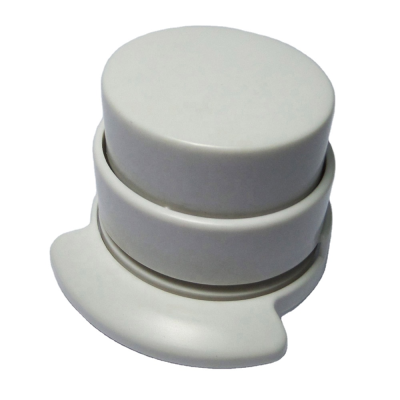
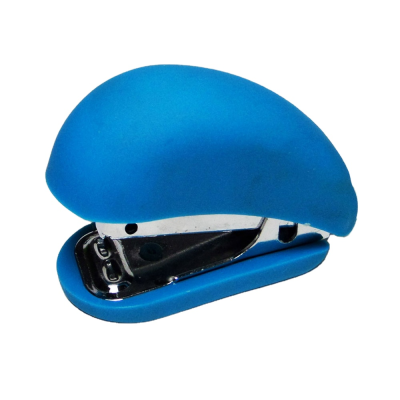
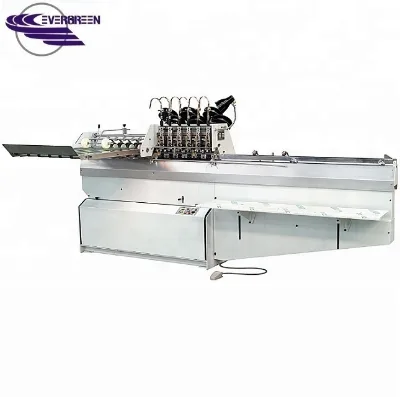


Simple Plastic Desktop Stapler Office School Stationery Accessories Paper Stapler
$0.60 - $0.70
MOQ: 2000 Pieces


Comprehensive Sourcing Guide
Strategic Sourcing Guide for Automatic Paper Staplers with 13mm Staple Width
Sourcing industrial-grade automatic paper staplers requires a rigorous approach to align technical capabilities with operational efficiency. Buyers focusing on equipment with a 13mm staple width must navigate a complex landscape of specifications, material compatibility, and supplier capabilities. The global market for binding machinery, particularly those originating from major manufacturing hubs, offers a wide array of options ranging from single-head units to multi-head industrial systems. This guide provides a structured framework for evaluating potential suppliers and products, ensuring that procurement decisions are grounded in verified data and practical application requirements. The analysis below synthesizes observed market data and technical attributes to assist buyers in making informed decisions without relying on unverified claims.
Technical Specifications and Operational Parameters
When evaluating an automatic paper stapler, the primary focus must be on the mechanical specifications that define its binding capacity and speed. The core keyword, "13mm staple width," suggests a specific requirement for the crown or width of the fastener used. In the observed product data, staple dimensions are often listed with precision, such as stitch sizes of 24/6, 24/8, 26/6, and 26/8, which refer to the wire gauge and leg length. While the specific 13mm width is not explicitly listed as a standard value in the provided dataset, buyers must verify that the machine's magazine and driver mechanism are compatible with this dimension. The binding thickness is a critical constraint; observed data indicates a binding thickness of 5mm and a binding depth of 100mm for certain models. This implies that the machine can handle stacks up to 100mm deep, but the actual thickness of the material being bound must be within the 0.2mm to 5mm range for optimal performance.
Power requirements are another vital technical consideration. The market data shows a consistent power supply of 220V at 50Hz, with a power consumption of 30W for specific units. However, other industrial models may utilize pneumatic systems, indicated by the mention of "Pneumatic Staple Gun" as a compatible tool and "Pneumatic Tool" as a usage category. Buyers must confirm whether the 13mm width requirement applies to electric or pneumatic models, as the driving force and cycle times differ significantly. The model numbers observed, such as "ST-66-2" and "single head" or "Four head," indicate that capacity varies by configuration. A four-head system likely offers higher throughput for large-volume binding operations compared to a single-head unit. Additionally, the strength adjustment feature, noted as having 1 to 2 positions, allows operators to fine-tune the driving force based on the paper density, which is essential for preventing damage to delicate documents or ensuring penetration in thicker stacks.
Compliance, Certification, and Material Standards
In the B2B procurement of industrial machinery, compliance with international standards is non-negotiable for ensuring safety and interoperability. The provided product facts explicitly mention ISO certification and an ISO standard, which serves as a baseline for quality management and product consistency. Buyers should verify that the specific model they intend to purchase holds valid ISO certification, as this indicates adherence to recognized quality control processes. Furthermore, the material composition of the stapler itself is a key factor in durability. Stainless steel is listed as a primary material for certain components, offering resistance to corrosion and wear, which is crucial for machines operating in humid or demanding environments.
Surface treatments also play a significant role in longevity. The data indicates that galvanized coatings are available, providing an additional layer of protection against rust and chemical degradation. When sourcing a machine with a 13mm staple width, buyers must ensure that the internal mechanisms, such as the driver blade and magazine, are constructed from materials that can withstand the stress of continuous high-speed operation. The "Condition: New" attribute confirms that the market offers brand-new units, but buyers should explicitly request proof of the manufacturing date and storage conditions to avoid purchasing refurbished or aged stock that may have degraded seals or lubricants. Additionally, the standard of the staples themselves must be verified; while the data lists "variety" for product standards, the specific alloy and coating (e.g., galvanized) must match the application to prevent rusting on the bound documents.
Cost Drivers and Pricing Structures
Understanding the cost structure of automatic paper staplers is essential for budgeting and total cost of ownership analysis. The observed price range in the market spans from $0.12 to $3,155.20 USD, a vast disparity that reflects the difference between consumable staples and complete industrial machinery. For a buyer seeking a full automatic stapler unit, the price will likely fall in the higher end of this spectrum, influenced by the number of heads, power source, and automation level. The minimum order quantity (MOQ) varies significantly, ranging from 1 to 20,000 units. This suggests that while individual units are available for trial or small workshops, bulk procurement is necessary to access lower per-unit costs for large-scale operations.
The packaging details also impact the final landed cost. Products are typically shipped in carton cases, with specific single package sizes noted, such as 40x35x20 cm or 30x18x55 cm. The single gross weight ranges from 15.000 kg to 25.000 kg, indicating that shipping logistics must be carefully planned. Heavier units may incur higher freight charges and require specialized handling equipment at the destination. Buyers should also consider the cost of consumables. The data lists "Staples" as the primary consumable, with box sizes of 10,000 pieces and colors including silver and gold. The compatibility of these staples with the 13mm width requirement must be confirmed, as using incorrect staples can lead to machine jamming or poor binding quality. The "Sea Worhty Packing" option mentioned for certain models suggests that heavy-duty packaging is available for international shipping, which adds to the cost but reduces the risk of transit damage.
Typical Applications and Usage Scenarios
The versatility of automatic paper staplers allows them to serve a wide range of industries, from small office environments to large-scale industrial binding facilities. The primary function identified is "binding paper," with specific applications noted for bookbinding, capable of handling 0 to 40 pages of 80g paper. This makes the equipment suitable for document production, report binding, and manual assembly lines. However, the data also points to broader industrial applications, including roofing, framing, and decking, which suggests that some models in the market may be repurposed or share components with construction staplers. For a buyer specifically targeting a 13mm staple width for paper, it is crucial to distinguish between general-purpose industrial staplers and those optimized for delicate paper binding.
The "Type: T-Type Nail" and "Crown: 9mm" attributes highlight the diversity of fasteners used in the industry. While the 13mm width is the target, understanding the available crown sizes helps in selecting the right machine. The "Function: binding paper" confirms the primary use case, but the "Industrial" usage category implies that the machine is built for durability and high-volume output. Buyers should assess their specific workflow requirements, such as the need for strength adjustment to handle varying paper thicknesses or the requirement for a four-head system to increase throughput. The "Use Consumables: Staples" attribute reinforces that the machine is not a standalone solution but part of a larger supply chain that includes staple inventory management.
Supplier Evaluation and After-Sales Support
Selecting the right supplier is as critical as selecting the right machine. The market data indicates that the place of origin for these products is China, a major hub for manufacturing industrial equipment. Buyers must evaluate suppliers based on their ability to provide consistent quality and reliable after-sales support. A significant observation is the "No overseas service" attribute for after-sales support. This is a critical risk factor for international buyers, as it implies that technical assistance, spare parts, and repairs may need to be handled locally or through third-party contractors. Buyers should verify if the supplier offers remote troubleshooting, detailed English-language manuals, or if they have authorized service partners in the buyer's region.
The warranty period is another key metric for supplier reliability. The data shows a standard warranty of 1 year, which is typical for industrial machinery. However, buyers should negotiate for extended warranty options or service level agreements that cover critical components like the motor or pneumatic system. The "Customization: Available" attribute is a strong indicator of a flexible supplier capable of modifying machines to meet specific needs, such as adjusting the staple width or integrating with existing automation lines. When evaluating potential partners, buyers should request references from other international clients and verify the supplier's track record in delivering on time. The "Selling Units: Single item" attribute suggests that suppliers are willing to sell individual units, which is beneficial for testing, but bulk buyers should ensure that the supplier can scale production to meet larger orders without compromising quality.
Quality Control and Long-Term Procurement Considerations
Implementing a robust quality control process is essential to mitigate the risks associated with sourcing industrial machinery. Buyers should insist on pre-shipment inspections that verify the mechanical integrity of the stapler, the accuracy of the staple width, and the functionality of the power or pneumatic systems. The "Standard: ISO" and "Certification: ISO" attributes provide a baseline, but buyers should request specific test reports or quality assurance certificates for the batch being purchased. The "Material: Stainless Steel" and "Surface Treatment: Galvanized" attributes should be verified through visual inspection or material analysis to ensure they match the specifications.
For long-term procurement, buyers must consider the availability of spare parts and the lifecycle of the machine. The "Model Number" variations, such as "ST-66-2" or "7116 staple gun," indicate that different models may have different part availability. Buyers should secure a supply of critical spare parts, such as driver blades, springs, and magazine components, at the time of purchase. The "Single gross weight" and "Single package size" data help in planning storage and maintenance logistics. Additionally, the "Voltage: 220V/50HZ 30W" specification must be matched with the local power grid to avoid the need for expensive transformers or voltage converters. By focusing on these long-term considerations, buyers can ensure that their investment in automatic paper staplers delivers sustained value and operational efficiency over the life of the equipment.
FAQs
What power supply does the automatic paper stapler require?
The machine requires a 220V power supply at 50Hz with a 30W power rating. This specification ensures compatibility with standard industrial electrical systems, though some pneumatic models may operate differently.
Can the stapler handle binding thickness up to 5mm?
Yes, the observed binding thickness specification supports up to 5mm. This allows the unit to process standard document stacks while maintaining consistent staple penetration for reliable paper binding operations.
Which certification standards do these staplers meet?
The products meet ISO standards and carry ISO certification for quality management. Buyers should verify specific batch certificates to ensure the machinery adheres to recognized safety and consistency protocols.
How is the after-sales service provided for these units?
No overseas service is provided for these products by the listed suppliers. Buyers must arrange local technical support or rely on remote troubleshooting guides since direct international repair services are unavailable.
What is the minimum order quantity for purchasing these staplers?
The minimum order quantity ranges from 1 to 20,000 units depending on the supplier. Small workshops can buy single items, while large-scale operations may need to meet higher volume thresholds for pricing.
Which material is used for the stapler construction?
Stainless steel is used for key components to ensure durability and corrosion resistance. This material choice supports long-term operation in demanding industrial environments where moisture or wear might affect other metals.
Can the supplier provide customization for the stapler?
Customization is available for these products to meet specific operational needs. Buyers should confirm details regarding staple width adjustments or capacity modifications directly with the manufacturer before placing an order.