Source Inkjet Printing Nozzle Plate for Bill, Card, and Label Printers
Find and compare 30 Inkjet Printing Nozzle Plate options for bill, card, and label printers. Evaluate specifications like print distance and speed to select the right components for your industrial coding needs; compare the available evidence and request quotations based on your requirements.
Key considerations
Products List
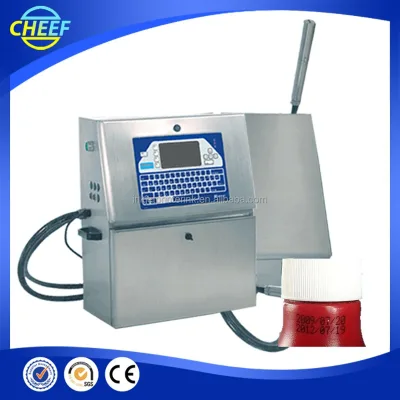
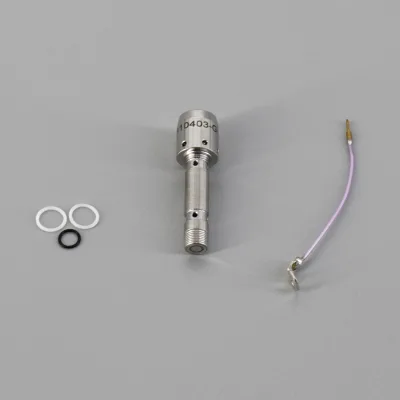
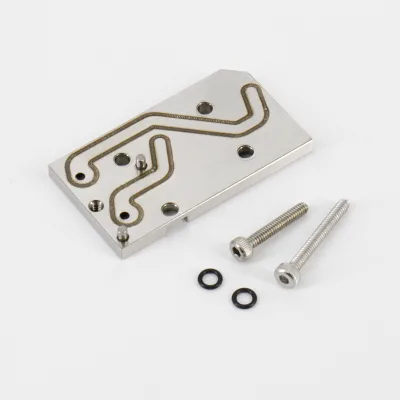
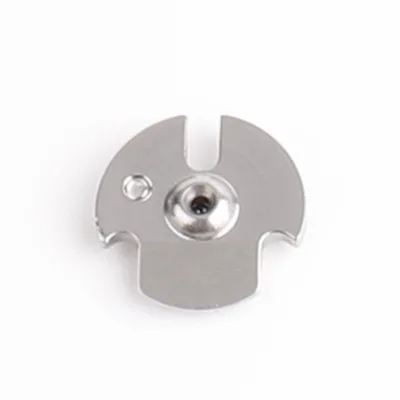
Nozzle plate 60um 26828 for for domino A series cij printer -Product
$2000.00 - $4000.00
MOQ: 1 Minimum
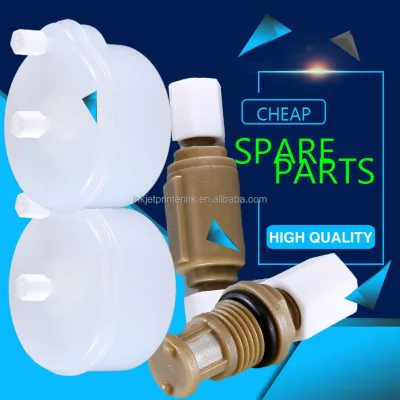
33435 Nozzle Plate 20mm for Domino Macrojet DOD Inkjet Printer Spare Parts
$1.00 - $18.00
MOQ: 1 Minimum
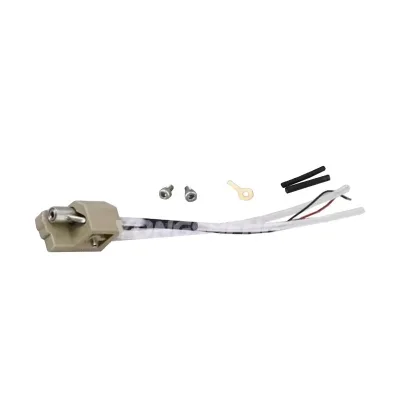



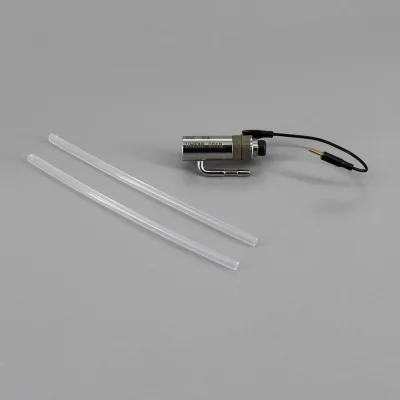


Comprehensive Sourcing Guide
Inkjet Printing Nozzle Plate Sourcing Guide
Product Scope and Observed Listing Signals
The market for inkjet printing nozzle plates encompasses a diverse range of components, primarily serving as critical interfaces for continuous inkjet (CIJ) systems. Current listings indicate a strong presence of products designed for specific industrial applications, such as bill, card, label, and tube printing. Buyers will observe that these components are often marketed as replacements or upgrades for established brands, with specific references to compatibility with Domino filter systems and other major CIJ manufacturers. The observed product range includes both complete printer units and individual replacement parts, highlighting the modular nature of modern industrial coding and marking equipment.
Listing signals reveal a significant variation in product attributes, suggesting a fragmented supplier base with differing specializations. Some suppliers offer complete automatic inkjet printers with specific dimensions and power requirements, while others focus exclusively on high-volume nozzle assemblies. The observed data points to a wide price range, reflecting differences in material quality, manufacturing precision, and included services. Buyers must carefully distinguish between complete machinery suppliers and specialized component manufacturers, as the latter often provide faster delivery times for critical spare parts like nozzle plates and umbilical cables, which are essential for maintaining uninterrupted production lines.
Technical Specifications to Verify
When evaluating nozzle plates, the physical dimensions and material composition are paramount for ensuring proper fit and function within the inkjet printer head. Buyers should verify the plate type, noting that non-touch print mechanisms are common to prevent wear and maintain print quality. The diameter and length of the associated print head, such as the observed 35mm diameter and 260mm length, must align with the existing machinery to avoid costly modifications. Additionally, the umbilical cable length, typically available in 3-meter or 5-meter options, should be confirmed to ensure adequate reach and flexibility within the specific production environment without causing tension or interference.
Performance metrics such as print speed and line configuration are equally critical for operational efficiency. The observed specifications indicate print speeds up to 210 meters per minute with capabilities for 1-4 lines of text, which suits high-throughput packaging operations. Buyers must also consider the working environment, verifying that the equipment can operate within the specified temperature range of 5-45℃ and humidity levels up to 90%. The automatic grade of the machinery and the specific ink type, such as solvent ink, further dictate the maintenance requirements and compatibility with various substrate materials, ensuring consistent print quality across different production runs.
Compliance and Safety Documentation
Safety and regulatory compliance form the foundation of any reliable industrial procurement process, particularly for electrical equipment operating at standard voltages. Buyers should request documentation confirming that the power supply units adhere to local electrical safety standards, typically covering the 200-240V operating range observed in many listings. While some suppliers mention general certifications like SGS or CE, it is crucial to verify the specific scope of these certifications to ensure they cover the nozzle plate assembly and associated electrical components. This verification helps mitigate risks related to electrical faults, ensuring that the equipment can be safely integrated into existing factory infrastructure without compromising worker safety.
Environmental and operational safety standards also play a significant role in the selection of inkjet components. The working temperature and humidity ranges provided by suppliers serve as critical guidelines for safe operation, preventing issues such as ink clogging or electronic failure due to environmental stress. Buyers should inquire about the materials used in the construction of the nozzle plates, particularly regarding plastic components, to ensure they are resistant to chemical degradation from solvent inks. Proper documentation regarding material safety data sheets (MSDS) for inks and cleaning agents should also be obtained to ensure compliance with workplace health and safety regulations, protecting both the equipment and the operators.
Cost Drivers and Commercial Terms
The cost of inkjet printing nozzle plates is influenced by several factors, including the complexity of the manufacturing process, the precision required for the nozzle apertures, and the volume of the order. Suppliers often list minimum order quantities (MOQ) as low as one piece, which is beneficial for maintenance and repair scenarios, while larger orders may benefit from economies of scale. The observed supply ability varies significantly, with some suppliers offering up to 10,000 pieces per month for specific nozzle components, indicating a robust production capacity for high-demand items. Buyers should consider the total cost of ownership, including shipping and handling, as packaging details and dispatch ports can impact the final landed cost.
Commercial terms and payment methods also play a crucial role in the procurement decision. Flexible payment options, such as PayPal, TT, and Western Union, are commonly available, providing convenience for international transactions. However, buyers should carefully review the shipping terms, such as FOB or specific port dispatches, to understand their responsibilities regarding logistics and insurance. The delivery time, often cited as within 2-3 workdays after payment for certain components, is a significant advantage for minimizing downtime. Understanding these commercial nuances allows buyers to negotiate better terms and plan their inventory management more effectively, ensuring a steady supply of critical spare parts.
Supplier Qualification and Quality Control
Supplier qualification is essential to ensure the reliability and consistency of inkjet printing nozzle plates. Buyers should prioritize suppliers who provide comprehensive after-sales support, such as engineers available to service machinery overseas, which is a valuable asset for resolving technical issues quickly. The condition of the products, typically listed as new, should be verified through detailed product images and specifications. Additionally, the place of origin, often Jiangsu or Guangdong in China, can provide insights into the industrial ecosystem and manufacturing capabilities of the supplier. Buyers should assess the supplier’s ability to maintain consistent quality across batches, particularly for critical components like nozzle plates where precision is paramount.
Quality control measures should be a key consideration during the supplier evaluation process. Suppliers with a strong supply ability and clear packaging details, such as seaworthy cartons or OPP packages, demonstrate a commitment to protecting their products during transit. Buyers should inquire about the testing procedures used to verify the performance of the nozzle plates, including print quality and durability tests. The availability of warranty periods, such as the observed three-month warranty, provides an additional layer of protection for the buyer. Establishing a clear communication channel with the supplier for technical support and quality assurance is crucial for long-term procurement success and operational reliability.
Long-Term Procurement Checks
Long-term procurement success depends on establishing a robust relationship with suppliers who can consistently meet evolving operational needs. Buyers should regularly review the performance of the nozzle plates in their production environment, monitoring for issues such as print quality degradation or increased maintenance frequency. This feedback loop is essential for identifying potential quality issues early and addressing them with the supplier. Additionally, staying informed about technological advancements in inkjet printing, such as new ink types or improved nozzle designs, can help buyers make informed decisions about upgrades or replacements. Maintaining a diverse supplier base can also mitigate risks associated with supply chain disruptions.
Regular audits of supplier performance and compliance with agreed-upon standards are vital for maintaining high-quality procurement practices. Buyers should track key performance indicators, such as delivery times, product defect rates, and after-sales service responsiveness, to evaluate supplier reliability over time. It is also important to review the terms of service and warranty agreements periodically to ensure they remain favorable and relevant. By proactively managing these aspects, buyers can ensure a steady supply of high-quality inkjet printing nozzle plates, supporting continuous production and minimizing operational downtime. This strategic approach to procurement fosters long-term partnerships and drives sustained value for the organization.
FAQs
What is the working temperature range for this inkjet printer?
The working temperature range is 5 to 45 degrees Celsius. This ensures stable operation for the Cheef brand machine during continuous printing tasks on various materials like labels or tubes.
Which ink type is compatible with this solvent inkjet printer?
This machine utilizes solvent ink for high-quality marking. It supports multicolor printing with a print speed of 210 meters per minute and accommodates various print lattice sizes.
Can I get overseas service for this automatic inkjet printer?
Yes, engineers are available to service the machinery overseas. This after-sales support ensures minimal downtime for your production line using the CJ02 model or similar units.
What is the minimum order quantity for this nozzle plate?
The minimum order quantity is one piece for the nozzle assembly. This allows buyers to source single items or bulk orders up to 1000 pieces depending on their specific needs.
How long is the delivery time for the filter component?
Delivery occurs within two to three working days after payment is received. This fast turnaround applies to the Fastjet brand filter products shipped from Guangdong, China.
What certifications does the printing machine hold?
The product holds SGS certification for quality assurance. This validates the manufacturing standards for the automatic grade machine with a gross power of 120 watts.
Which dimensions apply to the packaging of the printer?
The printer dimensions are 46 by 26 by 56 centimeters. Each carton weighs 48 kilograms and is packed securely for dispatch from Shanghai or Ningbo ports.