Source Plasma Sprayed Ceramic Anilox Roller for Flexo, Offset, Coating
Explore 30 listings for Plasma Sprayed Ceramic Anilox Roller options suitable for flexo printing, offset printing, and coating applications. Buyers can compare specifications like cell shape, line screen, and surface hardness to find the right fit for their machinery; compare the available evidence and request quotations based on your requirements.
Key considerations
Products List


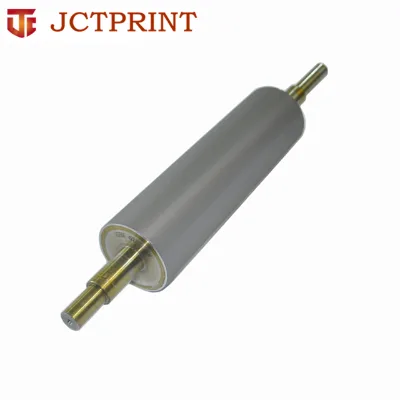
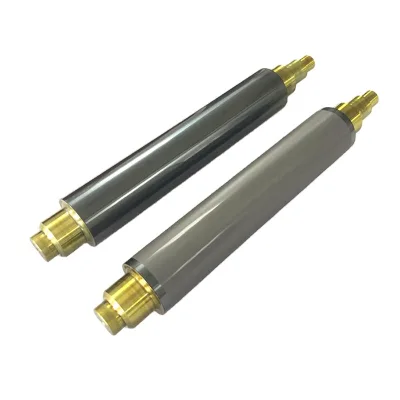
Factory Price Printing Ceramic Anilox Roller Slurry Coating Rol Positive
$260.00 - $270.00
MOQ: 1 pieces


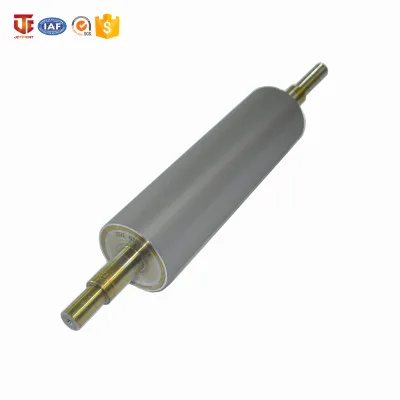
Comprehensive Sourcing Guide
Plasma Sprayed Ceramic Anilox Roller Sourcing Guide
Sourcing plasma sprayed ceramic anilox rollers requires a disciplined approach to verifying surface integrity and engraving precision. Buyers must prioritize suppliers who demonstrate consistent control over the thermal spraying process, as this directly influences the roller’s durability and ink transfer accuracy. The core value lies in the combination of a robust steel substrate and a high-hardness ceramic coating, which together provide resistance to wear and chemical corrosion. Understanding the specific manufacturing capabilities of potential vendors is essential for ensuring that the final product meets the rigorous demands of modern flexographic and offset printing operations.
Procurement teams should focus on evaluating the technical parameters that define roller performance, such as line screen density, cell volume, and surface hardness. These attributes determine how effectively the roller meters ink or coating across the printing cylinder. It is critical to align these specifications with the specific requirements of the printing press and the materials being used. By establishing clear technical benchmarks early in the sourcing process, buyers can avoid mismatches between supplier capabilities and operational needs, thereby reducing the risk of production downtime and quality issues in the final printed output.
Product Scope and Observed Listing Signals
The market for ceramic anilox rollers presents a wide range of options, with observed price points varying significantly based on size, complexity, and customization levels. Listings indicate a broad spectrum of diameters, typically ranging from 30 to 500 mm, and maximum lengths extending up to 3800 mm or 4250 mm when including the axis. This variability allows for tailored solutions for different press configurations, from small label printers to large-scale packaging lines. Buyers should carefully review the dimensional specifications provided by suppliers to ensure compatibility with their existing machinery and workflow requirements.
Observed minimum order quantities (MOQs) generally range from one to 500 units, reflecting the customized nature of these industrial components. Many suppliers offer customization services, allowing clients to specify exact drawing sizes and parameters rather than relying on standard catalog items. This flexibility is crucial for maintaining consistency in print quality across different production runs. Additionally, packaging methods vary, with some suppliers using wooden cases for larger rollers and carton boxes for smaller ones, which impacts shipping logistics and protection during transit.
Technical Specifications to Verify
Surface hardness is a critical technical parameter, with observed values ranging from Hv 1250 to Hv 1400, indicating a highly durable ceramic coating. Buyers must verify that the surface treatment, often involving thermal spraying or plasma spraying, ensures uniform hardness across the entire roller length. The surface thickness is typically around 0.25 to 0.3 mm on each side, providing sufficient material for engraving while maintaining structural integrity. Confirming these details with the supplier is essential to prevent premature wear and ensure long-term performance in high-speed printing environments.
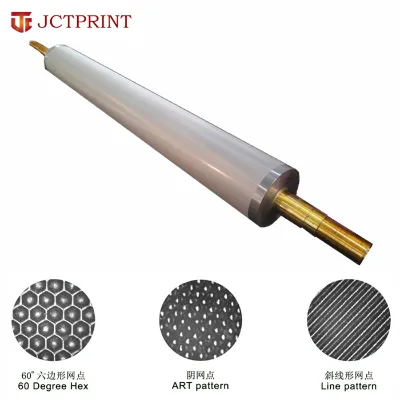
The engraving technology, primarily laser engraving, plays a vital role in defining cell shape and volume. Common cell shapes include hexagon, quad, tri-helical, and line configurations, each suited for different ink viscosities and print applications. The line screen per inch can range from 80 to 2000, allowing for precise control over ink transfer rates. Buyers should request detailed specifications regarding the laser engraving process, including anti-fraying and anti-corrosive treatments, to ensure the cells maintain their integrity and do not clog during operation.
Compliance and Safety Documentation
Certification status is a key indicator of a supplier’s commitment to quality management systems. Many manufacturers hold ISO9001 certification, which demonstrates adherence to international standards for quality management. Buyers should request valid certification documents to verify that the supplier’s production processes are consistently monitored and improved. This documentation provides assurance that the manufacturing environment is controlled, reducing the risk of defects and ensuring that each roller meets the specified technical requirements.
In addition to quality certifications, buyers should inquire about any additional safety or environmental compliance measures. While specific environmental standards may vary by region, suppliers should be able to provide information on the materials used, such as Al2O3 and Cr2O3 coatings, and their associated safety data sheets. Ensuring that all materials are compliant with relevant regulations helps mitigate risks related to handling and disposal. Clear documentation of these aspects is essential for maintaining a safe and compliant supply chain.
Cost Drivers and Commercial Terms
Delivery times are a significant factor in procurement planning, with observed lead times ranging from 15 to 25 days depending on the complexity of the order. Buyers should negotiate clear delivery schedules and include penalties for delays to protect their production timelines. The customization level also impacts cost, as rollers made to specific customer drawings or parameters require additional engineering and setup time. Understanding these variables helps in budgeting accurately and avoiding unexpected costs associated with expedited shipping or rush orders.
Packing methods and material choices also influence the total cost of ownership. Wooden cases provide robust protection for larger rollers but add weight and shipping costs, while carton boxes are more economical for smaller units. Buyers should consider the total landed cost, including packaging, shipping, and insurance, when comparing quotes. Additionally, warranty terms, such as a one-year guarantee, should be clearly defined in the contract to ensure recourse in case of early failure or performance issues.
Supplier Qualification and Quality Control
Supplier qualification should involve a thorough review of their manufacturing capabilities and quality control processes. Buyers should verify that the supplier uses advanced laser engraving technology and has experience with plasma spraying techniques. Requesting samples or conducting factory audits can provide insights into the consistency of their production processes. It is also important to assess their ability to customize rollers according to specific customer drawings and parameters, as this flexibility is often crucial for meeting unique operational needs.
Quality control measures should include rigorous testing of surface hardness, cell volume, and engraving precision. Buyers should ask for test reports or certificates of conformity for each batch of rollers produced. Establishing clear acceptance criteria and inspection protocols helps ensure that the delivered products meet the specified standards. Regular communication with the supplier regarding quality issues and continuous improvement initiatives can further strengthen the partnership and ensure long-term reliability.
Long-Term Procurement Checks
Long-term procurement success depends on establishing a reliable supply chain that can adapt to changing production needs. Buyers should monitor supplier performance over time, tracking metrics such as delivery reliability, product quality, and responsiveness to issues. Building a relationship with a trusted supplier can lead to better pricing, priority service, and access to new technologies. Regular reviews of the supply chain help identify potential risks and opportunities for optimization, ensuring that the procurement strategy remains aligned with business goals.
Continuous evaluation of technical specifications and market trends is essential for staying competitive. As printing technologies evolve, the demand for higher precision and durability in anilox rollers may increase. Buyers should stay informed about advancements in ceramic coatings and engraving techniques to make informed decisions about future purchases. By maintaining a proactive approach to supplier management and technical evaluation, organizations can ensure a steady supply of high-quality components that support their operational efficiency and product quality.
FAQs
How is the ceramic surface applied to the roller?
The ceramic surface is applied using plasma spraying or laser engraving techniques. This process ensures high surface hardness and durability for flexo and offset printing applications. The coating thickness typically ranges from 0.25 to 0.3 mm on each side, providing excellent wear resistance.
What is the surface hardness of the ceramic coating?
The surface hardness reaches Hv1400 or ranges between Hv1250 and Hv1300 depending on the specific model. This high hardness ensures the roller resists wear during long printing runs. The coating material often includes Al2O3 or Cr2O3 for enhanced stability.
Can the roller be customized to specific drawings?
Yes, customization is available according to customer drawings and parameters. Manufacturers produce rollers with specific diameters ranging from 30 to 500 mm and lengths up to 4250 mm. Standard compliance is flexible to meet unique production requirements.
What is the typical delivery time for these rollers?
The typical delivery time ranges from 15 to 25 days depending on the order specifics. Some standard models may be delivered within 15 to 18 days. This lead time covers manufacturing and quality checks before shipping from China.
Which certifications do these ceramic anilox rollers hold?
These rollers often hold ISO9001 certification to ensure quality management standards. The production process adheres to strict parameters for surface treatment and material integrity. This certification confirms the reliability of the steel roller and ceramic coating combination.
What cell shapes are available for the anilox roller?
Available cell shapes include hexagon, quad, tri-helical, and line configurations. These shapes are selected based on the specific printing application and ink transfer requirements. The line screen per inch can vary from 80 to 2000 to suit different needs.
How is the product packed for shipping?
The product is packed in wooden cases or carton boxes to ensure safe transport. This packaging protects the precision surface from damage during transit. The packing method is selected based on the order size and shipping destination requirements.