Source Automatic PLC Deburring Machine for Steel, Aluminum, and Carbon Steel
Compare 30 automatic PLC deburring machines from verified Chinese suppliers. These units feature PLC control, varying power ratings, and work with materials like aluminum, stainless steel, and carbon steel for industrial finishing tasks.
Key considerations
Products List
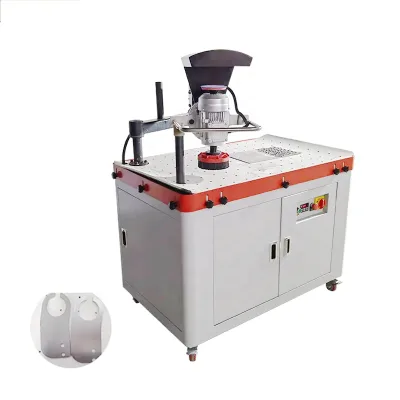
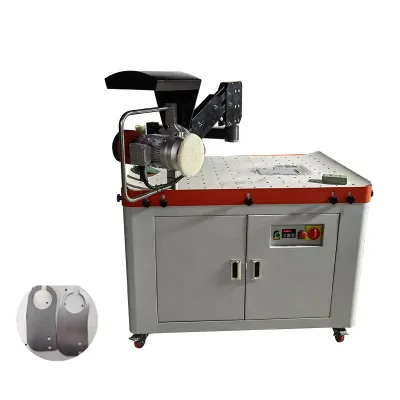

Automatic Deburring Machine for Precision Parts with High Efficiency
$45000.00 - $50000.00
MOQ: 1 Pieces

Automatic Deburring Machine for Precision Parts with High Efficiency
$45000.00 - $50000.00
MOQ: 1 Pieces

Deburring Machine for Industrial Applications with Maximum Working Width
$45000.00 - $50000.00
MOQ: 1 Pieces


Automatic Deburring Machine for Metal Parts with High Precision Efficiency
$45000.00 - $50000.00
MOQ: 1 Pieces

Industrial Deburring Machine Tools for Manufacturing with High Precision
$45000.00 - $50000.00
MOQ: 1 Pieces
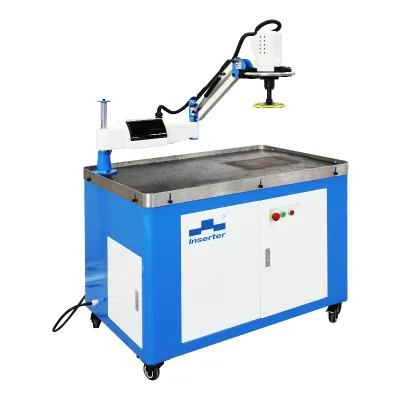
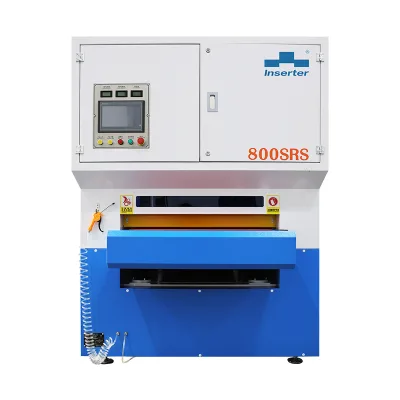


Efficient Deburring Machine for Engine Components with Certification
$35000.00 - $40000.00
MOQ: 1 Sets


$5650.00 - $6180.00
MOQ: 1 Pieces
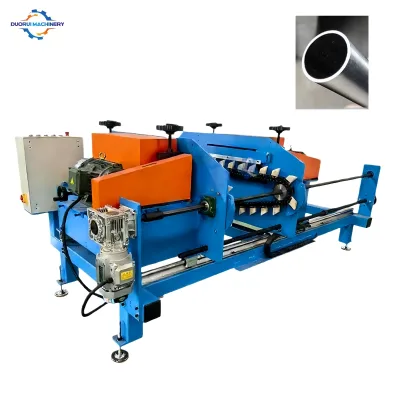

Reliable Heavy-Duty Deburring Machine for Advanced Polishing Solutions
$5000.00 - $8000.00
MOQ: 1 Pieces

High-Performance Deburring Machine for Long-Term Use in Polishing Tasks
$8000.00 - $20000.00
MOQ: 1 Pieces

Automatic Deburring Machine - Advanced Sanding Equipment Drs-1000ss
$5000.00 - $18000.00
MOQ: 1 Pieces

Factory Price High-Performance Deburring Machine 7.5-22kw CNC Grinding Machine
$6000.00 - $12000.00
MOQ: 1 Pieces

Automatic Deburring Machine for Laser Cutting Edge Rounding Machine
$18000.00 - $22000.00
MOQ: 1 Pieces


High Speed Automatic Polishing Deburring Machine for Various Metal Thicknesses
$8000.00 - $25000.00
MOQ: 1 Sets


Comprehensive Sourcing Guide
Strategic Sourcing Guide for Automatic PLC Deburring Machines
The industrial landscape for metal finishing and edge treatment has increasingly shifted toward automation, driven by the need for consistent quality, reduced labor costs, and enhanced operator safety. At the heart of this transition lies the Automatic PLC Deburring Machine, a sophisticated piece of equipment designed to remove sharp edges, burrs, and imperfections from metal workpieces with high precision. For procurement professionals, navigating the market for these machines requires a disciplined approach that balances technical specifications with rigorous supplier evaluation. This guide provides a structured framework for sourcing these critical assets, focusing on the evidence available in current market listings while applying standard industry knowledge to ensure a robust procurement strategy.
Technical Architecture and Core Component Analysis
The operational integrity of an automatic deburring machine relies heavily on its internal architecture. When evaluating potential units, buyers must scrutinize the core components that drive the system. In the current market, high-confidence data indicates that reliable units typically integrate a Programmable Logic Controller (PLC) as the central brain of the operation. This PLC manages the sequence of operations, ensuring synchronization between the conveyor speed, grinding heads, and vacuum systems. Beyond the controller, the mechanical drive system is critical; observed specifications frequently list the Engine, Gearbox, Motor, and Pump as essential core components. The presence of a Pressure Vessel in some configurations suggests advanced fluid handling or dust extraction capabilities, which are vital for maintaining a clean working environment.
Power distribution is another area requiring detailed verification. Discrepancies in listed power ratings can be common across different listings, with some units citing a total power of 3.86 kW while others indicate significantly higher consumption, such as 49.22 kW. This variance often reflects the difference between the main drive motor and the aggregate power of all auxiliary systems, including vacuum pumps and multiple grinding heads. Buyers should specifically look for the power rating of the Grinding Head, which is a critical performance metric. Data points show grinding head power ranging from 0.75 kW to 2 kW, directly influencing the machine's ability to handle different material hardnesses. Furthermore, the conveyor speed is a key variable for throughput; observed ranges span from 0.8 to 5 meters per minute, allowing for customization based on the specific production rate required. Understanding these electrical and mechanical parameters is the first step in ensuring the machine matches the facility's power infrastructure and production demands.
Operational Specifications and Workpiece Compatibility
The physical capabilities of the deburring machine determine its suitability for specific production lines. A primary consideration is the working thickness range. Market data presents a wide spectrum of capabilities, with some units designed for thin materials in the 0-50 mm range, while others accommodate a broader spectrum of 1-150 mm or 0.5-100 mm. Procurement teams must align these specifications with the actual inventory of workpieces to avoid under-specification or unnecessary over-engineering. Similarly, the maximum working width is a critical dimension. Listings indicate maximum widths of 1000 mm and 1280 mm, defining the largest cross-section the machine can process in a single pass.
The vacuum system is another operational pillar. A Vacuum Air Volume of 1000 m³/h is a specific observation that highlights the machine's capacity for dust extraction and workpiece stabilization. This is particularly important when processing materials like Aluminum, Stainless Steel, and Carbon Steel, which generate significant particulate matter. The machine size itself must also be accommodated within the factory floor plan. Dimensions such as 12507501500 mm or larger configurations like 330016502200 mm are observed, necessitating careful spatial planning. Additionally, the Size Of Vacuum Adsorption Platform, noted as 300*300 mm in some models, dictates the footprint of the holding mechanism. Buyers should verify if the platform size is adjustable or fixed, as this impacts the versatility of the machine when handling non-standard workpiece geometries. The weight of the machine, ranging from 4500 kg to 5000 kg in heavy-duty models, also influences foundation requirements and logistics planning for installation.
Compliance, Certification, and Safety Standards
In the global B2B market, compliance is not merely a formality but a prerequisite for market access and operational safety. The most frequently observed certifications for these machines include CE and ISO. The CE marking indicates conformity with health, safety, and environmental protection standards for products sold within the European Economic Area, while ISO certification suggests adherence to international quality management standards. When evaluating a supplier, buyers must request valid, current certificates rather than relying on generic claims. The "High Safety Level" is often cited as a key selling point, which should be substantiated by the presence of safety interlocks, emergency stop mechanisms, and proper guarding around the grinding heads.
Furthermore, the machinery test report is a critical document that provides evidence of the machine's performance under controlled conditions. The availability of a provided machinery test report is a strong indicator of a supplier's transparency and quality assurance processes. This report should detail the results of stress tests, power consumption verification, and safety function checks. Buyers should also verify the origin of the machine, as production locations such as Shandong, China, and Guangdong, China, are noted in current listings. While these regions are major manufacturing hubs, the specific origin can influence shipping logistics, warranty service accessibility, and compliance with local import regulations. It is essential to confirm that the "Condition" is explicitly "New" and that any "Customization" options are clearly defined in the contract to ensure the machine meets the unique requirements of the buyer's facility.
Cost Drivers and Procurement Economics
The pricing of automatic PLC deburring machines is influenced by a complex matrix of factors, including the complexity of the PLC programming, the quality of core components, and the scale of the machinery. The observed price range in the market spans from 2100 to 50,000 USD, a wide disparity that reflects the difference between basic manual-assist units and fully automated, high-capacity systems. Several variables drive these costs. First, the number of Grinding Heads is a significant cost driver; units with 2 heads offer more coverage but at a higher price point than single-head configurations. Second, the power rating of the motors and the capacity of the vacuum system directly correlate with the manufacturing cost and, consequently, the selling price.
The Minimum Order Quantity (MOQ) is another economic factor to consider. Current data indicates an MOQ of 1 for many suppliers, suggesting that these machines are often sold as single items rather than requiring bulk purchases. This flexibility is advantageous for small to medium-sized enterprises looking to automate a single line. However, buyers must also consider the cost of consumables, such as Wide Abrasive Belts and Abrasive Barrels. The quantity of abrasive barrels per set, observed as 6 or 8 units, represents a recurring operational expense that should be factored into the total cost of ownership. Additionally, the "Selling Units" being listed as a "Single item" implies that the transaction is typically a direct purchase of the machine, but buyers should negotiate for bundled consumables or spare parts to optimize long-term costs. The warranty period, typically 1 Year, is a standard industry offering, but the scope of this warranty—whether it covers labor, parts, or both—can significantly impact the financial risk of the procurement.
Supplier Evaluation and Quality Assurance Protocols
Selecting the right supplier is as critical as selecting the right machine. The market features a variety of manufacturers, with brand names like "GYD" and "Inserter" appearing in listings, alongside generic model numbers such as GYMP162, SGP1000, and RMD-150. Buyers should avoid naming specific suppliers as the definitive choice but should instead develop a rigorous evaluation framework. A key aspect of supplier evaluation is the verification of the "Place of Origin." While China is a dominant manufacturing hub, the specific province (Shandong vs. Guangdong) can indicate different supply chain ecosystems and logistical advantages.
Quality assurance should extend beyond the initial purchase. The availability of a "Machinery Test Report" is a strong signal of a supplier's commitment to quality. Buyers should request this report before finalizing the order to ensure the machine meets the claimed specifications. Additionally, the "Condition" of the machine must be verified as "New," and any "Customization" requests should be documented in writing. The "Key Selling Points" such as "Competitive Price" or "High Safety Level" should be treated as claims that require validation through third-party testing or reference checks from existing clients. Buyers should also inquire about the "Standard" of the machine, with some listings referencing standards like 4000 KGS or 5000 KG, which likely refer to load-bearing capacities or packaging standards. Ensuring that the supplier can provide a comprehensive after-sales support plan, including training and maintenance schedules, is essential for minimizing downtime.
Long-Term Procurement and Operational Sustainability
The acquisition of an Automatic PLC Deburring Machine is a long-term investment that requires careful consideration of future operational needs. The "Total Power" and "Grinding Head Power" ratings are not just static numbers; they determine the energy efficiency and operational cost of the machine over its lifespan. As energy costs fluctuate, a machine with a lower total power consumption, such as 3.86 kW, may offer significant savings compared to higher consumption models, provided it meets the throughput requirements. The "Working Thickness Range" and "Maximum Working Width" should be selected with an eye toward future product lines. A machine that can handle a thickness range of 1-150 mm offers more flexibility than one limited to 0-50 mm, potentially extending the machine's useful life as the product mix evolves.
Maintenance is another critical long-term consideration. The "Consumables" list, including abrasive belts and barrels, indicates the recurring nature of the maintenance required. The "Quantity Of Abrasive Barrels Per Set" (6 or 8) suggests a specific maintenance cycle that must be integrated into the production schedule. Buyers should also verify the "Machine Weight" and "Dimensions" to ensure that the installation site remains suitable for future expansions or reconfigurations. The "Warranty" of 1 Year provides a baseline for protection, but buyers should consider purchasing extended service contracts or spare parts packages to mitigate the risk of unexpected failures. Finally, the "Condition" of the machine upon delivery should be meticulously inspected to ensure it matches the "New" status promised, preventing early wear and tear issues. By focusing on these long-term factors, buyers can ensure that their investment in an Automatic PLC Deburring Machine delivers sustained value and operational efficiency.
FAQs
What core components drive an Automatic PLC Deburring Machine?
These machines typically integrate a PLC, engine, gearbox, motor, pump, and pressure vessel as core components. Some configurations may also include bearings, ensuring synchronized operation between the conveyor speed and grinding heads for consistent edge treatment.
Which working thickness ranges are supported by these units?
Supported thickness ranges vary by model, with observed capabilities spanning from 0 to 50 mm up to 1 to 150 mm. Buyers must align these specifications with their actual inventory to ensure the machine can process their specific workpiece dimensions without under-specification.
How is the vacuum system configured for dust extraction?
A specific vacuum air volume of 1000 cubic meters per hour is observed in current listings to handle dust extraction. This capacity is vital for stabilizing workpieces and maintaining a clean environment when processing materials like aluminum, stainless steel, and carbon steel.
What certifications are commonly required for these industrial machines?
CE and ISO certifications are the most frequently observed standards for these units in the global market. These marks indicate conformity with health, safety, and environmental protection standards, which are prerequisites for market access and operational safety in many regions.
Can buyers find machines with customizable features available?
Yes, customization is available for many models to meet unique facility requirements. Buyers should verify the scope of customization in the contract and ensure the condition is explicitly new to guarantee the machine meets specific production line needs.
What is the typical minimum order quantity for these machines?
The minimum order quantity is often 1 unit, allowing for single-item purchases rather than bulk requirements. This flexibility supports small to medium enterprises looking to automate a single line without needing to commit to large inventory volumes upfront.