Source FDA Organic Silicone Rubber Products for Seals, Appliances, and Electronics
Find 30 FDA Organic Silicone Rubber Products suitable for shaft seals, household appliances, and electronic components. Compare specifications including hardness, temperature resistance, and customization options to identify the right material for your industrial or consumer needs.
Key considerations
Products List


OEM Silicone Rubber Products with FDA Certification
$0.02 - $0.02
MOQ: 10000 Pieces
Ningbo Beilun Hengnai Fluorine & Plastic Production Co., Ltd.

FDA Molded Silicone Rubber Products From China Manufacturer
$0.09 - $0.09
MOQ: 10000 Pieces
Ningbo Beilun Hengnai Fluorine & Plastic Production Co., Ltd.

Colored Custom Molded Silicone Rubber Products
$0.15 - $0.50
MOQ: 1000 Pieces
Ningbo Beilun Hengnai Fluorine & Plastic Production Co., Ltd.


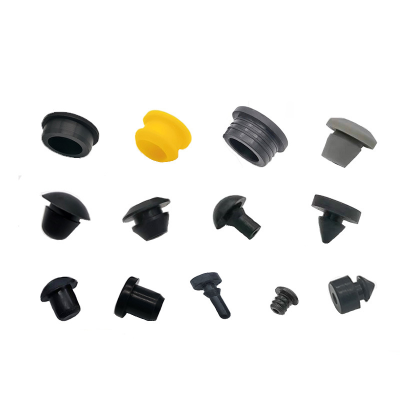


Comprehensive Sourcing Guide
FDA Organic Silicone Rubber Products Sourcing Guide
Procuring FDA Organic Silicone Rubber Products requires a disciplined approach to distinguishing between general industrial silicone and formulations specifically validated for food contact and medical applications. The market offers a wide spectrum of silicone solutions, ranging from basic sealing components to complex molded parts for household appliances and automotive systems. Buyers must first establish whether their specific use case demands strict compliance with food safety regulations or if general industrial durability is sufficient, as this distinction dictates the necessary certification verification and material testing protocols.
The sourcing landscape for these materials is characterized by a high degree of customization, with suppliers frequently offering tailored solutions based on customer designs and specific performance requirements. While many listings indicate a broad range of applications including car parts, hardware, and electronic components, the critical differentiator for FDA-grade products is the explicit confirmation of material safety and the absence of harmful leachables. Buyers should prioritize suppliers who can demonstrate a clear lineage from raw material to finished product, ensuring that the "organic" designation aligns with the intended regulatory environment of the final application.
Product Scope and Observed Listing Signals
The observed product listings reveal a diverse range of silicone rubber items, including shaft seals, O-rings, and custom-molded components designed for environments ranging from extreme cold to high heat. These products are frequently described with specific performance attributes such as temperature resistance between -60℃ and 200℃, hardness levels spanning 30 to 90 Shore A, and cross-section shapes optimized for sealing efficiency. The scope extends to various manufacturing styles, including compression, injection, and extrusion processes, which allow for the production of multi-cavity molds capable of high-volume output with consistent quality.
Listing signals often highlight the versatility of these silicone products across multiple industries, including household electrical appliances, machinery, and industrial components. Buyers should note that while many suppliers offer standard models, the availability of customization is a dominant feature, with options for specific colors according to Pantone standards and tailored tolerances. The packaging methods observed, ranging from PE bags inside cartons to steel boxes, suggest that the products are designed for both protection during transit and specific storage requirements, which is a critical consideration for maintaining the integrity of the silicone material before installation.
Technical Specifications to Verify
When evaluating technical specifications, the working temperature range is a primary verification point, as the material must maintain its elasticity and sealing properties across the intended operational spectrum. The observed data indicates a capability to function from -60℃ to 200℃, but buyers must confirm that the specific batch or formulation meets these limits for their unique application, particularly in scenarios involving thermal cycling or prolonged exposure to extreme conditions. Hardness values between 30 and 90 Shore A provide a baseline for flexibility and durability, yet the exact durometer required depends on the mechanical stress the seal or component will endure in service.
Dimensional accuracy and mold life are equally critical technical factors that influence the long-term viability of the procurement. The observed mold life ranges from 500,000 to 1,000,000 cycles, suggesting a high level of durability in the tooling, but this metric must be correlated with the specific production volume and the complexity of the part geometry. Buyers should verify the drawing formats accepted by the supplier, such as PDF, IGS, STEP, CAD, and JPG, to ensure seamless integration of their design requirements into the manufacturing process. Additionally, the surface treatment methods, such as polishing, and the specific production style, whether compression or injection molding, must align with the desired finish and structural integrity of the final product.
Compliance and Safety Documentation
Compliance with FDA regulations is the cornerstone of sourcing organic silicone rubber products intended for food contact or medical applications. While the observed listings mention certifications such as CE, RoHS, UL, FDA, and REACH, buyers must explicitly request and verify the specific FDA compliance documentation for the exact material grade being supplied. It is essential to distinguish between general silicone products and those specifically formulated and tested to meet FDA 21 CFR standards, as not all silicone rubber products listed with broad certifications automatically qualify for food-grade applications.
Beyond FDA compliance, the presence of other safety certifications like REACH and RoHS indicates a commitment to environmental and chemical safety, which is increasingly important for global supply chains. Buyers should ensure that the supplier provides a Certificate of Analysis (CoA) or a Declaration of Conformity that explicitly references the relevant regulatory standards for the intended market. The verification process should include checking for the absence of harmful substances and confirming that the material does not leach into food or beverages, which is a non-negotiable requirement for products used in household appliances or direct food contact scenarios.
Cost Drivers and Commercial Terms
The cost of FDA Organic Silicone Rubber Products is influenced by several key drivers, including the complexity of the mold design, the volume of the order, and the specific material grade required for compliance. The observed lead times of 5 to 20 days or 5 to 30 days based on order quantity suggest that production scheduling and material availability are significant factors in pricing. Buyers should anticipate that higher customization levels, such as specific Pantone colors or unique cross-section shapes, may incur additional tooling costs and longer lead times, which should be factored into the total cost of ownership.
Commercial terms regarding payment and shipment are critical components of the procurement agreement that can impact cash flow and logistics planning. The observed payment terms are often negotiated, indicating flexibility that buyers can leverage to secure favorable conditions based on their order volume and relationship with the supplier. Shipment methods, including sea, air, or express delivery, offer various trade-offs between speed and cost, and the choice should be aligned with the urgency of the project and the sensitivity of the silicone material to environmental conditions during transit. Understanding these variables allows buyers to optimize their procurement strategy for both cost efficiency and supply chain reliability.
Supplier Qualification and Quality Control
Supplier qualification for silicone rubber products requires a thorough assessment of their manufacturing capabilities and quality control systems. The observed manufacturing processes, such as pressing forming molds and the use of silicone molds, highlight the technical expertise required to produce consistent results. Buyers should verify the supplier's experience with high-volume production, as indicated by the observed mold life of up to one million cycles, and ensure that their quality control protocols include rigorous testing for hardness, temperature resistance, and dimensional tolerance.
Quality control extends beyond the manufacturing floor to include the verification of raw materials and the final product inspection. The ability of a supplier to provide detailed drawing formats and adhere to standard or non-standard specifications is a strong indicator of their technical competence. Buyers should also evaluate the supplier's warranty offerings, such as the observed 5-year warranty, as a measure of their confidence in the product's durability and performance. Establishing a clear communication channel for addressing defects or deviations is essential for maintaining the integrity of the supply chain and ensuring that the silicone products meet the required safety and performance standards.
Long-Term Procurement Checks
Long-term procurement success with FDA Organic Silicone Rubber Products depends on establishing a robust framework for ongoing quality assurance and supplier performance monitoring. Buyers should implement regular audits of the supplier's manufacturing processes and quality control records to ensure continued compliance with FDA and other relevant standards. This proactive approach helps to identify potential issues before they impact production and ensures that the supplier remains capable of meeting the evolving demands of the market and regulatory landscape.
The dynamic nature of the silicone rubber industry necessitates periodic reviews of the product specifications and material formulations to ensure they remain optimal for the intended application. Buyers should maintain open dialogue with suppliers regarding any changes in raw material sources, manufacturing techniques, or regulatory requirements that could affect the product's performance. By fostering a collaborative relationship and maintaining a clear record of all technical and compliance documentation, buyers can secure a reliable supply of high-quality silicone rubber products that meet their long-term operational and safety needs.
FAQs
What certifications do these silicone rubber products hold?
These products hold FDA, CE, RoHS, and REACH certifications for safety and compliance. They also meet ISO/TS 16949 standards for quality management. This ensures suitability for household appliances and electronic components. Buyers can verify specific documentation upon request to confirm regulatory adherence for their target markets.
What is the working temperature range for these seals?
The working temperature range is from -60°C to 200°C. This wide range ensures stability in various environments. The material is silicone rubber, providing reliable performance. It is suitable for applications requiring resistance to extreme heat or cold. This makes it ideal for automotive and industrial hardware uses.
Can these products be customized for specific designs?
Yes, customization is available for specific designs. Buyers can provide drawings in PDF, IGS, STEP, CAD, or JPG formats. The manufacturer supports OEM and ODM services. This allows for tailored solutions for unique hardware or appliance needs. Customization ensures the product fits exact application requirements precisely.
What is the typical lead time for orders?
The typical lead time is 5 to 30 days based on order quantity. This range depends on the volume and complexity of the request. Standard orders may be processed faster than custom ones. Buyers should confirm specific timelines with suppliers to align with production schedules. This ensures timely delivery for project requirements.
What are the main advantages of these silicone rubber parts?
The main advantages include durability, oil resistance, and ozone resistance. They are also safe and stable for long-term use. The hardness ranges from 30 to 90 Shore A. This flexibility allows for effective sealing in various applications. These properties make them suitable for automotive and household appliance components.
What packaging options are provided for these products?
Packaging options include PE bags inside and cartons outside. Some items may be packed in steel boxes for extra protection. Others use polybags then into cartons for standard shipping. This ensures safe transport and prevents damage during logistics. Buyers can specify preferred packaging methods to meet their storage needs.