Source Automatic Poultry Scalder and Plucker Set for Chicken, Duck, Goose
Compare 30 Automatic Poultry Scalder and Plucker Set options from verified suppliers. These units feature stainless steel construction, varying capacities from 20kg to 13,000 birds per hour, and customizable configurations for efficient poultry defeathering.
Key considerations
Products List

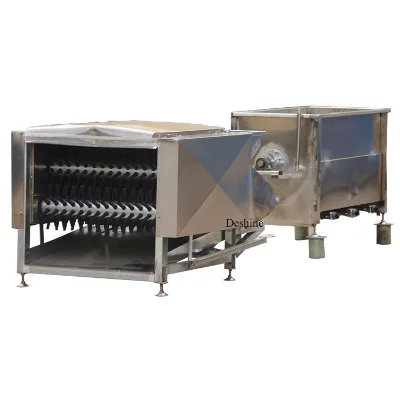
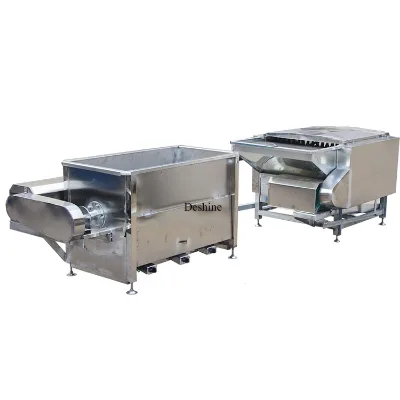


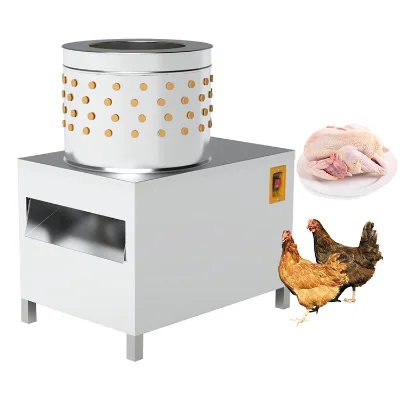
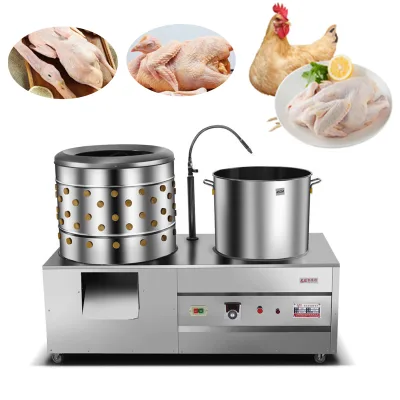
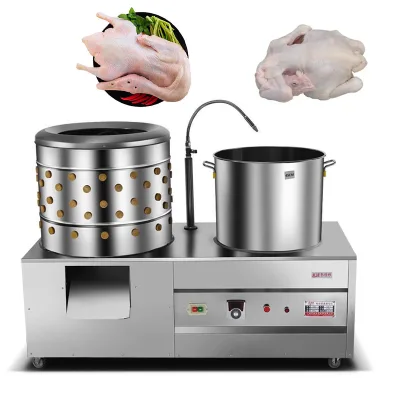

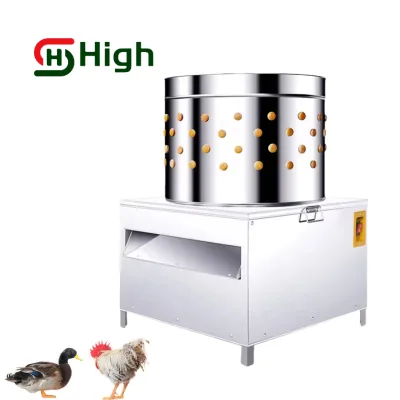


Automatic Plucker Machines and Scalding for Duck, Poultry Slaughtering Line
$10000.00 - $90000.00
MOQ: 1 Sets

Duck Plucker/Chicken Scalding Machine, Scalder for Poultry Chicken Slaughterhouse
$10000.00 - $90000.00
MOQ: 1 Rolls


Chicken Plucker Scalder/Poultry Plucker/Poultry Scalding Plucking Machine
$140.00 - $160.00
MOQ: 1 Pieces
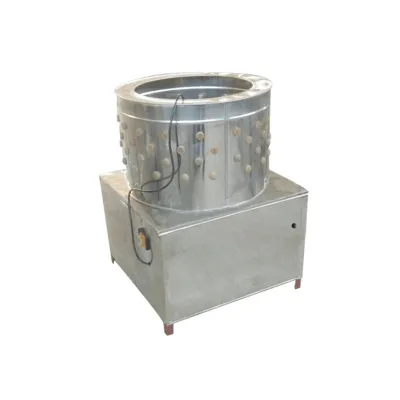
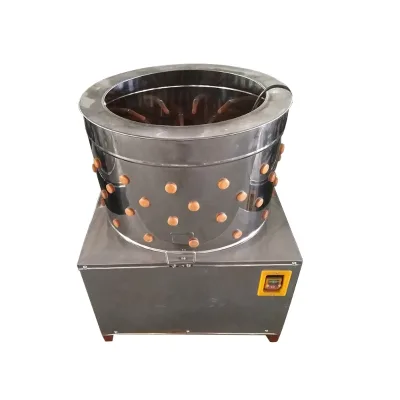
China 30/40 Mini Chicken Pluckers Poultry Equipment Plucker and Scalder
$100.00 - $109.90
MOQ: 10 pieces


Comprehensive Sourcing Guide
Strategic Sourcing Guide for Automatic Poultry Scalder and Plucker Sets
The global demand for automated poultry processing equipment has driven significant innovation in defeathering and scalding technologies. For procurement professionals seeking an Automatic Poultry Scalder and Plucker Set, the decision-making process requires a rigorous examination of technical specifications, operational capacity, and compliance standards. This guide synthesizes available market data to provide a structured approach for sourcing these critical assets. The focus remains on evidence-based attributes observed in current listings, ensuring that buyers can make informed decisions without relying on unverified claims or speculative market figures.
Technical Specifications and Operational Capacity
Understanding the precise technical parameters of a scalder and plucker set is the foundational step in any procurement strategy. The machinery must align with the specific volume and species requirements of the processing facility. Current market data indicates a wide variance in capacity, ranging from small-batch operations to high-throughput industrial lines. For instance, specific models are documented with a capacity of 20kg per batch, suitable for smaller or pilot-scale operations. In contrast, other configurations in the same category offer capacities between 300 to 400 pieces per hour, while high-end automated lines can reach up to 13,000 birds per hour (bph).
Power consumption is another critical variable. Listings show power ratings ranging from 2.2kW to 3kW, with voltage requirements varying between 220V and 380V. Buyers must verify that their facility's electrical infrastructure can support the specific voltage of the selected unit. The physical dimensions also vary significantly; one observed model measures 1600mm in length, 1200mm in width, and 1000mm in height, while another set of dimensions is listed as 7674101cm, likely referring to a component or a different packaging standard. The weight of the machinery is substantial, with some units weighing up to 200kg, necessitating robust floor support and careful logistics planning.
The core functional components often include a high-quality motor, which is essential for the consistent rotation of plucking rollers. A standard configuration for chicken plucking machines includes seven rubber rollers, designed to efficiently remove feathers without damaging the skin. The plucking time for a single batch is typically around 45 seconds, a metric that directly impacts the throughput of the entire line. The material composition is predominantly stainless steel, with specific mentions of 304 Stainless Steel and galvanized options, ensuring resistance to corrosion and meeting food safety hygiene standards.
Compliance, Certification, and Safety Standards
In the food processing industry, regulatory compliance is non-negotiable. When sourcing an Automatic Poultry Scalder and Plucker Set, buyers must prioritize equipment that adheres to international safety and quality standards. Available data points to the presence of ISO and CE certifications for certain models, which are vital for export markets and domestic regulatory compliance in many regions. These certifications indicate that the machinery has undergone testing for electrical safety, mechanical integrity, and material safety.
However, it is crucial to note that not all listed products come with a machinery test report. Some suppliers may not provide these documents, leaving the verification of performance metrics to the buyer. Therefore, procurement teams should explicitly request test reports and certification documents before finalizing a purchase. The absence of a test report does not necessarily indicate a defect, but it requires a more rigorous due diligence process to ensure the equipment meets the facility's specific safety requirements.
Furthermore, the packaging standards are a key component of compliance for international shipping. Products are often packed in fumigation-free wooden frames or wooden boxes designed to meet export standards. This packaging protects the machinery during transit and ensures that it complies with international phytosanitary regulations. Buyers should verify that the packaging details explicitly state compliance with the destination country's import requirements to avoid delays at customs.
Cost Drivers and Financial Considerations
The cost of an Automatic Poultry Scalder and Plucker Set is influenced by several factors, including capacity, automation level, and material quality. The observed price range in the market spans from $100 to $100,000 USD, reflecting the vast difference between small-scale units and fully automated industrial lines. This wide range underscores the importance of defining the exact operational needs before requesting quotes. A unit with a capacity of 500 bph will naturally cost significantly less than a line capable of 13,000 bph.
Material costs are a primary driver of price. The use of 304 stainless steel, which offers superior corrosion resistance compared to standard steel, often commands a higher price point. Similarly, the inclusion of advanced automation features, such as automatic feeding and discharge systems, adds to the overall cost. The supply ability of the manufacturer also plays a role; a supplier offering 200 sets per month may have different pricing structures compared to a smaller workshop.
Buyers should also consider the total cost of ownership, which includes installation, maintenance, and energy consumption. While the initial purchase price is a significant factor, the long-term operational costs, such as electricity usage (determined by the kW rating) and the frequency of part replacements, are equally important. The warranty period, typically one year for many units, provides a baseline for risk mitigation, but buyers should negotiate terms that cover critical components like the motor.
Typical Applications and Versatility
The versatility of automatic poultry scalder and plucker sets makes them suitable for a variety of applications within the poultry industry. The primary application is the defeathering of poultry, specifically chickens, ducks, and geese. Some advanced models are designed to handle a broader range of birds, including quail, making them ideal for facilities that process multiple species. The ability to customize the machine allows suppliers to tailor the equipment to specific processing lines, whether for complete slaughter lines or standalone units.
The application extends beyond simple defeathering. These machines are often integrated into complete slaughter lines, where they work in tandem with scalders, eviscerators, and washing units. The "Complete Slaughter Line" capability suggests that the equipment is designed to be a modular component of a larger system. This integration is crucial for maintaining a smooth workflow and minimizing bottlenecks in the processing facility.
For buyers considering the application of these machines, it is essential to match the machine's capacity to the daily processing volume. A machine with a capacity of 300-400 pieces per hour may be insufficient for a large-scale operation but perfect for a local processing center. Conversely, a machine capable of 13,000 bph is necessary for high-volume industrial plants. The "Easy To Operate" feature highlighted in many listings suggests that the user interface and control systems are designed to minimize the training required for operators, which is a significant advantage for facilities with high staff turnover.
Supplier Evaluation and Selection Criteria
Selecting the right supplier is as critical as selecting the right machine. Buyers should evaluate suppliers based on their production capacity, supply ability, and track record. A supplier with a supply ability of 200 sets per month demonstrates a robust manufacturing capability, which is essential for meeting large orders and ensuring timely delivery. The location of the supplier, often cited as Henan, China, provides insight into the manufacturing hub and potential logistics advantages.
The availability of after-sales support is another key criterion. Suppliers that offer video outgoing-inspection services allow buyers to verify the condition and functionality of the machine before shipment. This transparency reduces the risk of receiving defective equipment. Additionally, the warranty terms, typically one year, should be clearly defined, including what components are covered and the process for claiming warranty service.
Buyers should also assess the customization capabilities of the supplier. The "Customized Machine" advantage indicates that suppliers can modify the equipment to meet specific client requirements, such as adjusting dimensions, capacity, or automation levels. This flexibility is particularly valuable for facilities with unique processing needs or space constraints. The ability to pack the machine according to specific requests further demonstrates a supplier's commitment to customer satisfaction.
Quality Control and Long-Term Procurement Considerations
Quality control is paramount in the procurement of industrial machinery. Buyers should implement a rigorous inspection process that includes verifying the material composition, checking the mechanical integrity of the rollers, and testing the electrical systems. The use of stainless steel and galvanized materials should be confirmed through material certificates. For high-volume operations, the consistency of the plucking rate, which is claimed to be 99% for some models, must be validated through on-site testing.
Long-term procurement considerations involve planning for maintenance and scalability. The availability of spare parts, such as rubber rollers and motors, is crucial for minimizing downtime. Buyers should inquire about the lead time for spare parts and the supplier's ability to provide technical support for repairs. The condition of the machine, typically listed as "New," should be verified to ensure that no used or refurbished components are included without disclosure.
Furthermore, buyers should consider the potential for future expansion. If the facility plans to increase processing volume, the current machine should be scalable or easily replaceable with a higher-capacity model. The modular nature of many poultry processing lines allows for this flexibility. Finally, the environmental impact of the machinery, including water usage in scalding and energy consumption, should be evaluated to ensure alignment with sustainability goals.
Conclusion
Sourcing an Automatic Poultry Scalder and Plucker Set requires a balanced approach that weighs technical specifications, compliance requirements, and cost factors. By focusing on verified attributes such as capacity, material quality, and certification status, buyers can make informed decisions that align with their operational goals. The wide range of available options, from small batch units to high-throughput industrial lines, ensures that there is a solution for every processing need. However, the absence of universal test reports and the variability in supplier capabilities necessitate a thorough due diligence process. By prioritizing suppliers with robust supply abilities, clear warranty terms, and customization options, buyers can secure equipment that enhances efficiency and reliability in their poultry processing operations.
FAQs
What is the capacity range for these machines?
Capacity ranges from 20kg per batch to 13,000 birds per hour depending on the model. Small units suit pilot operations while high-end lines handle industrial volumes.
Which certifications are available for export compliance?
Some models hold ISO and CE certifications for international safety and quality standards. Buyers must verify specific documentation as not all products include machinery test reports.
Can the machine be customized for specific needs?
Yes, customized machines are available to meet specific processing line requirements. Suppliers can adjust dimensions, capacity, and automation levels based on client requests.
How long does the plucking process take per batch?
The plucking time is typically around 45 seconds for a single batch of poultry. This metric directly impacts the overall throughput efficiency of the processing line.
What material is used to construct the machine?
Machines are primarily constructed from 304 stainless steel or galvanized materials for corrosion resistance. This ensures compliance with food safety hygiene standards during operation.
Where are these machines manufactured and shipped from?
Products originate from Henan, China, with dispatch ports including Shanghai, Qingdao, and Guangzhou. Packaging is done in fumigation-free wooden frames to meet export standards.
What is the warranty period for the equipment?
The standard warranty period is one year for most units. Buyers should confirm if critical components like the motor are covered under this warranty term.