Source Automatic Sliding Door Motion Detector for Commercial, Exterior, and Garage
Find and compare 30 Automatic Sliding Door Motion Detector options for commercial, exterior, and garage applications. Evaluate models like D5 and DL6, featuring aluminum alloy or plastic construction, with certifications including CE and ISO, and remote control or induced opening types.
Updated
Key considerations
Products List


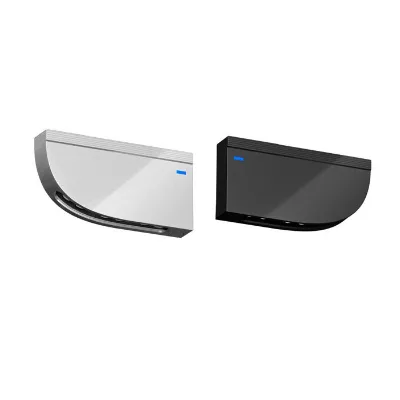
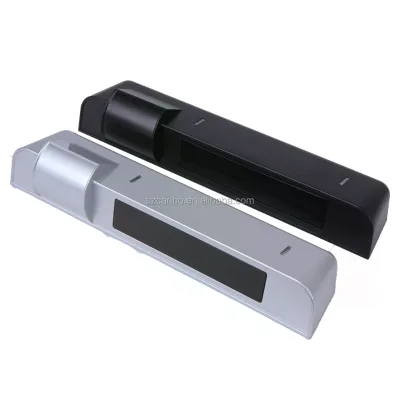
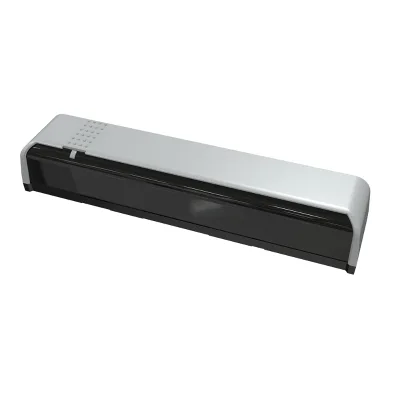
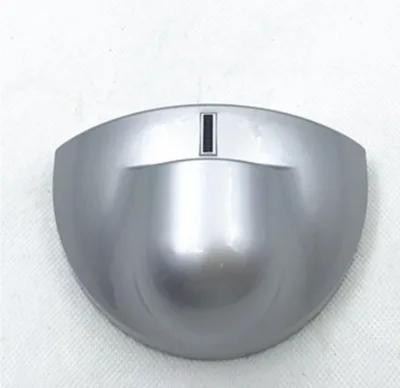
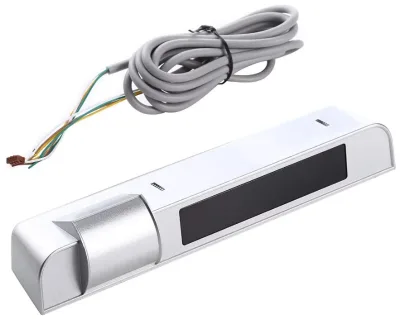



Factory Made High Speed Door Sensors Radar Motion Sensor Motion Detector
$45.00 - $55.00
MOQ: 1 Pieces


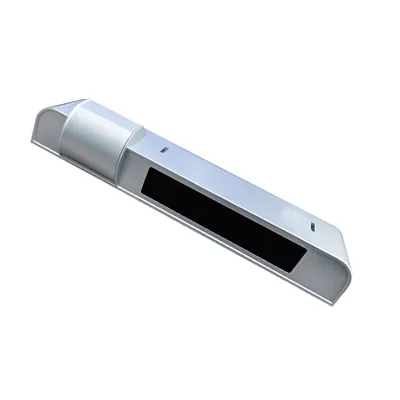
Sliding Motion Detector Motor Automatic Sensor Door Automatic Inductive Door
$68.00 - $75.00
MOQ: 10 Square Meters
Comprehensive Sourcing Guide
Automatic Sliding Door Motion Detector Sourcing Guide
Procuring automatic sliding door motion detectors requires a disciplined approach to aligning technical performance with commercial viability. Buyers must first establish clear operational parameters, distinguishing between interior commercial environments and exterior installations where weather resistance becomes critical. The observed market data indicates a diverse range of products, from simple induced opening mechanisms to complex microwave sensor systems, each serving distinct functional needs. Understanding these variations is essential for selecting the right component that integrates seamlessly with existing door hardware while meeting specific security and accessibility requirements.
The sourcing process also demands careful attention to supplier transparency and product documentation. With observed minimum order quantities ranging from one to fifty units and prices spanning from four point five to three hundred fifty US dollars, buyers encounter significant variability in both cost structure and production scale. This wide spectrum suggests that buyers should not assume uniform quality or feature sets across all listings. Instead, they must verify specific attributes such as material composition, certification status, and packing standards to ensure that the selected motion detector meets the intended application’s durability and regulatory demands.
Product Scope and Observed Listing Signals
The current market landscape for automatic sliding door motion detectors reveals a strong emphasis on aluminum alloy and plastic materials, with finished surface treatments being a common standard. Products are frequently categorized by their opening style, with sliding mechanisms dominating the commercial sector, while exterior applications often require induced opening types for enhanced security. Buyers should note that customization is widely available, allowing for tailored solutions that fit specific architectural constraints. The presence of remote control capabilities in some models further expands their utility in high-traffic or hard-to-reach installations, providing operational flexibility that static systems cannot offer.
Observed product models such as D5, DL6, and various 2064 series units demonstrate a variety of physical dimensions and packaging standards, ranging from standard cartons to specialized export packaging. Weight specifications, such as the two hundred twenty grams noted for certain models, provide insight into the build quality and material density, which can influence installation complexity and long-term durability. Buyers must carefully review these physical attributes to ensure compatibility with their existing door frames and mounting structures. The diversity in model numbers and standard sizes underscores the importance of verifying exact dimensions before placing orders to avoid integration issues during installation.
Technical Specifications to Verify
Technical verification begins with understanding the sensor technology and its operational limits. Microwave sensor switches operating at twenty-four gigahertz are observed, offering a maximum fixing height of four meters, which is suitable for high-ceiling commercial spaces. Buyers must confirm whether the system utilizes infrared range and communication systems or mixing systems, as these determine the detection accuracy and response time. Voltage requirements, typically ranging from twelve to twenty-four volts, are critical for ensuring compatibility with existing power supplies and control units. Incorrect voltage matching can lead to system failure or reduced lifespan, making this a non-negotiable verification step during the sourcing process.
Additional technical parameters include the IP protection level, with some units rated at IP54, indicating resistance to dust and water splashes, which is vital for exterior installations. The presence of NPN three-wire configurations in certain models suggests specific wiring requirements that must be accounted for during electrical planning. Buyers should also verify the function type, such as motion plus safety features, to ensure the detector meets safety standards for automated doors. These technical details are not merely optional preferences but fundamental requirements that dictate the system’s performance, reliability, and suitability for the intended environment.
Compliance and Safety Documentation
Compliance with international standards is a prerequisite for sourcing automatic sliding door motion detectors, particularly for commercial and exterior applications. The observed market includes products certified under CE, ISO 9001, and ISO CCC standards, indicating adherence to quality management and safety regulations. Buyers must verify that the supplier provides valid certification documents for each batch, as these are essential for customs clearance and regulatory approval in various jurisdictions. The presence of RoHS certification in some listings further suggests compliance with environmental standards regarding hazardous substances, which is increasingly important for sustainable procurement practices.
Beyond certifications, buyers should inquire about adherence to specific industry standards such as DIN 18650 and EN 16005, which govern the performance and safety of power-operated doors. Although these standards are listed as background context, their relevance to the final product’s compliance cannot be overstated. Buyers must ensure that the motion detector integrates safely with the door system, preventing accidents or malfunctions. Requesting test reports or compliance statements from the supplier is a critical step in mitigating liability and ensuring that the installed system meets all legal and safety requirements in the destination market.
Cost Drivers and Commercial Terms
Cost structures for automatic sliding door motion detectors are influenced by material choices, certification levels, and customization requirements. The observed price range of four point five to three hundred fifty US dollars reflects this variability, with higher prices typically associated with advanced features such as remote control, specific voltage configurations, or premium materials like aluminum alloy. Buyers should analyze the cost breakdown to understand what drives the price, whether it is the sensor technology, the IP rating, or the packaging standards. This analysis helps in negotiating better terms and avoiding overpayment for features that may not be necessary for the specific application.
Minimum order quantities, ranging from one to fifty units, offer flexibility for both small-scale projects and large commercial installations. Buyers should leverage this range to negotiate favorable terms, especially when combining orders for multiple models or accessories. The origin of the products, primarily from China and specifically Hangzhou, provides insight into the supply chain dynamics and potential logistics costs. Understanding these commercial terms allows buyers to plan their inventory and cash flow more effectively, ensuring that they can meet project deadlines without incurring unnecessary storage or expedited shipping fees.
Supplier Qualification and Quality Control
Supplier qualification is a critical step in ensuring the reliability of automatic sliding door motion detectors. Buyers should verify the supplier’s production capabilities, focusing on their ability to maintain consistent quality across batches. The observed use of standard export packing and specific carton types indicates a level of professionalism in handling and shipping, which reduces the risk of damage during transit. Buyers should request samples to test the physical attributes, such as weight and material finish, before committing to larger orders. This hands-on verification helps in assessing the build quality and ensuring that the product meets the specified technical parameters.
Quality control processes should also include checks for certification validity and documentation accuracy. Buyers must ensure that the supplier can provide up-to-date certificates for CE, ISO, and RoHS standards, as these are essential for regulatory compliance. Additionally, verifying the supplier’s ability to handle customization requests is important for projects with unique requirements. Establishing a clear communication channel for addressing quality issues and returns is equally crucial, as it ensures that any defects or discrepancies can be resolved promptly, minimizing project delays and additional costs.
Long-Term Procurement Checks
Long-term procurement success depends on establishing a robust relationship with suppliers who can provide consistent quality and support. Buyers should implement regular audits or reviews of the supplier’s performance, focusing on delivery times, product consistency, and after-sales support. The observed variety in product models and standards suggests that suppliers may have a broad catalog, but buyers must ensure that the specific items they order remain in production and are not subject to sudden discontinuation. This stability is crucial for maintaining the operational integrity of automated door systems over time.
Furthermore, buyers should stay informed about updates in industry standards and regulations that may affect the compliance of their purchased products. As standards such as DIN 18650 and EN 16005 evolve, suppliers must adapt their products to remain compliant. Buyers should request notifications of any changes in product specifications or certifications to ensure that their installations continue to meet legal and safety requirements. By maintaining a proactive approach to supplier management and regulatory compliance, buyers can mitigate risks and ensure the long-term reliability of their Automatic Sliding Door Motion Detector systems.
FAQs
What certifications are available for automatic sliding door motion detectors?
Available certifications include CE, ISO, TUV, and RoHS. These standards ensure compliance with international safety and quality requirements. Buyers can verify specific documentation to meet regional regulatory needs. The presence of these marks indicates that the product has undergone rigorous testing for electrical safety and electromagnetic compatibility in commercial applications.
Can automatic sliding door motion detectors be customized for specific projects?
Yes, customization is available for many models. Buyers can request specific dimensions, colors, or functional adjustments to fit unique architectural requirements. This flexibility allows for seamless integration into existing structures. Custom options may affect lead times and minimum order quantities, so early consultation with suppliers is recommended to align specifications with production capabilities.
What is the typical weight and size of these motion sensors?
Weights vary by model, with some units measuring around 220g. Dimensions also differ, such as 120mm by 80mm by 50mm for certain types. These compact sizes facilitate easy installation in various door frames. Buyers should check specific product specifications to ensure the sensor fits their intended mounting location and structural constraints.
Which materials are used in manufacturing automatic sliding door motion detectors?
Common materials include aluminum alloy and plastic. Aluminum alloy offers durability and resistance to corrosion, suitable for exterior positions. Plastic variants provide lightweight alternatives for interior or less demanding environments. The choice of material impacts the product's lifespan and suitability for specific commercial or residential settings.
How does the remote control feature enhance security in sliding doors?
Remote control opening types allow for secure, contactless operation. This feature enhances security by reducing physical contact points and enabling controlled access. It is particularly useful in commercial settings where hygiene and safety are priorities. The system ensures that doors open only when authorized, preventing unauthorized entry while maintaining smooth traffic flow.
What is the origin and packaging standard for these detectors?
Products often originate from China, including specific regions like Hangzhou. Packaging standards include Sdt Carton, standard carton, or brown carton options. These packaging methods protect the sensors during transit and ensure they arrive in good condition. Buyers should confirm packaging details to meet their logistics and storage requirements.