China Mainland Steel Security Door Suppliers and Manufacturers
Explore 15 verified options for China Mainland Steel Security Door from Shanghai and Fujian. Compare response times, lead times, certifications, and product specifications like fire ratings and materials. Contact suppliers directly to request quotes and verify details; review the available evidence before requesting comparable quotations from suitable candidates.
Suppliers List

Shanghai Sunova Technology Co, Ltd
- Verified by SGS
- Trading Company
- China Shanghai
- Lead time30 days
- Avg. response≤ 4h
Main productsSteel Door, Fire Door, 3D Printer, Wood Door
Main marketsNorth America


Security Anti Theft Fireproof Metal Steel Security Door Steel Fire Door
$50.00 - $150.00
MOQ: 2 Square Meters


MINQING FULITONG INDUSTRIAL AND TRADING CO., LTD.
- Trading Company,Manufacturer/Factory
- China Fujian
- Lead time23 days
- Avg. response≤ 8h
Main productsSteel Door, Security Door, Aluminum Door, Glass Door, Melamine Door, Fireproof Door, Stainless Door, Copper Door, America Steel Panel Door
Main marketsSouth America,Mid East,North America,Africa

- Verified by CTI
- Trading Company,Manufacturer/Factory
- China Shanghai
- Lead time45 days
- Avg. response≤ 14h
Main productsVinyl/Lvt/Looselay/Dry Back/WPC Vinyl Floor, Engineered Wood/Hardwood Flooring/Wooden Floor, Spc Flooring/ABA Rigid Spc/ Wood Spc Flooring, WPC Decking/Wall Panel/Wall Cladding, Interior Door/Exterior Door/Fire Rated Door, Bamboo Floor/Laminate Floor/Parquet Floor, HDF Moulded Door/Wooden Door/Kitchen Cabinet, Cordless Drill, Angle Grinder, Electric Mixer
Main marketsSouth America,Eastern Europe,Mid East,North America,Southeast Asia,Eastern Asia,Oceania,Western Europe,Africa
Yongkang Jiahua Electronic & Mechanical Co., Ltd.
- Verified by SGS Group
- Manufacturer, Trading Company
- Lead time10 days
- Avg. response≤ 5h
Main productsWooden Door, Pivot Doors, WPC Doors, American Steel Doors, Security Doors
Main marketsNorth America(20%), South America(20%), Central America(15%)

- Verified by BV
- Combined
- China Zhejiang
- Lead time30 days
- Avg. response≤ 10h
Main productsInterior Door, PVC Door, Wooden Door, MDF Door, WPC Door, Panel Door, Glasses Door
Main marketsSouth America,Africa,Domestic,Europe,North America


Steel Security Doormain Gate Pricemain Doorteak Wood Double Door Designiron Door
$44.00 - $50.00
MOQ: 100 Pieces


Anhui Lagunas Doors and Windows Manufacture Co., Ltd.
- Manufacturer/Factory
- China Anhui
- Lead time15 days
- Avg. response≤ 6h
Main productsSteel Door, Wooden Door, Glass Door, Roller Shutter, Aluminium Window, UPVC Doors, UPVC Windows, Steel Windows, Solid Wood Doors, MDF Doors
Main marketsSouth America,Mid East,North America,Southeast Asia,Eastern Asia,Oceania,Western Europe,Africa

Sinlan Building Materials Limited
- Trading Company
- China Guangdong
- Lead time0 days
- Avg. response≤ 1h
Main productsBathroom Furniture Tile Trim Wash Basin, Faucet Shower Set Floor Drain Sink, Bathroom Hardware Accessories Floor Drain, Carpet Trim Bathtub Aluminum Tile Trim, Tile Leveling System Stainless Steel Tile Trim, PVC Trims Mosaic Swimming Mosaic, Aluminum Window Aluminum Door Sliding Window, Folding Door Casement Window, Sliding Door Fire Door UPVC Doors UPVC Window, Curtain Wall Entrance Door Skirting Boards

Factory Fire Door China Steel Security Doors Good Quality Entrance Metal Door
$119.00 - $150.00
MOQ: 1 Pieces

Factory Directly Supply Excellent Quality Price Fire Rated Steel Security Door
$119.00 - $150.00
MOQ: 1 Pieces

Huzhou Bogao Building Materials Co., Ltd.
- Trading Company,Manufacturer/Factory
- China Zhejiang
- Lead time23 days
- Avg. response≤ 1h
Main productsPVC Door, Wood Door, Wooden Stool, Eco-Gate, Custom Made Wooden Door, Bar Chairs, Custom Made for The Whole House
Main marketsSouth America,Eastern Europe,Mid East,North America,Southeast Asia,Eastern Asia,Oceania,Western Europe,Africa

Yong Kang Dike Import & Export Co., Ltd
- Trading Company
- China Zhejiang
- Lead time15 days
- Avg. response≤ 8h
Main productsSteel Door Steel Security Door WPC Door, PVC Door Wood Door Aluminum Door, Aluminum Bath Room Door. Steel School Door, Steel Hospital Door
Main marketsSoutheast Asia/ Mideast,North America


New China Manufacturer Steel Door Modern Steel Security Exterior Front Door
$50.00 - $90.00
MOQ: 1 Pieces

Security Steel Doors Front Entry Metal Door Exterior Door Waterproof High Quality From China
$80.00 - $150.00
MOQ: 1 Sets


Modern Exterior Door Main Designs Front Iron Doors Entrance Security Steel Door
$50.00 - $90.00
MOQ: 1 Sets

Modern Main Gate Aluminum Door Designs Front Doors Entrance Security Steel Door
$90.00 - $120.00
MOQ: 1 Sets

Zhejiang Tofine Commercial and Trade Co., Ltd.
- Verified by BV
- Trading Company
- China Zhejiang
- Lead time30 days
- Avg. response≤ 3h
Main productsDoor, Steel Door, Security Door, Steel Security Door, Metal Door, PVC Door, Melamine Door, Interior Door, Fire Door, Wooden Door
Main marketsSouth America,Africa,Southeast Asia/ Mideast,East Asia(Japan/ South Korea),Europe,North America

ZHEJIANG SUOFU LVJIAN INDUSTRIAL CO., LTD
- Verified by SGS
- Combined
- China Zhejiang
- Lead time30 days
- Avg. response≤ 13h
Main marketsAfrica


House Main Gate Design Latest Iron Main Door New Design, Security Door.
$52.00 - $68.00
MOQ: 200 Pieces

Nanchang Zhuohong Fire Equipment Co., Ltd.
- Verified by BV
- Combined
- China Jiangxi
- Lead time23 days
- Avg. response≤ 2h
Main productsFire Door, Steel Door, Fire Resistant Window, Aluminum Fire Resistant Window
Main marketsSoutheast Asia/ Mideast,Europe,North America


Safety Outer Steel Front Door Main Door Explosion-Proof Door Special Safety Door
$50.00 - $70.00
MOQ: 2 square meters


Hunan Lianxin Chi Tai Intelligent Doors And Windows Co., Ltd.
- Verified by BV
- Combined
- China Hunan
- Lead time45 days
- Avg. response≤ 1h
Main productsFolding Door, Hangar Doors, Fast Door, Garage Door
Main marketsAustralia


Heavy Duty Fireproof Security Door with Stainless Steel Design
$61.00 - $120.00
MOQ: 200 Square Meters


Premium Fireproof Stainless Steel Security Door for Ultimate Safety
$61.00 - $120.00
MOQ: 200 Square Meters

Zhejiang Sunstone E-Business Co., Ltd.
- Combined
- China Zhejiang
- Lead time30 days
- Avg. response≤ 4h
Main productsMelamine Wooden Door, Steel Door, Solid Wooden Door, Steel Wood Armored Door, Fire Proof Door, PVC Wooden Door, Copper Door, Stainless Steel Door, American Panel Steel Wooden Door, Waterproof WPC Door
Main marketsSouth America,Africa,Southeast Asia/ Mideast,Europe,North America

Shandong Guanteng Steel Plate Co., Ltd
- Verified by SGS
- Combined
- China Shandong
- Lead time30 days
- Avg. response≤ 4h
Main marketsAfrica


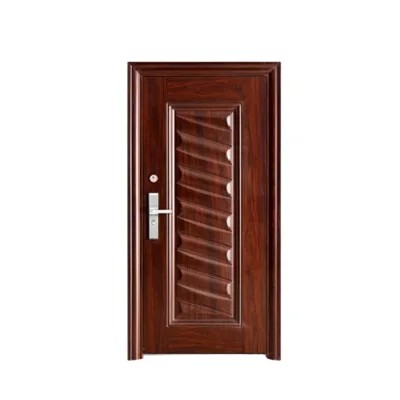
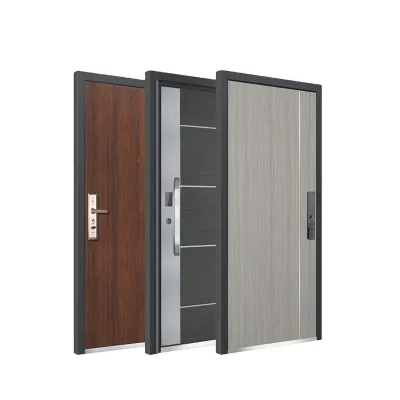


Comprehensive Sourcing Guide
China Mainland Steel Security Door Supplier Concentration and Factory Types
Current data indicates a concentration of suppliers in Shanghai, China, where specific entities list Steel Door, Fire Door, and 3D Printer as main products. These Shanghai-based operations are identified as Trading Companies, suggesting a model that aggregates goods rather than solely manufacturing them on-site. Another cluster appears in Fujian, where suppliers offer a broader range including Aluminum Door, Glass Door, and Copper Door alongside Steel Security Door. This Fujian group includes both Trading Companies and Manufacturer/Factory types, indicating a mixed supply chain structure in that region. The presence of ODM and OEM capabilities in Shanghai suggests these entities can handle custom design requests, while Fujian suppliers explicitly list OEM capacity. Buyers should verify if a supplier is a direct factory or a trading intermediary by checking their company type designation, as this impacts pricing and communication flow.
When evaluating the concentration of these suppliers, it is crucial to distinguish between pure trading entities and those with manufacturing roots. The Shanghai cluster shows a strong focus on steel and fire-rated products, whereas the Fujian location demonstrates versatility with materials like aluminum and copper. This regional split implies that sourcing strategies might differ based on the specific material requirements of the project. A buyer seeking a specialized fire door might find the Shanghai concentration more relevant, while a project requiring mixed material security doors could benefit from the Fujian supplier base. However, without explicit factory floor verification, the distinction remains a critical due diligence step. Buyers must confirm the actual production location to ensure the claimed capabilities align with the physical manufacturing environment, especially when dealing with complex steel security door specifications.
How to Verify China Mainland Steel Security Door Suppliers
Verification processes for China Mainland Steel Security Door suppliers rely heavily on third-party audit results and specific credential checks. One observed supplier in Shanghai holds an SGS verification status, which serves as a tangible proof point for their operational legitimacy. In contrast, a supplier in Fujian displays ISO 9001 system certification, indicating adherence to international quality management standards. These certifications are not universal; not every supplier in the search results will display an SGS badge or an ISO certificate. Buyers must actively look for these specific labels in the supplier profile rather than assuming they are present. The absence of a visible certification does not necessarily disqualify a supplier, but it requires the buyer to request physical copies of audit reports or certificates before proceeding with an order.
Beyond certifications, response time and verification status provide immediate indicators of supplier reliability. The Shanghai supplier data shows a response time of 3.10, suggesting a high level of engagement and readiness to communicate. Conversely, the Fujian supplier lists a response time of 7.28, which may indicate a different operational tempo or staffing structure. These metrics should be used as comparative tools rather than absolute pass/fail criteria. Buyers should also check for the presence of escrow services, which protect payment until goods are delivered, though this specific feature is not explicitly detailed in the current product evidence. To ensure safety, buyers must verify that the supplier's claimed verification status matches the official records of the certifying body. Relying solely on the platform's badge without independent confirmation can lead to significant procurement risks.
What to Compare Across China Mainland Steel Security Door Suppliers
Comparing suppliers requires a detailed analysis of lead times, minimum order quantities, and pricing structures. The Shanghai supplier data indicates a lead time of 30 days, while the Fujian supplier offers a faster 23-day turnaround. These differences are significant for project scheduling and inventory planning. Minimum order quantities also vary, with one product listing an MOQ of 9 units and another requiring 50 units. Buyers must align these thresholds with their actual volume needs to avoid unnecessary capital tie-up or stockouts. Price ranges further complicate the comparison, with some products listed between 69.00 and 89.00, while others range from 128.00 to 198.00. These price points reflect differences in material quality, insulation levels, and security ratings, necessitating a clear definition of requirements before comparison.
Material specifications and customization options are equally critical dimensions for comparison. One product line offers fully insulated doorsets with materials like Steely and Steel-Wood, while another provides partially insulated options with similar material compositions. Customization is available across the board, but the specific parameters, such as fire-rated times ranging from 20 minutes up to 180 minutes, vary by product model. Buyers should compare the filler materials, such as Perlite or Honeycomb Paper, to ensure they meet the specific fire safety standards of their target market. Additionally, the door leaf sheet thickness, ranging from 0.8mm to 1.2mm, directly impacts durability and security. A thorough comparison must account for these technical attributes alongside commercial terms to select the most suitable supplier for the specific application.
Common China Mainland Steel Security Door Sourcing Risks
One primary risk in sourcing steel security doors involves the discrepancy between claimed material specifications and actual product delivery. The product evidence lists materials like "Steely" and "Steel-Wood," which may be ambiguous terms requiring clarification. Buyers face the risk of receiving doors with inferior steel grades or incorrect insulation if the supplier does not strictly adhere to the stated specifications. The variation in thermal insulation, from fully insulated to partially insulated, highlights the need for precise technical agreements. Without a clear contract defining the exact material composition and insulation density, the final product may fail to meet safety or performance expectations. This risk is compounded by the fact that not all suppliers provide detailed material test reports alongside their product listings.
Another significant risk relates to the variability in packaging and shipping standards. The observed packing methods include PE Paper with external cardboard boxes and wooden pallets, but one entry notes "Wood Wrapped with Foam Brord," which may indicate a different protection level. Inconsistent packaging can lead to damage during transit, especially for heavy steel doors. Furthermore, the lack of standardized product standards in some listings, such as "Ask in detail," creates uncertainty about compliance with international safety norms. Buyers must verify that the supplier can provide specific test results for fire resistance and security ratings, as these are critical for insurance and regulatory compliance. Failure to address these risks upfront can result in costly returns, delays, and reputational damage for the buyer.
China Mainland Steel Security Door Regional Sourcing and Logistics
Logistics planning must account for the specific regional origins of the suppliers, primarily Shanghai and Fujian. Shanghai-based suppliers offer a strategic advantage for buyers targeting coastal export hubs due to proximity to major ports. The lead time of 30 days for Shanghai suppliers suggests a production cycle that may require earlier planning for international shipments. In contrast, the Fujian supplier's 23-day lead time might allow for a more agile supply chain response. However, the distance from Fujian to major shipping lanes could introduce different transit variables compared to Shanghai. Buyers should calculate the total landed cost, including inland freight from the factory to the port, as this varies significantly by region. Understanding the specific port of loading for each supplier is essential for accurate freight cost estimation.
Regional sourcing also impacts the ability to conduct on-site factory audits and quality inspections. A supplier in Shanghai might be more accessible for buyers traveling from the Yangtze River Delta, while Fujian suppliers may require different travel logistics. The presence of both trading companies and manufacturers in these regions means that the physical location of the production line might differ from the registered office address. Buyers should verify the actual factory location to ensure it aligns with the claimed regional advantages. Additionally, the packaging standards observed, such as wooden pallets and cardboard boxes, must be compatible with the chosen shipping method. Ensuring that the packaging meets the requirements of the destination country's import regulations is a critical step in the logistics planning process for steel security doors.
China Mainland Steel Security Door Commercial Terms and Order Planning
Commercial terms for China Mainland Steel Security Door orders must be carefully negotiated to align with the supplier's specific capabilities. The observed MOQs range from 2 to 50 units, requiring buyers to structure their orders to meet these thresholds efficiently. For smaller orders, the higher MOQ of 50 units might necessitate consolidating orders with other buyers or accepting a higher per-unit cost. Pricing structures also vary, with some products starting at 50.00 and others at 128.00, reflecting the complexity of the door design and material usage. Buyers should request detailed price breakdowns to understand the cost drivers, such as the thickness of the steel sheet or the type of fire-rated time. Clear communication regarding payment terms and delivery schedules is vital to avoid misunderstandings.
Order planning should also consider the customization options and lead times provided by the suppliers. With customization available across most products, buyers need to define their requirements early to avoid delays. The fire-rated times, ranging from 20 minutes to 180 minutes, require specific manufacturing processes that may extend the lead time beyond the standard 23 to 30 days. Buyers must confirm if the quoted lead time includes the time for custom tooling or special material sourcing. Additionally, the response times of 3.10 and 7.28 indicate the speed at which suppliers can address queries, which is crucial for resolving issues during the order process. Establishing a clear timeline for design approval, production, and shipping ensures that the project stays on schedule and meets all commercial and technical requirements.
FAQs
What is the typical lead time for steel security doors from China?
The typical lead time for steel security doors from China is 30 days. Some suppliers in Fujian offer a faster 23-day turnaround. Buyers should confirm specific delivery schedules with the trading company or manufacturer before placing an order.
What are the minimum order quantities for these steel doors?
Minimum order quantities vary by product model, ranging from 2 to 50 units. Specific models like SN5602 require only 2 pieces, while aluminum alloy options may need 50 units. Always check the product details for the exact MOQ required for your selection.
Which certifications do these steel security doors hold?
Some suppliers hold ISO 9001 system certification for their manufacturing processes. Verification services like SGS are also available for certain trading companies. Buyers should request specific certification documents to ensure the products meet required safety and quality standards for their projects.
What materials are used in the construction of these doors?
Materials include galvanized steel, steel-wood combinations, and aluminum alloy. Some doors feature fillers like perlite or honeycomb paper for insulation. The door leaf sheets often range from 0.8mm to 1.2mm thickness depending on the specific model and customization requirements.
Where are these steel security doors manufactured?
Manufacturing locations include Shanghai and Fujian in China. Products originate from these regions with specific models like SN0173 and SN5602. Buyers should verify the exact origin listed on the product page to ensure it matches their sourcing preferences and logistics needs.
What is the price range for steel security doors?
Prices range from 50 to 198 US dollars per unit depending on the model. Basic steel doors start around 50 dollars, while high-security stainless steel options can reach 198 dollars. The final cost depends on material, size, and customization features selected by the buyer.
Do these doors offer fire resistance ratings?
Yes, many models offer fire ratings from 20 minutes up to 180 minutes. Specific products list ratings like 30, 60, 90, 120, or 180 minutes. Fully insulated doorsets are available for enhanced fire protection in stairways, elevator rooms, and discharge flues.