Source Automatic Solar Puzzle Parking System for Residential, Commercial, and Public Parking
Compare 18 automatic solar puzzle parking systems designed for residential, commercial, and public parking applications. These units feature hydraulic lifting, solar or electric power options, and customizable configurations to optimize space efficiency.
Key considerations
Products List


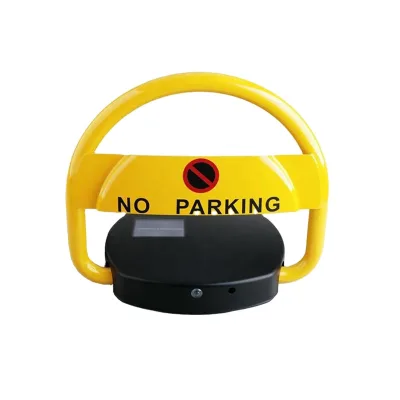

Semi Automatic Smart Vertical Car Parking Equipment Puzzle Parking System
$2000.00 - $5000.00
MOQ: 5 unit/units


Automatic Puzzle Parking System with Intelligent Control and Space Saving Performance
$1500.00 - $3000.00
MOQ: 1 Pieces

Eco Friendly 12 Level Puzzle Parking System with Solar Panel for Renewable Energy Utilization
$3600.00 - $4000.00
MOQ: 1 Pieces

Eco Friendly 7 to 11 Level Puzzle Parking System with Solar Panel for Green Energy Use
$2600.00 - $3000.00
MOQ: 1 Pieces

Comprehensive Sourcing Guide
Strategic Sourcing Guide for Automatic Solar Puzzle Parking Systems
Understanding the Technical Architecture of Puzzle Parking Systems
The core keyword "Automatic Solar Puzzle Parking System" refers to a sophisticated class of mechanical parking solutions designed to maximize vertical space utilization through a unique interlocking mechanism. These systems, often categorized under the "Puzzle Parking System" type, operate by stacking vehicles in a grid-like fashion where individual parking bays can be moved horizontally and vertically to create access paths. The fundamental design typically integrates a hydraulic cylinder and steel cable or rope mechanism, allowing for precise movement of the vehicle platform. The lifting mode is predominantly hydraulic cylinder-based, sometimes augmented with steel ropes for stability, ensuring that the heavy loads are managed with precision.
The operational capacity of these units is substantial, with a standard parking post load capacity observed in the range of 2000kg to 2500kg. This load-bearing capability is critical for accommodating modern vehicle sizes. The system supports a wide range of vehicle dimensions, with specifications indicating an available car length of up to 5070mm and a width of 1950mm. The maximum vehicle size that can be accommodated is often cited as 5000mm in length, 1850mm in width, and 1550mm in height. The system's flexibility is further demonstrated by its ability to offer between 2 to 15 available levels, allowing facility managers to tailor the height of the structure to the specific constraints of their site.
Power consumption is a significant factor in the total cost of ownership. The power requirements for these systems typically range from 4kW to 15kW, depending on the number of levels and the specific configuration. The voltage supply is generally standardized at 380V, 3-phase, 50Hz, though some suppliers may offer customized voltage options to match local grid standards. The movement speeds are engineered for efficiency; lifting speeds can reach up to 28 meters per minute, while sliding speeds are typically around 8 meters per minute. However, variations exist, with some models operating at a lifting speed of 8 to 12 meters per minute. The driving mechanism is hydraulic, and the control system often utilizes an Omron PLC system to ensure reliable and automated operation.
Compliance, Certification, and Safety Standards
When sourcing automatic puzzle parking systems, verifying compliance with international and local safety standards is non-negotiable. The supply chain for these mechanical structures is heavily regulated due to the high risks associated with lifting heavy vehicles. Buyers must verify that the equipment carries recognized certifications. Common certifications observed in the market include CE (Conformité Européenne), ISO (International Organization for Standardization), CCC (China Compulsory Certification), and Ccqs. Specific standards such as CE/ISO9001 are frequently cited as the baseline for manufacturing quality and safety management systems.
Safety features are integrated directly into the design to prevent accidents. A comprehensive safety suite typically includes safety sensors, overload protection mechanisms, and emergency stop buttons. To prevent catastrophic failure, falling prevention devices are essential; these may take the form of an anti-falling frame or a dedicated shaft mechanism. Additionally, the design often incorporates safety railings to protect personnel during maintenance or operation. The surface of the parking platform is treated to be anti-slip, ensuring vehicle stability during the lifting and sliding processes. The vehicle inlet and outlet are strategically positioned, either at the center or at the bottom (down), depending on the specific model configuration.
The manufacturing process also adheres to strict material and finishing standards. The primary material used for the structural components is aluminum, chosen for its strength-to-weight ratio and corrosion resistance. To further enhance durability, the surface treatment involves zinc coating, and the finishing process often includes powder coating. This dual-layer protection is vital for outdoor installations where exposure to weather elements is constant. Buyers should explicitly request documentation proving that the zinc coating and powder finishing meet the required thickness and adhesion standards for the intended environment.
Cost Drivers and Financial Considerations
The pricing of automatic puzzle parking systems is influenced by a complex array of variables, making it difficult to provide a single fixed price without specific configuration details. The observed price range in the market can vary drastically, from entry-level units to highly customized, multi-level installations. This variance is driven by the number of parking spaces, the number of levels, and the specific customization requirements. The minimum order quantity (MOQ) is typically flexible, ranging from 1 unit to 50 units, allowing for both small-scale residential projects and large commercial developments.
Several key factors drive the cost of these systems. First, the number of levels directly impacts the structural complexity and the amount of steel and aluminum required. A 15-level system will naturally cost significantly more than a 2-level system due to the increased hydraulic power and control complexity. Second, the power source is a major cost determinant. While the systems are primarily electric, the integration of solar power capabilities adds a premium. The power source options include solar, electric, and battery, with solar integration being a specific value-add for sustainable projects. Third, the control system sophistication, such as the inclusion of an Omron PLC system versus a standard manual button interface, affects the final price.
Logistics and shipping also contribute to the total cost. The gross weight of the system is approximately 1200kg per parking space, which necessitates careful calculation of freight costs. Container load efficiency is a critical metric; a standard 40-foot container can typically load 17 parking spaces. This density affects the shipping cost per unit. Buyers should also consider the "prod_packing" specifications, which are often described as a standard exporting package, though some variations like "40 Ot" may exist. Understanding these logistical constraints is essential for accurate budgeting, as freight costs can fluctuate based on fuel prices and shipping routes.
Typical Applications and Site Suitability
Automatic puzzle parking systems are versatile solutions designed for a variety of environments where space is at a premium. The primary applications include residential use, public parking facilities, and commercial use. In residential settings, these systems are ideal for apartment complexes or private estates where land value is high, and the goal is to maximize the number of parking spots without expanding the building footprint. The system's ability to operate with a "Self Parking" mode allows for autonomous operation, which is highly desirable in modern residential communities.
For public parking, the high capacity and durability of the puzzle system make it suitable for city centers, shopping malls, and transportation hubs. The system can handle high traffic volumes, and the safety features ensure reliability in public spaces. The "Commercial Use" category encompasses office buildings, hotels, and industrial facilities where parking efficiency is critical for operations. The system's design allows for the installation of 25 to 99 posts, providing scalability for large-scale projects.
The installation type is another critical factor in determining suitability. These systems can be installed as underground, surface mount, or multi-level structures. Underground installation is particularly effective for maximizing space in dense urban areas, while surface mount options are suitable for locations with limited vertical clearance or where excavation is not feasible. The choice of installation type depends on the site's geological conditions, local building codes, and the specific spatial constraints of the property.
Supplier Evaluation and Quality Assurance
Selecting a reliable supplier for automatic puzzle parking systems requires a rigorous evaluation process. Buyers should prioritize suppliers who can demonstrate a clear track record of manufacturing and exporting these complex mechanical systems. The origin of the product is a significant indicator of supply chain maturity. Many reputable manufacturers are located in industrial hubs such as Qingdao, China, or Shandong, China, regions known for their strong manufacturing base in heavy machinery and automotive accessories.
Quality assurance should be a central part of the supplier evaluation. Buyers must verify that the supplier adheres to the stated standards, such as CE/ISO9001. It is essential to request detailed documentation regarding the manufacturing process, including the specific type of zinc coating and powder finishing used. The supplier should also provide evidence of the safety features, such as the functioning of the safety sensors, overload protection, and emergency stop buttons. The "After-Sales Service" is another critical component; buyers should inquire about the availability of technical support, spare parts, and maintenance services. A specific contact number or service protocol should be established to ensure that any operational issues can be resolved promptly.
The customization capability of the supplier is also a key differentiator. The market offers "Customization: Available" for various aspects of the system, including voltage, control modes, and structural dimensions. Buyers should assess the supplier's ability to tailor the system to their specific needs, such as integrating solar power or adjusting the lifting speed. The "Working Mode" options, which may include button control or sweep card systems, should be evaluated based on the user experience requirements of the end-users.
Long-Term Procurement and Operational Efficiency
Long-term procurement considerations extend beyond the initial purchase price to include the total cost of ownership over the system's lifespan. The power source selection plays a pivotal role in operational efficiency. Systems with solar integration can significantly reduce electricity costs, making them an attractive option for long-term sustainability goals. However, the initial investment for solar integration must be weighed against the potential energy savings. The power consumption range of 4-15kW indicates that energy efficiency is a variable that depends heavily on the system's usage patterns and configuration.
Maintenance is another critical aspect of long-term procurement. The hydraulic system, which drives the lifting and sliding mechanisms, requires regular inspection and maintenance to prevent wear and tear. The presence of safety features like the anti-falling frame and safety railings must be regularly tested to ensure they remain functional. The "prod_packing" and "Standard Exporting Package" ensure that the components arrive in good condition, but the long-term durability depends on the quality of the materials used, such as the aluminum construction and the zinc coating.
Buyers should also consider the scalability of the system. The ability to add more levels or posts as parking demand increases is a valuable feature for growing organizations. The "Available Levels" ranging from 2 to 15 provide a wide range of options for future expansion. Additionally, the "Container Load" efficiency of 17 spaces per 40-foot container suggests that the system is designed for efficient logistics, which can reduce the cost of future expansions or replacements.
In conclusion, sourcing an Automatic Solar Puzzle Parking System requires a comprehensive understanding of the technical specifications, compliance requirements, and cost drivers. By carefully evaluating the supplier's capabilities, verifying certifications, and considering long-term operational efficiency, buyers can make informed decisions that ensure the successful implementation of these advanced parking solutions. The integration of solar power, combined with robust safety features and high load capacities, makes these systems a viable option for modernizing parking infrastructure in diverse environments.
FAQs
What certifications do automatic solar puzzle parking systems have?
These systems typically hold CE, ISO, CCC, and Ccqs certifications. Buyers should verify specific compliance with CE/ISO9001 standards to ensure safety and manufacturing quality for international projects.
How much weight can the parking posts support?
Parking posts generally support a load of 2000kg to 2500kg. This capacity accommodates standard vehicle dimensions up to 5070mm in length and 1950mm in width for safe operation.
Which power sources are available for these systems?
Available power sources include solar, electric, and battery options. Systems typically operate on 380V, 3-phase, 50Hz voltage, though customized voltage solutions are often available to match local grid standards.
Can the system be installed underground or on the surface?
Yes, the system supports underground, surface mount, and multi-level installation types. This flexibility allows facility managers to adapt the structure to specific site constraints and geological conditions.
What safety features are included in the design?
Safety features include sensors, overload protection, emergency stop buttons, and anti-falling frames. Additional railings and anti-slip surfaces ensure stability and prevent accidents during vehicle lifting and sliding.
How many parking levels can the system accommodate?
The system offers between 2 to 15 available levels depending on the configuration. This range allows for scalable solutions suitable for both small residential complexes and large commercial parking facilities.
What is the typical lifting speed of the mechanism?
Lifting speeds range from 8 to 28 meters per minute based on the model. Sliding speeds are typically around 8 meters per minute, ensuring efficient vehicle movement within the grid structure.