Find Electronic Wheel Alignment Machine for Tire Shops, Body Shops, 4S
Explore 30 Electronic Wheel Alignment Machine options to compare specifications, pricing, and features. This guide helps buyers evaluate models for tire shops, body shops, and 4S workshops to find the right fit for their needs; compare the available evidence and request quotations based on your requirements.
Key considerations
Products List

Wheel Alignment Machine for Sale 3D Wheel Alignment Machine Computerized Wheel Alignment Machine
$1500.00 - $2500.00
MOQ: 1 Pieces


Wheel Alignment for Sale 3D Wheel Aligner Wheel Alignment Machine for Sale
$2000.00 - $3500.00
MOQ: 1 Pieces


3D Wheel Aligner/3D Wheel Alignment/Wheel Aligning Machine Wheel Alignment Machine for Sale
$2000.00 - $3500.00
MOQ: 1 Pieces


Automotive Aligner Wheel Alignment Wheel Alignment Machine
$3100.00 - $3500.00
MOQ: 1 Pieces
Guangdong Jingzhongjing Industrial Painting Equipments Co., Ltd.

3D Wheel Alignment Machine Full Automatic Alignment
$5265.00 - $5500.00
MOQ: 1 Pieces
Guangdong Jingzhongjing Industrial Painting Equipments Co., Ltd.


3D Wheel Alignment Machine Four Wheel Alignment Machine Wheel Aligner
$1700.00 - $1800.00
MOQ: 1 Pieces


Wheel Alignment Equipment Electric Adjustable 3D Four Wheel Alignment
$2850.00 - $3450.00
MOQ: 1 Pieces


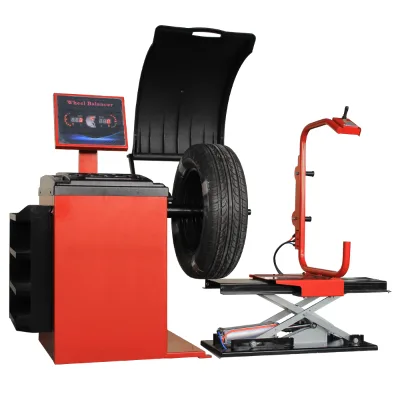
Comprehensive Sourcing Guide
Electronic Wheel Alignment Machine Sourcing Guide
Procuring an Electronic Wheel Alignment Machine requires distinguishing between mechanical and electronic structures, as the latter offers superior data processing and automated adjustments. The observed market features models with electronic structures that utilize wireless communication modes, including infrared and Bluetooth, to connect sensors with the central processing unit. Buyers must verify that the selected unit supports the specific communication protocol required by their workshop infrastructure to ensure seamless data transmission during the alignment process.
The application scope for these machines is primarily tailored for tire shops, body shops, and 4S workshops that demand high precision and efficiency. Modern units often feature dual-screen displays, such as a 32-inch oversized monitor paired with a 21.5-inch normal display, to facilitate simultaneous viewing by technicians. This configuration supports the core function of adjusting wheel angles while providing clear visual feedback, which is essential for maintaining the accuracy required in professional automotive repair environments.
Product Scope and Observed Listing Signals
The product listings indicate a diverse range of models, from the AG-100 to the AG-500 and AD-WA series, each presenting distinct structural and functional characteristics. Some units are designed without a cabinet to save space, while others may include specific packing requirements like plywood boxes or wooden crates. Buyers should carefully review the product name and model specifications to ensure the machine matches the physical constraints and operational needs of their specific facility before committing to a purchase.
Listing signals reveal variations in software ecosystems, with some systems utilizing Johnbean or Jean B software, while others operate with independent software solutions. The production date for these units typically ranges from 7 to 14 days, suggesting a made-to-order or batch production model rather than immediate off-the-shelf availability. Understanding these listing details helps buyers anticipate the timeline for delivery and the specific software environment they will need to integrate into their existing workshop management systems.
Technical Specifications to Verify
Technical verification must begin with the beam configuration, as listings show options ranging from fixed beams to automatic lifting mechanisms. The maximum height and length of the beam are critical dimensions, with some models specifying a maximum height of 2760mm and a beam length of 2760mm. Buyers should confirm that the physical dimensions of the lifting mechanism align with the ceiling height and vehicle clearance in their service bays to prevent operational bottlenecks during routine maintenance tasks.
Power requirements and display configurations are equally vital for ensuring the machine functions correctly within the local electrical grid. Most observed units operate on a 220V power supply, but the specific wattage and connection types must be confirmed against local standards. Additionally, the presence of dual display units, such as a 32-inch and a 21.5-inch screen, should be verified to ensure the interface meets the visual needs of the technicians who will be operating the equipment daily.
Compliance and Safety Documentation
Safety compliance is a primary concern, with observed certifications including GS, CE, and ISO standards. These certifications indicate that the equipment meets specific international safety and quality benchmarks, which is essential for liability protection and regulatory adherence in various markets. Buyers must request valid certification documents for the specific model they intend to purchase, as the presence of a certification on one listing does not guarantee that every unit in the supply chain holds the same status.
Documentation should also cover the warranty terms and the availability of remote service upgrades. Listings indicate a standard one-year warranty and a service feature where auto data is upgraded for free remotely. It is crucial to verify the scope of this remote service, including whether it covers software updates, calibration data, and troubleshooting support, to ensure long-term operational reliability without incurring unexpected maintenance costs.
Cost Drivers and Commercial Terms
The observed price range for these machines spans from 380 to 6000 USD, reflecting significant differences in model complexity, software capabilities, and structural design. Factors such as the inclusion of a cabinet, the type of communication mode, and the specific software license can heavily influence the final cost. Buyers should analyze the total cost of ownership, considering that lower-priced models might lack advanced features like automatic lifting or dual-screen displays, which could impact long-term efficiency.
Commercial terms often include specific packaging requirements, such as standard exporting packages or wooden boxes, which affect shipping costs and handling procedures. The gross weight of the units, observed at 350kgs for some models, is a key factor in determining freight charges and the necessary equipment for unloading at the destination. Additionally, the production lead time of 7 to 14 days must be factored into the procurement schedule to avoid delays in workshop operations.
Supplier Qualification and Quality Control
Supplier qualification should focus on the origin and production capabilities, with many units originating from China, specifically Shandong. Buyers must verify the supplier's ability to provide consistent quality control, especially given the variation in models like the AG series and AD series. It is advisable to request evidence of their production process and quality assurance protocols to ensure that the electronic components and mechanical structures meet the advertised specifications.
Quality control extends to the software and data accuracy, as the machine's primary function is to adjust wheel angles with precision. Buyers should inquire about the testing procedures used to validate the software's performance and the accuracy of the sensor data. Ensuring that the supplier offers OEM services and has a track record of delivering units that meet the standard 3D wheel alignment specifications is essential for maintaining the integrity of the alignment process.
Long-Term Procurement Checks
Long-term procurement success depends on the availability of spare parts and the continuity of software support. The observed service features, such as free remote data upgrades, suggest a commitment to keeping the machine current, but buyers must confirm the duration and conditions of this support. Establishing a clear agreement on how software updates are delivered and whether they require additional fees is necessary to prevent future operational disruptions.
Finally, buyers should plan for the physical maintenance and calibration of the equipment over its lifespan. The mechanical structure, whether electronic or mechanical, will require periodic inspection to ensure the lifting mechanisms and sensors remain accurate. Developing a maintenance schedule that includes regular checks of the beam alignment and software calibration will help extend the machine's useful life and maintain the high standards required for professional wheel alignment services.
FAQs
What communication modes are available for electronic wheel alignment machines?
Electronic wheel alignment machines typically support infrared, Bluetooth, or wired communication modes. The specific mode depends on the model selected, with infrared and Bluetooth offering wireless convenience while wired connections provide stable data transmission for critical alignment tasks.
What is the standard production lead time for these machines?
The standard production lead time for electronic wheel alignment machines is generally between 7 and 14 days. This timeframe allows for manufacturing and quality checks before shipment, ensuring the equipment arrives ready for installation in tire or body shops.
Which certifications are commonly associated with electronic wheel alignment machines?
Common certifications for electronic wheel alignment machines include CE and ISO standards. These certifications indicate compliance with international safety and quality requirements, which is essential for importing and operating the equipment in various global markets.
Can electronic wheel alignment machines be customized for specific workshop needs?
Yes, customization is available for electronic wheel alignment machines. Buyers can often select specific software configurations, display setups, or structural components to match their workshop requirements, ensuring the machine integrates smoothly with existing diagnostic workflows.
What is the typical warranty period for electronic wheel alignment machines?
The typical warranty period for electronic wheel alignment machines is one year. This coverage usually includes support for hardware defects and software issues, providing buyers with assurance regarding the reliability and performance of the equipment during its initial operational phase.
How is the Electronic Wheel Alignment Machine packaged for export?
Electronic wheel alignment machines are usually packaged in plywood boxes or standard exporting packages to ensure safe transit. This robust packaging protects sensitive electronic components and mechanical parts from damage during international shipping and handling.
What display options are available for electronic wheel alignment machines?
Display options for electronic wheel alignment machines often include double screen configurations. Some models feature one oversized 32-inch display and one normal 21.5-inch display, allowing technicians to view alignment data and vehicle images simultaneously for efficient diagnostics.