Source Pneumatic Oil Suction Machine for Car Repair, Medical, and Workshop
Compare 30 pneumatic oil suction machines from verified suppliers. These units feature high-pressure performance, ISO certifications, and customizable options for car repair, medical clinics, and industrial workshops. Buyers can review working pressure, tank capacity, and warranty details to select the right equipment for their specific operational needs and safety standards.
Key considerations
Products List


Oil Lubrication Vacuum Suction Machineoil Lubrication Vacuum Suction Machine
$6000.00 - $30000.00
MOQ: 1 Pieces


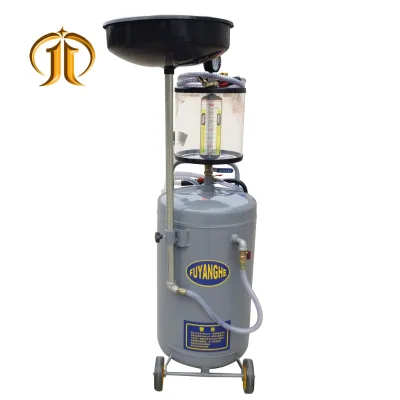
80L Mobile Pneumatic Waste Oil Suction Oil Changer Oil Collector Oil Extractor
$108.00 - $123.00
MOQ: 10 Pieces

Air-Operated Pneumatic Waste Oil Extractor Collector Car Change Oil Drainer
$101.00 - $110.00
MOQ: 10 Pieces


Air Operated Waste Oil Drainer Pneumatic Oil Changer Collecting Extractor Supply
$89.00 - $103.00
MOQ: 10 Pieces


Oil Collecting Drainer Pneumatic Waste Oil Suction and Collection Equipment
$89.00 - $105.00
MOQ: 10 Pieces

$700.00 - $300000.00
MOQ: 1 SET


$30.00 - $50.00
MOQ: 1 Pieces




Comprehensive Sourcing Guide
Pneumatic Oil Suction Machine Sourcing Guide
Procuring a Pneumatic Oil Suction Machine requires a clear understanding of the operational environment and the specific mechanical advantages offered by pneumatic drive systems. Unlike electric alternatives, these devices utilize compressed air to generate suction, eliminating the risk of electrical sparks in flammable environments. This makes them particularly suitable for automotive repair shops, industrial maintenance facilities, and hazardous areas where safety is paramount. Buyers must evaluate whether the pneumatic power source is readily available at their site, as this equipment relies on a consistent supply of compressed air to function effectively.
The market offers a variety of configurations, ranging from simple portable units to more complex systems with integrated collection tanks. Observations from current listings indicate a wide range of product names and models, such as the "pneumatic Oil Collecting Machine" and various vacuum suction devices. These units often feature different tank capacities, with common specifications including 80-liter main tanks and smaller 10-liter basins. Understanding the distinction between a simple oil pump and a complete collection system is crucial for aligning the purchase with the actual volume of waste oil generated during daily operations.
Product Scope and Observed Listing Signals
Current market data reveals a diverse array of products labeled under the core keyword, with observed price points ranging from $0.01 to $300,000 USD. This broad spectrum suggests that listings may include everything from small replacement parts to large industrial systems, requiring careful scrutiny of the actual item description. Minimum Order Quantities (MOQ) typically range from 1 to 100 units, indicating that suppliers are flexible with both single-unit purchases for testing and bulk orders for fleet deployment. Buyers should verify if the listed price includes shipping, taxes, and any necessary installation components to avoid unexpected costs.
Product attributes observed in listings highlight key differentiators such as color options (red, blue, grey, white, or customized), weight (approximately 20kgs for some models), and working conditions (dry). Some listings specify a working pressure of 1-3 Bar with a maximum pressure of 10 bar, while others focus on high-pressure performance. It is essential to distinguish between the machine type, such as a rotary vacuum pump or positive displacement pump, and its intended use, which is primarily car repair but may extend to medical or hospital settings in some specialized configurations.
Technical Specifications to Verify
When evaluating technical specifications, the power supply method is a critical factor, with pneumatic drive being the standard for this category. Buyers must confirm the working oil temperature range, which is often specified as 40-60 degrees Celsius, to ensure compatibility with the thermal properties of the waste oil being collected. The lubricating method, typically oil lubrication for internal components, should be verified to understand maintenance requirements. Additionally, the vacuum degree and exhauster method, such as positive displacement, directly impact the efficiency of oil extraction, especially for viscous fluids.
Structural design and physical dimensions are equally important for integration into existing workflows. Listings show various packing standards, such as carton dimensions of 1381920cm or 453973cm, which affect storage and shipping logistics. Models like Y36094, Y3090, and Y32 indicate different configurations, potentially varying in tank capacity or pump structure. Buyers should verify the exact model number against their operational needs, ensuring that the device’s weight and footprint align with the available workspace and handling capabilities of their staff.
Compliance and Safety Documentation
Compliance with international standards is a non-negotiable aspect of sourcing industrial equipment. Observed certifications include ISO, CE, and SGS, which provide a baseline for quality and safety assurance. Buyers must request valid certificates for the specific model being purchased, as certification status can vary between product lines. The presence of these certifications indicates that the manufacturer adheres to recognized safety and performance benchmarks, reducing the risk of regulatory non-compliance in the buyer’s jurisdiction.
Safety features and operational warnings should be clearly documented in the user manual and product labeling. While specific safety standards like ISO 10079 or IEC 60601 are mentioned in background data, buyers should verify if these apply to their specific application, particularly if the device is used in medical or hospital settings. The warranty period, often cited as 18 months from installation or shipment date, provides a critical window for identifying manufacturing defects. Ensuring that the warranty terms are clearly defined and enforceable is essential for long-term risk management.
Cost Drivers and Commercial Terms
Several factors influence the total cost of ownership beyond the initial purchase price. The customization availability allows buyers to tailor the machine to specific branding or functional needs, which may incur additional costs. The origin of the product, often China or specifically Changsha, impacts shipping costs and lead times. Buyers should consider the total landed cost, including freight, insurance, and import duties, when comparing quotes from different suppliers. The packing method, whether in cartons, boxes, or wooden cases, also affects shipping efficiency and potential damage risks.
Commercial terms such as payment methods, delivery schedules, and after-sales service support are critical components of the procurement agreement. Suppliers offering online or onsite service provide valuable support for troubleshooting and maintenance, which can reduce downtime. The OEM/ODM acceptability indicates flexibility for custom branding or design modifications, which may be relevant for large-scale procurement. Buyers should negotiate clear terms for warranty claims and spare parts availability to ensure long-term operational continuity.
Supplier Qualification and Quality Control
Supplier qualification involves verifying the manufacturer’s production capabilities and quality management systems. Buyers should request evidence of ISO certification and other relevant quality standards to ensure consistent product quality. The condition of the product, typically listed as "New," should be confirmed to avoid receiving refurbished or used items. Supplier transparency regarding their manufacturing process and quality control measures is a strong indicator of reliability and professionalism.
Quality control checks should be performed upon receipt of the goods to verify that the product matches the ordered specifications. This includes checking the model number, tank capacity, and physical condition for any damage incurred during shipping. Buyers should also verify the included accessories and documentation, such as user manuals and warranty cards. Establishing a clear process for reporting defects and requesting replacements is essential for maintaining a positive supplier relationship and ensuring operational readiness.
Long-Term Procurement Checks
Long-term procurement success depends on the supplier’s ability to provide consistent support and spare parts availability. Buyers should assess the supplier’s track record for after-sales service, including the responsiveness of their technical support teams. The availability of replacement parts, such as seals, filters, and pump components, is crucial for maintaining the machine’s performance over time. Suppliers that offer comprehensive training and maintenance guidelines help extend the lifespan of the equipment and reduce operational costs.
Regular performance monitoring and preventive maintenance are key to maximizing the utility of the Pneumatic Oil Suction Machine. Buyers should establish a maintenance schedule based on the manufacturer’s recommendations, including regular inspections of the vacuum degree and working pressure. Tracking the machine’s performance metrics over time can help identify potential issues before they lead to costly failures. Building a long-term partnership with a reliable supplier ensures access to the latest product updates and technical support, enhancing the overall value of the procurement investment.
FAQs
What is the working pressure range for this Pneumatic Oil Suction Machine?
The working pressure range is 1-3 Bar, with a maximum pressure limit of 10 bar. This ensures safe and efficient operation during oil collection tasks. The device is designed to handle standard pneumatic systems commonly found in automotive repair shops, providing reliable performance without exceeding safe operational limits for the equipment.
Can the Pneumatic Oil Suction Machine be customized for specific needs?
Yes, customization is available for this machine. Buyers can request specific colors such as red, blue, grey, or other customized options. The product also supports OEM and ODM services, allowing for tailored solutions to meet unique operational requirements or branding preferences in professional automotive or industrial settings.
What certifications does the Pneumatic Oil Suction Machine hold?
The machine holds ISO, CE, and SGS certifications. These credentials verify compliance with international quality and safety standards. Buyers can rely on these documented certifications to ensure the product meets regulatory requirements for use in various professional environments, including automotive repair facilities and industrial workshops across different regions.
How is the Pneumatic Oil Suction Machine packed for shipping?
Packing varies by model. Some units are packed in cartons with dimensions like 138*19*20cm or 45*39*73cm, while others use wooden cases. Specific models may come in boxes or cartons containing one or two units. This flexible packaging ensures safe transport and protects the equipment during international shipping logistics.
What is the warranty period for the Pneumatic Oil Suction Machine?
The warranty period is 18 months. Coverage typically starts from either the installation date or the shipment date, depending on the specific supplier terms. This warranty provides buyers with assurance regarding product durability and performance, supported by online and onsite after-sales service options for maintenance and troubleshooting needs.
What is the tank capacity of the Pneumatic Oil Suction Machine?
The main tank capacity is 80 liters, with a basin capacity of 10 liters. This configuration allows for efficient collection and storage of used oil during maintenance tasks. The 80L capacity is suitable for handling significant volumes of oil, making it ideal for busy automotive repair shops and industrial applications.