Source Automotive J Case Fuse for Cars Trucks and Marine Systems
Compare 30 Automotive J Case Fuse options from verified suppliers in Guangdong, China. Browse ratings, voltage ratings, and current capacities for low-voltage applications in cars, trucks, and marine systems.
Key considerations
Products List
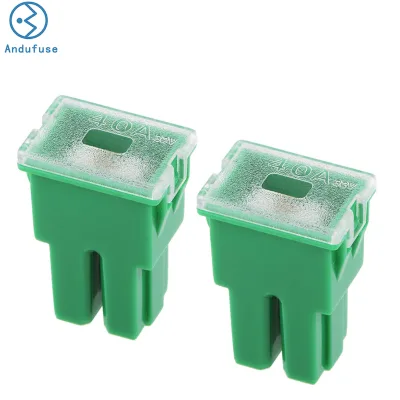
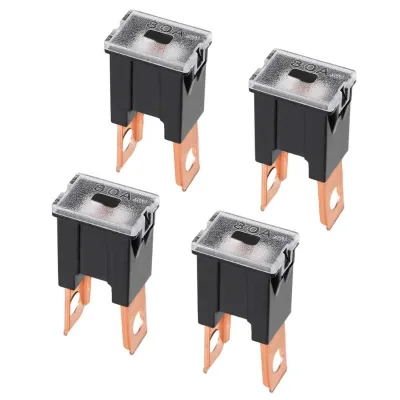
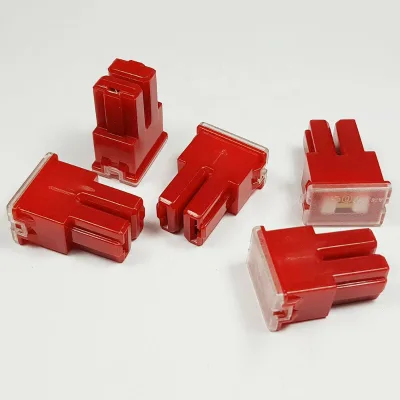
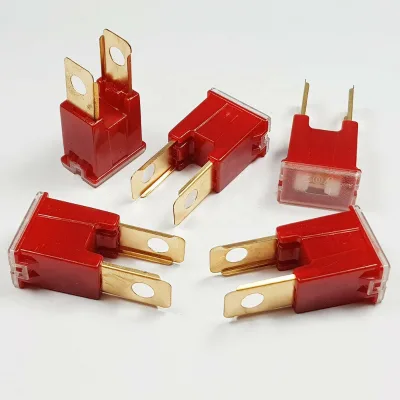




Comprehensive Sourcing Guide
Strategic Sourcing Guide for Automotive J-Case Fuses
Understanding Technical Specifications and Performance Parameters
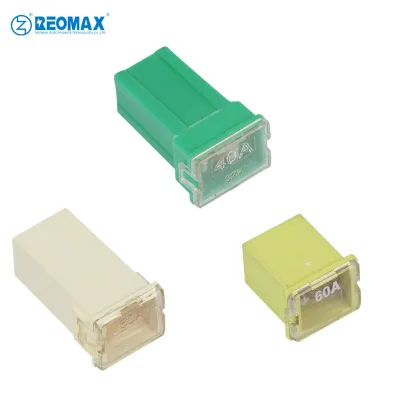
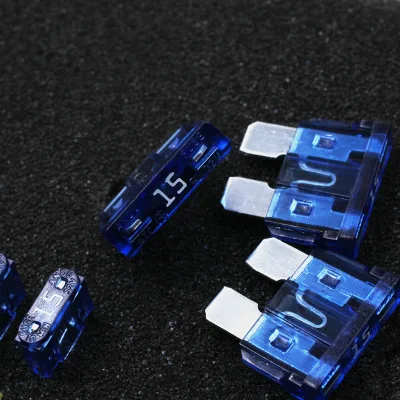
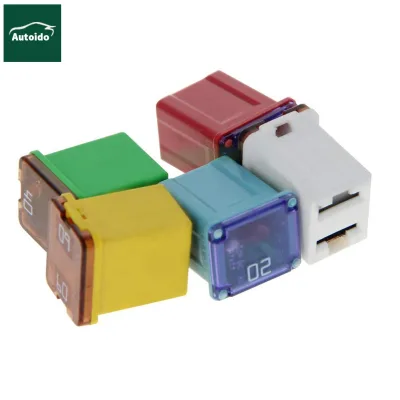
When sourcing automotive J-case fuses, buyers must first establish a clear understanding of the technical architecture that defines this component class. The J-case fuse is a specific form factor designed for high-current applications within the low-voltage automotive electrical system. Unlike standard blade fuses, the J-case design offers a larger physical footprint, which directly correlates to its ability to handle significantly higher amperage ratings while maintaining structural integrity under thermal stress. The observed product attributes indicate that these fuses are engineered for a rated voltage range spanning from 12V up to 48V, with specific configurations supporting 32V DC and 58V DC environments. This versatility makes them suitable for a wide array of modern vehicle architectures, including traditional internal combustion engines and hybrid systems.
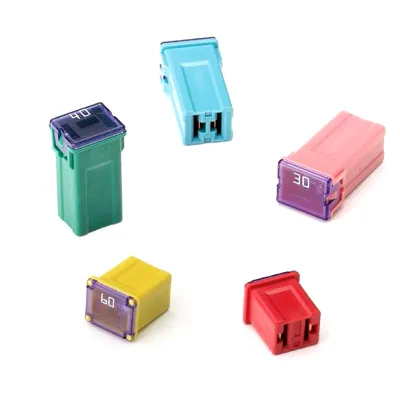
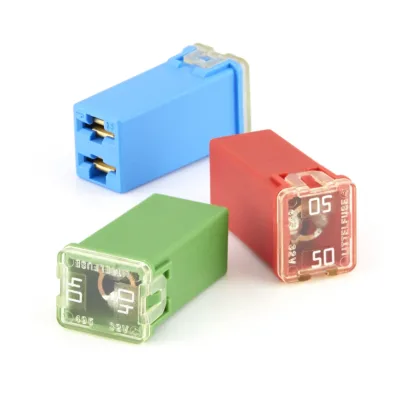
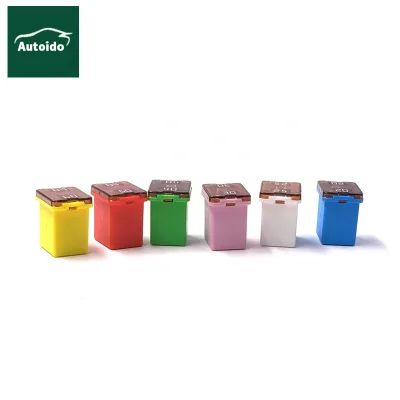
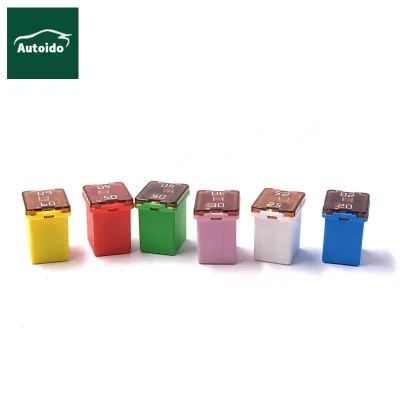
The current carrying capacity is a primary differentiator for J-case fuses. Market observations reveal a broad spectrum of rated currents, typically ranging from 20A to 100A, with specific listings noting capacities up to 120A. The availability of discrete ratings such as 20A, 25A, 30A, 40A, 50A, 60A, 70A, 80A, and 100A allows procurement teams to select precise protection levels for various circuits, from lighting and accessory power to high-load motor control units. The physical construction is equally critical. The materials listed for these components include a combination of Nylon 66, glass fiber, copper alloy, and in some variations, ceramic and zinc alloy. The use of Nylon 66 reinforced with glass fiber suggests a focus on high thermal resistance and mechanical durability, essential for withstanding the vibration and temperature fluctuations inherent in automotive environments. The operating temperature range is a key specification, with observed data indicating a functional span from -40°C to +125°C. This wide thermal window ensures reliable operation in extreme climates, from freezing winters to scorching engine bays.
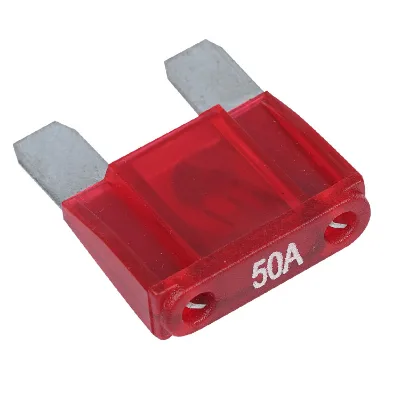
Furthermore, the breaking capacity, or the maximum fault current the fuse can safely interrupt without causing damage to the circuit or the fuse itself, is a critical safety parameter. Data points suggest breaking capacities can be categorized as high or low, with specific instances noting a capacity of 1000A. Buyers must verify the specific breaking capacity required for their application, as a mismatch can lead to catastrophic failure during a short circuit event. The mounting type is consistently identified as plug-in, facilitating rapid installation and replacement in the field. The size variations, including standard J-case, low-profile J-case, and larger Maxi or Mega variants, further complicate the selection process, requiring precise mapping against the physical constraints of the vehicle's fuse box or distribution panel.
Compliance, Safety Standards, and Regulatory Verification
Navigating the regulatory landscape for automotive components requires rigorous verification of safety standards and certifications. The supply data indicates that products are often associated with specific international standards, including IEC and SAE J2077. The SAE J2077 standard is particularly relevant as it defines the dimensional and performance characteristics for automotive fuses, ensuring interchangeability and reliability across different vehicle manufacturers. Compliance with IEC standards further validates the electrical safety and performance metrics of the component. Additionally, some product listings reference CSA (Canadian Standards Association) compliance, which is a vital consideration for suppliers targeting the North American market.
However, buyers must exercise caution regarding certification claims. While some sources mention ISO 8820 and CE marking, these are noted as low-confidence background information and should not be assumed as universal attributes for every listed product. The presence of a CE mark or an ISO certification does not automatically guarantee that a specific batch of fuses meets the stringent requirements of a specific automotive OEM. Instead, procurement teams should treat these as indicators of potential compliance that require direct verification with the supplier. The buyer must request valid, up-to-date test reports and certification documents that specifically cover the model numbers and ratings being purchased. It is essential to confirm that the safety standards cited are applicable to the specific voltage and current ratings of the fuse in question. For instance, a fuse rated for 32V DC must be tested and certified under standards relevant to that voltage class. Relying on generic certification claims without specific documentation can lead to non-compliance issues during vehicle homologation or safety audits.
Cost Drivers and Pricing Dynamics in the Supply Chain
The pricing structure for automotive J-case fuses is influenced by a complex interplay of material costs, production volume, and supply chain logistics. The observed price range in the market spans from $0.02 to $1.02 USD per unit. This wide variance is not arbitrary but is driven by several key factors. The most significant cost driver is the rated current and the associated material usage. Higher amperage fuses, such as those rated at 80A or 100A, require thicker copper alloy conductors and more robust housing materials to handle the increased thermal load, which naturally increases the unit cost compared to lower-rated 20A or 25A units.
Material composition also plays a pivotal role. Fuses constructed with high-grade Nylon 66 reinforced with glass fiber or those incorporating ceramic elements for enhanced breaking capacity will command a premium over those made with standard plastic or basic copper alloys. The complexity of the mold and the precision required for the plug-in mounting mechanism further influence manufacturing costs. Additionally, the supply ability of the manufacturer affects pricing. Suppliers with high production capacities, such as those capable of delivering 100,000 pieces per day or 500,000 pieces per week, may offer more competitive pricing due to economies of scale. However, these high-volume suppliers often have higher Minimum Order Quantities (MOQs), which can impact the total cost of ownership for smaller buyers.
The MOQ range observed in the market is extensive, spanning from 1 piece to 2,000 pieces. This flexibility allows buyers to tailor their procurement strategy based on their inventory needs. Small MOQs are ideal for prototyping or low-volume maintenance applications, while larger MOQs are necessary for mass production runs to achieve the lowest unit price. Buyers should also consider the packaging details, such as the 1,000 pieces per bag or 20,000 pieces per carton configurations, as these affect handling costs and storage requirements. The port of dispatch, frequently listed as Shenzhen or Guangzhou, introduces logistics variables that can impact the final landed cost, including shipping fees and import duties.
Typical Applications and Circuit Protection Requirements
The application of J-case fuses is predominantly centered on the automotive sector, serving as the primary line of defense for high-current circuits. The specific use cases are diverse, ranging from power distribution in the engine compartment to protection in the passenger cabin. The rated voltage range of 12V to 48V DC aligns with the standard electrical systems found in passenger cars, light trucks, and commercial vehicles. The high current ratings, extending up to 100A or more, make these fuses ideal for protecting critical systems such as electric cooling fans, power windows, central locking systems, and high-power audio amplifiers.
In modern automotive architectures, the J-case fuse is often utilized in the main power distribution box, where it protects the primary power feed to various sub-circuits. The ability to handle high breaking capacities ensures that in the event of a severe short circuit, the fuse will blow cleanly without arcing or causing damage to the surrounding wiring harness. The operating temperature range of -40°C to +125°C is particularly beneficial for applications located near the engine or in exposed under-hood locations where temperatures can fluctuate drastically. The "Low Voltage" application classification confirms their suitability for standard automotive electrical systems, distinguishing them from high-voltage traction components found in pure electric vehicles, which require different protection strategies.
The versatility of the product type, which includes variations like FLM, FLF, and FLB series, suggests that manufacturers offer specialized versions for different mounting configurations or environmental conditions. For instance, the "Low-profile J-case" variant is designed for applications where vertical space is limited, allowing for denser packing in modern fuse boxes. The "Maxi" series, as indicated by the product attributes, caters to even higher current demands, often found in heavy-duty trucks or industrial vehicles. Understanding these specific applications is crucial for buyers to ensure they select the correct fuse type that matches the physical and electrical requirements of their specific vehicle model or aftermarket modification.
Supplier Evaluation and Supply Chain Reliability
Evaluating suppliers for automotive J-case fuses requires a focus on production capacity, geographic location, and logistical capabilities. The supply data highlights several key attributes that buyers should prioritize. The supply ability is a critical metric, with top-tier suppliers claiming capacities of 100,000 pieces per day or 500,000 pieces per week. This level of capacity is essential for meeting the demands of large-scale automotive production or for ensuring rapid restocking in the aftermarket. Buyers should verify these claims by requesting evidence of production lines and inventory levels, as inflated supply ability claims can lead to delays during peak demand periods.
Geographic location is another significant factor. The majority of the observed products originate from Guangdong, China, with dispatch ports in Shenzhen and Guangzhou. This region is a global hub for electronics and automotive component manufacturing, offering a mature supply chain ecosystem. However, buyers must be aware of the potential for variability in quality control standards across different factories within this region. The "Brand Name" field shows a mix of established names like REOMAX and tianrui, alongside generic listings. While brand recognition can be a proxy for quality, it should not be the sole criterion for selection. Instead, buyers should conduct a thorough due diligence process that includes factory audits, quality management system certifications, and references from other automotive clients.
The port of dispatch and lead times are also vital for supply chain planning. While specific lead times are not explicitly detailed in the provided data, the mention of "short L/T" (Lead Time) for certain J-case auto fuses suggests that some suppliers can offer expedited delivery. Buyers should clarify the actual lead time for their specific order volume and configuration, as this can vary significantly based on production scheduling and raw material availability. The packaging details, such as bulk packaging or cartonized units, should also be evaluated to ensure they meet the buyer's internal logistics and handling requirements.
Quality Control and Long-Term Procurement Considerations
Ensuring the long-term reliability of automotive J-case fuses requires a robust quality control framework. The material composition, including copper alloy, Nylon 66, and glass fiber, must be consistently sourced and tested to prevent degradation over time. Buyers should insist on a comprehensive quality assurance plan that includes incoming material inspection, in-process quality checks, and final product testing. Key performance indicators to monitor include the resistance of the fuse element, the accuracy of the rated current, and the consistency of the breaking capacity.
Long-term procurement considerations extend beyond the initial purchase to include supply chain resilience and product lifecycle management. The automotive industry is subject to frequent model changes and component obsolescence, so buyers should prioritize suppliers who can guarantee long-term availability of the specific fuse models they require. The ability to maintain consistent quality across different production batches is equally important. Variations in material quality or manufacturing tolerances can lead to premature fuse blowing or failure to blow during a fault, both of which pose significant safety risks.
Furthermore, buyers should establish clear communication channels with suppliers regarding any changes in product specifications or manufacturing processes. The "Model Number" field, which includes variations like FLB, JCase fuse-3, and JCASE Fuse, indicates a complex product portfolio. Buyers must ensure that their procurement orders explicitly reference the correct model numbers to avoid receiving incompatible parts. The "Selling Units" being listed as "Single item" suggests that suppliers may offer flexible packaging options, but buyers should confirm that the packaging remains consistent over time to avoid confusion in the assembly line or distribution center.
In conclusion, sourcing automotive J-case fuses is a multifaceted process that demands a deep understanding of technical specifications, regulatory compliance, cost drivers, and supplier capabilities. By adhering to a disciplined approach that prioritizes verified data and rigorous quality control, buyers can secure a reliable supply of high-performance fuses that meet the demanding requirements of the modern automotive industry. The wide range of available options, from low-profile designs to high-current Maxi variants, offers significant flexibility, but it also necessitates careful selection and validation to ensure optimal performance and safety.
FAQs
What voltage ratings are available for automotive J-case fuses?
Automotive J-case fuses are available with rated voltages of 12V, 24V, 32V, 48V, and 58V DC. These units support low-voltage applications in cars and trucks, ensuring compatibility with standard electrical systems while handling specific DC requirements.
Which current ratings can be found in the J-case fuse product line?
The product line offers rated currents ranging from 20A up to 120A, including specific steps like 25A, 30A, 40A, 50A, 60A, 70A, 80A, and 100A. Buyers can select precise amperage levels to match circuit protection needs for various automotive loads.
How does the operating temperature range affect fuse reliability?
These fuses operate reliably within a temperature range of -40°C to +125°C. This wide thermal window ensures stable performance in extreme climates, protecting circuits from freezing winters to scorching engine bay conditions without failure.
What materials are used to construct these automotive fuses?
Manufacturers use Nylon 66 reinforced with glass fiber, copper alloy, and sometimes ceramic or zinc alloy for housing and contacts. These materials provide high thermal resistance and mechanical durability required for vibration and high-current automotive environments.
Can buyers find J-case fuses with specific safety certifications?
Yes, products are available with safety standards including IEC, SAE J2077, and CSA. Buyers should verify specific certification documents for their required voltage and current ratings to ensure compliance with regional automotive safety regulations.
What is the typical minimum order quantity for these fuses?
Minimum order quantities vary from 1 piece to 2000 pieces depending on the supplier and specific model. Small MOQs suit prototyping needs, while larger volumes are required for mass production to achieve optimal unit pricing and packaging efficiency.
How fast can suppliers deliver automotive J-case fuses?
Suppliers offer supply abilities ranging from 100,000 pieces per day to 500,000 pieces per week. Many vendors maintain short lead times for J-case auto fuses, ensuring rapid restocking for both production lines and aftermarket maintenance requirements.