Source Automotive Key Switch for Cars, Trucks, and Motorcycles
Explore 30 verified listings for the Automotive Key Switch, comparing features like mounting holes, key levels, and materials. Buyers can evaluate options from manufacturers in Anhui and Shanghai to find suitable components for various vehicle applications; compare the available evidence and request quotations based on your requirements.
Key considerations
Products List


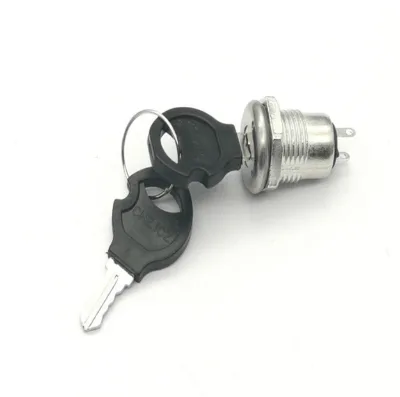
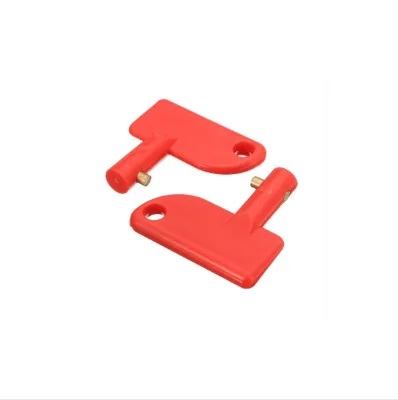


High Performance Key Switches for Medical Device Designed for Low-Level Switching
$0.40 - $1.00
MOQ: 100 Pieces





Comprehensive Sourcing Guide
Automotive Key Switch Sourcing Guide
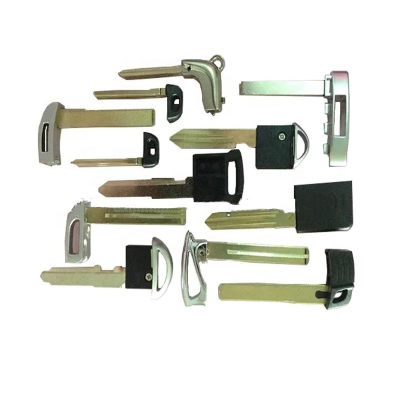
The Automotive Key Switch market encompasses a diverse range of components, from simple ignition switches to complex remote key shells and lock cylinders. Buyers must distinguish between mechanical locking hardware, such as brass cylinders with triple bolt structures, and electronic interfaces like chip remote shells made from ABS and metal. The observed product landscape includes items ranging from basic key shells with customizable logos to high-security lock bodies designed for fire resistance or specific mounting requirements.
Procurement strategies must account for significant variations in material composition and functional design. While some listings highlight raw materials like brass for durability, others emphasize plastic-metal composites for lightweight applications. Sourcing teams should verify whether the specific component serves as a master key system, a remote key function, or a physical lock case. Understanding these distinct categories prevents the confusion of ordering a mechanical cylinder when an electronic shell is required for the vehicle's specific architecture.
Product Scope and Observed Listing Signals
Buyers should carefully analyze the specific model identifiers and physical attributes listed in supplier catalogs to ensure alignment with vehicle requirements. The market features distinct product lines, such as the JK802 model with a 22mm mounting hole and the KS5 series, which may serve different vehicle generations. Observations indicate that products vary widely in weight, from 0.200kg per piece for heavier lock bodies to 18g for lightweight key shells, necessitating precise selection based on the intended assembly point.
Listing signals also reveal critical differences in packaging and origin that impact logistics and inventory planning. Suppliers in Anhui and Shanghai offer distinct packing solutions, ranging from simple cartons to plywood cases for bulk shipments. The observed minimum order quantities span from 100 pieces for custom key shells to 5000 units for specialized lock cylinders. Procurement teams must verify if the supplier's origin and packing method align with their supply chain capacity and storage constraints before finalizing orders.
Technical Specifications to Verify
Technical due diligence requires confirming exact dimensional tolerances and material grades to ensure compatibility with existing vehicle systems. Buyers must verify that mounting holes match the specified 22mm ± 0.5mm tolerance and that blade thickness falls within the 1.0mm to 3.5mm range observed in the market. For lock cylinders, the distinction between single bolt and multiple bolt structures is critical, as is the verification of key levels, which can range from A to C depending on the security requirements of the application.
Surface treatment and key type specifications are equally vital for long-term reliability and security performance. The market offers electroplated finishes on brass materials, but buyers must confirm if this treatment meets the specific corrosion resistance needs of their operating environment. Additionally, the key type, whether it is a single row anti-dialing key or a triplex row variant, must match the existing keyway to prevent mechanical failure. Verifying these precise attributes ensures the component will function correctly within the vehicle's locking mechanism.
Compliance and Safety Documentation
Compliance verification is essential when sourcing components that interact with vehicle security systems or require specific safety certifications. While some listings mention CE and ISO9001 standards, buyers must request current certificates to confirm that the manufacturing process adheres to these recognized quality management and safety protocols. It is crucial to distinguish between general product standards and specific automotive safety requirements, ensuring that the supplier can provide valid documentation for the specific batch being purchased.
Safety documentation should also address the material composition and potential environmental impacts of the components. Buyers need to confirm that raw materials, such as the ABS and metal composites used in key shells, meet relevant environmental directives. Although some background data suggests RoHS compliance, this cannot be assumed without explicit verification from the supplier. Ensuring that all materials and processes are fully documented protects the buyer from regulatory risks and ensures the final assembly meets international safety expectations.
Cost Drivers and Commercial Terms
Cost structures in this sector are heavily influenced by material costs, customization levels, and order volume. The price range observed spans from $0.06 to $90, reflecting the difference between simple plastic key shells and complex, multi-bolt lock cylinders. Buyers must understand that customization options, such as logo printing or specific key cutting, often incur additional charges that affect the final unit price. Volume discounts are typically available, but the minimum order quantity can vary significantly, ranging from 100 pieces for standard items to 5000 for specialized configurations.
Commercial terms and payment structures must be clearly defined to manage cash flow and mitigate financial risk. The market standard includes payment methods like T/T and Western Union, but buyers should negotiate terms that align with their internal financial policies. Shipping options, including air, sea, or express delivery, also impact the total landed cost and lead time. Procurement teams should evaluate the trade-off between faster delivery costs and the potential inventory holding costs associated with larger, slower shipments.
Supplier Qualification and Quality Control
Supplier qualification requires a rigorous assessment of their manufacturing capabilities and quality control systems. Buyers should verify the supplier's ability to handle OEM and ODM requests, as many listings indicate acceptance of custom designs. The presence of a supply ability of 3,000,000 pieces per month suggests high-volume capacity, but this must be balanced against the supplier's track record for maintaining consistent quality across large batches. Requesting samples and reviewing past performance data is essential to validate their production stability.
Quality control processes must be verified to ensure that every component meets the specified technical and aesthetic standards. Buyers should inquire about the inspection protocols for critical attributes like surface treatment, key level, and structural integrity. The variation in product origins, such as Anhui and Shanghai, may imply different quality control cultures, making on-site audits or third-party inspections a prudent step. Establishing clear acceptance criteria for defects and return policies ensures that the buyer receives components that meet the required performance standards.
Long-Term Procurement Checks
Long-term procurement success depends on establishing a reliable supply chain that can adapt to changing vehicle models and market demands. Buyers should monitor the supplier's ability to maintain consistent specifications over time, particularly for critical components like lock cylinders and key shells. Regular audits of the supplier's production lines and quality records help identify potential issues before they impact the supply chain. Building a strong relationship with the supplier ensures better communication and faster resolution of any technical or logistical challenges.
Sustainability and future-proofing are also key considerations for long-term procurement strategies. Buyers should assess the supplier's commitment to updating their product lines to meet evolving automotive standards and environmental regulations. The ability to source customizable parts with varying key levels and materials ensures flexibility as vehicle designs change. By maintaining a strategic partnership with qualified suppliers, buyers can secure a steady flow of high-quality components while minimizing the risk of supply disruptions or obsolescence.
FAQs
What materials are used for automotive key switches?
Automotive key switches typically utilize brass for the lock cylinder and ABS combined with metal for the key shell. The raw material composition ensures durability and resistance to wear. Surface treatments like electroplating are applied to enhance corrosion resistance and aesthetic appeal for long-term vehicle use.
Can I customize the logo on automotive key shells?
Yes, customization is available for automotive key shells. Buyers can request specific logos to be added to the product. This OEM service allows for brand alignment. The customization process supports various design requirements, ensuring the final product meets specific corporate identity standards for automotive accessories.
What is the minimum order quantity for key shells?
The minimum order quantity varies by product type. For car key shells, the MOQ is typically 100 pieces. For other lock components, it may be higher, such as 5000 pieces. Buyers should verify the specific MOQ for their selected model to ensure production feasibility and cost efficiency.
Which certifications apply to these lock cylinder products?
Products may comply with CE and ISO9001 standards. These certifications indicate adherence to quality management and safety regulations. Buyers should confirm specific certification requirements for their target market. The documentation ensures that the lock cylinders meet international standards for manufacturing quality and operational safety in automotive applications.
How are automotive key switches packaged for shipping?
Packaging options include cartons, paper boxes, and plywood cases. Car key shells are often packed as one to two pieces per box, with one thousand pieces per carton. This structured packaging protects the items during transit. Buyers can select packaging that best suits their logistics and storage requirements.
What payment terms are accepted for these orders?
Accepted payment terms include T/T and Western Union. These methods provide secure transaction processing for B2B orders. Buyers should coordinate with suppliers to finalize payment details before shipment. The flexibility in payment options helps facilitate smooth trade relationships and ensures timely order processing for automotive key components.