Source Automotive Vinyl Film for Car Wraps, Decorations, and Insulation
Explore 30 listings for Automotive Vinyl Film suitable for car body wraps, window decorations, and electrical insulation. Buyers can compare PVC and PE materials, thickness options, and customization features from verified Chinese manufacturers.
Key considerations
Products List


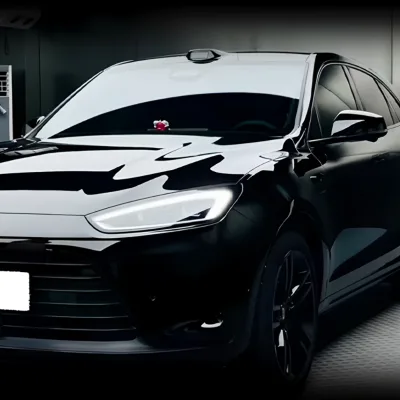
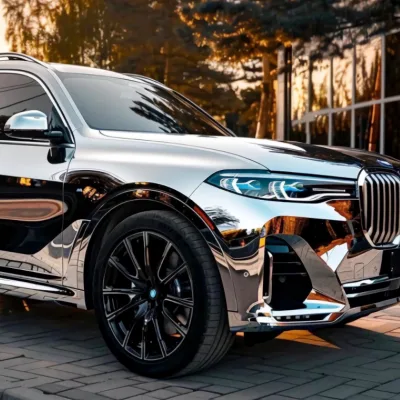


Premium Quality Double-Sided Colored PVC Film for Automotive Wraps
$0.35 - $0.42
MOQ: 100 Square Meters


Wholesale PVC Self Adhesive Vinyl Digital Printing Adhesive Film for Car
$0.35 - $0.42
MOQ: 100 Square Meters


$64.00 - $132.00
MOQ: 1 Rolls


Self Adhesive Vinyl Car Color Change Film for Ultimate Protection
$0.35 - $1.50
MOQ: 2000 Square Meters


Comprehensive Sourcing Guide
Strategic Sourcing Guide for Automotive Vinyl Film
Understanding Product Variants and Material Composition
The Automotive Vinyl Film market presents a diverse array of products that, while sharing a common core keyword, serve distinct functional purposes ranging from vehicle protection to aesthetic customization. Buyers must first distinguish between the primary material compositions observed in current listings. The supply chain features products explicitly identified as Polyethylene Terephthalate (PET), which often serves as the substrate for high-performance films, alongside Polyvinyl Chloride (PVC) variants. PVC materials are frequently associated with applications such as insulation tape and electrical adhesive tape, yet they also appear in the context of automotive packaging and decorative films. Additionally, Polyethylene (PE) is noted as a material option for specific film types, indicating a broader spectrum of polymer bases available to the procurement specialist.
The physical form of these products is another critical differentiator. While some listings describe the product as "Rolls" with specific dimensions like 1.52x30m or 1.52x28m, others offer flexible sizing "as Your Required." The thickness of the film is a pivotal specification, with observed data indicating a range from 0.05mm to 0.22mm. Specific product models highlight a thickness of 2 Mil, which is a standard metric for automotive-grade films requiring durability. The molding method for certain film types is identified as Blow Molding, suggesting specific manufacturing processes that influence the film's structural integrity and flexibility. Buyers should verify the exact material distinction and thickness requirements against their specific application needs, as a film designed for dry stick applications may differ significantly from one intended for car body wrapping.
Technical Specifications and Performance Attributes
When evaluating Automotive Vinyl Film, technical specifications must be scrutinized to ensure the product meets the rigorous demands of the automotive environment. A key performance indicator is the optical property of the film, specifically its transparency and light transmittance. Data indicates that transmittance values can vary widely, with observed ranges including 3%, 10%, 14%, 16%, 17%, 19%, 26%, 41%, and 62%. This variability allows for the selection of films suitable for different lighting conditions and aesthetic goals, from opaque protection to semi-transparent decorative effects. Color options are equally diverse, with listings specifying Light Black, Light Green, and Light Blue, alongside general "Customized Logo Acceptable" capabilities that suggest a high degree of color flexibility.
The functional capabilities of the film are paramount for automotive applications. High-confidence observations list several advanced functions, including Self Healing, UV Proof, Sand Proof, and Anti Scratch properties. These features are critical for protecting vehicle paint from environmental degradation and minor abrasions. Some product models, such as those designated as "N-803W" or "SL-CPF," explicitly combine these functions with Color Changing capabilities, offering dynamic aesthetic options. The adhesive system is another technical pillar; successful automotive films often utilize a Solvent-Based Removable Acrylic glue with Low Initial Tack. This specific adhesive profile is engineered to allow for repositioning during installation while ensuring the film does not leave residue upon removal, a feature highlighted by the advantage of "No Glue Left." The ease of installation is further enhanced by the film's ability to stretch without changing color, a property noted as a distinct advantage for complex vehicle curves.
Compliance, Certification, and Regulatory Standards
Navigating the regulatory landscape is essential for sourcing Automotive Vinyl Film, particularly when the product is intended for export or use in regions with strict environmental and safety laws. The supply data reveals a variety of standards and certifications that buyers should verify. Commonly observed compliance markers include EN71, SGS, RoHS, and REACH. These standards address chemical safety, heavy metal content, and general product safety, which are crucial for materials that may be exposed to sunlight and heat within a vehicle environment. Other listings reference ISO9001 and MSDS (Material Safety Data Sheet), indicating a focus on quality management systems and hazardous material transparency.
It is important to treat these certifications as observations of specific supplier capabilities rather than universal guarantees for all products in the category. A buyer must confirm that the specific batch or model number they intend to purchase carries the necessary certifications for their target market. For instance, while some products list EN71 and RoHS, others may prioritize SGS and ISO9001. The standard "1.52x30m" or "1.52x28m" dimensions mentioned in the data often accompany specific compliance claims, suggesting that the manufacturing process for these standard widths adheres to particular quality benchmarks. Buyers should request current certification documents for the exact model number to ensure that the "SGS" or "REACH" status is active and applicable to the specific material composition, such as the PET or PVC variants, being sourced.
Cost Drivers and Procurement Parameters
The cost structure of Automotive Vinyl Film is influenced by a complex interplay of material type, customization levels, and order volume. The observed price range in the market is substantial, spanning from $0.17 to $1380 USD. This wide disparity suggests that pricing is highly dependent on the specific product model, the complexity of the customization, and the total quantity ordered. The Minimum Order Quantity (MOQ) also varies significantly, with observed ranges from 1 Roll to 30,000 units. This flexibility allows buyers to test the market with small orders or secure bulk pricing for large-scale fleet applications.
Several factors drive the final cost. Customization is a primary cost driver; products offering "Customized Logo Acceptable" or "as Your Required" sizing often command a premium over standard stock items. The material distinction plays a role, with PET-based films potentially costing differently than PVC or PE alternatives due to raw material market fluctuations. Additionally, the inclusion of advanced functional layers, such as self-healing top coats or color-changing pigments, adds to the manufacturing complexity and cost. The packaging method, whether standard "1 Roll / Cartonc" or custom packaging, also impacts logistics and final pricing. Buyers should analyze the total cost of ownership, considering not just the unit price but also the lead time and shipping costs associated with different MOQ thresholds.
Typical Applications and Use Cases
Automotive Vinyl Film serves a multitude of applications beyond simple vehicle wrapping. The data highlights a clear segmentation between protective, decorative, and functional uses. One primary application is as an "Automotive Packaging Vinyl," used to protect vehicle paint during shipping and storage. These films are designed to be easily removed without leaving adhesive residue, making them ideal for temporary protection. Another significant use case is for "Car Body Sticker" applications, including small stickers for the body, car window stickers, and decoration stickers for the rear of the vehicle. These products often feature specific positioning requirements, such as "Body" or "Rear," and may include sporting sticker designs.
Beyond protection and decoration, the film is utilized for "Insulation Tape" and "Electrical Adhesive Tape" applications, suggesting its versatility in automotive electrical systems. The "Dry Stick" application indicates uses where the film adheres to surfaces without the need for additional adhesives, relying on the inherent tack of the material. The "Self Healing" and "UV Proof" properties make these films suitable for long-term exterior exposure, protecting against sand, scratches, and fading. The "Color Changing" function adds a layer of customization for enthusiasts seeking unique visual effects. Buyers should match the specific application requirements, such as the need for "Privacy Protection" or "Anti Scratch" performance, with the appropriate product model and material composition.
Supplier Evaluation and Quality Assurance
Evaluating suppliers for Automotive Vinyl Film requires a rigorous approach to quality assurance and operational reliability. The supply data indicates that the "Place of Origin" is predominantly China, with specific mentions of Guangdong as a manufacturing hub. While this provides a broad geographical context, buyers must verify the specific factory capabilities and quality control processes. The presence of "3 Years" warranty on certain products suggests a level of confidence in the product's durability, but this warranty should be scrutinized for its terms and conditions.
Quality control should focus on verifying the consistency of the adhesive performance, specifically the "Low Initial Tack" and "No Glue Left" claims. Buyers should request samples to test the "Easy to Install" and "Easy to Stretch" properties, ensuring the film does not change color or tear during application. The "Molding method" of Blow Molding should be confirmed for relevant products to ensure the film has the necessary flexibility and strength. Additionally, the "Customization" availability should be validated to ensure the supplier can meet specific branding or sizing requirements without compromising quality. It is crucial to avoid relying solely on listed advantages and instead conduct independent testing or request third-party verification of the "Self Healing" and "UV Proof" claims.
Long-Term Procurement Considerations
Sourcing Automotive Vinyl Film is not merely a transactional activity but a strategic decision that impacts long-term brand reputation and vehicle maintenance costs. Buyers should consider the lifecycle of the product, including its resistance to environmental factors over time. The "Warranty_Warranty" of 3 years on some models provides a baseline for expected performance, but real-world conditions may vary. The "Advantage" of not leaving glue residue is critical for resale value, as improper removal can damage the underlying paint.
Future-proofing the procurement strategy involves staying informed about evolving standards and material innovations. As environmental regulations tighten, the availability of REACH and RoHS compliant materials will become increasingly important. Buyers should also monitor the supply chain for stability, particularly regarding the "Lead time" and "MOQ" flexibility. The ability to source "as Your Required" sizes and custom logos ensures that the supply chain can adapt to changing market demands. Finally, maintaining a relationship with suppliers who offer comprehensive technical support and clear documentation on material composition will facilitate smoother operations and quicker resolution of any quality issues that may arise during the product's lifecycle.
FAQs
What materials are used for Automotive Vinyl Film?
Automotive vinyl films are primarily made from PVC, PE, or PET materials. Buyers should verify the specific material distinction for their application, as PVC is common for insulation while PET often serves as a substrate for high-performance films.
Which certifications apply to these automotive films?
Common certifications include EN71, SGS, RoHS, REACH, and ISO9001. These standards address chemical safety and quality management, but buyers must confirm that the specific batch or model number carries the necessary certifications for their target market.
How thick are the available automotive vinyl films?
Film thickness ranges from 0.05mm to 0.22mm, with some models specified at 2 Mil. This variation allows selection based on durability needs, where thicker films may offer better protection against sand and scratches for exterior applications.
Can I customize the logo and size of the film?
Yes, customization is available for logos and specific sizes as required. Buyers can request custom dimensions and logos, though this often impacts the final cost and may require a higher minimum order quantity compared to standard stock items.
What functions do self-healing automotive films provide?
Self-healing films offer UV proof, sand proof, and anti-scratch protection. These features help maintain vehicle paint integrity against environmental degradation, with some models also providing color-changing capabilities for aesthetic customization.
Where are these automotive vinyl films manufactured?
The products originate from China, with specific manufacturing hubs in Guangdong. Buyers should verify the specific factory capabilities and quality control processes, as the place of origin influences logistics and potential lead times for international orders.
What is the minimum order quantity for these films?
The minimum order quantity ranges from 1 roll to 30,000 units depending on the supplier. This flexibility allows buyers to test the market with small orders or secure bulk pricing for large-scale fleet applications requiring specific customization.