Source Color Changing Roof Protection Film for Cars
Source Color Changing Roof Protection Film from 30 verified suppliers. Compare TPU and PVC options featuring self-healing, UV proof, and waterproof properties for automotive body and sunroof applications. Evaluate MOQs, thickness, and adhesive types to find the right fit for your vehicle customization needs.
Updated
Key considerations
Products List
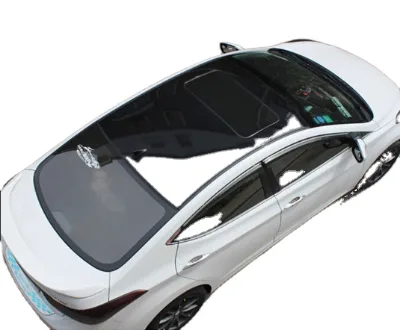
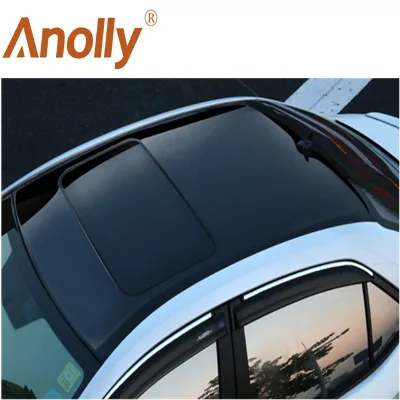

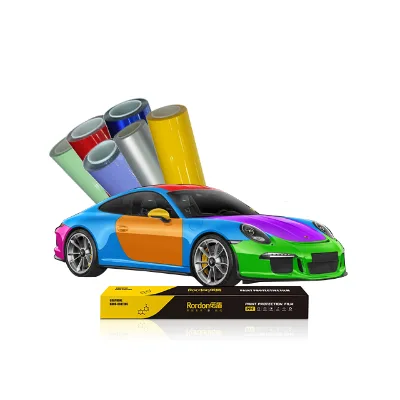
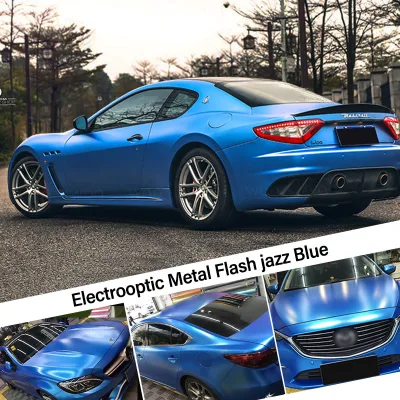
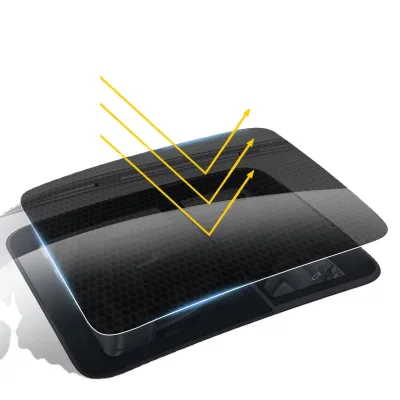
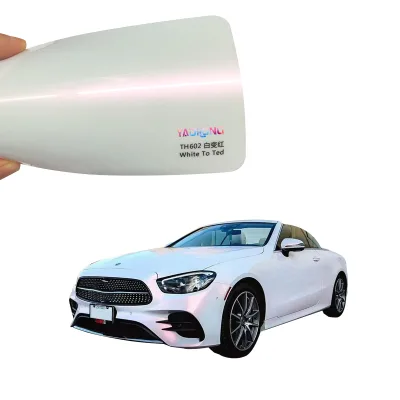
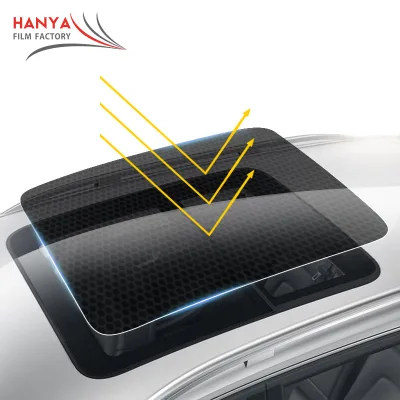
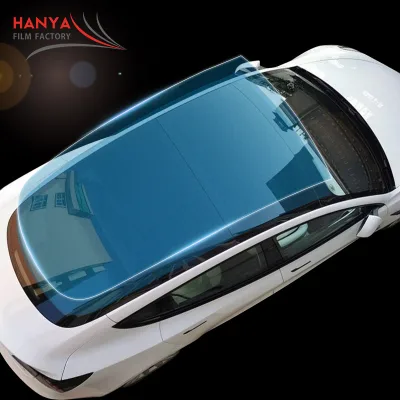
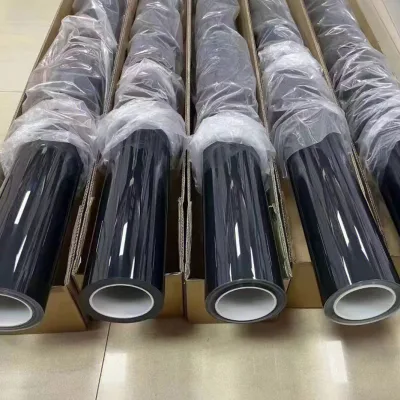
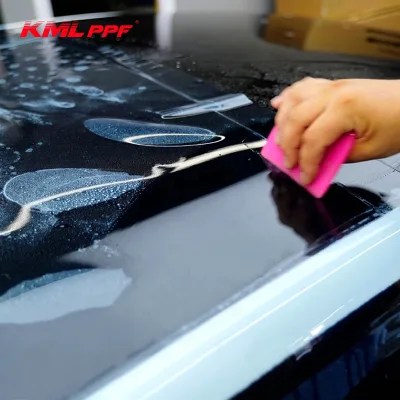
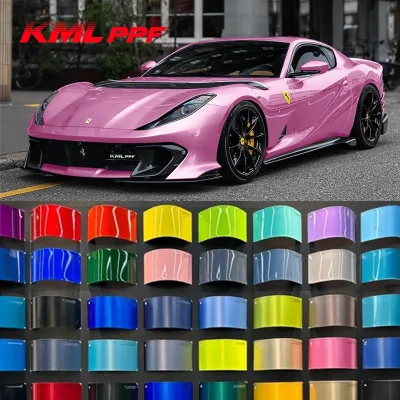
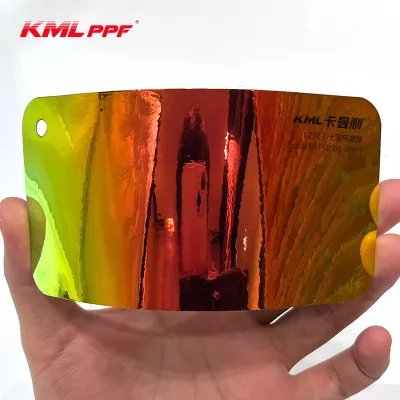
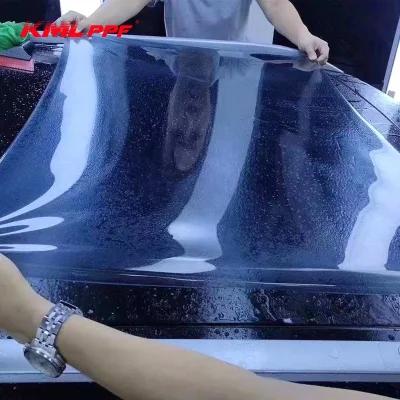
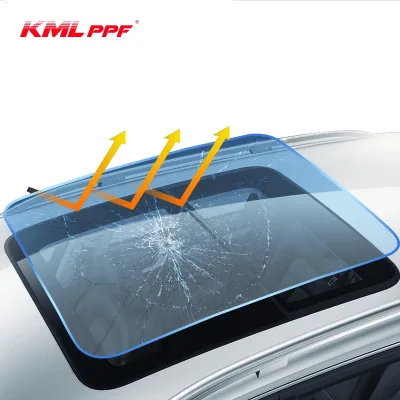

Self Healing Car Coating Transparent Paint Protection Film Car Cover Protect
$175.00 - $310.00
MOQ: 10 roll


Self Adhesive Vinyl Car Color Change Film for Ultimate Protection
$0.35 - $1.50
MOQ: 2000 Square Meters

Breathable Car Wrapping Film - Protect Your Car's Paint Effectively
$0.35 - $1.50
MOQ: 2000 Square Meters


Comprehensive Sourcing Guide
Color Changing Roof Protection Film Sourcing Guide
Procuring Color Changing Roof Protection Film requires a nuanced understanding of material science and supply chain logistics, particularly when balancing aesthetic customization with functional durability. Buyers must distinguish between standard vinyl wraps and advanced thermoplastic polyurethane (TPU) films, as the latter offers superior self-healing properties and resistance to environmental degradation. The market presents a wide array of options, from basic PVC films to high-performance TPU variants, each serving different budget and performance tiers. Understanding these material distinctions is critical for selecting a product that meets both visual requirements and long-term protection standards.
This guide focuses on evidence-based sourcing strategies for color changing roof protection films, leveraging observed market data and technical specifications. We examine the key differentiators between product types, including thickness, adhesive quality, and functional attributes like UV and infrared rejection. By aligning procurement decisions with verified technical parameters, buyers can mitigate risks associated with premature failure or aesthetic inconsistency. The following sections provide a structured approach to evaluating suppliers, verifying specifications, and establishing commercial terms that ensure value and reliability in the final supply chain.
Product Scope and Observed Listing Signals
The current market for roof protection films includes distinct categories such as PVC-based body stickers and high-end TPU color changing paint protection films (PPF). Observed listings indicate a price range from $0.35 to $550 USD, reflecting significant variance in material quality and brand positioning. PVC films, often marketed as removable and waterproof, typically feature a thickness of 110 microns and are suitable for temporary or budget-conscious applications. In contrast, TPU films, such as those branded by Rordon, offer advanced features like self-healing, sand proofing, and color-changing capabilities, commanding higher price points due to their superior tensile strength and durability.
Listing signals also reveal variations in packaging and physical dimensions, which impact logistics and handling. Standard sizes observed include 1.35x15m for PVC films and 1.52x15m for TPU variants, with single package weights ranging from 8kg to 12kg. Buyers should note that while some products advertise "air bubble free" installation, this is often dependent on professional application techniques rather than an inherent product guarantee. The presence of specific brand names like Anolly or Rordon suggests a tiered market where brand reputation correlates with perceived quality and after-sales support, influencing the overall procurement strategy.
Technical Specifications to Verify
When evaluating technical specifications, thickness and material composition are paramount for ensuring adequate protection and aesthetic fidelity. TPU films often specify a thickness of 7.5mil, providing a robust barrier against physical impacts while maintaining optical clarity and gloss levels around 94. Buyers must verify the adhesive type, as acrylic removable adhesives are preferred for easy removal without damaging the underlying paint. Additionally, functional attributes such as UV proofing, anti-scratch resistance, and infrared rejection rates (e.g., 0.9 IR rejection) should be confirmed through supplier documentation, as these directly impact the film's longevity and performance under varying environmental conditions.
Dimensional consistency and packaging integrity are also critical technical factors that affect installation efficiency and waste reduction. Standard roll sizes like 1.52x15m require precise cutting and handling, making single package dimensions (e.g., 158x18.5x16 cm) important for warehouse planning. Buyers should request detailed specification sheets that confirm the release paper weight, such as 100gsm or 120g, which influences the ease of application. Furthermore, verifying the operating temperature range, typically -15 to 150 degrees Celsius, ensures the film remains stable during both application and long-term exposure to extreme weather, preventing delamination or discoloration over time.
Compliance and Safety Documentation
Compliance with international standards is essential for ensuring that roof protection films meet safety and environmental regulations. While specific certification statuses may vary by supplier, buyers should request documentation confirming adherence to relevant industry benchmarks, such as ASTM D7334 for paint protection film performance. This standard evaluates the film's ability to resist abrasion and maintain its protective qualities over time. Procurement teams must verify that suppliers can provide test reports or certificates of conformity, ensuring that the materials used do not contain harmful substances and meet environmental friendliness claims, which is increasingly important for global supply chains.
Safety documentation also extends to the handling and installation processes, requiring clear guidelines on adhesive safety and material disposal. Buyers should ensure that suppliers provide Material Safety Data Sheets (MSDS) for the films and adhesives, detailing any potential hazards during application. This is particularly relevant for films with strong adhesive properties or those containing chemical components that may require ventilation during installation. By prioritizing suppliers with robust compliance documentation, buyers can mitigate legal and reputational risks, ensuring that their procurement activities align with corporate sustainability goals and regulatory requirements in target markets.
Cost Drivers and Commercial Terms
Cost drivers for color changing roof protection films are primarily influenced by material type, thickness, and functional additives. TPU films with self-healing and color-changing properties command higher prices due to complex manufacturing processes and superior raw material costs. In contrast, PVC films offer a more economical option but may lack the long-term durability and aesthetic stability of TPU variants. Buyers should analyze the price-to-performance ratio, considering that higher initial costs for TPU films may result in lower total cost of ownership due to reduced replacement frequency and better protection of the vehicle's paintwork.
Commercial terms, including minimum order quantities (MOQ) and lead times, significantly impact procurement flexibility. Observed MOQs range from 1 roll to 2000 units, allowing for both small-scale trials and large-volume contracts. Buyers should negotiate terms that accommodate their inventory management strategies, such as flexible MOQs for initial orders or volume discounts for repeat purchases. Additionally, packaging specifications, such as polybag with sea-worthy cartons, affect shipping costs and damage risk. Clear communication regarding packaging standards and handling instructions can help minimize logistics expenses and ensure that products arrive in optimal condition for installation.
Supplier Qualification and Quality Control
Supplier qualification is a critical step in ensuring the reliability and consistency of color changing roof protection films. Buyers should assess suppliers based on their production capabilities, quality control processes, and track record in the automotive aftermarket industry. Verifying the place of origin, such as Guangdong, China, can provide insights into the supplier's access to raw materials and manufacturing infrastructure. Additionally, evaluating the supplier's ability to provide customization options, such as specific colors or sizes, indicates their flexibility and responsiveness to unique buyer requirements.
Quality control measures should include rigorous testing of film properties, including tensile strength, adhesion, and color consistency. Buyers should request samples for independent testing to verify claims regarding durability, self-healing capabilities, and resistance to environmental factors. Establishing clear quality acceptance criteria, such as maximum allowable defects per roll or specific gloss level tolerances, helps maintain consistency across orders. Regular audits and performance reviews of suppliers can further ensure that quality standards are met, fostering a long-term partnership based on trust and mutual benefit.
Long-Term Procurement Checks
Long-term procurement checks involve monitoring supplier performance and adapting to market changes to maintain supply chain resilience. Buyers should establish key performance indicators (KPIs) related to delivery times, product quality, and customer service responsiveness. Regularly reviewing these metrics allows for proactive identification of potential issues, such as delays in production or inconsistencies in film quality. By maintaining open communication channels with suppliers, buyers can address concerns promptly and collaborate on continuous improvement initiatives, ensuring that the supply chain remains efficient and reliable.
Market trends and technological advancements in roof protection films also necessitate ongoing evaluation of procurement strategies. As new materials and application techniques emerge, buyers should stay informed about industry developments to identify opportunities for cost savings or performance enhancements. Engaging with industry forums and attending trade shows can provide valuable insights into emerging products and supplier capabilities. By remaining agile and informed, buyers can optimize their procurement processes, ensuring that they continue to meet evolving customer demands and maintain a competitive edge in the automotive aftermarket sector.
FAQs
What is the material composition of Color Changing Roof Protection Film?
The film is primarily made from TPU or PVC materials. TPU variants offer self-healing and anti-scratch properties, while PVC options provide infrared proofing. Both materials are designed to be waterproof and environmentally friendly, ensuring durability against environmental factors while maintaining the desired color-changing aesthetic for vehicle roofs.
How thick is the Color Changing Roof Protection Film?
Thickness varies by material type. TPU films typically measure 7.5 mils, providing high tensile strength. PVC films are available at 110 microns. These specific thicknesses ensure adequate protection for the roof surface while maintaining flexibility for application. Buyers should select the thickness based on their specific durability and aesthetic requirements.
Can the adhesive on the film be removed without damage?
Yes, the adhesive is designed to be removable. It uses acrylic removable glue that allows for clean extraction without leaving residue or damaging the underlying paint. This feature ensures that the roof protection can be replaced or removed easily, maintaining the vehicle's original finish and allowing for future customization changes.
What are the standard dimensions for the color changing roof film rolls?
Standard roll sizes include 1.35 by 15 meters for PVC films and 1.52 by 15 meters for TPU films. These dimensions are optimized for covering large roof surfaces efficiently. The rolls are packaged in polybags with sea-worthy cartons, ensuring safe transport and protection of the film material during shipping and handling.
What functional benefits does the color changing film provide?
The film offers UV proofing, infrared rejection, and self-healing capabilities. It is also sand-proof and anti-scratch, protecting the roof from environmental damage. The color-changing feature allows for aesthetic customization. These functions combine to provide comprehensive protection while enhancing the visual appeal of the vehicle roof surface effectively.
What is the minimum order quantity for purchasing this film?
The minimum order quantity is one roll. This low MOQ allows buyers to test the product quality before committing to larger orders. It facilitates flexible purchasing for small businesses or individual projects. The single roll packaging ensures that even small orders are handled with care and ready for immediate application or distribution.