Source Self Healing UV Proof PPF for Body Protection
Find 30 Self Healing UV Proof PPF options from Guangzhou suppliers. Compare TPU films with features like self-healing scratches, UV rejection, and color-changing capabilities. Evaluate thickness, glue type, and durability for automotive body protection needs; compare the available evidence and request quotations based on your requirements.
Key considerations
Products List
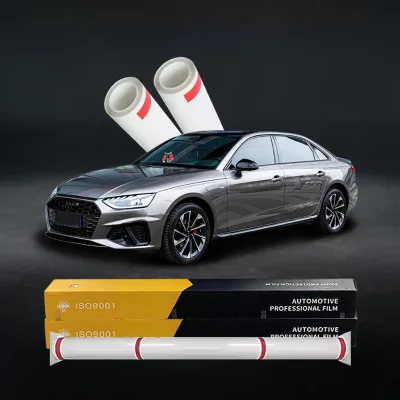


Ppf-U Hot Self Healing TPU Film Strong Brightness Paint Protection Film
$480.00 - $550.00
MOQ: 1 Rolls




Comprehensive Sourcing Guide
Self Healing UV Proof PPF Sourcing Guide
Procuring self-healing UV proof paint protection film (PPF) requires a disciplined approach to material verification and supplier transparency. Buyers must prioritize films constructed from thermoplastic polyurethane (TPU) to ensure the inherent elasticity and chemical resistance necessary for long-term vehicle protection. The core value proposition lies in the film’s ability to repair minor surface abrasions through heat activation, a feature that significantly extends the aesthetic lifespan of automotive finishes. Sourcing decisions should be grounded in observable product attributes rather than marketing claims, focusing on tangible specifications such as thickness, adhesive quality, and optical clarity.
This guide outlines the critical verification steps for sourcing high-performance PPF, emphasizing the importance of technical due diligence. Buyers are advised to examine the specific functional claims, such as UV rejection rates and self-healing capabilities, against the provided product data. Understanding the distinction between different film types, including nano ceramic variants, is essential for aligning procurement with specific project requirements. The following sections detail the scope, technical parameters, compliance needs, cost structures, supplier qualifications, and long-term checks necessary for successful acquisition.
Product Scope and Observed Listing Signals
The current market landscape for self-healing PPF includes a variety of product configurations, with observed listings indicating a price range of $48 to $565 USD. Minimum order quantities (MOQ) typically start at one roll, facilitating sample acquisition and small-batch testing for procurement teams. Products are frequently described with attributes such as "air-free bubbles," indicating advanced installation properties that reduce labor time and error rates during application. Buyers should note that while many listings highlight self-healing and UV-proof features, the specific performance metrics can vary significantly between different model numbers and material grades.
Observed product names often include terms like "TPU PPF film" or "Car Paint Protection Film," signaling the primary material composition. Listings frequently mention customizable options, including color choices and OEM packaging, which are crucial for branding and specific client requirements. The presence of features like "color changing" and "privacy protection" suggests a broader scope beyond standard clear films, catering to aesthetic customization needs. Procurement teams must carefully cross-reference these descriptive terms with the actual technical specifications to ensure the selected product meets the intended functional and visual objectives.
Technical Specifications to Verify
Thickness is a primary determinant of protection level and durability, with observed specifications ranging from 6.5 mil to 10 mil. Thicker films generally offer superior resistance to stone chips and environmental abrasions, while maintaining the flexibility required for complex vehicle contours. Buyers should verify the exact thickness for each order, as variations can impact both the installation process and the final protective performance. The standard size of 1.52 meters by 15 meters is common, providing a consistent roll dimension for inventory management and application planning.
Adhesive quality is another critical technical parameter, with some products utilizing German glue that is designed to be removable without damaging the underlying paint. This feature is essential for long-term vehicle maintenance and resale value preservation. Additionally, buyers must confirm the UV rejection rates, which can range from 90% to 99%, ensuring adequate protection against sun-induced fading and material degradation. The elongation break rate, observed at greater than or equal to 310%, indicates the film’s ability to stretch and conform to body lines without tearing, a vital characteristic for seamless installation.
Compliance and Safety Documentation
While specific certification statuses are not universally provided in all listings, buyers should request documentation that verifies the chemical safety and environmental compliance of the PPF. Materials used in automotive applications must adhere to strict regulations regarding volatile organic compounds (VOCs) and hazardous substances. Procurement teams should inquire about the presence of safety data sheets (SDS) and any relevant regional compliance marks, ensuring that the product meets the legal requirements for import and use in the target market.
Yellowing resistance is a key performance indicator that often correlates with compliance with quality standards. Observed data suggests a yellowing resistance value of △E≤2.5, which indicates a high level of stability against UV-induced discoloration over time. Buyers should verify if the supplier conducts regular testing to maintain this standard and request recent test reports to confirm consistency. Ensuring that the film meets these durability benchmarks is crucial for maintaining brand reputation and customer satisfaction in the automotive protection sector.
Cost Drivers and Commercial Terms
The cost of self-healing PPF is influenced by several factors, including material thickness, adhesive technology, and additional functional features such as color changing or heat insulation. Thicker films and those with advanced self-healing properties typically command higher prices, reflecting the increased material and manufacturing costs. Buyers should analyze the price range of $48 to $565 USD in the context of these specifications to determine the value proposition of each option. Understanding the cost drivers helps in budgeting and selecting the most appropriate product for specific project requirements.
Commercial terms such as MOQ and packaging options also impact the total cost of ownership. With an MOQ of one roll, buyers have the flexibility to test products before committing to larger orders. Packaging details, such as carton or logo printing, can affect shipping costs and branding opportunities. Buyers should negotiate terms that align with their inventory management strategies and ensure that the supplier offers clear pricing structures for samples and bulk orders. Transparent commercial terms facilitate smoother procurement processes and reduce the risk of unexpected expenses.
Supplier Qualification and Quality Control
Supplier qualification is critical for ensuring the consistency and reliability of self-healing PPF products. Buyers should verify the supplier’s production capabilities, including their ability to maintain strict quality control measures throughout the manufacturing process. The presence of OEM acceptance and customization options indicates a supplier’s flexibility and commitment to meeting specific client needs. Procurement teams should assess the supplier’s track record in delivering products that meet the specified technical parameters, such as tensile strength and chemical resistance.
Quality control checks should include verification of key attributes like UV rejection, self-healing efficacy, and adhesive performance. Buyers should request samples to conduct independent testing and validate the supplier’s claims. The observed single gross weight of 14.000 kg for standard packages provides a benchmark for logistics planning and quality verification. Establishing a robust supplier qualification process helps mitigate risks associated with product variability and ensures that the sourced PPF meets the required performance standards.
Long-Term Procurement Checks
Long-term procurement success depends on continuous monitoring of product performance and supplier reliability. Buyers should establish a feedback loop with end-users to gather data on the film’s durability, self-healing capabilities, and resistance to environmental factors. This information is crucial for making informed decisions about future purchases and identifying potential issues early in the product lifecycle. Regularly reviewing supplier performance against established metrics helps maintain high standards and ensures that the sourced products continue to meet evolving market demands.
Additionally, buyers should stay informed about advancements in PPF technology and material science to remain competitive. The automotive protection industry is dynamic, with new innovations in self-healing and UV protection emerging regularly. Procurement teams should engage with suppliers to discuss potential upgrades or new product offerings that could enhance their portfolio. By maintaining a proactive approach to supplier management and product evaluation, buyers can secure a reliable supply of high-quality self-healing UV proof PPF for their clients.
FAQs
What is the self healing capability of this film?
The film features self healing properties that repair minor scratches automatically. This function works alongside UV proof and anti scratch capabilities to maintain clarity. The material is TPU based and offers strong stability for long term protection on vehicle bodies.
How much UV rejection does the product provide?
The product provides high UV rejection rates ranging from 90% to 99% depending on the specific model. This ensures effective protection against harmful rays while maintaining light transmission. The film also includes anti yellowing resistance to preserve appearance over time.
Which thickness options are available for this PPF?
Available thickness options include 6.5 mil, 7.5 mil, 8.5 mil, and 10 mil variants. These dimensions allow customization based on specific protection needs. The standard size is 1.52 meters by 15 meters for easy application on various vehicle surfaces.
Can I get samples before placing a bulk order?
Yes, samples are available for customers to evaluate the product quality before committing. The brand accepts OEM customization and offers free samples in certain cases. This allows buyers to verify features like color changing and heat resistance firsthand.
What is the durability period of the paint protection film?
The film is designed for durability lasting more than five years under normal conditions. It features anti corrosion and stain resistance to ensure long term performance. The material maintains its integrity against environmental factors while protecting the car paint effectively.
Where is the place of origin for this product?
The place of origin is Guangzhou, China, where the manufacturing takes place. This location supports the production of TPU based films with specific features like glue adhesion. The products are packed in cartons for safe international shipping to global buyers.
How does the glue system work on this film?
The film uses German glue that is removable and ensures strong adhesion without damaging paint. This system allows for easy installation and removal if needed. It contributes to the overall stability and anti scratch performance of the protective layer on the vehicle.