Source Beach Towel Holder Clips for Camping, Bathrooms, and Laundry
Compare 30 listings of Beach Towel Holder Clips featuring PS, ABS, and PP materials with spring or standing installation types. Buyers can evaluate options for outdoor camping, bathroom storage, and laundry drying with customized colors and logos available from suppliers in Zhejiang, China.
Key considerations
Products List
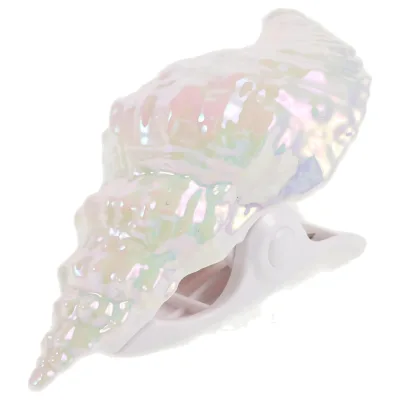
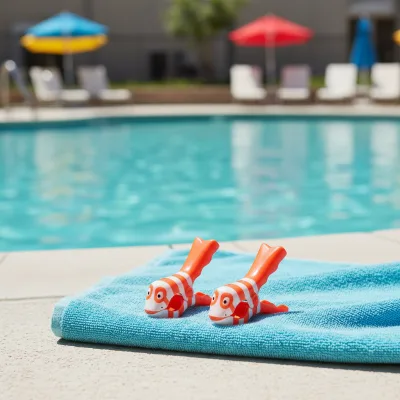
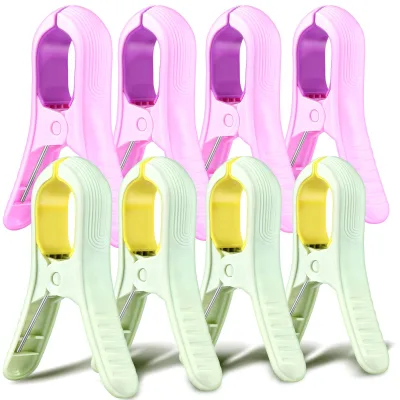
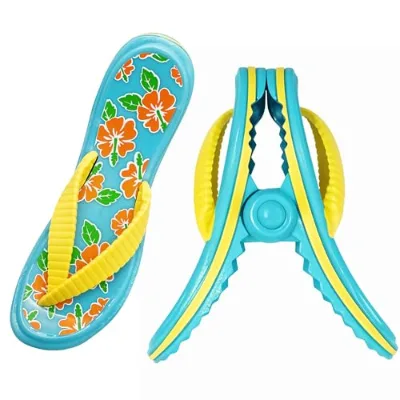
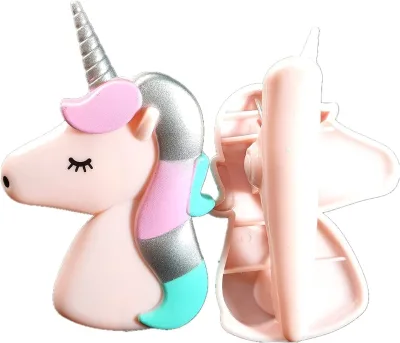
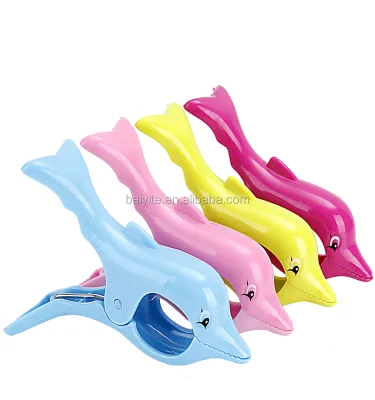


Promotion Colorful Beach Used Towel Clips Plastic Beach Towel Clips for Beach Chairs
$0.50 - $1.50
MOQ: 500 Pieces


Beach Towel Clip Camping Mat Clip Outdoor Clothes Pegs for Sheet Holder
$0.22 - $0.35
MOQ: 5000 Pieces

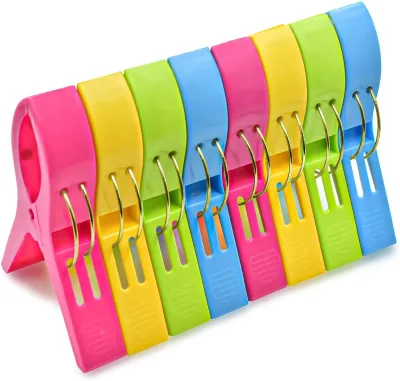


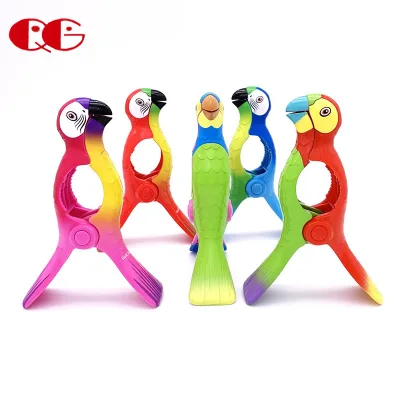


Factory Wholesale Silicone Towel Clips Towel Holders Towel Hook Clips Silicone
$0.50 - $0.70
MOQ: 1000 Pieces




Comprehensive Sourcing Guide
Strategic Sourcing Guide for Beach Towel Holder Clips
Understanding Product Definitions and Functional Scope
The category of Beach Towel Holder Clips encompasses a diverse range of fastening mechanisms designed to secure towels to various surfaces, primarily beach chairs, but also extending to outdoor camping gear and household storage. When initiating a procurement search for these items, buyers must first distinguish between specific product nomenclatures that often appear interchangeably in supplier catalogs. The core product is frequently identified as a "Beach Towel Clip" or "Towel Clips For Beach Chairs," yet the same item may be listed under broader categories such as "Bag Clips," "Clothes Drying" tools, or general "Clips."
A critical observation in the current market data is the variation in functional design descriptions. While the primary use case is securing beach towels, the observed attributes indicate a multifunctional capability. Some listings specify the application for "Behind Doors/On Walls," "Bathroom," "Living Room," "Kitchen," and "Wardrobe" spaces. This suggests that the product design, often featuring a spring mechanism or a standing type, is versatile enough for indoor organization as well as outdoor utility. Buyers should verify whether the specific unit they are sourcing is optimized for the high-tension environment of a beach chair or if it is a lighter-duty variant intended for hanging clothes or organizing bags. The distinction is vital because the mechanical stress requirements for a beach chair, which may be subjected to wind and saltwater, differ significantly from those for a wardrobe hook.
The product shape is another defining characteristic. Market observations note a "Polygon" shape for certain models, while others may be described as having a "Funny" or "Traditional" style. These aesthetic and geometric variations often correlate with the intended user demographic and the specific mounting surface. For instance, a polygon shape might offer a more secure grip on the fabric of a beach chair, whereas a traditional style might be preferred for indoor hanging applications. Understanding these nuances ensures that the procurement team selects a product that aligns with the specific end-use scenario of their target market.
Technical Specifications and Material Composition
The technical integrity of Beach Towel Holder Clips relies heavily on the materials used and the manufacturing processes employed. A detailed analysis of the available product data reveals a mix of material specifications that buyers must scrutinize. The primary material cited is "Plastic," with specific subtypes including "PS" (Polystyrene), "ABS" (Acrylonitrile Butadiene Styrene), and "PP" (Polypropylene). Each of these materials offers distinct properties. ABS is generally known for its high impact resistance and toughness, making it suitable for outdoor applications where the clip might be dropped or subjected to physical stress. PP offers excellent chemical resistance and flexibility, which is beneficial for items exposed to saltwater and UV radiation. PS, while rigid, may be more brittle and less suitable for high-stress applications unless reinforced.
In addition to plastic components, the metal elements of these clips are often described as "galvanize." This indicates a zinc coating applied to the metal parts, likely the spring mechanism or the clamping jaws, to prevent rust and corrosion. Given that beach environments are highly corrosive due to salt spray and humidity, the quality of this galvanization is a critical quality control point. Buyers should verify the thickness and uniformity of the galvanization to ensure long-term durability.
The manufacturing technique is predominantly "Injection" molding for the plastic components. This process allows for high precision and consistency in the production of complex shapes, such as the polygon designs observed. The dimensional tolerance for these injection-molded parts is specified as less than ±1mm, and the weight tolerance is noted as less than ±1%. These tight tolerances are essential for ensuring that the clips fit securely on standard chair frames and that the spring tension remains consistent across a large batch. The thickness of the product is observed to be around 3mm, which provides a balance between structural rigidity and weight efficiency.
Furthermore, the installation type varies between "Spring type" and "Standing Type." The spring type relies on tension to hold the towel, while the standing type may utilize a base or a different mechanical locking mechanism. The model numbers, such as BYT-49, BYT-53, and 3.14-1, serve as unique identifiers for these specific configurations. Buyers must ensure that the model number selected matches the required installation method for their specific application.
Cost Drivers and Pricing Dynamics
The pricing structure for Beach Towel Holder Clips is influenced by several key factors, including material costs, order volume, and customization requirements. The observed price range in the market is between 0.1 and 2.2 USD per unit. This wide range suggests significant variation based on the complexity of the design, the quality of materials, and the level of customization. Lower-priced items typically correspond to standard, non-customized models with basic plastic compositions, while higher-priced units may feature premium materials like ABS, superior galvanization, or custom branding.
Order Volume is a primary driver of cost. The Minimum Order Quantity (MOQ) ranges from 20 to 5000 units, with specific listings citing 50 sets or 50 pieces as standard thresholds. Buyers purchasing at the lower end of the MOQ spectrum may face a higher per-unit cost due to the fixed setup costs of injection molding and assembly. Conversely, larger orders can leverage economies of scale to reduce the unit price. The "Selling Units" are often listed as "Single item," which implies that the pricing is per individual clip, but bulk discounts are likely available for orders exceeding the MOQ.
Customization is another significant cost factor. The market data indicates that "Customized Logo" and "Customized Color" are available options. Adding a custom logo requires additional tooling or setup time, which can increase the unit cost. Similarly, custom colors may require a minimum run size to justify the change in production batches. The "OEM/ODM" capability is marked as "Welcome" or "Available," suggesting that suppliers are open to private labeling and design modifications. However, buyers should be aware that these services often come with a higher price point and potentially longer lead times compared to purchasing off-the-shelf standard products.
Packaging also plays a role in the final cost. Options include "in blister" packaging or "Paper Card" packaging. Blister packaging typically offers better product protection and retail readiness but adds to the material and assembly costs. The single package size is noted as "XX cm," indicating that dimensions vary by model, which affects shipping costs. Buyers should calculate the total landed cost, including packaging and freight, rather than focusing solely on the unit price.
Compliance, Certification, and Quality Verification
When sourcing Beach Towel Holder Clips, compliance with safety and quality standards is paramount, particularly for products intended for consumer use in outdoor environments. While the provided data does not list specific certification statuses, buyers must proactively verify that suppliers adhere to relevant international standards. For plastic products, compliance with regulations regarding heavy metals and phthalates is essential, especially if the clips are used by children or in close proximity to food and beverages.
The "Eco-Friendly" and "Durable" features listed in the product attributes suggest that some suppliers are marketing their products as sustainable. Buyers should request documentation to substantiate these claims, such as material safety data sheets (MSDS) or third-party test reports. The "Feature" attribute explicitly mentions "Eco-Friendly," which may imply the use of recycled materials or biodegradable plastics, but this requires verification through supplier audits or certification documents.
Quality control checks should focus on the mechanical integrity of the clips. The "dimensional tolerance" of <±1mm and "weight tolerance" of <±1% are critical metrics. Buyers should implement incoming quality control (IQC) procedures to sample random units from each batch and measure these tolerances. Any deviation beyond these limits could indicate issues with the injection molding process or material consistency. Additionally, the "galvanize" metal type must be tested for corrosion resistance. A simple salt spray test can determine the longevity of the coating in a beach environment.
The "Functional design" is described as "Multifunction," which implies that the clip must perform reliably across different use cases. Buyers should conduct stress tests to ensure the spring mechanism does not fatigue or break after repeated use. The "Installation type" must also be verified to ensure it matches the product description. For example, a "Spring type" clip should maintain its tension over time, while a "Standing Type" should remain stable on various surfaces.
Supplier Evaluation and Commercial Considerations
Selecting the right supplier requires a thorough evaluation of their capabilities, location, and commercial terms. The "Place of Origin" for the observed products is "Zhejiang, China," a region known for its robust manufacturing infrastructure and expertise in plastic molding and metalworking. Suppliers in this region often have access to a wide network of raw material providers and logistics partners, which can facilitate efficient production and shipping.
The "Commercial Buyer" profile includes "Super Markets," indicating that these products are suitable for retail distribution. This suggests that the suppliers have experience with large-volume orders and retail packaging requirements. Buyers should assess the supplier's capacity to handle the volume required for their business, considering the "MOQ" range of 20 to 5000 units. A supplier with a flexible MOQ policy may be more suitable for startups or smaller retailers, while a supplier with high-volume capacity is better for established brands.
The "OEM/ODM" availability is a key differentiator. Suppliers that offer "Welcome" or "Available" OEM/ODM services can help buyers differentiate their products in a crowded market. However, buyers should evaluate the supplier's design capabilities and their ability to meet specific branding requirements. The "Logo" and "Color" customization options allow for brand alignment, but the supplier's lead time for these customizations must be factored into the procurement timeline.
Logistics and lead times are also critical considerations. While specific lead times are not provided in the data, buyers should inquire about the production schedule and shipping options. The "Single gross weight" and "Single volume" of the product affect shipping costs, so buyers should optimize their packaging strategy to minimize freight expenses. The "Package" type, whether "in blister" or "Paper Card," should be chosen based on the target market's preferences and the supplier's capabilities.
Long-Term Procurement and Market Trends
Sourcing Beach Towel Holder Clips is not just a one-time transaction but a long-term relationship that requires strategic planning. The "Style" of the product, ranging from "Funny" to "Traditional," reflects changing consumer trends. Buyers should monitor these trends to ensure their product offerings remain relevant. The "Application" for "Outdoor Camping" and "Clothing" suggests that the market for these clips is expanding beyond just beach use. This diversification offers opportunities for buyers to target multiple market segments.
Sustainability is a growing trend in the procurement industry. The "Eco-Friendly" feature observed in some products indicates a shift towards more sustainable materials and manufacturing processes. Buyers should prioritize suppliers who are committed to sustainability, as this can enhance brand reputation and comply with increasing regulatory requirements. The "Material" composition, particularly the use of ABS and PP, should be evaluated for their environmental impact and recyclability.
Quality consistency is another long-term consideration. The "Injection" process and "Dimensional tolerance" of <±1mm are critical for maintaining product quality over time. Buyers should establish a quality assurance protocol that includes regular audits and testing to ensure that the supplier maintains these standards. The "Weight tolerance" of <±1% also indicates a need for precise manufacturing, which should be monitored throughout the production cycle.
Finally, the "Model Number" variations, such as BYT-49 and BYT-53, suggest that suppliers offer a range of products. Buyers should evaluate the entire product portfolio to identify opportunities for cross-selling or bundling. The "Type" of product, whether "Beach Towel Clips" or "Bag Clips," should be aligned with the buyer's overall product strategy. By understanding the technical specifications, cost drivers, and market trends, buyers can make informed decisions that ensure long-term success in the beach towel holder clip market.
FAQs
What materials are used for Beach Towel Holder Clips?
These clips are primarily made from plastic types including PS, ABS, and PP. Some models also feature galvanize metal components for the spring mechanism to ensure rust resistance in outdoor environments.
Can I order custom logos and colors for these clips?
Yes, suppliers offer customized logo and color options for these beach towel clips. This OEM and ODM service is available, though it may require meeting specific minimum order quantities to justify the setup costs.
Which installation types are available for beach towel clips?
The product is available in both spring type and standing type installation configurations. Buyers should verify the specific model number to ensure the installation method matches their intended use on chairs or walls.
What is the typical MOQ for Beach Towel Holder Clips?
The minimum order quantity ranges from 20 to 5000 units depending on the supplier and customization needs. Specific listings often cite 50 sets or 50 pieces as standard thresholds for initial orders.
Where are these beach towel clips manufactured?
The place of origin for these products is Zhejiang, China. This region is known for its robust manufacturing infrastructure in plastic molding and metalworking, ensuring consistent production quality for these items.
How are these clips packaged for shipping?
Packaging options include blister packs or paper card packaging for retail readiness. The single package size varies by model, and buyers should consider these dimensions when calculating total shipping costs.