Source Beanie Cap for Running, Sports, and Casual Wear
Source 30 beanie cap options for running, sports, and casual wear. Compare fleece and cotton materials, custom logos, and windproof features from Zhejiang suppliers. Find suitable headwear for winter and four-season use; compare the available evidence and request quotations based on your requirements.
Key considerations
Products List



Comprehensive Sourcing Guide
Beanie Cap Sourcing Guide
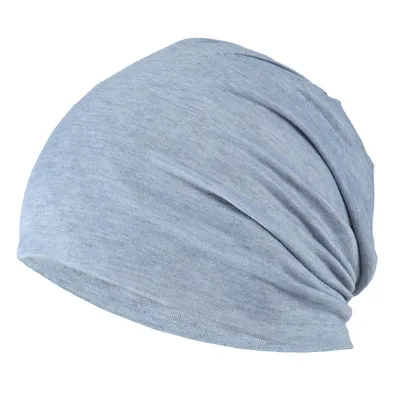
The global market for beanie caps presents a diverse array of options ranging from fleece winter caps to cotton skull caps designed for unisex and female demographics. Buyers must navigate a landscape where product attributes vary significantly, with some items featuring embroidered patterns while others offer plain dyed finishes suitable for four seasons or specific winter conditions. Understanding these distinctions is critical, as the intended application—whether for running, beach activities, or casual daily wear—directly influences the required material composition and functional features like windproof insulation or waterproof fabric properties.
Procurement strategies must account for the wide variance in customization capabilities and packaging standards observed across listings. While some suppliers offer custom logos and tailored sizes, others provide standard packaging in OPP bags or cartons with specific unit counts per carton. Buyers should verify whether the supplier can accommodate specific model numbers like A0621 or BTM4, and confirm if the head circumference ranges from 54 to 60 centimeters to ensure a proper fit for the target adult user base.
Product Scope and Observed Listing Signals
Buyers should first analyze the observed price range of 0.1 to 18 USD to understand the tiered value proposition available in the current market. This wide spectrum often correlates with differences in material quality, such as 100% cotton versus fleece blends, and the complexity of the knitting or embroidery techniques employed. A lower price point may indicate a basic plain dyed design, whereas higher values might reflect specialized features like adjustable sizing or multi-color options including watermelon red, navy blue, and sky blue.
The observed minimum order quantities (MOQ) ranging from 1 to 1500 units suggest flexibility for both trial orders and bulk procurement. Sourcing teams must evaluate whether the supplier's sample availability aligns with their timeline, noting that sample times can extend to 5-7 days. Additionally, the presence of specific packing standards, such as 200 pieces per carton or 100 pieces per carton, requires careful logistical planning to optimize shipping costs and ensure the single gross weight of 0.500 kg per item is factored into freight calculations.
Technical Specifications to Verify
Technical verification begins with confirming the material composition, as listings explicitly mention both fleece and 100% cotton options with distinct thermal properties. Buyers must ensure the selected product matches the intended season, whether it is a fleece winter cap designed for windproof and warm insulation or a cotton model suitable for spring, autumn, and four-season use. The crown structure, described as having a crown without a brim, is a standard feature, but the specific knitting or embroidery techniques must be validated to guarantee durability and aesthetic consistency.
Dimensional accuracy is equally critical, with observed specifications indicating head circumferences between 54-56 cm and 56-60 cm, alongside a fixed size of 27 cm for certain models. Procurement teams should request detailed size charts to confirm the single package dimensions of 25x25x10 cm or larger carton sizes like 44x42x30 cm. Verifying the printing methods and color availability, which includes options like yellow, white, red, and purple, ensures the final product meets the visual requirements for the target market without unexpected deviations in the final delivery.
Compliance and Safety Documentation
While specific certification statuses like ASTM F1506 or IEC 27001 are noted in background data, buyers must treat these as reference points rather than guaranteed attributes for every listed product. It is essential to request current test reports and compliance documentation directly from the supplier to confirm that the beanie caps meet the safety standards of the destination market. Relying on general category knowledge is insufficient; explicit verification of fabric safety, dye stability, and material non-toxicity is required to mitigate liability risks associated with adult apparel.
Documentation should also cover the manufacturing origin, with Zhejiang, China, identified as a primary place of origin for these goods. Buyers need to ensure that the supplier can provide traceability for the materials used, particularly when the product claims features like waterproof fabric or washable properties. Confirming that the production process adheres to relevant labor and environmental standards is vital, as the absence of specific certification claims in the listing does not preclude the need for rigorous due diligence before finalizing any purchase agreement.
Cost Drivers and Commercial Terms
The final cost of beanie caps is heavily influenced by the customization level, with options for custom logos and tailored colors adding to the base price. Buyers must distinguish between standard items and those requiring special production runs, as the latter often incur higher unit costs and longer lead times. The observed selling units, which can be single items or bulk cartons, also impact the per-unit economics, requiring a clear understanding of how volume discounts interact with the MOQ constraints of 1 to 1500 units.
Commercial terms must explicitly address the packing specifications, as variations between OPP bags and cartons affect both the unit price and the total shipping volume. The standard of 200 pieces per carton or 100 pieces per carton dictates the number of pallets required for transport, directly influencing freight charges. Additionally, the gross weight of 9.5 kg and net weight of 7.5 kg per carton must be accounted for in the total landed cost calculation, ensuring that the budget accommodates all logistical expenses beyond the base manufacturing price.
Supplier Qualification and Quality Control
Supplier qualification requires a thorough assessment of their production capacity and quality control protocols, particularly given the diverse range of styles from Europe and America to casual daily wear. Buyers should verify the supplier's ability to maintain consistency across different color choices and patterns, such as embroidered versus plain dyed finishes. The availability of samples is a key indicator of a supplier's readiness to engage, but the quality of these samples must be rigorously tested against the claimed specifications for head circumference and fabric features.
Quality control measures must extend to the final packaging stage, where the single gross weight and carton dimensions are critical for preventing damage during transit. Buyers should implement a pre-shipment inspection protocol to verify that the actual product matches the provided model numbers and that the color distribution aligns with the order. Ensuring that the supplier adheres to the stated packing standards, such as 100 or 200 pieces per carton, is essential to maintain inventory integrity and reduce the risk of receiving damaged or incomplete shipments.
Long-Term Procurement Checks
Establishing a long-term partnership requires regular audits of the supplier's ability to maintain consistent quality and delivery timelines over multiple production cycles. Buyers should monitor the supplier's performance regarding sample times and lead times, ensuring they remain within acceptable ranges for future orders. Continuous communication is necessary to address any shifts in material availability or production capabilities, especially when sourcing products with specific features like windproof insulation or adjustable sizing.
Strategic procurement also involves tracking market trends and adjusting product specifications to meet evolving consumer demands. As the beanie cap market offers a wide array of colors and styles, buyers must remain agile in updating their product lines to include popular options like watermelon red or navy blue. Regular reviews of the supplier's compliance with safety standards and their ability to provide updated documentation will ensure that the supply chain remains robust and capable of supporting sustained business growth.
FAQs
What materials are used for these beanie caps?
The beanie caps are crafted from fleece or 100% cotton materials to ensure comfort and durability. The fleece version offers windproof and warm insulation properties, while the cotton variant provides a breathable fit. Both material options are suitable for various weather conditions and user preferences, allowing buyers to select the best fabric for their specific needs.
Can I customize the logo on the beanie caps?
Yes, customization is available for these beanie caps, including custom logo printing. Buyers can choose from various printing methods to brand the products according to their requirements. This service allows for unique designs and branding opportunities, making it ideal for corporate gifts or retail brands looking to add a personal touch to their winter headwear inventory.
What is the minimum order quantity for these caps?
The minimum order quantity ranges from 1 to 1500 pieces depending on the specific product model and supplier terms. Some items may allow single unit samples, while bulk orders follow standard carton packing sizes. Buyers should verify the exact MOQ with the supplier to ensure it aligns with their procurement volume and budget constraints for the beanie cap order.
Are these beanie caps suitable for all genders?
Yes, the beanie caps are designed as unisex items suitable for both men and women. They feature a versatile style that fits various head circumferences, typically ranging from 54cm to 60cm. The colorful and plain dyed options cater to diverse fashion preferences, making them appropriate for casual, outdoor, or sports activities for any adult user seeking warm winter headwear.
What are the packaging details for bulk orders?
Bulk orders are typically packed in cartons with specifications such as 200 pieces per carton or 100 pieces per carton. The packaging ensures safe transport and storage, with carton dimensions and weights clearly defined for logistics planning. Individual items may also be packed in OPP bags for retail readiness, providing flexibility for different distribution channels and inventory management needs.