Source Custom Knit Beanies for Sports, Outdoor, and Party Use
Source 30 customizable knit Beanie models from China for sports, outdoor activities, and party events. Compare specifications including acrylic materials, striped styles, and bulk packaging options to find suitable suppliers for adult unisex headwear; compare the available evidence and request quotations based on your requirements.
Key considerations
Products List


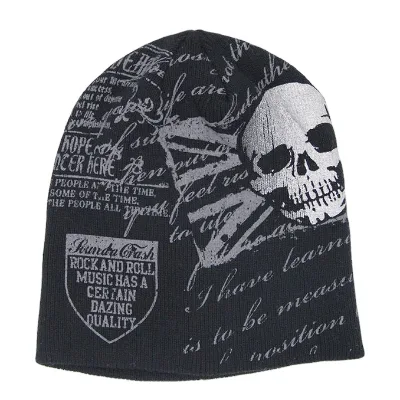
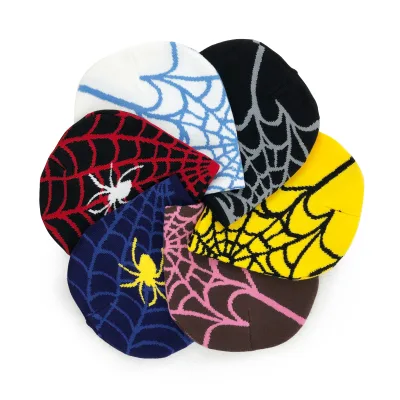


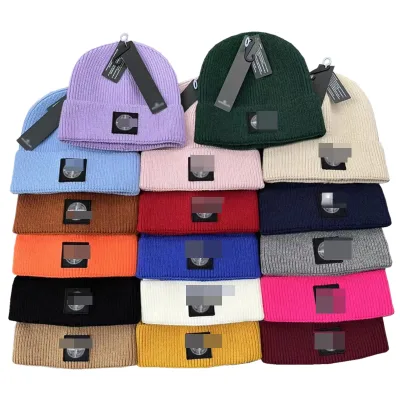

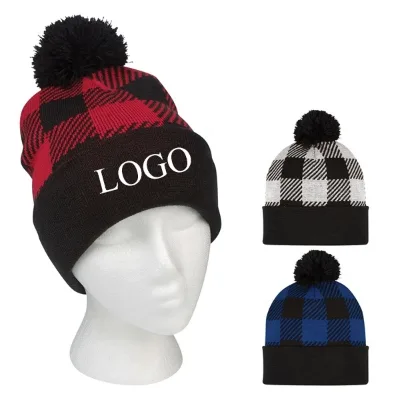


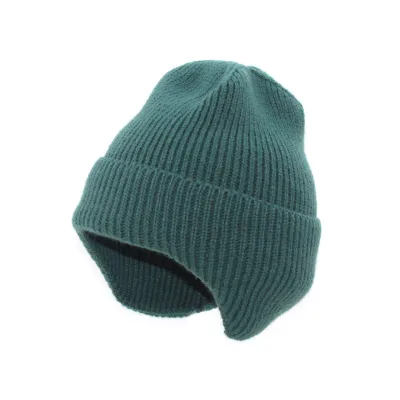
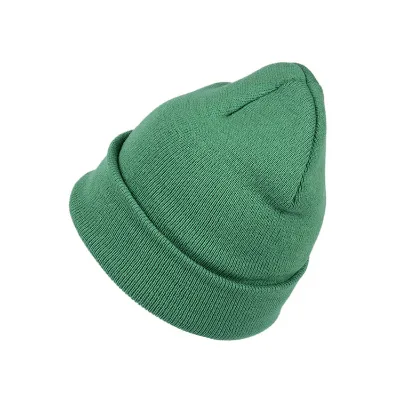
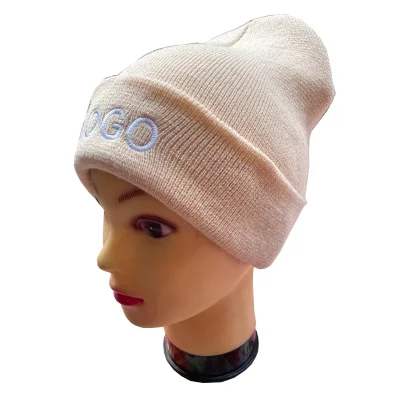
New Design 100% Acrylic Beanie / Winter Custom Green Beanie/ Cute Earflap Beanie
$1.88 - $3.78
MOQ: 25 Minimum
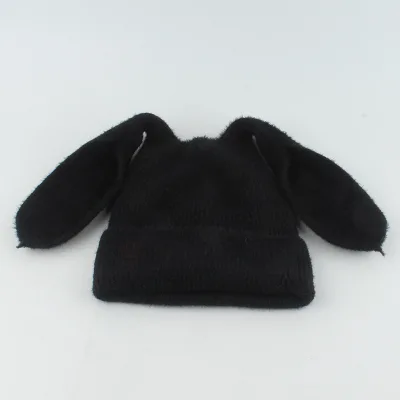


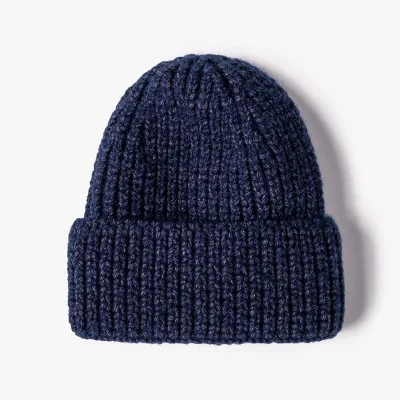
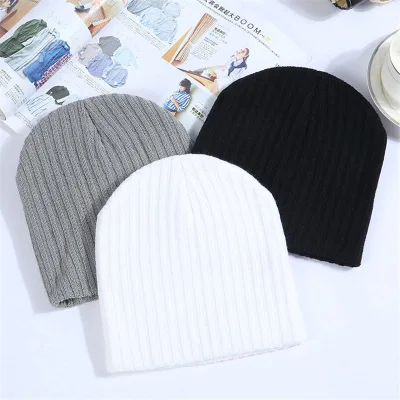


Comprehensive Sourcing Guide
Beanie Sourcing Guide
The global market for knit beanies offers diverse options ranging from basic acrylic styles to customized designs suitable for sports and outdoor activities. Buyers should note that observed listings indicate a price range between 0.60 and 6.89 USD, with minimum order quantities varying significantly from 2 to 1000 pieces depending on the specific supplier and customization level. Understanding these baseline commercial terms is essential before engaging with manufacturers, as the wide variance in pricing often reflects differences in material quality, production complexity, and order volume.
Procurement strategies must account for the specific product attributes observed in current listings, such as the availability of striped patterns, unisex sizing, and various color options including black and colorful designs. While some suppliers offer standard models like the Sports Beanie or Double Stripe variants, others provide fully customized solutions with sample times ranging from 3 to 10 days. Buyers need to align their internal timelines with these sample production windows to ensure that design approvals and bulk manufacturing schedules do not conflict with seasonal demand peaks.
Product Scope and Observed Listing Signals
Current market signals indicate a strong presence of acrylic knit beanies designed for adult users in outdoor, sports, and party environments. The observed product scope includes specific models such as gsb02 and gsb03, which feature distinct packing configurations like 10 pieces per polybag or box, with master cartons holding between 144 and 200 units. These variations in packaging details suggest that buyers must carefully verify the exact unit count per carton to avoid discrepancies in logistics planning and warehouse space allocation.
The physical dimensions of the finished goods and their packaging also vary, with hat sizes typically ranging from 56 to 60 cm and carton sizes observed at 44 by 42 by 30 cm. Some listings specify a weight of 7.5 kg net and 9.5 kg gross per carton, which is critical data for calculating freight costs and determining the optimal shipping method between sea and air transport. Buyers should cross-reference these physical specifications with their own logistical constraints to ensure that the selected products fit within their distribution network requirements.
Technical Specifications to Verify
Material composition is a primary technical factor, with observed listings frequently specifying 100% acrylic or generic knit fabrics that offer common fabric features suitable for mass production. Buyers must verify the exact fiber content and knitting density to ensure the beanies meet the desired warmth and durability standards for their target market. While some products are described simply as knit, others explicitly state 100% acrylic, and this distinction can significantly impact the final product's performance in cold weather conditions.
Dimensional consistency and style details require rigorous verification, as observed listings show variations in crown styles, brim presence, and specific model numbers like gb03 or gsb02. The absence of a brim is a common attribute, yet the crown structure and overall size, such as the 21 by 21 cm specification noted in some contexts, must be confirmed against the buyer's size chart. Ensuring that the physical dimensions match the intended fit for adult users is essential to prevent returns and maintain brand reputation for quality and sizing accuracy.
Compliance and Safety Documentation
While specific certification data like GOTS appears in background notes, buyers should not assume compliance without direct verification from the supplier. It is critical to request current test reports and safety documentation that align with the destination market's regulations, particularly regarding textile safety and chemical restrictions. Relying on general statements about manufacturing history or business type is insufficient; concrete evidence of compliance with local and international safety standards must be obtained before finalizing any purchase order.
Documentation regarding the origin of goods, such as the stated production in Shandong, China, or the general origin of China, must be accompanied by accurate country-of-origin labeling to meet customs requirements. Buyers should ensure that all shipping documents clearly reflect the place of origin and that the supplier can provide necessary certificates of origin if required by trade agreements. Failure to secure proper documentation can lead to delays at the port of dispatch, such as Qingdao Port or Shanghai, and potential penalties for non-compliance with import regulations.
Cost Drivers and Commercial Terms
The final landed cost of beanies is influenced by several variables, including the competitive factory pricing observed in listings, the complexity of customization, and the chosen shipping method. Buyers should analyze how factors like sample costs, which can reach 50 USD, and the minimum order quantity of 100 pieces impact the overall unit economics. Understanding the relationship between order volume and price is vital, as larger orders often unlock better rates, but the initial investment in samples and tooling must be factored into the total budget.
Logistics costs are another significant driver, with suppliers offering shipment via sea or air from ports like Qingdao or Shanghai. The choice between these methods depends on the urgency of the order and the budget constraints, as air freight is faster but more expensive than sea transport. Buyers must calculate the total cost including freight, insurance, and duties to determine the true cost per unit, ensuring that the final price remains competitive in their target market while maintaining healthy profit margins.
Supplier Qualification and Quality Control
Supplier qualification should focus on verifying their manufacturing capacity and history, with some listings claiming a 19-year history and a supply ability of 200,000 pieces per month. Buyers must validate these claims through site audits or third-party verification to ensure the supplier can consistently meet production schedules and quality standards. A long-standing business history is a positive indicator, but it must be corroborated with current performance data to confirm that the supplier remains reliable and capable of handling large-scale orders.
Quality control processes must be clearly defined, especially for customized orders where design accuracy and material consistency are paramount. Buyers should establish clear inspection criteria for attributes like color, stitching, and packaging, ensuring that the final product matches the approved sample. Implementing a robust quality assurance plan that includes pre-shipment inspections helps mitigate the risk of defects and ensures that the delivered beanies meet the expected standards for the intended application.
Long-Term Procurement Checks
Building a sustainable supply chain requires ongoing monitoring of supplier performance and market trends to adapt to changing demands. Buyers should regularly review the supplier's ability to maintain consistent quality and delivery times, especially when scaling up orders beyond the initial minimums. Establishing a long-term partnership involves continuous communication and feedback loops to address any issues promptly and to foster a collaborative relationship that supports mutual growth.
Future procurement strategies should also consider the flexibility of the supplier to accommodate design changes and new product introductions. As the market evolves, the ability to source new styles, such as different colorways or fabric features, will be crucial for maintaining a competitive edge. Buyers should maintain a diversified supplier base and regularly assess the market to ensure they can respond quickly to new opportunities and challenges in the Beanie sector.
FAQs
What materials are used for these beanies?
The beanies are primarily made from knit materials, with specific models utilizing 100% acrylic for durability and warmth. This fabric choice ensures comfort for adults during outdoor sports or party events. The knit construction allows for flexible sizing, typically ranging from 56 to 60cm, to fit various head shapes effectively.
Can I customize the design of the Beanie?
Yes, customization is available for these beanies, allowing for OEM and ODM design services. Buyers can request specific styles, such as striped patterns or custom colors, to meet brand requirements. The manufacturer supports tailored production to ensure the final product aligns with your unique aesthetic and functional needs.
What is the minimum order quantity for beanies?
The minimum order quantity varies by supplier, typically ranging from 2 to 1000 pieces. Some manufacturers set a standard MOQ of 100 pieces for custom orders, while others may require higher volumes for specific packaging configurations. Buyers should confirm the exact MOQ with the supplier based on their production scale.
How long does it take to produce a sample?
Sample production time generally ranges from 3 to 10 days, depending on the complexity of the design. Some suppliers offer faster turnaround times of 3 to 5 days, while others may require up to 7 to 10 days for detailed customizations. A sample cost of USD 50 is often applicable.
Where are these beanies manufactured and shipped from?
These beanies are manufactured in China, with specific origins noted in Shandong province. The primary loading ports for shipment are Shanghai and Qingdao Port. Buyers can choose to ship the goods by sea or by air, depending on their urgency and logistical preferences for international delivery.
What packaging options are available for bulk orders?
Standard packaging includes 10 pieces per polybag and 200 pieces per master carton, or 12 pieces per box with 144 pieces per carton. Carton dimensions are typically 44x42x30cm, with a gross weight of 9.5kg and a net weight of 7.5kg. These options ensure safe transport and efficient storage.