Source Bidirectional Double Cylinder Shock Absorber for Trucks, Buses, and Off-road Vehicles
Explore 30 listings for the Bidirectional Double Cylinder Shock Absorber designed for heavy-duty suspension systems. Buyers can compare specifications, materials, and customization options from verified Chinese manufacturers to find the right fit for their fleet needs.
Key considerations
Products List


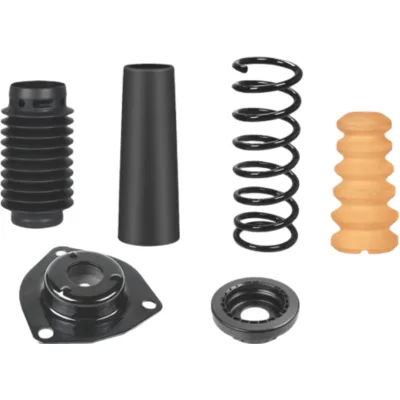


Durable Quality Auto Suspension Shock Absorber Spiral Compression Spring
$1.20 - $10.50
MOQ: 50 Pieces


Comprehensive Sourcing Guide
Bidirectional Double Cylinder Shock Absorber Sourcing Guide
Procuring bidirectional double cylinder shock absorbers requires a nuanced understanding of hydraulic dynamics and industrial application requirements. These components are engineered to provide damping force in both extension and compression phases, a critical feature for machinery that experiences significant load reversals or requires precise control over movement in multiple directions. Unlike single-acting units, the double cylinder design often incorporates separate chambers or a complex internal valve system to manage fluid flow bidirectionally, ensuring consistent performance regardless of the direction of piston travel. Buyers must recognize that this complexity translates to higher manufacturing precision and specific material requirements, making supplier vetting and technical verification paramount before placing orders.
The market for these components is diverse, ranging from heavy industrial machinery to specialized automotive and agricultural equipment. Sourcing decisions should be driven by the specific operational environment, including the expected frequency of cycles, the magnitude of loads, and the presence of contaminants such as dust, moisture, or extreme temperatures. Because these shock absorbers are often integral to safety-critical systems, such as suspension systems or press brakes, the cost of failure is high. Therefore, the procurement strategy must prioritize reliability and durability over initial unit cost, ensuring that the selected components can withstand the rigors of their intended duty cycle without premature degradation or catastrophic failure.
Product Scope and Observed Listing Signals
Current market listings indicate a wide variance in product specifications, with observed price points ranging from $0.01 to $473 USD and minimum order quantities (MOQs) spanning from 1 to 1000 units. This broad range suggests that the category encompasses everything from small, low-cost replacement parts to high-precision, heavy-duty industrial units. Buyers should be cautious when interpreting low-end prices, as they may correspond to basic components or non-critical accessories rather than complete, high-performance bidirectional units. Conversely, higher price points likely reflect advanced engineering, premium materials like stainless steel or specialized alloys, and rigorous quality assurance processes. Understanding this spectrum helps in aligning budget expectations with the actual performance requirements of the application.
The observed data also highlights significant variability in customization options and packaging methods. Many suppliers offer customization services, allowing for tailored solutions based on specific stroke lengths, mounting configurations, or force curves. Packaging varies from standard export packing to ocean freight-ready palletization, which impacts logistics planning and cost. Additionally, the presence of attributes such as "Hydraulic Shock Absorber" and "Pneumatic" power sources in the same dataset indicates that buyers must clearly distinguish between hydraulic and pneumatic technologies. While both can achieve bidirectional damping, their operating principles, maintenance needs, and suitability for different environments differ significantly. Clarifying these distinctions early in the inquiry process prevents miscommunication and ensures that the supplier provides a product that matches the technical requirements of the system.
Technical Specifications to Verify
When evaluating technical specifications, the structure of the shock absorber is a primary consideration. The observed data includes references to both horizontal and double cylinder structures, which dictate how the unit is mounted and how it interacts with the machinery. A double cylinder configuration often implies a more robust design capable of handling higher loads or providing more consistent damping characteristics. Buyers must verify whether the double cylinder design is integral to the main body or if it refers to a tandem setup. Furthermore, the applicable medium is crucial; while some listings mention crude oil, most industrial shock absorbers are designed for hydraulic fluid. Confirming the compatibility of the seal materials and internal components with the specific hydraulic fluid used in the application is essential to prevent chemical degradation and ensure long-term reliability.
Material composition and color coding also provide insights into the product's durability and identification. Listings indicate materials ranging from stainless steel and plastic to rubber-steel composites and aluminum. Stainless steel is often preferred for corrosion resistance in harsh environments, while aluminum offers a lightweight alternative for applications where mass is a concern. The color, such as grey or black, may serve as a visual identifier for different force ratings or model series. Buyers should request detailed material certificates and cross-reference them with the operating conditions of their machinery. Additionally, verifying the model numbers, such as WG1642440021 or DZ13241440080, against the supplier’s technical datasheets ensures that the exact specifications, including stroke length, bore diameter, and mounting hole patterns, match the design requirements.
Compliance and Safety Documentation
Compliance with international standards is non-negotiable for industrial components. The observed data references several certification frameworks, including ISO 9001, QS9000, ISO/TS16949, and ISO14001. ISO 9001 indicates a robust quality management system, ensuring consistent manufacturing processes. QS9000 and ISO/TS16949 are particularly relevant for automotive applications, signaling that the supplier meets the stringent quality requirements of the automotive industry. ISO14001 demonstrates a commitment to environmental management, which may be important for companies with sustainability goals. Buyers should request copies of these certificates and verify their validity through the issuing bodies. It is also important to confirm that the certifications are current and cover the specific manufacturing facilities producing the shock absorbers.
Safety documentation extends beyond certifications to include performance testing and operational guidelines. Buyers should inquire about the testing protocols used to validate the shock absorber’s performance, including fatigue testing, pressure testing, and leak testing. While specific test results are not provided in the general data, reputable suppliers should be able to provide sample reports or summaries of their quality control processes. Additionally, clear operational manuals and maintenance guidelines are essential for ensuring the safe and effective use of the components. These documents should detail installation procedures, recommended hydraulic fluids, torque specifications for mounting bolts, and troubleshooting steps for common issues. Ensuring that these documents are available in the required languages and formats is a critical part of the procurement process.
Cost Drivers and Commercial Terms
The cost of bidirectional double cylinder shock absorbers is influenced by several factors, including material costs, manufacturing complexity, and order volume. The observed MOQ range of 1 to 1000 units suggests that suppliers are flexible, but pricing structures may vary significantly based on volume. For smaller orders, buyers may face higher per-unit costs due to setup and handling fees. For larger orders, economies of scale may reduce the unit price, but buyers should also consider the total cost of ownership, including maintenance and replacement costs. It is advisable to request detailed quotes that break down the cost of materials, labor, and overhead to understand the value proposition of each supplier.
Commercial terms such as payment methods, delivery times, and warranty policies also impact the overall cost. The observed data mentions "Export Packing" and "Ocean Freight," indicating that logistics are a key consideration. Buyers should clarify who is responsible for shipping and insurance costs, as well as the expected lead times for production and delivery. Warranty policies should be clearly defined, including the duration of coverage and the process for claiming replacements for defective units. Additionally, buyers should consider the potential costs associated with customization, as tailored solutions may incur additional engineering and tooling fees. Negotiating favorable commercial terms can help mitigate risks and improve the overall value of the procurement.
Supplier Qualification and Quality Control
Supplier qualification is a critical step in ensuring the reliability of the sourced components. Buyers should conduct a thorough assessment of the supplier’s manufacturing capabilities, including their production capacity, quality control processes, and technical expertise. The observed data indicates that many suppliers are located in China, with some specifically mentioning Ningbo as a production hub. While this region is known for its manufacturing prowess, buyers should verify the supplier’s track record and reputation in the industry. Requesting references from existing customers and conducting site visits, if possible, can provide valuable insights into the supplier’s operations and culture.
Quality control measures should be rigorously evaluated to ensure that the shock absorbers meet the required specifications. Buyers should inquire about the supplier’s inspection processes, including incoming material inspections, in-process quality checks, and final product testing. The presence of attributes such as "Sample: Yes" indicates that suppliers may offer pre-production samples for evaluation. Buyers should take advantage of this opportunity to test the shock absorbers in their actual application environment. Additionally, establishing clear quality acceptance criteria and inspection protocols in the purchase agreement can help ensure that the delivered products meet the required standards. Regular audits and performance reviews can also help maintain high quality levels over time.
Long-Term Procurement Checks
Long-term procurement success depends on establishing a sustainable relationship with suppliers and continuously monitoring performance. Buyers should implement a system for tracking the performance of the shock absorbers in their applications, including metrics such as failure rates, maintenance frequency, and operational efficiency. This data can be used to identify trends and potential issues early, allowing for proactive adjustments to the procurement strategy. Regular communication with suppliers is also essential for addressing any quality concerns and ensuring that the supplier remains aligned with the buyer’s evolving needs.
As technology and industry standards evolve, buyers should stay informed about new developments in shock absorber technology and materials. This may involve attending industry conferences, reading technical publications, or consulting with engineering experts. By staying ahead of these trends, buyers can identify opportunities for improvement and innovation in their procurement processes. Additionally, maintaining a diverse supplier base can help mitigate risks associated with supply chain disruptions and ensure that the buyer has access to the best available products and services. Continuous improvement and adaptability are key to long-term success in sourcing bidirectional double cylinder shock absorbers.
FAQs
What materials are used in double cylinder shock absorbers?
These shock absorbers typically utilize stainless steel, carbon steel, or rubber-steel composites for durability. The choice depends on the application, with stainless steel offering corrosion resistance and rubber-steel combinations providing enhanced vibration damping for automotive suspension systems.
Can these shock absorbers be customized for specific needs?
Yes, customization is available to meet specific engineering requirements. Manufacturers can adjust specifications such as standard weights, packing methods, and structural designs to align with particular industrial or automotive applications, ensuring the product fits the exact operational parameters needed.
What certifications are required for these components?
Common certifications include ISO 9001, QS9000, ISO/TS16949, and ISO14001. These management system certifications ensure that the manufacturing processes meet international quality and environmental standards, which is critical for automotive and industrial supply chain compliance and reliability.
How are these shock absorbers packaged for shipping?
Packaging options include export packing, ocean freight containers, and palletized arrangements. The selection depends on the order volume and destination, ensuring safe transit and protection against damage during international logistics, with standard weights ranging from 0.5kg to 6kg per unit.
What is the typical origin of these shock absorbers?
These components are primarily sourced from China, with specific manufacturing hubs like Ningbo. This origin provides access to established supply chains for steel, rubber, and aluminum materials, facilitating efficient production of hydraulic dampers and suspension parts for global markets.
What is the minimum order quantity for these parts?
The minimum order quantity typically ranges from 1 to 1000 units. This flexibility allows buyers to test samples or place bulk orders, with sample availability confirmed for many suppliers to verify quality before committing to larger production runs.