Source Japanese Technology Front Shock Absorber for Cars
Find a wide selection of Japanese Technology Front Shock Absorber components for vehicle repair and tuning. This page lists 30 available items, including gas-filled struts and coil springs, allowing buyers to compare specifications and request quotes from verified manufacturers; compare the available evidence and request quotations based on your requirements.
Key considerations
Products List


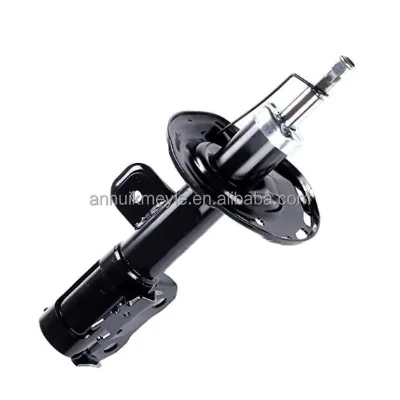


Front Rear Shock Absorber for Japanese, Korean, European and American Vehicles
$2.00 - $49.00
MOQ: 50 pieces


Auto Parts Shock Absorber for Japanese, Korean, European and American Vehicles
$2.00 - $49.00
MOQ: 50 pieces


Durable Quality Auto Suspension Shock Absorber Spiral Compression Spring
$1.20 - $10.50
MOQ: 50 Pieces


Comprehensive Sourcing Guide
Japanese Technology Front Shock Absorber Sourcing Guide
Sourcing front shock absorbers that leverage Japanese engineering standards requires a disciplined approach to verifying component compatibility and performance characteristics. Buyers must prioritize parts that align with specific vehicle architectures, particularly those involving Mazda or Toyota platforms, where precise fitment is critical for safety and handling. The market offers a variety of options, ranging from gas-filled single-cylinder units to more complex double-cylinder hydraulic systems, each serving distinct damping requirements. Understanding these structural differences is the first step in selecting the right component for your inventory or repair needs.
Procurement decisions should be guided by clear observation of product attributes rather than assuming universal applicability. While some listings claim universal fitment, others are strictly designated for specific models like the Mazda 323S BJ2WD or Toyota variants. Buyers need to cross-reference OEM numbers, such as the B25T-34-700D series, to ensure accurate replacement. This verification process prevents costly returns and ensures that the purchased dampers meet the original equipment manufacturer’s specifications for ride quality and durability.
Product Scope and Observed Listing Signals
The current market landscape for front shock absorbers presents a diverse array of product types, including coil springs, struts, and standalone dampers. Listings frequently highlight customization options, allowing buyers to request specific packaging or branding, which is valuable for private label strategies. The observed price range is broad, reflecting variations in material quality, certification levels, and order volumes. Buyers should note that while some items are marketed as high-quality or original, others are classified as copies, necessitating careful evaluation of the supplier’s claims against tangible product evidence.
Observed minimum order quantities (MOQs) vary significantly, starting from as low as one unit up to one thousand, catering to both small repair shops and large distributors. Packaging methods also differ, with options ranging from neutral packing and color boxes to OEM packages and palletized shipments. These logistical details impact storage and distribution costs. Additionally, the presence of gas pressure and hydraulic types indicates a split in technology adoption, with gas-filled shock absorbers often preferred for their consistent performance under varying load conditions compared to traditional hydraulic designs.
Technical Specifications to Verify
Verifying the technical specifications of front shock absorbers is essential to ensure they meet the vehicle’s dynamic requirements. Key attributes to confirm include the spring type, which is often a coil spring, and the damping force direction, which may be single-effect for certain applications. The structure of the damper, whether single or double cylinder, directly influences its response time and stability. Buyers must also check the material composition, which typically involves steel, rubber, and aluminum, to assess corrosion resistance and structural integrity under stress.
Positioning is another critical specification, with many products designated for the front position, though some listings may incorrectly label rear components. The size dimensions, such as 480180180 mm, must be matched precisely to the vehicle’s suspension geometry. Furthermore, the shock absorber type, whether gas-filled or hydraulic, determines the internal pressure dynamics and heat dissipation capabilities. Buyers should request detailed technical drawings or cross-reference OEM part numbers to validate these specifications before placing bulk orders, ensuring that the components will function correctly within the intended chassis.
Compliance and Safety Documentation
Compliance with international quality standards is a non-negotiable aspect of sourcing automotive suspension components. Many suppliers claim adherence to ISO9001 and TS16949 certifications, which indicate a structured quality management system. However, buyers must verify the validity of these certificates directly with the issuing bodies, as claims alone do not guarantee product safety. Documentation should also include material safety data sheets and test reports that demonstrate the shock absorbers’ ability to withstand fatigue and impact loads, ensuring they meet regulatory requirements for roadworthiness.
Safety documentation extends beyond manufacturing standards to include proper labeling and packaging instructions. Products should be clearly marked with their part numbers, OEM equivalents, and handling precautions to prevent damage during transit. Buyers should also inquire about warranty terms, which are commonly offered for twelve months, to mitigate the risk of early failure. Ensuring that all compliance documents are up-to-date and accessible helps in maintaining a reliable supply chain and protects the buyer from liability issues related to defective or non-compliant automotive parts.
Cost Drivers and Commercial Terms
Several factors influence the final cost of front shock absorbers, including the complexity of the design, the quality of materials, and the level of customization required. Gas-filled units and double-cylinder structures typically command higher prices due to their advanced engineering and manufacturing processes. Additionally, the choice of packaging, such as OEM boxes versus neutral packing, can affect unit costs. Buyers should analyze the total cost of ownership, considering not just the purchase price but also shipping, handling, and potential returns due to fitment issues.
Commercial terms, including payment methods and minimum order quantities, play a significant role in procurement planning. Most suppliers accept T/T payments, which require careful financial planning to manage cash flow. The observed MOQ range allows for flexibility, but larger orders often yield better unit pricing. Buyers should negotiate clear terms regarding lead times and shipping responsibilities to avoid unexpected delays or costs. Understanding these commercial dynamics helps in building a sustainable procurement strategy that balances cost efficiency with supply chain reliability.
Supplier Qualification and Quality Control
Qualifying suppliers for front shock absorbers requires a thorough assessment of their manufacturing capabilities and quality control processes. Buyers should verify the supplier’s place of origin, such as Zhejiang or Ningbo in China, and evaluate their production capacity to ensure they can meet demand spikes. It is crucial to request samples for physical inspection, checking for build quality, finish, and adherence to specified dimensions. Suppliers who offer customization and have a history of producing for reputable brands are often more reliable, but this should be corroborated with independent references or audits.
Quality control measures should be explicitly defined in the purchase agreement, including inspection protocols for incoming goods. Buyers should establish clear criteria for accepting or rejecting shipments based on visual defects, dimensional accuracy, and functional performance. Regular communication with the supplier regarding quality trends and any reported issues helps in maintaining high standards. Implementing a robust supplier qualification process reduces the risk of receiving substandard products and ensures that the shock absorbers meet the expected performance and durability benchmarks.
Long-Term Procurement Checks
Establishing long-term procurement checks is vital for maintaining a consistent supply of high-quality front shock absorbers. Buyers should conduct periodic reviews of supplier performance, focusing on delivery times, product consistency, and responsiveness to issues. Tracking warranty claims and return rates provides valuable data on product reliability and helps identify potential problems early. Regularly updating the list of approved OEM part numbers and cross-referencing them with new market offerings ensures that the procurement strategy remains aligned with current vehicle models and repair needs.
Continuous improvement in the supply chain involves fostering strong relationships with suppliers and encouraging feedback on product performance. Buyers should stay informed about industry trends and technological advancements in suspension systems to anticipate future requirements. Implementing a system for monitoring market prices and MOQ changes helps in making informed purchasing decisions. By maintaining a proactive approach to supplier management and quality assurance, buyers can secure a stable supply of Japanese technology front shock absorbers that meet the evolving demands of the automotive aftermarket.
FAQs
What certifications do the shock absorbers have?
The shock absorbers hold ISO9001 and TS16949 certifications to ensure quality standards. These documents verify that the manufacturing process meets international requirements for automotive parts. Buyers can rely on these credentials when sourcing replacement parts for Japanese vehicles.
Which car models fit these front shock absorbers?
These units are designed for specific models like the Mazda 323S BJ2WD and various Toyota vehicles. The product list includes multiple OEM numbers to ensure compatibility with different engine configurations. Always verify the specific part number before purchasing for your vehicle.
Can I request custom packaging for this order?
Yes, customization is available for packaging options including neutral packing or color boxes. Buyers can also request specific packaging according to their unique requirements. This flexibility allows businesses to align the product presentation with their own brand standards or distribution needs.
How long is the warranty period for these parts?
The warranty period covers twelve months from the date of purchase for these new shock absorbers. This coverage applies to defects in material or workmanship under normal usage conditions. Buyers should retain proof of purchase to validate any warranty claims effectively.
What is the minimum order quantity for this product?
The minimum order quantity is thirty units for this specific shock absorber listing. However, observed ranges across the market show values from one to one thousand units depending on the supplier. Buyers should confirm the exact MOQ with the specific vendor before finalizing their purchase.
Where are these shock absorbers manufactured?
These products originate from Zhejiang, China, with some items listed as coming from Ningbo. The manufacturing location ensures access to established supply chains for automotive components. Buyers can expect consistent production capabilities from these regions for bulk orders.
What material is used to construct these dampers?
The primary material used is steel, ensuring durability and strength for the coil spring structure. Some listings also mention rubber, steel, and aluminum combinations for specific parts like bumpers. This material selection supports the high-quality performance required for front suspension systems.