Source Biological Treatment Nano Bubble Diffuser for Sewage, Agriculture, Fish Pond
Find 30 verified options for the Biological Treatment Nano Bubble Diffuser designed for sewage aeration, agriculture, and fish pond applications. Buyers can compare specifications like bubble size, flow range, and service life across multiple models from Chinese manufacturers.
Key considerations
Products List


Laswim Nano Bubble Diffuser: Enhanced Oxygenation with Fine Bubble Technology
$50.00 - $100.00
MOQ: 10 Sets


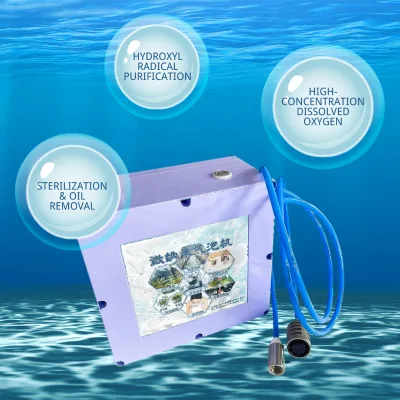


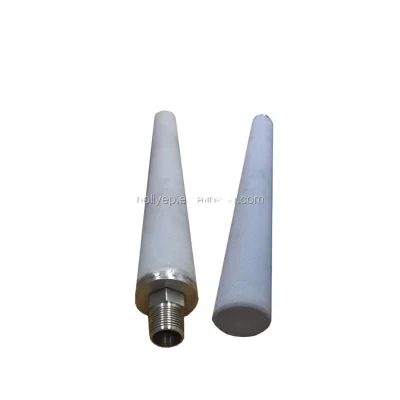
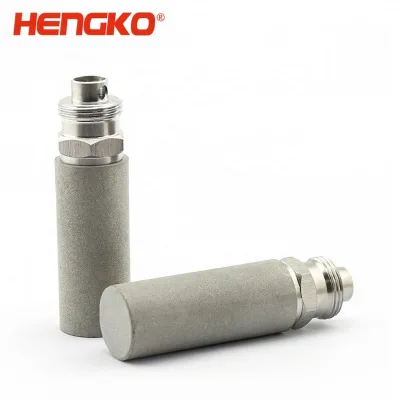

Comprehensive Sourcing Guide
Biological Treatment Nano Bubble Diffuser Sourcing Guide
Sourcing biological treatment nano bubble diffusers requires a nuanced understanding of a fragmented market where terminology often overlaps between fine bubble aeration and true nano-bubble generation. Buyers must distinguish between standard EPDM or silicone membrane diffusers, which produce bubbles in the 1-2mm range, and advanced nano-microporous systems that aim for sub-micron bubble generation. The supplied data indicates a wide variance in product attributes, ranging from basic industrial sewage aeration to specialized fish pond applications, necessitating a rigorous verification process to ensure the selected hardware aligns with specific oxygen transfer efficiency (OTE) goals.
This guide provides a structured approach to evaluating suppliers based on observed listing signals, technical specifications, and commercial terms. By focusing on verifiable attributes such as membrane material, bubble size distribution, and service life claims, procurement teams can mitigate the risk of selecting underperforming equipment. The following sections detail the critical decision points for sourcing these components, ensuring that buyers can confidently navigate the complexities of biological treatment infrastructure procurement.
Product Scope and Observed Listing Signals
The current market landscape for biological treatment diffusers exhibits significant diversity in form factors and intended applications. Observed listings reveal products designed for sewage aeration, fish pond aeration, and general industrial use, with materials ranging from EPDM and silicone membranes to nano-microporous structures. Buyers should note that while some products are explicitly labeled as "nano" or "microporous," others rely on traditional fine bubble technology with diameters of 1-2mm. It is crucial to verify whether the product meets the specific aeration requirements of the biological process, as the oxygen transfer efficiency varies significantly between standard fine bubbles and true nano-bubbles.
Listing signals also highlight variations in physical dimensions and packaging, which impact logistics and installation planning. Products are available in various lengths, such as 50cm, 75cm, and 100cm, or in roll formats with specific packing quantities like 200 meters per roll. The observed color options include black, blue, and red, which may be relevant for identification or UV resistance requirements in outdoor applications. Additionally, the presence of certifications like CE and ISO in some listings suggests a baseline level of quality assurance, but buyers must confirm that these certifications apply to the specific model being procured, as they may not cover all product variants within a supplier’s catalog.
Technical Specifications to Verify
Technical verification must begin with the membrane material and bubble size, as these factors directly influence oxygen transfer efficiency and clogging resistance. For applications requiring high oxygen solubility, buyers should prioritize products with nano-microporous materials or membranes that produce bubbles in the 0.5-2mm range. The observed data indicates that some diffusers have a diameter of 16mm for the tube itself, with specific models like D16-3.0 designed for particular flow ranges. It is essential to confirm the actual bubble size distribution, as nominal specifications may not reflect the performance under operational pressure, especially in biological treatment systems where consistent micro-bubble generation is critical.
Flow rate and pressure specifications are equally critical for system integration and performance validation. The observed flow ranges vary from 1-10m3/H to 1-28m3/H, depending on the model and membrane type. Buyers must ensure that the selected diffuser’s flow range matches the blower or compressor capacity of their existing infrastructure. Furthermore, working pressure limits, such as the advised optimal range of 0.15-0.2 MPa and maximum pressures up to 0.7 MPa, must be respected to prevent membrane damage or premature failure. Verifying these parameters against the specific biological treatment tank dimensions and aeration requirements is a non-negotiable step in the procurement process.
Compliance and Safety Documentation
Compliance documentation serves as a primary indicator of supplier reliability and product safety. Certifications such as CE and ISO are frequently cited in listings, providing assurance that the products meet certain European and international quality and safety standards. However, buyers should request specific certification documents for the exact model being purchased, as generic claims may not apply to all product lines. The presence of these certifications can facilitate smoother customs clearance and regulatory compliance, particularly for projects in regions with strict environmental and safety regulations.
Safety considerations also extend to the operational conditions and material compatibility of the diffusers. Products are often described as having a service life of more than 5 to 8 years, which implies durability and resistance to chemical degradation in biological treatment environments. Buyers should verify the material composition, such as EPDM, silicone, or PC-based components, to ensure compatibility with the specific wastewater characteristics, including pH levels and chemical concentrations. Additionally, noise level specifications, such as "ultra quiet," may be relevant for installations in sensitive environments, although this attribute is more commonly associated with the blower system than the diffuser itself.
Cost Drivers and Commercial Terms
Cost structures for biological treatment diffusers are influenced by material quality, manufacturing complexity, and order volume. The observed price range of $0.35 to $1550 USD reflects the diversity of products, from simple membrane strips to complete diffuser assemblies with specialized fittings. Buyers should analyze the cost per unit of oxygen transfer efficiency rather than just the unit price, as higher-quality nano-microporous membranes may offer better long-term value despite a higher initial investment. Minimum order quantities (MOQs) ranging from 1 to 1000 units also impact pricing, with larger orders typically benefiting from economies of scale.
Commercial terms, including packaging and shipping details, play a significant role in the total cost of ownership. Products are often packed in cartons or boxes, with specific dimensions and weights that affect freight costs. For example, some items are packed in quantities of 200 meters per roll, with packing sizes of 626232cm and weights of 23kgs. Buyers should negotiate clear terms regarding packaging standards to prevent damage during transit and ensure that the supplier provides adequate protection for sensitive membrane components. Additionally, lead times and payment terms should be aligned with project schedules to avoid delays in installation and commissioning.
Supplier Qualification and Quality Control
Supplier qualification requires a thorough assessment of manufacturing capabilities and quality control processes. Buyers should prioritize suppliers who provide detailed technical datasheets and have a proven track record in producing diffusers for biological treatment applications. The availability of customization options, as indicated in some listings, suggests that suppliers may have the flexibility to tailor products to specific project requirements. However, buyers must verify the supplier’s ability to maintain consistent quality across different production batches, especially when dealing with complex membrane structures.
Quality control measures should include rigorous testing of bubble size distribution, oxygen transfer efficiency, and durability under simulated operating conditions. Buyers should request test reports or third-party verification data to support the supplier’s claims regarding service life and performance. Additionally, the presence of specific product models, such as NBQ or D16-3.0, indicates a level of standardization that can facilitate easier replacement and maintenance. Establishing a clear quality assurance protocol with the supplier, including pre-shipment inspections and sample testing, is essential to mitigate the risk of receiving substandard products.
Long-Term Procurement Checks
Long-term procurement success depends on the ability to monitor and evaluate supplier performance over time. Buyers should establish key performance indicators (KPIs) related to diffuser efficiency, maintenance frequency, and overall system reliability. Regular audits of the installed diffusers can help identify any deviations from expected performance, allowing for timely interventions and adjustments. Additionally, maintaining open communication with the supplier regarding any operational issues or feedback can foster a collaborative relationship that benefits both parties.
Sustainability and lifecycle management are also critical considerations for long-term procurement. Buyers should assess the environmental impact of the diffuser materials and the ease of recycling or disposal at the end of the product’s service life. Products with a service life of more than 5 to 8 years offer significant advantages in terms of reduced replacement frequency and lower overall environmental footprint. By focusing on these long-term factors, buyers can ensure that their procurement strategy aligns with broader sustainability goals and operational efficiency targets.
FAQs
What materials are used for the Biological Treatment Nano Bubble Diffuser?
The diffuser is constructed from EPDM, Silicon, or PTFE membranes with a nano microporous structure. These materials ensure durability and efficient oxygen transfer for industrial and agricultural sewage aeration applications.
How long is the service life of the Biological Treatment Nano Bubble Diffuser?
The service life exceeds five to eight years depending on the specific model and operating conditions. This longevity is achieved through high-quality base materials like PC and robust membrane construction designed for continuous use.
Which certifications does the Biological Treatment Nano Bubble Diffuser hold?
The product holds CE and ISO certifications to verify compliance with international safety and quality standards. These documents confirm the diffuser meets required specifications for industrial and agricultural water treatment environments.
Can the Biological Treatment Nano Bubble Diffuser be customized for specific needs?
Yes, customization is available to meet unique project requirements. Buyers can select from various models including 50CM, 75CM, 100CM, or specific diameters like 16mm to fit their specific aeration system designs.
What is the bubble size produced by the Biological Treatment Nano Bubble Diffuser?
The diffuser generates fine bubbles with a diameter ranging from 0.5 to 2 millimeters. This fine bubble size maximizes surface area for efficient oxygen transfer in fish ponds and sewage treatment systems.
How is the Biological Treatment Nano Bubble Diffuser packed for shipping?
Products are packed in cartons or boxes with specific dimensions like 62 by 62 by 32 centimeters. Each roll typically contains 200 meters of diffusion tube, weighing approximately 23 kilograms for safe transport.