Source Biology Lab Worktable for Hospital, School, and Research
Source the Biology Lab Worktable from 30 verified listings. Compare options featuring epoxy coatings, various frame structures like C-Frame, and customized worktops for hospital, school, and research institute applications; compare the available evidence and request quotations based on your requirements.
Key considerations
Products List


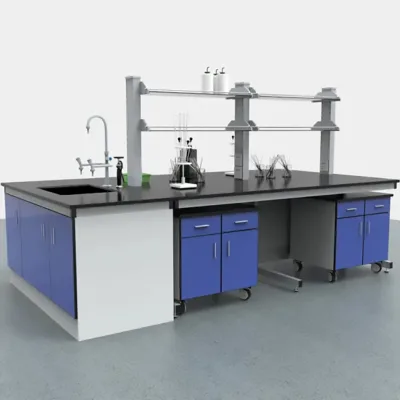
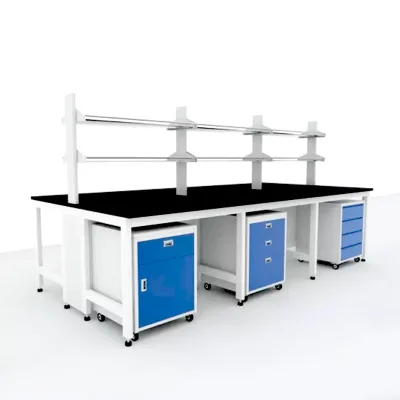


Biobase Hospital Laboratory Pathology Department Pathology Workstation Work Table
$1000.00 - $3500.00
MOQ: 1 Pieces


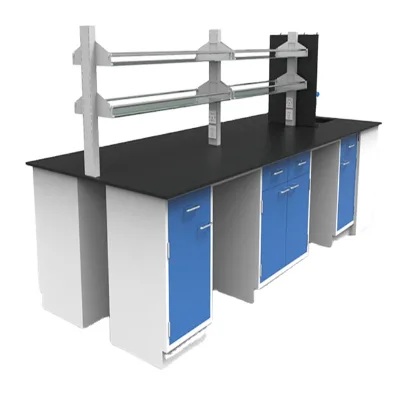
Manufacturer the Main Laboratory Table Long Biology Lab Furniture Prices Work
$130.00 - $150.00
MOQ: 1 meters
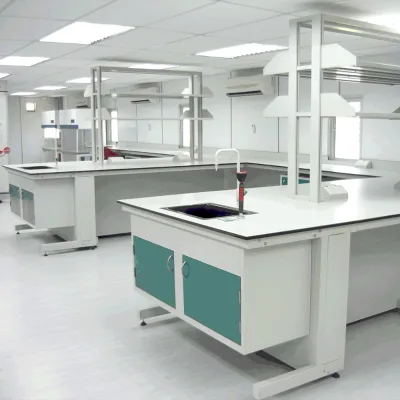


Laboratory Bench Furniture Biology Laboratory Table & Student Lab Table
$450.00 - $850.00
MOQ: 30 Pieces
Comprehensive Sourcing Guide
Biology Lab Worktable Sourcing Guide
Biology laboratory worktables are essential fixtures designed to support complex experimental workflows in educational and research environments. Based on observed market data, these units frequently appear as central or side benches constructed with wood or steel frames, offering versatile configurations like C-frames, H-frames, and floor stands. The primary application scope includes hospitals, schools, companies, and research institutes where durable surfaces are required for handling biological samples and equipment.
Buyers must distinguish between new and used inventory, as the market lists both conditions with varying specifications. New units often feature epoxy coatings and phenolic or ceramic worktops to resist chemical corrosion, while used items may lack these protective layers. Understanding the specific structural type and surface material is critical before selecting a supplier, as these attributes directly impact the table's longevity and suitability for specific biological protocols.
Product Scope and Observed Listing Signals
The product listings reveal a diverse range of structural designs, including central benches and side benches, which cater to different laboratory layouts and workflow requirements. Observed models such as ASLB and LA2-0016 indicate that manufacturers offer customized dimensions, often adhering to standard footprints like 1500mm in length or 750mm in depth. These variations allow procurement teams to select units that fit specific room constraints while maintaining the necessary clearance for equipment and personnel movement.
Surface materials are a key differentiator, with options ranging from phenolic resin and epoxy to stainless steel and marble. The presence of fittings like lab faucets, gas corks, and cup sinks suggests that many units are pre-equipped for wet chemistry or biological processing tasks. Buyers should verify if the listed worktop material aligns with the specific chemical resistance needs of their experiments, as the choice between wood and steel significantly influences the table's maintenance profile and safety rating.
Technical Specifications to Verify
Dimensional accuracy is paramount when ordering custom laboratory furniture, as standard sizes like L1500850mm may not fit every facility. Buyers must confirm whether the supplier offers fully customized dimensions or adheres to fixed standards, ensuring the unit integrates seamlessly with existing cabinetry and utility lines. The observed standard of 39108'' for certain models highlights the need to cross-reference imperial and metric measurements to avoid installation errors during the setup phase.
Structural integrity relies heavily on the frame material and coating quality, with epoxy coating being a common specification for enhanced durability. The availability of C-frame steel structures alongside wooden components indicates a hybrid approach to stability and aesthetics. Procurement teams should request detailed engineering drawings to verify load-bearing capacities and ensure that the chosen frame type can support the weight of heavy biological instruments without compromising safety or stability.
Compliance and Safety Documentation
Safety in a biology lab environment depends on the chemical resistance of the work surface and the stability of the supporting structure. While specific certification names are not universally listed, the presence of epoxy coatings and stainless steel options suggests a focus on meeting general industrial safety standards for chemical exposure. Buyers should explicitly request documentation confirming that the materials used comply with local fire safety regulations and chemical resistance benchmarks relevant to biological research.
Packaging standards also play a role in ensuring the product arrives in a condition suitable for immediate use. Observed packaging methods include bubble film, hard cotton, and wooden crates, which protect the furniture during transit. It is essential to verify that the packaging instructions align with the fragility of the worktop material, particularly for ceramic or marble surfaces, to prevent damage that could compromise the structural integrity or safety of the laboratory setup.
Cost Drivers and Commercial Terms
Pricing for biology lab worktables varies significantly based on material composition, customization level, and structural complexity. The observed price range of 79 to 5300 USD reflects the spectrum from basic wooden units to high-end, fully equipped stainless steel stations. Buyers should analyze the cost per square foot of the worktop material and the inclusion of fittings like faucets and sockets to determine the true value proposition of each quoted unit.
Minimum Order Quantities (MOQ) and delivery timelines are critical commercial factors that influence procurement planning. Listings indicate MOQs ranging from 1 to 200 units, with delivery times typically within 15 workdays after deposit receipt. Procurement managers must align their order volume with these constraints to optimize shipping costs and ensure that the furniture arrives in time for critical research projects or academic semesters.
Supplier Qualification and Quality Control
Geographic origin is a significant indicator of supply chain reliability, with most observed products originating from Guangdong or Jiangsu in China. These regions are known for their manufacturing capabilities in laboratory furniture, yet buyers must verify the specific factory's quality control processes to ensure consistency. The presence of a two-year guarantee on some units suggests a baseline commitment to product durability, but this should be validated against the specific terms of the supplier's warranty policy.
Quality control extends to the finishing processes, such as the application of epoxy coatings and the assembly of knock-down structures. Buyers should request evidence of the supplier's ability to maintain consistent quality across batches, particularly for customized orders. Inspecting sample units or reviewing past project portfolios can help confirm that the supplier consistently delivers products that meet the rigorous demands of biological research environments.
Long-Term Procurement Checks
Sustainability and maintenance requirements are vital considerations for the long-term operation of biology laboratories. The choice between wood and steel frames, along with the type of worktop, dictates the frequency and cost of maintenance. Buyers should evaluate the ease of cleaning and the resistance of the materials to biological contaminants to ensure the worktables remain hygienic and functional over years of heavy use.
Future scalability is another key factor, as laboratory needs often evolve with new research initiatives. Customization options allow for modular expansions or reconfigurations, but buyers must ensure that the initial design supports these future changes. Establishing a relationship with a supplier who offers ongoing support and spare parts availability will facilitate smooth upgrades and repairs, minimizing downtime in critical research operations.
FAQs
What customization options are available for biology lab worktables?
Customization is available for these units, allowing buyers to select specific structures like C-Frame, H-Frame, or O-Frame. You can also choose worktop materials such as epoxy, phenolic, ceramic, or stainless steel. Fittings like lab faucets and gas corks can be added to meet precise experimental requirements.
Can I find biology lab worktables with epoxy coating?
Yes, epoxy coating is a standard feature for many of these laboratory benches. This coating provides durability and chemical resistance, making the surface suitable for harsh laboratory environments. The coating is applied to the structural components to ensure longevity and ease of cleaning during daily experimental procedures.
What are the standard dimensions for these lab benches?
Standard dimensions vary by model, with common sizes including L*750/1500*850mm or L*1500*850mm. Some specific models offer heights of 1700mm with widths of 1500mm. Customized sizes are also available to fit specific laboratory layouts, ensuring optimal space utilization for your facility.
How long is the delivery time for these worktables?
Delivery typically occurs within 15 workdays after receiving the deposit. This timeline applies to standard orders, though lead times may vary for highly customized configurations. Buyers should confirm specific schedules with suppliers to ensure alignment with their laboratory setup deadlines.
What warranty is provided for laboratory furniture?
A two-year guarantee is typically provided for these laboratory furniture items. This warranty covers structural integrity and material defects under normal usage conditions. Buyers should review specific terms with the manufacturer to understand coverage details for components like worktops and fittings.
Where are these biology lab worktables manufactured?
These units are primarily manufactured in Guangdong and Jiangsu, China. Suppliers in these regions specialize in laboratory furniture production, offering both standard and customized designs. Buyers can source directly from these locations to access a wide range of models and specifications.