Source Biological Preservation Dewar Flask for Medical, Pharmaceutical, and Laboratory uses
Compare 30 listings of Biological Preservation Dewar Flask designed for low-temperature storage and transportation. Buyers can evaluate specifications like capacity, material, and certification to find suitable options for medical, pharmaceutical, and laboratory applications.
Key considerations
Products List


175L Stainless Steel Cryogenic Dewar Flask for Liquid Nitrogen/Oxygen/Argon Storage
$1200.00 - $2100.00
MOQ: 10 Pieces
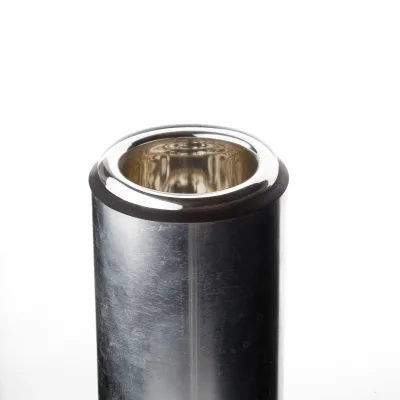
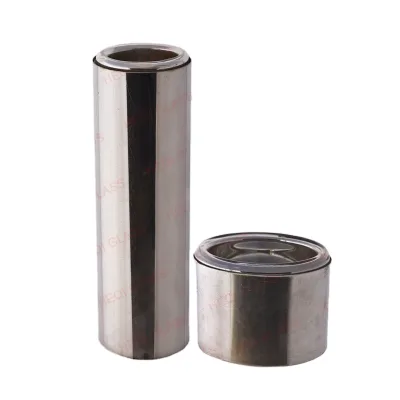


Dewar Flask Dpl700-450L Heat-Insulating Cryogenic Cylinder Liquid Nitrogen Dewar Flask
$1648.00 - $1668.00
MOQ: 1 Pieces

High Quality Efficient Heat Insulation Design Liquid Nitrogen Dewar Flask
$456.00 - $1888.00
MOQ: 1 Pieces

Riseon Dpl700-500L Hot Sale Dewar Tank Horizontal 3.17MPa High Pressure Dewar Flask
$1746.00 - $1766.00
MOQ: 1 Pieces

Wholesale Multiple Specifications Available 175L-500L Liquid Nitrogen Dewar Flask
$456.00 - $1888.00
MOQ: 1 Pieces


100L, 175L 210L Dewar Flask for Medical/Scientific Sample Preservation
$700.00 - $900.00
MOQ: 1 Pieces

High-Performance 5L Laboratory Dewar Flask for Liquid Nitrogen Storage
$650.00 - $800.00
MOQ: 10 Pieces


175L 210lhigh-Vacuum Insulated Dewar Flasks for Extended Temperature Preservation
$600.00 - $700.00
MOQ: 20 Pieces


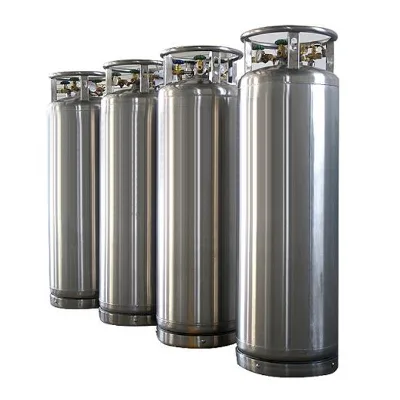


Comprehensive Sourcing Guide
Strategic Sourcing Guide for Biological Preservation Dewar Flasks
Understanding Technical Specifications and Capacity Variations
When sourcing biological preservation dewar flasks, buyers must first navigate a complex landscape of technical specifications that directly impact the viability of stored samples. The core function of these vessels is to maintain cryogenic temperatures, typically using liquid nitrogen, to preserve biological materials such as cells, tissues, and blood products. The observed market data indicates a significant divergence in capacity, ranging from small laboratory units of 13 liters to larger industrial containers with effective capacities of 157.5 liters. This variance dictates the suitability of the equipment for specific operational scales.
A critical technical parameter is the working pressure, which varies across different product models. Some units are designed as low-pressure gas cylinders with a working pressure of approximately 2.88 MPa, while others are classified as standard gas tanks for general storage. The physical dimensions also play a pivotal role in logistics and storage planning. For instance, specific models feature dimensions of 508 by 1500 millimeters, which influences the footprint required in a laboratory or warehouse setting. The material composition is another fundamental specification; while some units are constructed from metal tanks, others utilize borosilicate 3.3 glass for the inner vessel, offering distinct advantages in thermal insulation and chemical resistance. Buyers must carefully match these material properties to the specific chemicals or biological agents they intend to store to prevent degradation or contamination.
Compliance, Certification, and Regulatory Standards
Navigating the regulatory landscape is essential for ensuring that purchased dewar flasks meet international safety and quality requirements. The supply chain for these products is heavily influenced by certification standards, which serve as a proxy for manufacturing quality and safety compliance. Observed product listings frequently reference a combination of certifications including GB, TUV, GS, QS, ISO, and CE. The presence of these marks suggests adherence to specific regional and international norms, though buyers must verify the current validity of these certifications for the specific batch being purchased.
The standardization of these vessels is equally critical. Product standards vary significantly, with some units adhering to standards covering capacities from 1 to 10 cubic meters, while others are standardized for smaller volumes ranging from 1 liter to 50 liters. Specific models may be designated under standards such as 175L, indicating a fixed capacity standard rather than a variable range. Furthermore, the HS code 76130090 is a key identifier for customs classification, ensuring that the import and export processes are streamlined and compliant with international trade regulations. Buyers should not assume that all listed products possess every certification mentioned in general descriptions; instead, they must request specific certification documents for the exact model number, such as SH-YDS13 or SH-175L, to confirm that the unit meets the necessary regulatory thresholds for their intended application.
Cost Drivers and Pricing Dynamics
The pricing structure for biological preservation dewar flasks is influenced by a multitude of factors, resulting in a wide observed price range from approximately 29.44 USD to 10,000 USD. This broad spectrum reflects the diversity in capacity, material quality, and customization options available in the market. Several key drivers contribute to these cost variations. First, the capacity of the vessel is a primary determinant; larger units with capacities exceeding 100 liters naturally command higher prices due to the increased volume of materials and the complexity of the vacuum insulation process.
Secondly, the material composition significantly impacts the final cost. Units featuring borosilicate 3.3 glass inner vessels often differ in price from those constructed entirely of metal tanks, as the glass offers superior thermal properties but may require more delicate handling and specialized manufacturing techniques. Customization is another major cost driver; while some products are available as non-customized standard items, others offer acceptable customization options that can increase the unit price. Additionally, the condition of the product—whether listed as new or used—plays a role in pricing, with new units typically commanding a premium over refurbished or used equipment. Buyers must balance their budget constraints against the need for specific performance characteristics, ensuring that the selected price point aligns with the required operational lifespan and safety standards.
Typical Applications and Operational Requirements
The versatility of biological preservation dewar flasks allows them to serve a wide array of applications across multiple industries. The observed application fields include pharmaceuticals, petroleum, new energy, medical, food, electronic, and chemical sectors. Within the medical and pharmaceutical domains, these flasks are indispensable for the transportation and storage of samples, ensuring that biological integrity is maintained during transit and long-term storage. Specific applications noted include the handling of liquid oxygen (Lox), liquefied natural gas (LNG), liquid argon (Lar), liquid carbon dioxide (Lco2), and various forms of liquid nitrogen (Ln2, Ln2o).
The operational requirements for these applications often dictate specific features. For laboratory testing, the inner material must be compatible with sensitive reagents, making borosilicate glass a preferred choice. In contrast, industrial applications involving petroleum or chemical storage may prioritize the durability of metal tanks and high working pressures. The static evaporation rate is a critical performance metric for long-term storage; observed data indicates rates such as 2.1% per day, which determines the frequency of refilling required and the overall cost of ownership. Furthermore, safety features like over-temperature alarms are essential for applications where temperature excursions could lead to sample loss or safety hazards. Buyers must align the specific application needs with the technical capabilities of the dewar flask to ensure optimal performance and safety.
Supplier Evaluation and Supply Chain Reliability
Evaluating suppliers for biological preservation dewar flasks requires a thorough assessment of their manufacturing capabilities, supply chain reliability, and product consistency. The supply ability of potential vendors is a crucial metric; observed data suggests a capacity of 1,000 pieces per month for certain suppliers, indicating a robust ability to meet medium-to-large volume orders. However, buyers must verify if this supply ability is consistent and scalable for their specific needs. The place of origin is another significant factor, with China, specifically Shanghai, identified as a primary manufacturing hub. This location influences logistics, lead times, and the ease of communication.
The delivery time is a critical component of supplier evaluation, with observed ranges of 10 to 15 days for standard orders. Buyers must consider whether this lead time aligns with their project timelines and whether expedited shipping options are available. Packaging is another area of scrutiny; standard packaging, carton packaging, and safety pack options are available, but the specific packaging details must be verified to ensure that the product arrives without damage. The condition of the product, whether new or used, should be explicitly confirmed, as this affects the warranty and expected lifespan. Additionally, the availability of customization services should be assessed, as some suppliers may offer tailored solutions while others only provide standard models.
Quality Control and Long-Term Procurement Considerations
Implementing a robust quality control (QC) strategy is essential for mitigating risks associated with the procurement of biological preservation dewar flasks. The manufacturing method, such as welding gas cylinders, must be scrutinized to ensure that the structural integrity of the vessel is maintained under cryogenic conditions. Buyers should request detailed test results regarding the static evaporation rate and working pressure to verify that the product meets the specified performance criteria. The presence of certifications like ISO and CE provides a baseline for quality, but ongoing QC checks are necessary to ensure consistency across batches.
Long-term procurement considerations involve more than just the initial purchase price. Buyers must evaluate the total cost of ownership, which includes maintenance, refilling frequency, and the potential for replacement. The customization options available, such as accepting specific modifications, can extend the lifespan and utility of the equipment. Furthermore, the availability of spare parts and the manufacturer's support for repairs are critical for long-term operations. The packaging details, such as export cartons and safety packs, also play a role in long-term storage and transport safety. By focusing on these factors, buyers can ensure a sustainable procurement strategy that minimizes downtime and maximizes the value of their investment in biological preservation equipment.
Comparative Analysis of Product Attributes
To facilitate informed decision-making, the following table summarizes key attributes observed in the market for biological preservation dewar flasks. This comparison highlights the diversity in specifications, certifications, and applications available to buyers.
| Attribute Category | Observed Variations | Key Considerations for Buyers |
|---|---|---|
| Capacity | 13L, 157.5L, 1-10 m³, 1L-50L | Match capacity to sample volume and storage duration needs. |
| Material | Metal Tank, Borosilicate 3.3 Glass | Select based on chemical compatibility and thermal insulation requirements. |
| Certifications | GB, TUV, GS, QS, ISO, CE | Verify specific certification validity for the model and region of use. |
| Working Pressure | 2.88 MPa, Low pressure gas cylinder | Ensure pressure ratings align with safety protocols and storage media. |
| Application | Transportation Samples, Laboratory Test, Medical, Chemical | Confirm the flask is suitable for the specific biological or industrial agent. |
| Condition | New, Used | Assess warranty implications and expected service life based on condition. |
| Customization | Available, Acceptable, Non-Customized | Determine if standard models suffice or if tailored solutions are required. |
| Lead Time | 10-15 days | Plan procurement schedules around delivery windows to avoid operational gaps. |
This comparative overview underscores the necessity of a detailed specification review before finalizing any procurement decision. By systematically evaluating these attributes, buyers can select the most appropriate dewar flask for their specific biological preservation needs, ensuring both safety and efficiency in their operations.
FAQs
What certifications do biological preservation dewar flasks typically have?
These flasks commonly carry GB, TUV, GS, QS, ISO, and CE certifications. Buyers must verify specific certification validity for the exact model, such as SH-YDS13, to ensure compliance with regional safety norms.
How much does a Biological Preservation Dewar Flask cost?
Prices range from 29.44 USD to 10,000 USD depending on capacity and material. Larger units and those with borosilicate glass or customization options generally command higher prices than standard metal tanks.
Which capacity options are available for biological preservation dewar flasks?
Available capacities include 13L, 157.5L, and ranges from 1L to 50L or 1 to 10 cubic meters. Select the volume that matches your sample storage needs and operational scale requirements.
Can I customize a Biological Preservation Dewar Flask for my needs?
Customization is available and acceptable for many models, though some units are non-customized. Buyers should confirm if specific modifications are required before ordering to ensure the product meets unique operational criteria.
What is the lead time for Biological Preservation Dewar Flask delivery?
Standard delivery time is typically 10 to 15 days from the order date. This lead time applies to standard orders, but expedited options may vary based on the supplier's specific supply ability and location.
What materials are used for Biological Preservation Dewar Flask construction?
Construction materials include metal tanks and borosilicate 3.3 glass inner vessels. Metal tanks offer durability for industrial use, while glass provides superior thermal insulation and chemical resistance for laboratory applications.