Source Bismuththiol for Catalysts, Pesticides, and Ceramics
Source Bismuththiol from 30 verified listings. Compare specifications for liquid catalysts, organic pesticide intermediates, and ceramic powder materials. Evaluate purity grades, packaging options, and supplier details to find the right synthesis material intermediates for your industrial needs; compare the available evidence and request quotations based on your requirements.
Key considerations
Products List


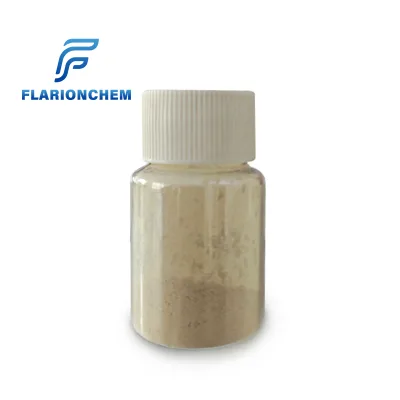

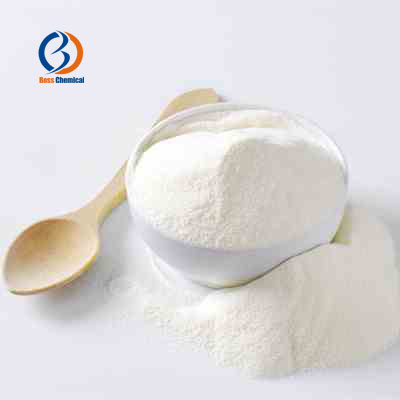
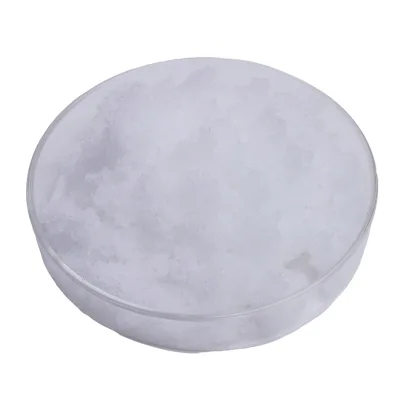
Lithium Bis(oxalate)borate ForConductive Agent for Lithium-ion Batteries 244761-29-3 Catalyst
$10.00 - $20.00
MOQ: 1 Minimum




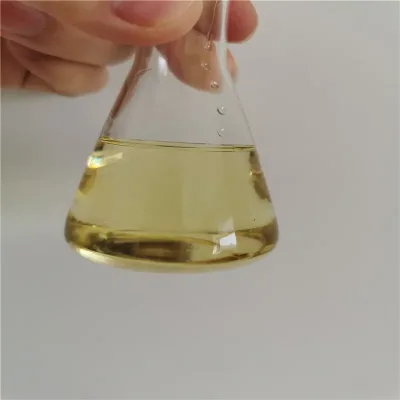
Comprehensive Sourcing Guide
Bismuththiol Sourcing Guide
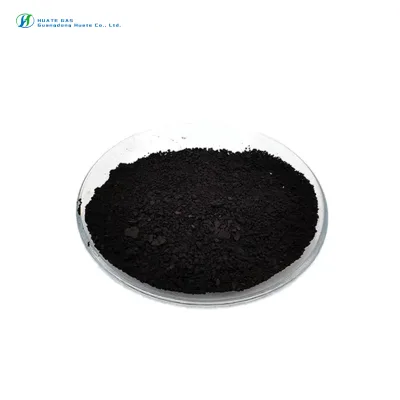
Procurement professionals evaluating Bismuththiol must first distinguish between the specific synthesis material intermediates and the liquid catalyst variants often listed under similar nomenclature. The observed market data indicates a product range spanning from powder forms to liquid catalysts, with distinct physical properties such as melting points around 162 degrees Celsius for solid intermediates and specific density values near 1.575 g/cm³. Buyers should carefully cross-reference the CAS number 1072-71-5 with the listed appearance to ensure they are sourcing the correct chemical form, as the market contains both yellow powders and colorless liquids that serve different industrial functions.
Commercial listings frequently display a wide variance in packaging and minimum order quantities, ranging from single-unit purchases to bulk drums of 250 kilograms. The supply chain for these intermediates often originates from China, where manufacturers offer customization options to meet specific industrial requirements. Sourcing strategies must account for these variations in physical state and packaging, as the intended application—whether for organic pesticide intermediates or ceramic catalyst materials—dictates the necessary purity levels and physical form.
Product Scope and Observed Listing Signals
The product scope for Bismuththiol encompasses a diverse array of synthesis material intermediates and catalysts, characterized by specific physical attributes like yellow or white powder appearances and liquid states. Buyers must verify whether the listing refers to a refined quality product suitable for high-precision synthesis or an industrial grade material intended for broader applications. The presence of synonyms such as Bismuththiol alongside specific model numbers like KM-151 or SAMREAL-0072 suggests a fragmented market where identical chemical names may correspond to different manufacturing specifications and purity grades.
Listing signals often include critical identifiers such as the CAS number 1072-71-5 and specific assay standards like 99% purity or 35% minimum assay for liquid variants. These signals help differentiate between electron-grade materials and standard industrial grades, which is essential for matching the product to the correct production line. Procurement teams should scrutinize the listed appearance and color, noting that some entries describe yellow powders while others specify colorless liquids, ensuring the selected item aligns with the technical requirements of the downstream process.
Technical Specifications to Verify
Technical verification begins with confirming the molecular weight of 494.273 and the specific density of 1.575, which are critical for calculating dosages in synthesis reactions. Buyers must validate the melting point of 162 degrees Celsius for solid intermediates and the boiling point of 211.3 degrees Celsius to ensure thermal stability during processing. The presence of specific impurity limits, such as chloride at 0.005% and sulfate at 0.005% maximum, serves as a key indicator of product quality and suitability for sensitive chemical applications.
Further verification requires checking the bismuth ion concentration, often listed as 210 g/L minimum, and ensuring the absence of heavy metal contaminants like lead at 0.003% maximum. The physical form, whether described as a no salt oxide or a liquid catalyst, must match the intended application, such as organic pesticide intermediates or ceramic powder materials. Procurement teams should request batch-specific test reports to confirm that the observed specifications, including the model number and grade standard, are consistent with the actual delivered material.
Compliance and Safety Documentation
Compliance documentation must explicitly address the storage requirements, which typically mandate a cool, dry place to maintain the stability of the chemical intermediates. Safety data sheets should detail the handling procedures for both powder and liquid forms, ensuring that workers are protected against potential exposure risks associated with bismuth compounds. The presence of ISO9001 certification on some listings indicates a commitment to quality management systems, though buyers should verify that this certification covers the specific production lines for the requested Bismuththiol variants.
Regulatory compliance also involves confirming the origin of the product, which is frequently listed as China, and ensuring that all export and import regulations are met for the specific chemical grade. Buyers must verify that the product meets the declared grade standard, whether it is industrial grade or electron grade, as this impacts the allowable impurity levels and the final product's performance. Documentation should also include details on the packaging integrity, such as 25kg fiber drums or 250kg steel drums with inner linings, to prevent contamination during transit.
Cost Drivers and Commercial Terms
Cost drivers for Bismuththiol are heavily influenced by the purity grade, with electron-grade materials commanding higher prices than industrial-grade equivalents. The minimum order quantity, which can range from 100kg to 500kg depending on the supplier, significantly impacts the unit economics and cash flow requirements for procurement teams. Buyers should analyze the price range observed in the market, which spans from 1 to 19,700 USD, to understand the cost implications of different packaging sizes and purity levels.
Commercial terms must clearly define the packaging specifications, such as 25kg bags or 250kg drums, as these affect shipping costs and handling logistics. Lead times and customization availability are also critical factors, as some suppliers offer tailored solutions that may extend the delivery schedule. Procurement strategies should balance the need for immediate availability with the cost benefits of larger bulk orders, ensuring that the total landed cost aligns with the project budget and production timeline.
Supplier Qualification and Quality Control
Supplier qualification requires a rigorous assessment of their ability to consistently meet the specified technical parameters, such as the 99% standard or 35% minimum assay. Buyers should verify the supplier's track record in delivering products with the correct model numbers and CAS numbers, as errors in identification can lead to significant production disruptions. The presence of certifications like ISO9001 is a positive indicator, but it must be supported by recent audit reports and quality control data specific to the Bismuththiol product line.
Quality control processes must include rigorous testing for impurities like chloride and sulfate, ensuring they remain within the strict limits of 0.005% or lower. Suppliers should provide batch-specific certificates of analysis that confirm the molecular weight, density, and physical appearance match the ordered specifications. Procurement teams should establish a clear protocol for rejecting non-conforming shipments and require suppliers to demonstrate their capability to maintain consistent quality across multiple production batches.
Long-Term Procurement Checks
Long-term procurement checks involve monitoring the stability of the supply chain and the consistency of product quality over extended periods. Buyers should regularly review the supplier's ability to meet minimum order quantities and maintain the specified purity levels, especially as production volumes scale up. The risk of supply disruption due to raw material shortages or regulatory changes in the country of origin, such as China, must be mitigated through diversified sourcing strategies and safety stock planning.
Continuous improvement in procurement processes requires regular audits of the supplier's quality management systems and adherence to the declared grade standards. Buyers should track performance metrics such as on-time delivery rates and the frequency of non-conforming shipments to identify potential issues early. Establishing a long-term partnership with a qualified supplier ensures a steady supply of high-quality Bismuththiol intermediates, supporting the reliability and efficiency of the downstream manufacturing operations.
FAQs
What is the purity standard for Bismuththiol intermediates?
The product meets a 99% purity standard as specified in the documentation. This refined synthesis material intermediate is available in yellow powder form with a melting point of 162 degrees Celsius. Buyers should verify specific grade requirements against industrial or electron grade standards before ordering to ensure compatibility with their chemical processes.
Can Bismuththiol be customized for specific chemical applications?
Yes, customization is available for this Bismuththiol product line. The synthesis material intermediates can be tailored to meet specific industrial needs, including variations in packaging and quality grades. Buyers seeking particular specifications should contact suppliers directly to discuss custom requirements, ensuring the final product aligns with their precise operational parameters.
What packaging options are available for Bismuththiol orders?
Packaging options include 25kg drums, 25kg fiber drums, and 250kg steel drums with inner liners. Some listings specify 30kg plastic drums or 25kg bags. These varied packaging solutions accommodate different storage and handling requirements, allowing buyers to select the most suitable format for their logistics and inventory management strategies.
What is the minimum order quantity for Bismuththiol?
The minimum order quantity ranges from 1 unit to 500 units depending on the supplier. Some specific listings indicate a minimum of 100kg. Buyers should check individual product pages for exact MOQ values, as these thresholds vary significantly across different manufacturers and packaging configurations to accommodate both small and large procurement needs.
Where is Bismuththiol typically sourced from?
Bismuththiol is typically sourced from China, as indicated by the product origin data. This geographic sourcing provides access to a wide range of manufacturers and suppliers offering various grades and specifications. Buyers should consider logistics and lead times associated with Chinese exports when planning their supply chain for these chemical intermediates.
What are the storage requirements for Bismuththiol products?
Products should be stored in a cool, dry place to maintain stability. This recommendation applies to the solid and liquid forms listed, including the yellow powder and colorless liquid variants. Proper storage conditions help preserve the chemical integrity of the synthesis material intermediates, ensuring they remain effective for use in organic and pesticide applications.