Source Bite Resistant Dog Chew Toy for Chewing, Playing, and Training
Compare 30 Bite Resistant Dog Chew Toy options from verified Chinese manufacturers. Buyers can evaluate materials like rubber and rope, customization levels, and packaging details for pet toy sourcing needs.
Key considerations
Products List


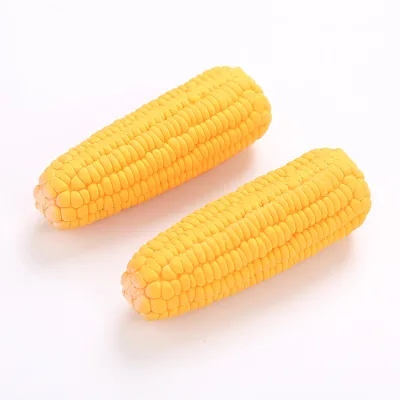


Chew Toys for Aggressive Chewers Indestructible Dog Toys for Large Dogs,
$1.83 - $1.93
MOQ: 100 Pieces


Comprehensive Sourcing Guide
Bite Resistant Dog Chew Toy Sourcing Guide
Sourcing durable chew toys for dogs requires a careful balance between material resilience, safety compliance, and commercial viability. Buyers in the pet product sector must navigate a market where "bite resistance" is often a marketing term rather than a standardized metric. The following guide outlines the essential verification steps, technical considerations, and supplier qualification criteria necessary to secure a reliable supply chain for these products. By focusing on observable listing signals and rigorous documentation checks, procurement teams can mitigate the risks associated with product failure and regulatory non-compliance.
Product Scope and Observed Listing Signals
The current market landscape for dog chew toys reveals a diverse range of materials, primarily centered around rubber and rope constructions. Observed listings indicate that rubber-based products are frequently marketed with specific dimensions, such as a standard size of 52cm or compact variants measuring 5.6 * 5.6 * 14.7cm. These rubber toys often carry certifications like CCC, ISO, CE, and RoHS, suggesting a focus on material safety and manufacturing standards. Buyers should note that while rubber is a common material for bite-resistant claims, the specific formulation and density are critical factors that are not always disclosed in basic product titles.
Rope-based toys represent another significant segment, often described as durable chewing toys suitable for all-season use. These products typically originate from manufacturing hubs in Zhejiang and Ningbo, China, and are characterized by cotton rope construction with specific dimensions such as 25x3cm or 6x18cm. The observed price range for these items spans from $0.2 to $4.3 USD, with minimum order quantities (MOQs) varying widely from 2 to 5000 pieces. This variance suggests that buyers can find options for both small-scale testing and large-volume distribution, but the low price points for rope toys may indicate thinner materials or simpler construction methods that could impact longevity.
Technical Specifications to Verify
When evaluating bite-resistant chew toys, the physical specifications of the product are paramount. Buyers must verify the exact dimensions and weight of each SKU, as these factors directly influence the toy's suitability for different dog breeds and chewing behaviors. For instance, rubber toys may be listed with model numbers like CCG-PT55, while rope toys might carry identifiers such as PT-2605 or PT-2640. The weight of these items, ranging from 0.195kg to 0.48kg, provides a tangible indicator of material density and potential durability. A heavier toy often implies a higher material volume, which can correlate with increased resistance to tearing, though it does not guarantee indestructibility.
Packaging and customization options also play a crucial role in the technical assessment of these products. Many suppliers offer polybag packaging, such as 1PCS/OPP Polybag, which is cost-effective for bulk shipping but may offer less protection during transit. Conversely, some products are packed in individual boxes, which can enhance retail presentation but increase logistics costs. Buyers should also consider the availability of customized packing and logo printing services, as these can be vital for brand differentiation. However, it is essential to confirm whether the customization affects the structural integrity of the toy, particularly if embossing or printing involves deep indentations that could serve as weak points for chewing.
Compliance and Safety Documentation
Safety compliance is non-negotiable for pet toys, as they are subject to direct interaction with animals. Buyers must ensure that all suppliers provide valid certification documents, such as ISO, CE, and RoHS, which indicate adherence to international quality and environmental standards. Some listings also mention CCC certification, which is relevant for products intended for the Chinese market or those manufactured under specific regional regulations. These certifications should be verified for validity and scope, ensuring they cover the specific materials and manufacturing processes used in the chew toys. Without proper documentation, buyers risk facing regulatory hurdles and potential liability issues in their target markets.
In addition to certifications, buyers should request detailed material safety data sheets (MSDS) and test reports from independent laboratories. These documents should confirm that the rubber and rope materials are free from harmful substances such as phthalates, heavy metals, and toxic dyes. For rope toys, it is crucial to verify that the cotton or synthetic fibers are treated with non-toxic adhesives and are resistant to mold and mildew. Buyers should also inquire about the sourcing of raw materials, as the origin of the rubber or cotton can impact the consistency and safety of the final product. Ensuring that all components meet the safety standards of the destination country is a critical step in protecting both the brand and the end consumer.
Cost Drivers and Commercial Terms
The cost of bite-resistant dog chew toys is influenced by several key factors, including material type, production complexity, and order volume. Rubber toys, which often require molding and curing processes, tend to be more expensive than rope toys, which are primarily assembled through weaving and knotting. The observed price range of $0.2 to $4.3 USD reflects this disparity, with higher prices typically associated with more complex designs, larger sizes, or premium materials. Buyers should also consider the impact of customization on pricing, as logo printing and custom packaging can add to the unit cost, especially for smaller order quantities.
Commercial terms, such as minimum order quantities (MOQs) and lead times, are critical components of the procurement strategy. MOQs for these products can range from as low as 2 pieces to as high as 5000, allowing for flexibility in initial orders and scaling. However, buyers should be aware that lower MOQs may come with higher unit prices due to the fixed costs of setup and production. Lead times are another important consideration, with some suppliers indicating delivery times of about 20-40 days. This timeframe can vary based on the complexity of the order, the availability of raw materials, and the current production schedule of the supplier. Negotiating clear terms regarding delays and penalties is essential to maintain supply chain reliability.
Supplier Qualification and Quality Control
Selecting the right supplier requires a thorough evaluation of their manufacturing capabilities and quality control processes. Buyers should prioritize suppliers who have a proven track record in producing pet toys and who demonstrate a commitment to consistent quality. This can be assessed by reviewing their factory audits, production capacity, and history of fulfilling orders. Suppliers located in established manufacturing regions like Zhejiang and Ningbo, China, often have access to better infrastructure and skilled labor, which can contribute to higher product quality. However, buyers should not rely solely on location and should conduct their own due diligence to verify the supplier's operational standards.
Quality control measures should be implemented at every stage of production, from raw material inspection to final packaging. Buyers should request samples for rigorous testing, including bite resistance tests, durability assessments, and safety checks. It is also advisable to establish clear quality standards and acceptance criteria before placing large orders. Regular inspections during production and pre-shipment inspections can help identify and rectify defects early, reducing the risk of receiving substandard products. Building a strong relationship with the supplier through open communication and mutual trust can also facilitate better quality outcomes and more responsive service.
Long-Term Procurement Checks
Sourcing bite-resistant dog chew toys is an ongoing process that requires continuous monitoring and adaptation. Buyers should regularly review supplier performance metrics, such as on-time delivery rates, product defect rates, and responsiveness to issues. This data can help identify potential problems early and allow for proactive measures to be taken. Additionally, buyers should stay informed about changes in regulations and market trends that may impact the pet toy industry. For example, new safety standards or consumer preferences for eco-friendly materials may necessitate adjustments in sourcing strategies.
Long-term success in this category also depends on the ability to innovate and differentiate products. Buyers should work closely with suppliers to develop new designs, materials, and features that meet evolving consumer needs. This could include exploring new rubber compounds for enhanced durability or incorporating sustainable materials into rope toys. By fostering a collaborative relationship with suppliers and maintaining a focus on quality and safety, buyers can build a resilient supply chain that supports long-term growth and customer satisfaction. Regularly revisiting and refining procurement strategies ensures that the business remains competitive and responsive to market dynamics.
FAQs
What materials are used for durable dog chew toys?
These toys are primarily made from rubber and cotton rope. Rubber provides elasticity and bite resistance, while cotton rope offers a textured surface for cleaning teeth. Some models combine these materials to enhance durability and engagement during play sessions.
Can these pet toys be customized with a logo?
Yes, customization is available for many models. Buyers can choose options with or without logo printing. Packaging can also be customized, allowing brands to tailor the product presentation to their specific marketing needs and retail requirements.
What certifications do these chew toys typically hold?
Common certifications include CCC, ISO, CE, and RoHS. These standards ensure the products meet safety and quality requirements for international markets. Buyers should verify specific certification documents with suppliers to confirm compliance for their target regions.
What is the typical lead time for production?
The delivery time is approximately 20 to 40 days. This timeframe depends on order volume and customization requirements. Buyers should plan their inventory accordingly to ensure timely arrival, especially during peak seasons or when requesting specific packaging changes.
How are these toys packaged for shipping?
Standard packaging includes polybags, OPP polybags, or individual boxes. Some models use customized packing solutions. The packaging is designed to protect the product during transit while providing clear product information for retail display and inventory management.
What is the minimum order quantity for these items?
The MOQ ranges from 2 to 5000 pieces depending on the supplier and model. Some items have a standard MOQ of 50 pieces. Buyers can negotiate quantities based on their initial trial orders or large-scale procurement needs.