Source Bistable Linear Solenoid for Automotive, Industrial, Medical
Compare 30 Bistable Linear Solenoid options from verified suppliers in Guangdong, China. Evaluate specifications like voltage, force, and duty cycle for automotive, industrial control, and medical applications.
Key considerations
Products List
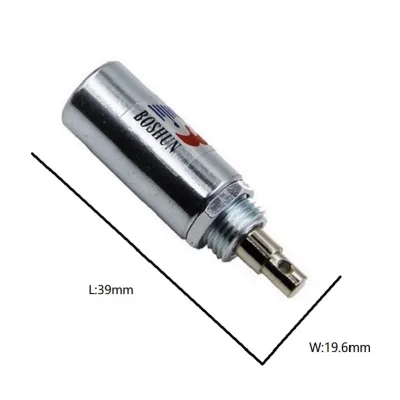
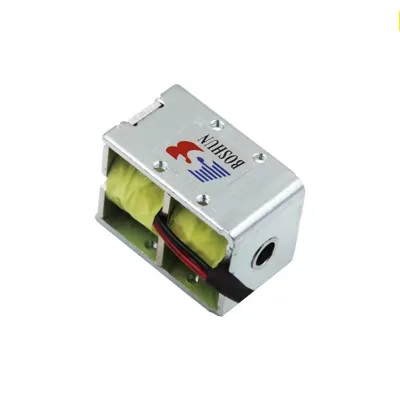
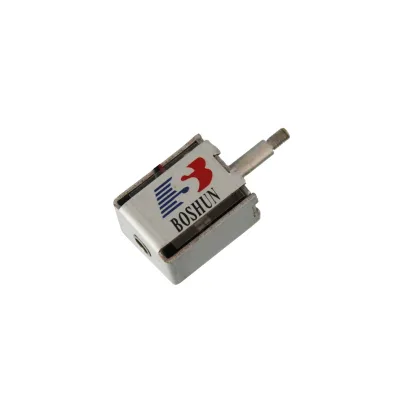
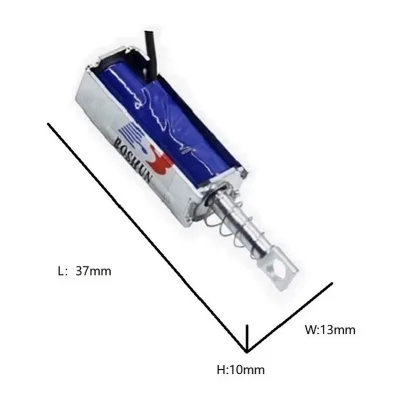
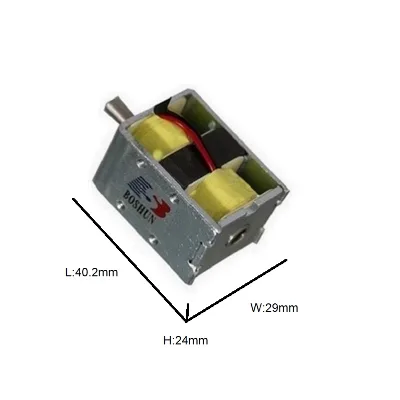
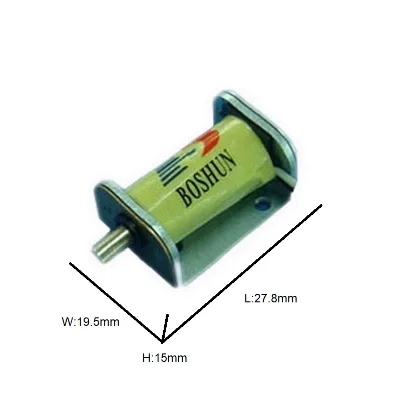


Bistable Latching Solenoid Valve1/2"3/4"6V-24V DC Self-Holding Solenoid Valve
$45.00 - $65.00
MOQ: 1 pieces


$15.00 - $20.00
MOQ: 200 Pieces


Comprehensive Sourcing Guide
Bistable Linear Solenoid Sourcing Guide
Bistable linear solenoids, often referred to as latching solenoids, represent a critical class of electromechanical actuators designed to maintain their position without continuous power consumption. Unlike standard solenoids that require constant energy to hold a state, bistable variants utilize permanent magnets or mechanical latching mechanisms to retain their stroke position after the electrical pulse is removed. This characteristic makes them ideal for applications where energy efficiency, battery life, and thermal management are paramount. Procurement teams must understand that while the term "bistable" implies a two-state system, the actual mechanical behavior can vary based on the internal design, such as whether the device uses a magnetic latching mechanism or a mechanical detent. Buyers should approach sourcing with a clear understanding of the specific holding force requirements and the electrical pulse characteristics needed to switch states, as these parameters directly influence the component's suitability for the intended application.
The market for these components is diverse, ranging from small-scale automotive actuators to larger industrial control units. Sourcing data indicates a wide variance in product specifications, with model numbers such as BS-1939T, BS-K1240, and BS-0724N-4 representing different form factors and performance profiles. Some listings describe these units as "frame solenoids" or "tubular solenoids," highlighting the importance of verifying the physical housing type against the installation constraints of the final assembly. Furthermore, the observed product range includes items with varying duty cycles, from continuous operation to intermittent use, which dictates the thermal management strategy required during integration. Procurement specialists must carefully distinguish between general linear solenoids and true bistable latching types, as the control circuitry and power supply requirements differ significantly between the two technologies.
Product Scope and Observed Listing Signals
The current market landscape for bistable linear solenoids exhibits significant variability in physical dimensions and electrical ratings. Observed listings reveal a broad spectrum of sizes, with single package dimensions ranging from compact units measuring 0.5x0.3x0.13 cm to larger industrial packages at 46.23x33.35x27.6 cm. This disparity suggests that buyers are sourcing components for vastly different applications, from precision micro-actuators to heavy-duty industrial valves. The model numbers observed, such as BS-0537 and BS-0724N-4, indicate that manufacturers offer specialized variants tailored to specific force and voltage requirements. Buyers must scrutinize the "Product Name" and "Description" fields carefully, as some listings may use generic terms like "linear latching solenoid" while others specify "frame solenoid," which may imply a different mounting configuration or structural integrity.
Electrical specifications also show considerable diversity, with voltage ratings spanning from low-voltage DC options like DC3-48V to higher voltage AC/DC combinations such as AC110/220V. This flexibility allows for integration into various power systems, but it introduces complexity in the sourcing process. Buyers must verify the rated voltage for each specific model, as some units are specified for DC24V while others support a wider range. Additionally, the duty cycle is a critical factor, with some products supporting 10-100% duty cycles, indicating suitability for continuous operation, while others may be designed for intermittent use. The observed "Keep force" and "Force" attributes, ranging from ≥6N to specific values like 200g, highlight the need for precise matching of actuation force to the mechanical load. Procurement teams should create a detailed specification matrix to compare these observed signals against their engineering requirements, ensuring that the selected component meets both the electrical and mechanical demands of the application.
Technical Specifications to Verify
When evaluating bistable linear solenoids, the insulation resistance and voltage withstand capabilities are paramount for ensuring long-term reliability and safety. Suppliers often cite insulation resistance values such as DC500V, ≥50MΩ, which serves as a baseline for electrical isolation. Buyers must verify that the insulation materials used in the coil and housing can withstand the operating voltage and any potential transient spikes in the power supply. Additionally, the ambient temperature and humidity ranges provided in listings, such as -20℃+65℃ for storage and -20℃+45℃ for operation, define the environmental limits of the component. Procurement teams should confirm that the selected solenoid can operate reliably within the specific environmental conditions of the end-use application, particularly in harsh industrial or automotive environments where temperature fluctuations and humidity levels can vary significantly.
The mechanical life cycle and mounting type are equally critical technical parameters that influence the total cost of ownership. Listings indicate expected life cycles ranging from over 100,000 times to over 500,000 cycles under normal use, which directly impacts maintenance schedules and replacement costs. Buyers must correlate these life cycle claims with their expected operational frequency to ensure the component will meet the durability requirements of the system. Furthermore, the mounting type, often listed as a generic "1" or specific configurations, must be verified against the mechanical design of the assembly. The material composition, such as stainless steel for corrosion resistance, and the single gross weight, which varies from 0.550 kg to 0.780 kg depending on the model, also play roles in the structural integration and shipping logistics. Detailed verification of these specifications through technical datasheets or direct supplier communication is essential to avoid integration failures.
Compliance and Safety Documentation
While specific certification statuses are not explicitly detailed in the observed listings, buyers must proactively request compliance documentation to ensure adherence to international safety and environmental standards. For components used in automotive applications, as indicated by some product descriptions, compliance with industry-specific standards such as ISO/TS 16949 or AEC-Q components may be required. In industrial control applications, adherence to IEC standards for low-voltage equipment and machinery safety directives is crucial. Procurement teams should verify that the supplier can provide test reports for electrical safety, including dielectric strength and insulation resistance tests, to confirm that the product meets the claimed specifications. Additionally, buyers should inquire about RoHS and REACH compliance to ensure that the materials used in the solenoid, including the stainless steel housing and internal components, do not contain restricted substances.
Documentation regarding the manufacturing process and quality management systems is also essential for mitigating supply chain risks. Buyers should request evidence of the supplier's quality control procedures, including incoming material inspections, in-process testing, and final product verification. The "Quality" attribute listed as "HIGH Quailty" in some descriptions is a marketing claim that must be substantiated by objective data. Procurement teams should ask for certificates of conformity, batch test reports, and any relevant third-party audit results. Furthermore, for products intended for use in regulated industries, buyers must ensure that the supplier can provide traceability documentation, including material certificates for the stainless steel and other critical components. This level of documentation ensures that the sourced components meet the rigorous safety and performance requirements of the end product, reducing the risk of field failures and liability issues.
Cost Drivers and Commercial Terms
The cost of bistable linear solenoids is influenced by several factors, including the voltage range, force output, and customization requirements. Listings indicate that power and voltage can be customized, which often incurs additional tooling or engineering costs. Buyers should be aware that standard models may offer more competitive pricing, while custom specifications can lead to higher unit costs and longer lead times. The observed MOQ range of 1-1000 pieces suggests flexibility for both prototyping and mass production, but buyers must negotiate terms that align with their volume requirements. The lead time, observed to be between 7 and 12 days for some items, indicates a relatively quick turnaround for standard products, but custom orders may require extended timelines. Procurement teams should clarify these lead times and any potential delays due to supply chain constraints or raw material availability.
Packaging and shipping costs also contribute to the total landed cost of the components. The observed packing methods, such as carton and plastic tray, are designed to protect the components during transit, but buyers should verify that the packaging meets their storage and handling requirements. The single gross weight and package dimensions provided in the listings are essential for calculating freight costs and optimizing logistics. Buyers should consider the impact of packaging on storage space and handling efficiency, especially for large-volume orders. Additionally, payment terms and warranty policies should be clearly defined in the purchase agreement. Buyers should seek favorable payment terms, such as net 30 or net 60 days, and ensure that the supplier offers a reasonable warranty period to cover potential defects. Understanding these commercial terms helps in accurately forecasting the total cost of ownership and managing cash flow effectively.
Supplier Qualification and Quality Control
Selecting a reliable supplier for bistable linear solenoids requires a thorough evaluation of their manufacturing capabilities and quality control processes. Buyers should prioritize suppliers with a proven track record in producing electromechanical components, particularly those with experience in automotive or industrial control applications. The place of origin, identified as Guangdong, China, for many listings, indicates a concentration of manufacturing expertise in this region. However, buyers must verify the supplier's specific capabilities, including their production capacity, testing equipment, and quality management systems. Requesting factory audits or third-party inspections can provide valuable insights into the supplier's operational standards and ability to maintain consistent quality. Additionally, buyers should assess the supplier's responsiveness and technical support capabilities, as these factors are crucial for resolving any issues that may arise during production or integration.
Quality control measures implemented by the supplier are critical for ensuring the reliability of the sourced components. Buyers should inquire about the supplier's incoming material inspection processes, particularly for critical components like magnets and coils. In-process testing, such as electrical performance testing and mechanical stroke verification, should be conducted at various stages of production to detect defects early. Final product testing, including life cycle testing and environmental stress screening, should be performed to validate the product's durability and performance. Buyers should request detailed quality reports and test data for each batch of products supplied. Furthermore, establishing a clear communication channel for quality issues and implementing a corrective action process can help mitigate risks and ensure continuous improvement. By rigorously evaluating supplier qualifications and quality control practices, buyers can secure a reliable supply of high-quality bistable linear solenoids.
Long-Term Procurement Checks
Maintaining a stable supply of bistable linear solenoids requires ongoing monitoring of supplier performance and market dynamics. Buyers should establish key performance indicators (KPIs) to track supplier reliability, including on-time delivery rates, defect rates, and responsiveness to issues. Regular performance reviews can help identify potential problems early and facilitate corrective actions. Additionally, buyers should stay informed about changes in the market, such as shifts in raw material prices or technological advancements in solenoid design. This awareness can help in negotiating favorable terms and selecting the most suitable components for future projects. Buyers should also consider diversifying their supplier base to mitigate the risk of supply disruptions, particularly for critical components that may have long lead times or limited availability.
Continuous improvement in the procurement process is essential for optimizing costs and ensuring product quality. Buyers should regularly review their specifications and requirements to identify opportunities for standardization or cost reduction. Collaborating with suppliers on design improvements or alternative material selections can lead to significant savings without compromising performance. Furthermore, buyers should invest in building strong relationships with their suppliers, fostering a partnership approach that encourages innovation and mutual growth. This can lead to better pricing, priority production, and access to new technologies. By implementing robust long-term
FAQs
What voltage options are available for these solenoids?
These solenoids support DC12, 24, 36, and 48 volts as well as AC110 and 220 volts. Custom voltage ranges are also available to meet specific application requirements.
How long is the expected operational life of the device?
The expected life exceeds 500,000 cycles under normal use conditions. This durability ensures reliable performance for long-term industrial and automotive control applications.
What is the minimum order quantity for purchasing?
The minimum order quantity is one piece for single item sales. This low MOQ allows buyers to test products or fulfill small project needs without large commitments.
Which materials are used in the solenoid construction?
Stainless steel is the primary material used for construction. This material choice provides robust durability and resistance against environmental factors in various operating conditions.
Can the duty cycle be adjusted for different applications?
Yes, the duty cycle ranges from 10 to 100 percent. This flexibility allows the solenoid to operate continuously or intermittently depending on the specific system demands.
What is the lead time for delivery after ordering?
The standard lead time is between 7 and 12 days. This timeframe covers production and preparation for shipment from the manufacturing facility in Guangdong, China.
How much force does the solenoid generate during operation?
The solenoid generates a force of at least 6 Newtons. This force level is suitable for various linear motion tasks requiring reliable actuation in control systems.