Source Black Pepper Sachets for Seasoning in Sauces
Explore 30 listings for Black Pepper Sachets for Seasoning, including chili and garlic variants. Compare specifications like weight, certifications, and packaging options to find suitable suppliers for your business needs; compare the available evidence and request quotations based on your requirements.
Key considerations
Products List


Black Bean Sauce with Somewhat Spice & Salty Taste for Stir-Frying Dishes
$0.62 - $0.82
MOQ: 2400 Pieces


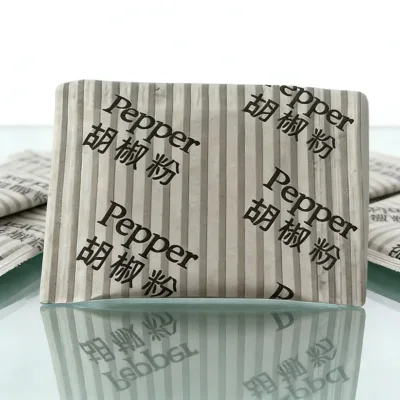


Comprehensive Sourcing Guide
Black Pepper Sachets for Seasoning Sourcing Guide
Procurement teams evaluating Black Pepper Sachets for Seasoning must first distinguish between general chili-based pastes and specific pepper formulations, as the market often blends these categories. While some listings highlight zero additives and organic features, buyers should verify if the specific "black pepper" variant retains the high protein content or low-fat profiles observed in broader chili sauce categories. The presence of garlic aroma or sweet-spicy notes in some listings suggests that a pure black pepper profile may require explicit confirmation to avoid unintended flavor profiles in the final product.
Buyers must also scrutinize the packaging format, as the observed data includes both bottle and sachet configurations with varying net weights ranging from under 100g to over 5kg. The distinction between "instant" types and "brewage seasoning" implies different application methods, where sachets are typically designed for single-use convenience or precise portion control. Understanding whether the product is a paste with moderate viscosity or a dry mix is critical for logistics planning, as the physical form directly impacts storage requirements and shipping density.
Product Scope and Observed Listing Signals
The observed product landscape reveals a wide spectrum of specifications, including models labeled as "Green Chilli Sauce" alongside "Pepper Sauce," indicating that suppliers often group diverse condiments under similar sourcing keywords. Buyers should expect to encounter variations in color, ranging from red and brown to green, which signals different ingredient bases or processing stages. The presence of specific standard weights like 160g, 230g, and 710g suggests that while sachets are available, bulk bottle packaging remains a dominant offering, requiring careful selection to match the intended retail or food service format.
Flavor profiles in the current listings vary significantly, with some products described as having a zesty, smoky, and spicy taste, while others emphasize a sweet and spicy profile with garlic aroma. This variability necessitates a rigorous sampling process to ensure the black pepper sachet meets the specific culinary requirements of the target market. The observation of "Grade a / Top Grade" quality indicators suggests that premium positioning is common, but buyers must verify if this grade applies to the specific black pepper formulation or is a general claim for the supplier's entire chili sauce range.
Technical Specifications to Verify
When evaluating technical specifications, the net weight and packaging details are primary verification points, as observed data includes conflicting entries such as 0.75g versus 310g for similar product types. Buyers must confirm the exact net weight per sachet to ensure compliance with labeling regulations and to calculate accurate cost-per-unit metrics. The standard packaging formats observed, such as 310g bottles packed 24 per carton or 710g units, indicate that the physical dimensions and weight distribution will vary, directly influencing palletization efficiency and freight costs.
Viscosity and appearance are critical technical attributes that affect both consumer experience and processing capabilities, with observations noting moderate viscosity and uniform consistency without lamination. Buyers should request physical samples to verify that the product maintains a stable texture suitable for the intended application, whether as a gravy for steaks or a general seasoning. Additionally, the purity claim of 100% and the absence of chemical additives require validation through batch testing, as these attributes are essential for brands marketing clean-label or organic products.
Compliance and Safety Documentation
Compliance verification is paramount, as the observed listings cite a robust array of certifications including FDA, BRC, HACCP, ISO22000, Kosher, and Halal. Buyers must ensure that the specific black pepper sachet product carries these certifications, as they are often listed for the supplier's broader portfolio rather than individual SKUs. The presence of QS certification in some records further indicates a focus on domestic Chinese market standards, which may need to be supplemented with international approvals for export markets.
Storage and handling instructions are equally critical for maintaining product integrity, with observed guidelines recommending keeping the product in a cool, dry place and closing the lid after use. These requirements suggest that the product may be sensitive to humidity and temperature fluctuations, necessitating controlled storage conditions throughout the supply chain. Buyers should verify that the supplier's logistics partners can maintain these environmental controls to prevent spoilage or quality degradation before the product reaches the end consumer.
Cost Drivers and Commercial Terms
Cost structures for black pepper sachets are heavily influenced by the minimum order quantity (MOQ), which varies widely from 200 cartons to 300 cartons depending on the specific product model. Buyers must align their order volume with these thresholds to secure competitive pricing, as smaller quantities may incur higher unit costs or be unavailable. The observed MOQ ranges suggest that suppliers prefer bulk transactions, which can impact cash flow and inventory management strategies for smaller buyers entering the market.
Lead times and payment terms are significant commercial factors, with delivery windows typically ranging from 15 to 25 days after the receipt of a deposit. This timeline allows for production and quality checks but requires precise planning to avoid stockouts, especially for seasonal demand spikes. Buyers should also consider the shipping method, as observations indicate both sea freight and carton packaging options, which will affect the total landed cost and the speed of replenishment cycles.
Supplier Qualification and Quality Control
Supplier qualification should focus on the ability to provide private labeling and OEM services, as the observed data confirms that customization is acceptable for many listed products. This flexibility allows buyers to tailor the black pepper sachet to their brand identity, including specific flavor adjustments or packaging designs. However, buyers must verify that the customization process does not compromise the core quality attributes, such as the zero-additive claim or the specific taste profile required for the market.
Quality control processes must be rigorous, given the variation in observed attributes like color and flavor intensity across different listings. Buyers should implement a pre-shipment inspection protocol to ensure that the delivered goods match the approved sample in terms of viscosity, color, and taste. The presence of "Grade a" claims indicates a high standard, but independent verification is necessary to confirm that every batch meets the specified criteria for uniformity and safety.
Long-Term Procurement Checks
Long-term procurement success depends on establishing a consistent supply chain that can adapt to changing market demands and regulatory requirements. Buyers should monitor the supplier's ability to maintain certification status over time, as the loss of key approvals like FDA or BRC could disrupt operations. Regular audits of the production facility and quality management systems are essential to ensure that the supplier continues to meet the high standards observed in the initial product listings.
Sustainability and ingredient sourcing are emerging priorities that require ongoing attention, particularly given the "organic" and "zero additives" features observed in some products. Buyers should verify the origin of raw materials, such as black pepper, to ensure ethical sourcing and environmental compliance. Establishing a long-term partnership with a supplier who can provide transparent documentation on their supply chain will mitigate risks and support the brand's commitment to quality and sustainability.
FAQs
Can black pepper sachets be customized for private label branding?
Yes, private label customization is acceptable for these seasoning products. Buyers can request specific branding and packaging designs to match their market needs. The supplier supports OEM services, allowing for tailored labels and container styles. This flexibility ensures that brands can maintain their unique identity while sourcing high-quality black pepper seasonings for retail or food service distribution.
What certifications are available for black pepper seasoning suppliers?
Suppliers typically hold FDA, BRC, HACCP, ISO22000, Kosher, and Halal certifications. These credentials ensure compliance with international food safety and quality standards. Buyers can verify these documents to meet regulatory requirements in their target markets. The availability of multiple certifications indicates a robust quality management system and adherence to global hygiene protocols for food production.
What is the typical lead time for black pepper sachet orders?
The delivery time is generally 15-25 days after receipt of the deposit. This timeframe allows for production, quality control, and logistics preparation. Buyers should account for this period when planning inventory. The lead time may vary slightly based on order volume and specific packaging requirements, so early communication with the supplier is recommended for accurate scheduling.
What specifications are available for black pepper sauce sachets?
Standard specifications include weights such as 160g, 230g, 320g, 500g, 710g, and 890g. Larger bulk options like 2.3kg, 5lbs, and 6kg are also available. These sizes cater to different retail and industrial packaging needs. Buyers can select the appropriate specification based on their distribution channel, whether for individual consumer use or commercial food service applications.
How should black pepper seasoning be stored to maintain quality?
Store the product in a cool, dry place and close the lid after each use. This method preserves the flavor and prevents moisture absorption. The paste form requires protection from humidity to maintain its moderate viscosity and uniform appearance. Proper storage ensures the seasoning remains fresh and retains its zesty, smoky, and spicy taste throughout its shelf life.
What is the minimum order quantity for black pepper sachets?
The minimum order quantity is typically 200 cartons or 300 cartons, depending on the specific product variant. This MOQ ensures efficient production runs and logistics handling. Buyers should confirm the exact MOQ with the supplier before placing an order. Bulk purchasing at this level often provides better pricing and consistent supply for ongoing business needs.