Source Black Pigment Screen Printing Ink for Garments, Ads, Shops
Compare 30 listings of Black Pigment Screen Printing Ink from verified Chinese suppliers. Buyers can evaluate viscosity, drying methods, and packaging options for industrial and garment applications.
Key considerations
Products List






Comprehensive Sourcing Guide
Strategic Sourcing Guide for Black Pigment Screen Printing Ink
Understanding Technical Specifications and Formulation Diversity
When sourcing Black Pigment Screen Printing Ink, buyers must first navigate a complex landscape of formulation types, as the term "ink" encompasses distinct chemical families with different performance profiles. The supplied product data reveals a market offering multiple distinct types, including water-based, solvent-based, and sublimation inks. For screen printing applications specifically, the data highlights "Screen Printing" as a primary printing type, yet it also lists "Digital Printing" and "Sublimation Ink" within the same dataset, indicating that suppliers often diversify their portfolios. A critical distinction lies in the drying mechanism. The observed data points to "Penetration Drying" and "Heat Curing" as the two primary methods. Penetration drying relies on the ink soaking into the substrate, which is common for porous materials like textiles, whereas heat curing requires thermal energy to cross-link the binder, often necessary for durability on non-porous surfaces or specific industrial applications.
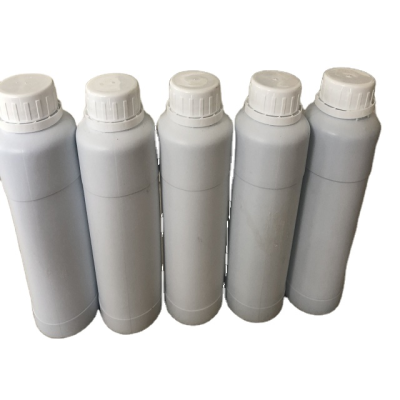
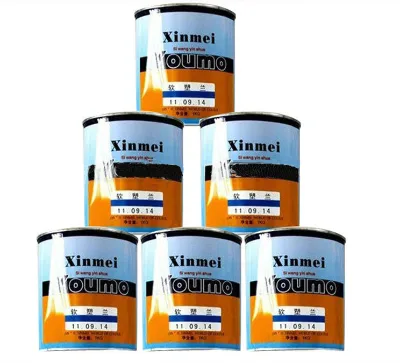
The color specification is a primary filter for this search, with "Black" being a clearly defined attribute in the inventory. However, buyers should also note the availability of "Refer to Sample" color options, which suggests that custom color matching is a standard service capability for many manufacturers. The component list identifies "Pigment" as a key ingredient, confirming the pigment-based nature of the product. This is distinct from dye-based inks, offering better opacity and lightfastness. The data also lists "Connection Material" as a component in some entries, which may refer to additives or binders that ensure adhesion to the substrate. Volume specifications vary significantly, ranging from small "500ml" units to industrial "20kg / bucket" or "25kg Iron Drum" packages. This variance dictates the scale of operation; a 500ml can is suitable for prototyping or small batch runs, while bulk drums are essential for high-volume production lines.
Compliance, Certification, and Regulatory Standards
Navigating the regulatory landscape is a non-negotiable aspect of sourcing industrial inks, particularly for applications involving garments, food packaging, or consumer goods. The provided data explicitly lists "RoHS" and "REACH" as certifications available for certain products. RoHS (Restriction of Hazardous Substances) is critical for electronics and general consumer goods, ensuring the ink does not contain excessive levels of lead, mercury, cadmium, or other restricted materials. REACH (Registration, Evaluation, Authorisation and Restriction of Chemicals) is a European Union regulation that governs the use of chemicals, ensuring that the ink does not pose risks to human health or the environment. While the data confirms these certifications exist in the market, buyers must verify that the specific batch they purchase carries the current valid documentation, as compliance status can change based on formulation updates.
Another standard mentioned in the context is "SGS," which refers to a global inspection, verification, testing, and certification company. The presence of SGS in the product data suggests that third-party testing is a common practice for verifying product quality and safety. However, the data also notes "Oeko-Tex" in the low-confidence background section. Buyers should be cautious; while Oeko-Tex is a widely recognized standard for textile safety, the provided text does not explicitly confirm its presence in the high-confidence facts. Therefore, a prudent buyer should request specific Oeko-Tex certificates if the ink is intended for direct skin contact garments, rather than assuming its inclusion based on general market knowledge. The "Standard export packing" and "Customized packing" options also imply that suppliers are accustomed to meeting international shipping and safety regulations, but the specific packaging materials must be verified to ensure they do not introduce contaminants.
Cost Drivers and Pricing Structure Analysis
The pricing structure for Black Pigment Screen Printing Ink is influenced by several variables, including volume, packaging, and formulation complexity. The observed price range in the market spans from $1 to $2,000 USD. This wide disparity is not indicative of a single product's price fluctuation but rather reflects the difference between a single small unit (e.g., a 500ml can) and bulk industrial orders (e.g., multiple 25kg drums or palletized shipments). A buyer purchasing a single item at the lower end of the spectrum is likely paying a premium per unit volume compared to a bulk buyer. The Minimum Order Quantity (MOQ) ranges from 1 to 1,000 units, further influencing the effective cost. Lower MOQs offer flexibility for startups or R&D departments but often come with higher per-unit costs due to the logistical overhead of handling small orders.
Supply ability is another significant cost driver. The data indicates a supply capacity of "100000 pieces per Month" for certain suppliers. High supply capacity suggests economies of scale, which can stabilize pricing and ensure availability during peak demand periods. However, buyers must correlate this capacity with their own production schedules. If a buyer requires a specific custom formulation, the cost may increase due to the setup time and the "Customization: Available" nature of the product. The "ODM: Yes" attribute confirms that Original Design Manufacturing is an option, allowing for brand-specific packaging and formulations, which typically commands a higher price point than off-the-shelf standard products. Additionally, the "Port of dispatch: Shanghai China" and "Place of Origin: Hebei, China" or "Guangdong" locations imply that shipping costs will vary based on the buyer's location and the Incoterms agreed upon. Buyers should factor in freight, insurance, and customs duties when calculating the total landed cost, as these can significantly impact the final price compared to the factory gate price.
Typical Applications and Industry Suitability
The versatility of Black Pigment Screen Printing Ink is evident in the diverse applications listed in the product data. The "Application: Industrial" tag suggests suitability for heavy-duty manufacturing, while specific mentions of "Garment Shops," "Printing Shops," and "Advertising Company" highlight its relevance to the textile and promotional product sectors. The "Applicable printing type: Screen Printing Machine" confirms that the ink is formulated to work with the specific rheology required for screen printing, ensuring proper mesh passage and image definition. For garment applications, the "Penetration Drying" mechanism is particularly valuable, as it allows the ink to bond with fabric fibers without creating a stiff hand feel, which is often a requirement for high-quality apparel.
The "Type: Water Based Ink" and "Type: Sublimation Ink" distinctions are crucial for application selection. Water-based inks are generally preferred for eco-friendly printing and soft-hand feel on cotton or blended fabrics. Sublimation inks, conversely, are designed for polyester or polymer-coated substrates where the ink turns into a gas and bonds with the material at a molecular level. The "Type: Solvent Based Ink" option indicates a formulation suitable for non-porous materials like plastics, metals, or vinyl, where adhesion and durability against abrasion and weathering are paramount. The "Color: Black" specification is universal across these types, but the underlying chemistry dictates the substrate compatibility. Buyers must match the ink type to the substrate; using a water-based ink on a non-porous plastic surface without proper pretreatment will likely result in poor adhesion and peeling. The "Video outgoing-inspection: Provided" feature is a strong indicator of quality assurance for industrial buyers, allowing them to verify the printing process and ink performance before shipment, which is particularly useful for large orders where visual inspection of the final product is critical.
Supplier Evaluation and Operational Capabilities
Evaluating a supplier for Black Pigment Screen Printing Ink requires a deep dive into their operational capabilities and reliability. The data lists "Brand Name: Enyang" and "Brand Name: NM," indicating that multiple brands operate in this space. Buyers should not assume that all products under a single brand share the same quality standards; instead, they must evaluate each product line individually. The "Place of Origin" varies between "Hebei, China" and "Guangdong," two major manufacturing hubs with different industrial ecosystems. Guangdong is often associated with a higher concentration of export-oriented, high-tech manufacturing, while Hebei may offer cost-effective solutions for bulk commodities. The "Port of dispatch: Shanghai China" is a standard logistical hub, suggesting that most suppliers utilize established shipping channels, but buyers should verify the specific logistics partner to ensure timely delivery.
Quality control is a critical differentiator. The "Warranty: Unavailable" note for some products is a red flag that requires immediate clarification. In B2B procurement, a lack of warranty or quality guarantee can indicate a lack of confidence in the product's consistency. Buyers should prioritize suppliers who offer explicit quality guarantees or have a track record of "Video outgoing-inspection." The "Standard export packing" and "Customized packing" options show flexibility, but the specific packing materials (e.g., "Weaving bag, cartons or pallets" vs. "Metal" or "Can") must be evaluated for their ability to protect the ink during transit. The "Capacity: 300t/M" (likely referring to monthly tonnage capacity) is a strong indicator of a supplier's ability to handle large orders, but buyers should cross-reference this with their own lead time requirements. The "Lead time" is not explicitly provided in the high-confidence facts, so buyers must request this information directly, as it is a critical factor in supply chain planning.
Quality Control and Long-Term Procurement Considerations
Establishing a robust quality control protocol is essential for maintaining consistency in screen printing operations. The "Performance: Viscosity" attribute highlights that viscosity is a key performance metric. In screen printing, viscosity directly affects the ink's flow through the mesh and the final print quality. Buyers should request viscosity test reports for each batch, as this parameter can vary between production runs. The "Component: Pigment" and "Component: Connection Material" details suggest that the ink's chemical stability is a focus, but buyers should also verify the stability of the pigment dispersion to prevent settling or clogging of the printing screens. The "Ink Drying" characteristics, whether "Penetration Drying" or "Heat Curing," must be validated against the buyer's specific curing equipment. A mismatch between the ink's curing requirements and the buyer's machinery can lead to production delays and defective products.
Long-term procurement considerations extend beyond the initial purchase. The "Customization: Available" and "ODM: Yes" attributes suggest that suppliers can adapt to changing market needs, such as new color trends or regulatory changes. However, buyers should establish a clear communication channel for these customizations to ensure that the "Refer to Sample" color matching remains consistent over time. The "Selling Units: Single item" and "Packaging Details" indicate that the supply chain is flexible, but buyers should plan for inventory management based on the "20kg /buket" or "25kg Iron Drum" formats to optimize storage and handling. Finally, the "Certification: RoHS, REACH" status should be reviewed annually, as regulatory requirements evolve. A supplier who proactively updates their certifications demonstrates a commitment to long-term compliance, reducing the risk of supply chain disruptions due to regulatory non-compliance. By focusing on these technical, operational, and compliance factors, buyers can secure a reliable supply of high-quality Black Pigment Screen Printing Ink that meets their specific production needs.
FAQs
What drying methods are available for this ink?
The ink supports both penetration drying and heat curing methods. Penetration drying is suitable for porous materials like textiles, while heat curing is used for durable bonding on non-porous surfaces or specific industrial applications requiring thermal cross-linking.
Which certifications are available for this product?
Available certifications include RoHS and REACH for regulatory compliance. Some products also carry SGS verification standards. Buyers should request specific batch documentation to ensure current validity for their target markets.
Can I customize the packaging for bulk orders?
Yes, customization is available for packaging requirements. Options include standard export packing like weaving bags, cartons, or pallets, as well as specific containers like metal cans, plastic drums, or iron drums based on your request.
What is the supply capacity for monthly orders?
The supply ability reaches 100,000 pieces per month for certain suppliers. This high capacity supports large-scale production needs, though buyers should verify specific lead times and capacity limits for custom formulations before placing orders.
Where are the products manufactured and shipped from?
Products originate from Hebei and Guangdong in China. The primary port of dispatch is Shanghai, China. Buyers should account for shipping logistics from these locations when calculating total landed costs for international procurement.
What volume options are available for this ink?
Volume options range from small 500ml units to industrial 20kg buckets or 25kg iron drums. The specific packaging, such as 1kg pots or 10kg plastic drums, depends on the product model and intended application scale.