Source Black Rear Door Strengthening Bracket for Furniture
Find and compare 16 Black Rear Door Strengthening Bracket options from Chinese manufacturers. Evaluate specifications like thickness, material, and customization for furniture hardware applications. These brackets support metal cutting machines and offer OEM services with various surface treatments including plating and powder coating for overseas users.
Updated
Key considerations
Products List


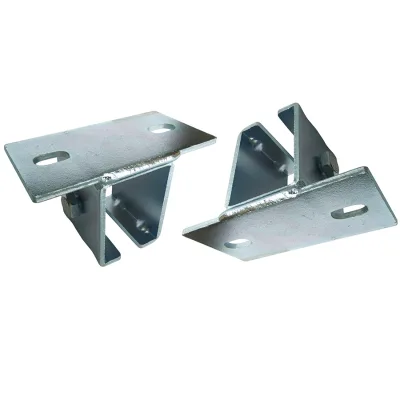
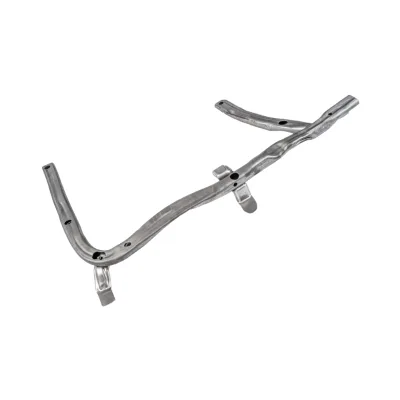
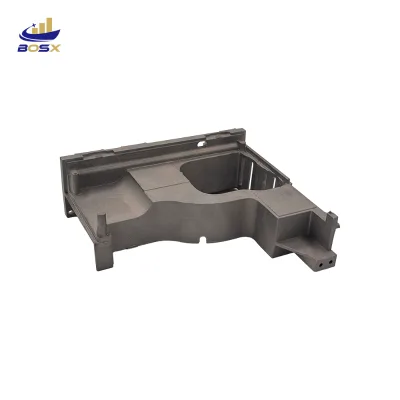


Comprehensive Sourcing Guide
Black Rear Door Strengthening Bracket Sourcing Guide
Sourcing black rear door strengthening brackets requires a disciplined approach to material selection and surface treatment verification. Buyers must prioritize components that offer high structural integrity while maintaining aesthetic consistency with vehicle or furniture assemblies. The black finish is not merely cosmetic; it often indicates specific corrosion-resistant treatments such as powder coating or electroplating, which are critical for longevity in high-stress environments. Procurement teams should evaluate suppliers based on their ability to deliver consistent color matching and surface durability under varying environmental conditions.
The procurement landscape for these brackets is diverse, ranging from automotive-grade steel to lightweight aluminum alloys. Buyers need to distinguish between standard off-the-shelf components and custom-engineered solutions tailored to specific load-bearing requirements. Understanding the underlying material properties, such as tensile strength and yield points, is essential for ensuring the bracket can withstand the dynamic forces exerted on rear doors. This guide outlines the key technical, compliance, and commercial factors that influence successful sourcing decisions for these critical hardware components.
Product Scope and Observed Listing Signals
The observed market signals indicate a wide range of customization options available for strengthening brackets, with many suppliers offering OEM services and nonstandard sizing. Listings frequently highlight attributes such as "Customized" and "OEM" branding, suggesting that buyers can request specific dimensions, hole patterns, and load capacities rather than relying on generic parts. The presence of models like EB-B6005 and EB-B1002 suggests a modular approach to bracket design, where variations in thickness and width cater to different structural needs. Buyers should verify if the observed dimensions, such as 2mm or 2.5mm thickness, align with their specific engineering requirements.
Surface treatment options observed in the market include plating, powder coating, anodizing, and painting, which directly impact the bracket's resistance to rust and wear. The black finish commonly associated with rear door brackets is often achieved through these processes, with powder coating providing a durable, uniform layer. Buyers must confirm the specific treatment method used by the supplier, as this affects both the aesthetic quality and the functional lifespan of the component. Additionally, the origin of these products is predominantly China, with Guangdong being a notable hub for manufacturing, which influences logistics and supply chain dynamics.
Technical Specifications to Verify
Thickness and width are critical dimensional parameters that determine the load-bearing capacity of the strengthening bracket. Observed specifications include thicknesses of 1.5mm, 2mm, 2.5mm, and 3mm, with widths ranging from 27mm to 130mm. Buyers must match these dimensions to the structural demands of the application, ensuring that the bracket provides adequate reinforcement without adding excessive weight. The length of the bracket, which can be fixed at 460mm or 480mm or customized according to the model, must also be verified to ensure proper fitment within the door assembly.
Material composition is another vital technical specification, with options including alloy steel, carbon steel, stainless steel, brass, and aluminum. Each material offers distinct advantages in terms of strength, weight, and corrosion resistance. For instance, stainless steel provides superior rust resistance, while aluminum offers a lightweight alternative. Buyers should request material certificates to verify the exact alloy grade and ensure it meets the required mechanical properties. Additionally, the structure of the bracket, whether single-side, triangle, or angle, must be selected based on the specific mounting configuration and stress distribution requirements of the door.
Compliance and Safety Documentation
Certification status is a key indicator of a supplier's commitment to quality management and regulatory compliance. Observed certifications include ISO9001, RoHS, and IATF16949, which signify adherence to international standards for quality management, environmental safety, and automotive industry-specific requirements. Buyers should verify that the supplier holds valid certificates for the specific products being procured, as these documents provide assurance of consistent manufacturing processes and material traceability. Compliance with RoHS is particularly important for products intended for export to regions with strict environmental regulations.
Standards such as GB (Guobiao) may also apply, depending on the origin and intended market of the brackets. Buyers must ensure that the components meet the relevant national or international standards for mechanical strength and safety. In the absence of specific standard references, buyers should request detailed test reports that demonstrate the bracket's performance under load, fatigue, and corrosion conditions. These documents are essential for validating the supplier's claims and ensuring that the brackets will perform reliably in real-world applications.
Cost Drivers and Commercial Terms
The cost of strengthening brackets is influenced by several factors, including material type, surface treatment complexity, and order volume. Observed price ranges vary significantly, reflecting differences in quality and customization levels. Buyers should consider the total cost of ownership, which includes not only the unit price but also shipping, tariffs, and potential rework costs due to quality issues. The minimum order quantity (MOQ) is another critical commercial term, with observed values ranging from 100 to 10,000 units. Higher MOQs may offer better unit prices but require greater inventory management and capital investment.
Packaging and logistics also play a role in the overall cost structure. Products are typically packed in cartons for sea freight, with single package sizes around 15x15x15 cm. Buyers should negotiate clear terms regarding packaging standards to prevent damage during transit. Additionally, lead times and payment terms should be clearly defined in the contract to mitigate supply chain risks. Understanding these commercial dynamics allows buyers to make informed decisions that balance cost efficiency with supply reliability and quality assurance.
Supplier Qualification and Quality Control
Supplier qualification involves a thorough assessment of manufacturing capabilities, quality control systems, and past performance. Buyers should conduct on-site audits or request detailed virtual tours to verify production facilities and inspection processes. The presence of advanced surface treatment lines, such as automated powder coating or plating tanks, indicates a supplier's ability to deliver consistent finishes. Additionally, buyers should evaluate the supplier's engineering support capabilities, including their ability to provide custom designs and rapid prototyping for new projects.
Quality control measures should be clearly defined and agreed upon before production begins. This includes incoming material inspections, in-process quality checks, and final random sampling based on acceptable quality limits (AQL). Buyers should request sample approvals before mass production to ensure that the brackets meet all dimensional and aesthetic requirements. Establishing a clear communication channel for addressing quality issues and implementing corrective actions is essential for maintaining long-term supplier relationships and ensuring consistent product quality.
Long-Term Procurement Checks
Long-term procurement success depends on continuous monitoring of supplier performance and market trends. Buyers should establish key performance indicators (KPIs) such as on-time delivery rate, defect rate, and responsiveness to issues. Regular performance reviews help identify potential problems early and allow for proactive corrective actions. Additionally, buyers should stay informed about changes in material costs, regulatory requirements, and technological advancements that may impact the sourcing strategy for strengthening brackets.
Building a diversified supplier base can mitigate risks associated with single-source dependencies. Buyers should consider qualifying alternative suppliers in different regions to ensure supply continuity in case of disruptions. Furthermore, fostering collaborative relationships with key suppliers can lead to joint innovation and cost-saving opportunities. By maintaining a strategic approach to supplier management, buyers can ensure a stable supply of high-quality black rear door strengthening brackets that meet their evolving business needs.
FAQs
What materials are used for black rear door strengthening brackets?
These brackets are manufactured from alloy, brass, carbon steel, stainless steel, and aluminium. The specific material selection depends on the required strength and corrosion resistance for the application. Customization is available to meet specific project needs, ensuring the bracket fits the intended structural reinforcement requirements effectively.
Can these brackets be customized for specific dimensions?
Yes, customization is available for these brackets. The standard models include specific dimensions such as 480mm length with 27mm width, or 460mm length with 130mm width. Thickness options range from 1.5mm to 3mm. Buyers can request nonstandard sizes to ensure precise fitment for their particular assembly or structural needs.
What certifications do the manufacturers hold?
Manufacturers typically hold ISO9001, RoHS, and IATF16949 certifications. These standards ensure quality management and environmental compliance. The products also adhere to GB standards where applicable. This certification portfolio supports reliable sourcing for industries requiring strict quality control and regulatory compliance in their supply chain operations.
What is the minimum order quantity for these brackets?
The minimum order quantity is generally 1000 units. However, some suppliers may accept orders starting from 100 units. This flexibility allows buyers to test market response or fulfill smaller project requirements without committing to large inventory volumes. Bulk orders often benefit from more competitive pricing structures.
How are these brackets packaged for shipping?
Products are typically packed in cartons for sea freight. Some listings indicate packing in cartons with specific dimensions like 15x15x15 cm per package. This packaging method protects the brackets during transit. The packaging is designed to withstand standard logistics handling while keeping the units organized and secure for delivery.
What surface treatments are applied to these brackets?
Surface treatments include plating, powder coating, anodizing, and painting. These processes enhance durability and aesthetic appeal. The choice of treatment depends on the operating environment and material used. Proper surface treatment ensures resistance to corrosion and wear, extending the lifespan of the bracket in various industrial applications.