Source Blood Type Patch for Rheumatism, Skin, and Health
Compare 30 verified blood type patch options from Chinese manufacturers offering OEM services. These products support external use for rheumatism relief, skin recovery, and general health maintenance with customizable packaging and certifications; compare the available evidence and request quotations based on your requirements.
Key considerations
Products List






Comprehensive Sourcing Guide
Blood Type Patch Sourcing Guide
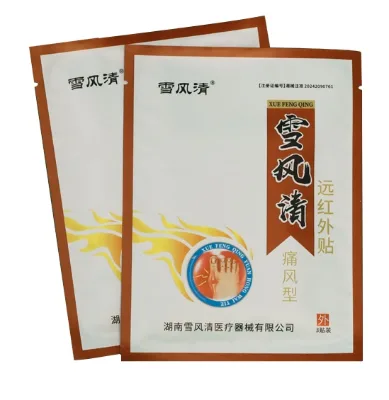
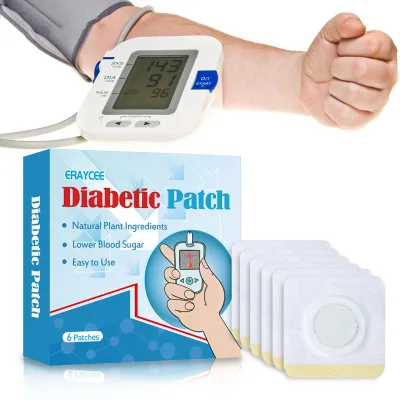
Procuring blood type patches requires distinguishing between general wellness applications and specific therapeutic claims, as the market often blends herbal supplements with external dressing products. Buyers must verify whether the listed items are intended for rheumatism relief or blood sugar management, as the supplied data indicates products with varying functional claims ranging from reducing blood sugar to recovering smooth skin. This distinction is critical because the regulatory pathway and safety requirements differ significantly between a cosmetic dressing and a health care product claiming physiological effects.
Sourcing decisions should also account for the diverse packaging and customization options available, which directly impact logistics and branding strategies. The observed listings show variations from single patches in foil bags to bulk boxes containing twelve or more units, with some suppliers offering custom logos and OEM services. Buyers need to align their order volume with the observed minimum order quantities, which range from ten pieces to ten thousand units, ensuring that the selected supplier can meet both the initial trial order and subsequent scaling requirements without compromising on the specific model specifications like G-HP7P or G-DP2P.
Product Scope and Observed Listing Signals
The product scope for blood type patches in the current market encompasses a wide array of external use items, including non-woven dressings and herbal supplements designed for specific demographic groups like adults. Listings frequently highlight attributes such as cold and hot dressing applications for rheumatism, while others focus on skin recovery or metabolic support. Buyers must carefully parse these signals to ensure the product matches their intended use case, as the same category may contain items with vastly different material compositions and functional promises, such as those with a diameter of 2.5 cm versus those measuring 5 by 5 cm.
Observations of listing details reveal significant variability in packaging standards, with some products packed as five patches per box and others as twelve, often accompanied by specific foil bag configurations. This inconsistency necessitates a rigorous review of the product model numbers and standard specifications provided by the supplier to avoid receiving mismatched inventory. Furthermore, the presence of sample availability and customizable features suggests that buyers should prioritize suppliers who can provide physical samples for verification before committing to larger orders, ensuring the physical attributes like color, weight, and washability align with the procurement requirements.
Technical Specifications to Verify
Technical verification must begin with the physical dimensions and material composition, as the data indicates specific measurements such as 3.5 by 12 cm or 5 by 5 cm with varying diameters. Buyers should confirm that the non-woven material used meets the durability and comfort standards required for external application, particularly since the products are explicitly marked as non-washable. It is essential to validate that the stated size specifications correspond to the actual product model, such as G-SGP012 or G-HP2P, to ensure compatibility with the intended application area and user demographics.
Beyond physical dimensions, the functional claims regarding blood sugar reduction or rheumatism relief require strict scrutiny against the product's stated nature and usage mode. Buyers must verify that the product is indeed categorized as a health care product or herbal supplement and confirm the shelf life of three years to ensure inventory viability. Additionally, the storage requirements, which specify a cool and dry place, must be integrated into the supply chain plan to maintain product integrity, and the specific packing configurations, such as two pieces per foil bag, should be confirmed to prevent damage during transit.
Compliance and Safety Documentation
Compliance verification is paramount when sourcing products that claim health benefits, as the observed listings include certifications like CE and ISO, which are critical for market entry in many regions. Buyers must request and validate these certificates to ensure the manufacturer adheres to recognized safety standards, particularly since the products are intended for external use and may interact with sensitive skin or systemic health conditions. The presence of these certifications should be cross-referenced with the specific product model to confirm that the compliance status applies to the exact item being procured rather than a generic company standard.
Safety documentation must also address the specific nature of the product, whether it is a herbal supplement or a physical dressing, as this dictates the required labeling and usage instructions. Buyers should ensure that the supplier provides clear guidance on the product's origin, such as Henan, China, and confirms that the manufacturing process aligns with the stated standards like 10 patches per box or 6 pieces per foil bag. It is also vital to verify that the payment and shipping terms, including options like DHL and FedEx, do not introduce regulatory hurdles that could delay the clearance of health-related goods at the destination.
Cost Drivers and Commercial Terms
Cost drivers in this category are heavily influenced by the level of customization, including logo printing and OEM/ODM services, which can significantly alter the unit price. The observed price range of 0.03 to 5.5 USD suggests a wide disparity based on factors such as material quality, packaging complexity, and the specific functional claims attached to the product. Buyers should analyze whether the lower price points correspond to basic non-woven dressings or if they include the added value of herbal ingredients and specialized packaging configurations like the 7PCS/Foilbag arrangement.
Commercial terms must be negotiated with attention to the minimum order quantities, which vary from ten pieces to ten thousand units depending on the supplier and product model. The availability of samples is a key factor in managing initial costs, allowing buyers to test the product before committing to bulk orders that may require payment via PayPal or credit card. Additionally, the shipping methods and lead times should be factored into the total landed cost, ensuring that the chosen logistics partner can handle the specific packaging requirements, such as boxes or bags, without incurring unexpected surcharges or delays.
Supplier Qualification and Quality Control
Supplier qualification should focus on verifying the manufacturer's ability to deliver consistent quality across different product models, such as G-HP7P and G-DP2P, which may have distinct production requirements. Buyers must assess the supplier's track record in handling customization requests, including the acceptance of custom logos and specific packing configurations, to ensure they can meet the unique demands of the procurement project. The presence of ODM/OEM acceptance indicates a flexible manufacturing base, but this flexibility must be balanced with strict quality control measures to prevent defects in the final product.
Quality control protocols must include rigorous testing of the product's physical attributes, such as the light weight and clear color, to ensure they match the specifications provided in the listing. Buyers should implement a sampling strategy that covers the full range of observed MOQs, from ten boxes to ten bags, to validate that the quality remains consistent regardless of order size. Furthermore, the supplier's ability to provide proof of the three-year shelf life and adherence to storage conditions in a cool and dry place should be verified through documentation or third-party audits to mitigate the risk of product degradation.
Long-Term Procurement Checks
Long-term procurement success depends on establishing a reliable supply chain that can adapt to changing market demands and regulatory landscapes. Buyers should monitor the supplier's ability to maintain the observed certifications and standards over time, ensuring that the product remains compliant with evolving health care regulations. Regular audits of the manufacturing process and packaging lines are essential to confirm that the product specifications, such as the 5 by 5 cm size or the 2 pcs/foilbag standard, remain consistent throughout the contract period.
Continuous performance checks should also include an evaluation of the supplier's responsiveness to customization requests and their ability to manage inventory levels effectively. Given the wide range of MOQs and the potential for fluctuating demand, buyers must ensure that the supplier can scale production up or down without compromising quality or delivery timelines. Finally, maintaining open communication regarding product updates, such as changes in material composition or packaging design, will help buyers stay ahead of market trends and ensure the continued relevance of the blood type patches in their portfolio.
FAQs
What certifications do these health care patches have?
These patches hold CE and ISO certifications, ensuring they meet international safety and quality standards for external use. The products are manufactured in China, specifically in Henan, and are designed as herbal supplements for health care. Buyers can verify these credentials to ensure compliance with regional regulations for imported wellness products.
Can I customize the logo and packaging for these patches?
Yes, customization is available for both logos and packaging. The supplier accepts OEM and ODM requests, allowing buyers to apply their own branding. Packaging options include boxes containing specific patch counts, such as 12 patches per box or 7 pieces per foil bag. This flexibility supports private label strategies for diverse market needs.
What is the minimum order quantity for these patches?
The minimum order quantity varies by packaging type, ranging from 10 pieces to 100,000 units. Specific listings show MOQs of 10 boxes, 10 bags, or 10 pieces. This wide range accommodates both small sample orders and large-scale bulk purchases, providing flexibility for buyers testing the market or establishing long-term supply chains.
How are these patches packaged and stored?
Patches are packaged in boxes, foil bags, or individual bags, with counts like 5, 6, or 12 patches per box. They should be stored in a cool and dry place to maintain efficacy. The materials used include non-woven fabric, and the patches are designed for external use only, ensuring safe handling and storage conditions.
What are the specifications and sizes of these patches?
Specifications vary by model, with sizes including 5x5 cm with a 2.5 cm diameter, 5x5 cm with a 2 cm diameter, and 3.5x12 cm. Models like G-HP7P and G-DP2P offer different patch counts per package. These dimensions cater to various application areas, ensuring precise placement for targeted health care support and external use.
What payment and shipping methods are accepted?
Payments are accepted via PayPal and credit card, offering secure and convenient transaction options for international buyers. Shipping is handled through DHL and FedEx, ensuring reliable and tracked delivery. These methods support efficient order processing and timely receipt of goods, facilitating smooth B2B transactions for health care products sourced from China.