Source Gourd Buckle for Bags, Belts, and Apparel
Compare 30 Gourd Buckle options from verified suppliers. Buyers can evaluate materials like plastic and metal, customization levels, and pricing to find the right fastener for bags, belts, and apparel applications; compare the available evidence and request quotations based on your requirements.
Key considerations
Products List


Single Hole Spring Buckle Round Buckle Clothing Accessories Cord Buckle
$0.08 - $0.09
MOQ: 10000 Pieces


Buckle Fabric Covered Buckles Leather Covered Buckle for Garment Accessories
$0.60 - $1.96
MOQ: 100 Pieces


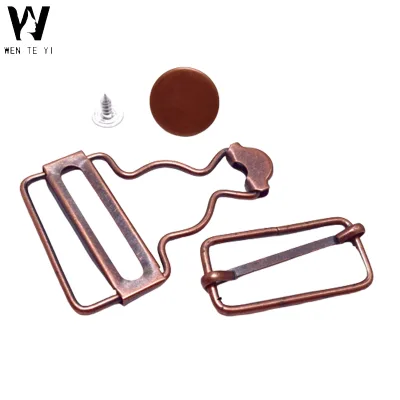
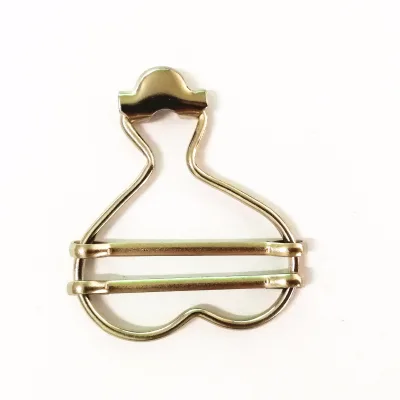
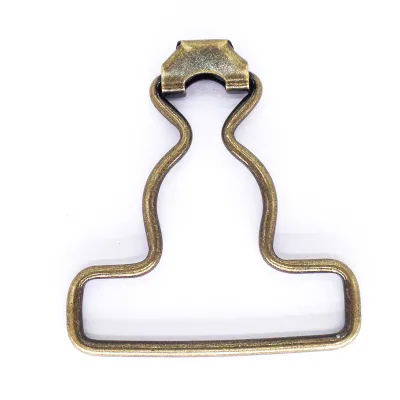


Fashion High Quality Metal Hook Welded Stainless Steel D Ring Belt Buckle
$0.39 - $0.82
MOQ: 100 Pieces
Comprehensive Sourcing Guide
Gourd Buckle Sourcing Guide
Sourcing gourd buckles requires a nuanced understanding of their dual role as functional fasteners and aesthetic accents in various industries. These components are frequently utilized in bag accessories, clothing, and industrial applications where secure closure is paramount. Buyers must distinguish between plastic variants, often used for lightweight packaging or fashion items, and metal versions, which offer higher durability for heavy-duty use. The market offers a wide spectrum of customization options, allowing for specific color, size, and material adjustments to meet unique brand requirements.
The procurement process involves evaluating multiple product attributes, including casting methods, surface treatments, and tolerance levels. Observations from current listings indicate that suppliers may offer both sand-cast metal parts and stamped plastic components, each with distinct manufacturing implications. Understanding these differences is critical for aligning product specifications with end-use demands. Buyers should prioritize suppliers who provide clear documentation on material composition and processing techniques to ensure consistency across large production runs.
Product Scope and Observed Listing Signals
Current market data reveals a diverse range of Gourd Buckle offerings, with observed price points ranging from $0.01 to $5.00 USD. This wide variance reflects differences in material quality, manufacturing complexity, and order volume. Minimum Order Quantities (MOQs) typically span from 5 to 20,000 units, indicating flexibility for both small-batch prototyping and large-scale industrial procurement. Buyers should note that lower MOQs often correlate with higher per-unit costs, while bulk orders may unlock significant economies of scale.
Product listings frequently highlight specific models such as BK0310, BK0008, and BK0069, each associated with distinct features like durability, adjustability, and specific dimensions. For instance, some variants are explicitly labeled as non-adjustable plastic clips, while others are described as durable metal fasteners. The presence of customization options, including color choices like white or black, suggests that many suppliers are equipped to handle bespoke requests. Buyers must carefully cross-reference these model numbers with their technical requirements to avoid mismatches in size or function.
Technical Specifications to Verify
Technical verification begins with confirming the material composition, as listings indicate options ranging from plastic to nonferrous alloys and carbon steel. Buyers must specify whether the application requires the lightweight nature of plastic or the strength of metal. For metal components, details such as casting form material and processing type, such as cold stamping or sand casting, are crucial. Additionally, surface treatments like zinc oxide coating and polishing are common, affecting both corrosion resistance and aesthetic finish.
Tolerance levels are another critical specification, with observed values including +/-0.01mm and 0.02mm. These tight tolerances are essential for ensuring proper fit and function, particularly in precision applications. Buyers should also verify standard dimensions, such as 8.9*17.2mm or specific inch measurements like 3/4" and 1", to ensure compatibility with existing hardware. The presence of multistep progressive dies for metal parts suggests high precision in manufacturing, which buyers should leverage for consistent quality across large orders.
Compliance and Safety Documentation
Compliance verification is essential for ensuring that gourd buckles meet regional safety and environmental standards. While CE certification is observed in some listings, buyers must confirm that this applies to their specific product variant and intended market. Documentation should include material safety data sheets, particularly for plastic components, to ensure they are free from harmful substances. For metal parts, corrosion resistance testing results should be requested to validate the effectiveness of surface treatments like zinc oxide.
Buyers should also verify adherence to relevant industry standards, such as BS standards mentioned in some product descriptions. These standards often dictate quality benchmarks for mechanical strength and durability. It is advisable to request third-party test reports for critical performance metrics, such as tensile strength and fatigue resistance. Ensuring that suppliers provide comprehensive compliance documentation helps mitigate risks associated with regulatory non-compliance and product liability.
Cost Drivers and Commercial Terms
Cost structures for gourd buckles are influenced by material selection, manufacturing complexity, and order volume. Plastic components generally offer lower costs due to simpler production processes, while metal parts, especially those involving sand casting or fine blanking, incur higher expenses. Surface treatments and customizations, such as specific colors or logos, can further increase unit prices. Buyers should negotiate tiered pricing structures that reflect volume discounts, particularly for orders exceeding 10,000 units.
Commercial terms, including packaging and shipping, also impact total procurement costs. Listings indicate various packaging options, from regular export packages to specific counts like 100PCS/PE Bag. Buyers should clarify packaging requirements to prevent damage during transit and ensure efficient storage. Lead times and payment terms should be explicitly defined in contracts to avoid delays and financial discrepancies. Understanding these cost drivers enables buyers to make informed decisions that balance quality, cost, and delivery schedules.
Supplier Qualification and Quality Control
Supplier qualification involves assessing manufacturing capabilities, quality control systems, and customization readiness. Buyers should prioritize suppliers who demonstrate expertise in both plastic and metal processing, as indicated by the diverse product range. Verification of production facilities, including the use of multistep progressive dies for metal parts, ensures high precision and consistency. Suppliers should also provide evidence of robust quality control processes, such as statistical process control and final inspection protocols.
Customization capabilities are a key differentiator, with many suppliers offering tailored solutions for color, size, and design. Buyers should evaluate the supplier’s ability to handle small-batch custom orders without compromising quality or incurring excessive costs. Requesting samples before placing large orders allows for physical verification of product attributes, including surface finish and mechanical strength. Establishing a clear communication channel for technical queries ensures that any issues are addressed promptly during production.
Long-Term Procurement Checks
Long-term procurement success depends on continuous monitoring of supplier performance and product quality. Buyers should establish key performance indicators (KPIs) for delivery times, defect rates, and responsiveness to issues. Regular audits of supplier facilities and quality control processes help maintain high standards and identify areas for improvement. Building a strong relationship with suppliers fosters collaboration and innovation, leading to better product solutions and cost efficiencies over time.
Market trends and regulatory changes may impact the availability and compliance requirements of gourd buckles. Buyers should stay informed about industry developments and adjust their sourcing strategies accordingly. Diversifying the supplier base can mitigate risks associated with single-source dependencies. Periodic reviews of product specifications and performance data ensure that gourd buckles continue to meet evolving business needs and customer expectations.
FAQs
What materials are used for gourd buckles?
Gourd buckles are primarily manufactured from plastic or metal alloys. Specific products utilize nonferrous alloys for casting forms or carbon steel for stamping processes. The material selection depends on the required durability and application, with options available in white or black colors for different aesthetic needs.
Can I request custom designs for these buckles?
Yes, customization is available for gourd buckles to meet specific buyer requirements. Suppliers accept customized orders for various models like BK0310 or BK0008. This service allows for tailored specifications while maintaining standard production capabilities for both plastic and metal variants.
What is the minimum order quantity for gourd buckles?
The minimum order quantity varies significantly depending on the specific product model and material. Observed ranges span from 5 units up to 20,000 units. Some specific items like the release buckle have a defined MOQ of 500 pieces, while others may start at lower thresholds.
Which certifications do Gourd Buckle manufacturers hold?
Manufacturers of gourd buckles often hold CE certification for their products. This certification indicates compliance with specific safety and quality standards required for export markets. Buyers should verify this documentation when sourcing from suppliers in regions like Xiamen, Fujian.
How are gourd buckles packaged for export?
Gourd buckles are typically packed in regular export packages or specific unit counts like 100 pieces per PE bag. Some metal stamping products use bulk packaging such as 10,000 pieces per carton. The packaging method ensures protection during transit and aligns with standard industry practices.
What is the typical lead time for gourd buckles?
Lead times depend on the customization level and order volume. While specific durations are not universally fixed, production involves processes like sand casting or cold stamping. Buyers should expect timelines to vary based on whether the order requires standard or customized manufacturing steps.
What tolerances are maintained for metal gourd buckles?
Metal gourd buckles are produced with high precision, often maintaining machining tolerances of plus or minus 0.01 millimeters. Some specific models may allow for tolerances up to 0.02 millimeters. This precision ensures proper fit and function for applications requiring exact dimensions.