Source Eco-Friendly Recycle Woven Webbing for Garments, Home Textile, Fashion
Compare 30 listings of Eco-Friendly Recycle Woven Webbing from Chinese manufacturers. Buyers can evaluate elastic, printed, and jacquard options with customized sizes and logos for garment accessories, home textiles, and fashion apparel applications; compare the available evidence and request quotations based on your requirements.
Key considerations
Products List


Eco-Friendly Recycled 60 mm Black/White Color Double-Side Woven Elastic Webbing
$0.50 - $0.65
MOQ: 2000 Meters


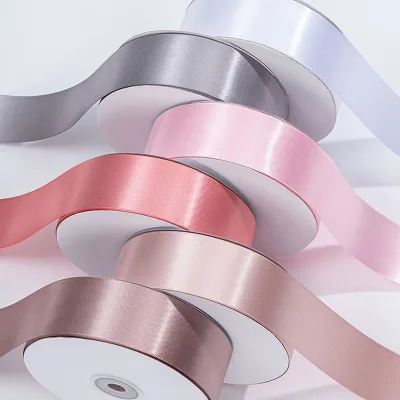


Custom Recycled Nylon Woven Webbing Polyester Jacquard Webbing Strap for Backpack
$0.11 - $0.35
MOQ: 1000 Yards


Comprehensive Sourcing Guide
Eco-Friendly Recycle Woven Webbing Sourcing Guide
Sourcing eco-friendly recycled woven webbing requires a strategic approach that balances sustainability goals with rigorous performance standards. Buyers must navigate a market where "eco-friendly" is often a marketing term rather than a verified technical specification. The core challenge lies in distinguishing between genuinely recycled content and standard synthetic materials that merely claim environmental benefits. This guide provides a structured framework for evaluating suppliers, verifying material composition, and ensuring that the final product meets both functional requirements and corporate sustainability mandates.
Procurement teams should prioritize transparency in the supply chain, focusing on traceability from raw material sourcing to finished goods. The availability of customization options, such as specific widths, colors, and printed logos, adds complexity to the sourcing process. Buyers need to understand how these customizations impact the environmental footprint of the product. For instance, yarn-dyeing processes may extend lead times and increase water usage, which must be weighed against the benefits of using recycled polyester or nylon fibers.
Product Scope and Observed Listing Signals
The current market offers a diverse range of webbing products, including elastic, jacquard, and printed varieties, with widths ranging from 10mm to 95mm. Observed listings indicate that materials are primarily composed of polyester and nylon, with some options featuring polypropylene (PP) structures. These materials are often marketed with features such as high tenacity, abrasion resistance, and elasticity, making them suitable for garment accessories, home textiles, and fashion apparels. The presence of customized logos and colored options suggests a high degree of flexibility in design, allowing buyers to align products with specific brand identities.
Pricing signals in the market show a wide variance, with observed ranges from $0.02 to $5.00 per unit, reflecting differences in material quality, width, and production complexity. Minimum order quantities (MOQs) typically range from 5 to 5,000 units, with specific listings citing MOQs of 1,000 to 2,000 yards or meters. Lead times for sampling vary, with some suppliers offering 7-10 days for standard samples and up to 14 days for yarn-dyeing requirements. Buyers should note that packing configurations, such as 300 meters per roll or 50 yards per roll, can significantly impact logistics and storage costs.
Technical Specifications to Verify
Verifying technical specifications is critical to ensuring that the webbing meets functional requirements. Key attributes to confirm include the material composition, such as whether the product is made from 100% recycled polyester or nylon blends. Buyers should also verify the width, with common standards including 25mm, 30mm, 38mm, 50mm, and 60mm options. The tensile strength and elasticity of the webbing are essential for applications involving stress, such as in garments or luggage. Additionally, the structure of the webbing, whether it is three-dimensional, laminated, or plain woven, affects its durability and aesthetic appeal.
Surface treatments and printing techniques also play a significant role in product performance. Printed and jacquard webbing offer distinct visual effects, but buyers must ensure that the inks and dyes used are non-toxic and compliant with environmental standards. The gram weight, ranging from 18 to 150 GSM, influences the weight and strength of the final product. Buyers should request detailed specification sheets that outline these parameters, ensuring that the selected webbing aligns with the intended application, whether it be for hair decorations, packaging textiles, or home use.
Compliance and Safety Documentation
Compliance with international safety and environmental standards is a non-negotiable aspect of sourcing eco-friendly webbing. Buyers should request documentation that verifies the absence of harmful substances, such as heavy metals or toxic dyes. While specific certifications like OEKO-TEX, RoHS, and REACH are often mentioned in the industry, buyers must verify the actual status of these certifications for the specific products they intend to purchase. This verification process helps mitigate the risk of non-compliance in target markets, particularly in regions with strict environmental regulations.
Transparency in the supply chain is equally important. Buyers should inquire about the source of the recycled materials and the processes used to recycle them. This includes understanding the energy consumption and water usage associated with production. Suppliers should be able to provide evidence of their environmental management practices, such as ISO 14001 certification, although this should be treated as a background indicator rather than a guaranteed standard. By prioritizing suppliers with robust compliance documentation, buyers can ensure that their products meet both legal requirements and consumer expectations for sustainability.
Cost Drivers and Commercial Terms
Several factors influence the cost of eco-friendly recycled webbing, including material composition, width, and customization requirements. The use of recycled polyester or nylon typically commands a premium over virgin materials, reflecting the higher costs associated with recycling processes. Customization, such as specific widths, colors, and printed logos, further increases costs due to the need for specialized production lines and setup times. Buyers should also consider the impact of minimum order quantities on pricing, as larger orders often result in lower per-unit costs.
Commercial terms, including payment methods, shipping arrangements, and lead times, significantly affect the total cost of ownership. Suppliers may offer different packing configurations, such as rolls or bales, which can impact handling and storage costs. Lead times for production and sampling vary, with some suppliers requiring up to 14 days for yarn-dyeing processes. Buyers should negotiate clear terms regarding quality assurance and returns, ensuring that they are protected in case of non-conforming products. Understanding these cost drivers allows buyers to make informed decisions that balance budget constraints with quality and sustainability goals.
Supplier Qualification and Quality Control
Qualifying suppliers involves a thorough assessment of their manufacturing capabilities, quality control processes, and sustainability practices. Buyers should conduct on-site audits or request virtual tours to verify production facilities and equipment. It is essential to evaluate the supplier's ability to maintain consistent quality across large production runs, particularly when dealing with customized products. Suppliers should have robust quality control measures in place, including regular testing of tensile strength, colorfastness, and abrasion resistance.
Building a long-term relationship with a reliable supplier is crucial for ensuring consistent supply and quality. Buyers should establish clear communication channels and regular review meetings to address any issues promptly. It is also important to verify the supplier's ability to scale production in response to changing demand. By prioritizing suppliers with strong quality control systems and a commitment to sustainability, buyers can reduce the risk of supply chain disruptions and ensure that their products meet high standards of quality and environmental responsibility.
Long-Term Procurement Checks
Long-term procurement success depends on continuous monitoring and evaluation of supplier performance. Buyers should establish key performance indicators (KPIs) to track metrics such as on-time delivery, product quality, and compliance with sustainability standards. Regular audits and reviews help identify areas for improvement and ensure that suppliers remain aligned with the buyer's evolving needs. It is also important to stay informed about changes in environmental regulations and market trends, adjusting sourcing strategies accordingly.
Developing a diversified supplier base can mitigate risks associated with single-source dependencies. Buyers should explore opportunities to work with multiple suppliers, each specializing in different aspects of webbing production. This approach allows for greater flexibility and resilience in the supply chain. Additionally, buyers should invest in building strong relationships with suppliers, fostering collaboration and innovation. By maintaining a proactive approach to supplier management, buyers can ensure a steady supply of high-quality, eco-friendly webbing that supports their business objectives and sustainability goals.
FAQs
What materials are used for Eco-Friendly Recycle Woven Webbing?
The webbing is primarily made from Polyester, Nylon, or PP materials. These options provide high tenacity and abrasion resistance. Some products feature a three-dimensional form structure with TPU lamination for enhanced durability in garment and home textile applications.
Which customization options are available for elastic webbing orders?
Customization is available for logos, colors, and specific sizes ranging from 10 to 95mm. Buyers can request customized logos and specific widths like 25mm or 60mm. The production process supports printed and jacquard techniques to meet unique design requirements.
How long does sampling take for yarn-dyeing work?
Sampling time is typically 14 days if yarn-dyeing work is required. For standard samples, the time may be shorter, around 7 to 10 days. This duration ensures the quality of the eco-friendly recycled webbing meets specific color and texture standards before mass production.
What is the minimum order quantity for nylon webbing?
The minimum order quantity varies by product type, often starting at 2000 meters or 2000 yards. Some specific models may require 1000 yards as a baseline. Buyers should verify the exact MOQ based on the specific product model and customization needs.
Can I find webbing with specific width specifications like 38mm?
Yes, specific widths such as 38mm, 50mm, and 60mm are available in the product range. The standard sizes cover a broad spectrum from 25mm up to 95mm. This allows for precise selection suitable for fashion apparel, hair decorations, and packaging textiles.
How is the webbing packed for shipment from China?
The webbing is packed in cartons or rolls depending on the product type. Common packing includes 300 meters per roll or 50 yards per roll. Bulk shipments often use 900 meters per carton or 200 yards per bale to ensure safe transport from Xiamen, China.
What features make this webbing suitable for garment accessories?
The webbing features elasticity, eco-friendliness, high tenacity, and abrasion resistance. These properties ensure durability and flexibility for garment accessories and home textiles. The colored and customized options further enhance its suitability for various fashion and decorative applications.