Source Brass Zircon Couple Ring for Gifts, Weddings, and Parties
Find 30 Brass Zircon Couple Ring options for gifts, weddings, and parties. Compare styles including simple, national, and geometry designs with materials like copper and 925 sterling silver. Check MOQs, lead times, and customization services for your sourcing needs; compare the available evidence and request quotations based on your requirements.
Updated
Key considerations
Products List
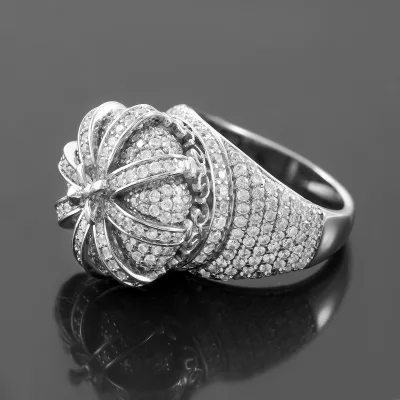

Women Brass Ring Opening Zircon Exquisite Ring Elegant Color Preservation
$1.30 - $3.00
MOQ: 30 Pieces


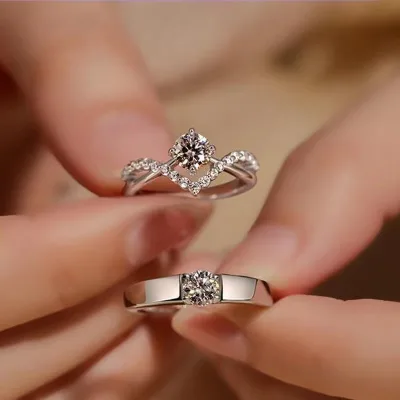


Classic Luxury 925 Sterling Silver Ring Zircon Wedding For Women Jewelry Rings
$7.50 - $8.00
MOQ: 15 Pieces

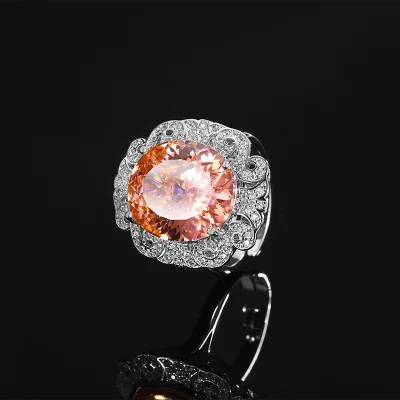
High design ladies jewelry sparkling zirconia ring for fashion accessories
$40.20 - $74.81
MOQ: 1 Pieces



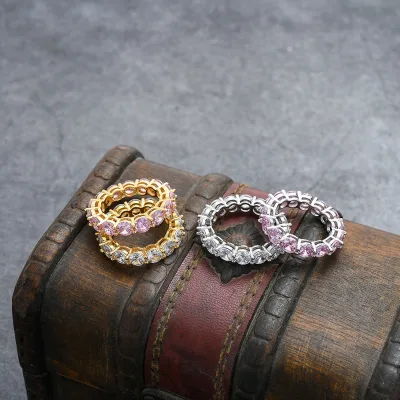
Vintage Style Stackable Ring Set - Three Band Couple Rings with Zircon Accent
$4.30 - $4.50
MOQ: 10 Pieces


Comprehensive Sourcing Guide
Brass Zircon Couple Ring Sourcing Guide
Sourcing brass zircon couple rings requires a nuanced understanding of material properties, plating durability, and the specific aesthetic demands of paired jewelry sets. Buyers must recognize that while the core keyword suggests brass, the observed market data reveals a complex landscape where copper and sterling silver are also prevalent base materials. This discrepancy necessitates rigorous verification of the actual metal composition before placing orders, as the visual similarity between plated brass and silver can lead to significant quality disputes if not explicitly defined in the purchase agreement.
The term "couple ring" implies a matching set, often designed for engagement, wedding, or anniversary occasions, which introduces additional complexity in inventory management and consistency. Procurement teams must ensure that both rings in a pair share identical plating thickness, stone setting quality, and dimensional tolerances. The observed listings indicate a strong focus on decorative and gift usage, with styles ranging from simple to national designs, requiring buyers to align their sourcing strategy with the specific target demographic and occasion-driven demand patterns of their end consumers.
Product Scope and Observed Listing Signals
The current market signals indicate a diverse range of product attributes, with colors including silver, gold, yellow, and specific variations like white zirconium tones. Sizes are commonly observed in standard ranges such as 5, 6, 7, 8, and 9, alongside customized options to accommodate different finger measurements. The shape category is predominantly round, though geometry-based designs are also available, suggesting a broad appeal across traditional and modern aesthetic preferences. Buyers should note that the "zircon" element typically refers to cubic zirconia accessories, which are highlighted as key decorative components in many listings.
Plating options are extensive, with rhodium, rose gold, yellow gold, and black finishes being frequently offered to enhance the visual appeal and corrosion resistance of the base metal. The fabrication processes observed include electroplating, casting, and gem mounting, indicating that suppliers possess varied technical capabilities. Some listings specify wax setting for stones, while others may use different mounting techniques. Understanding these manufacturing nuances is critical for buyers who need to ensure that the production method aligns with their desired finish quality and durability standards for couple rings.
Technical Specifications to Verify
Verifying the base material is the most critical technical step, as listings may cite copper, 925 sterling silver, or brass interchangeably. Buyers must request material certificates or conduct spot checks to confirm the core metal, especially since the price range varies significantly based on whether the item is solid silver or plated base metal. The stamping process is another key verification point, with 925 stamps being common for silver items, while brass or copper items may lack such markings or carry different hallmarks. Clear specification of the material in the contract prevents misrepresentation and ensures compliance with labeling laws in destination markets.
Stone quality and setting integrity must also be rigorously checked, particularly for cubic zirconia inlays. The observed "wax setting" and "gem mounting" processes suggest different levels of security for the stones, which impacts long-term wearability. Buyers should verify the ring size accuracy, as observed sizes range from 5 to 10, and ensure that customized sizes meet precise dimensional tolerances. Additionally, the plating thickness and type, such as rhodium or rose gold, should be specified to guarantee color consistency and resistance to tarnishing, which is essential for maintaining the aesthetic value of couple rings over time.
Compliance and Safety Documentation
Compliance with international safety standards is non-negotiable for jewelry imports, particularly regarding heavy metal content and chemical safety. The observed SGS certification and standard indicate that some suppliers adhere to recognized quality and safety benchmarks, which buyers should prioritize. It is essential to verify that the plating materials and any adhesives used in stone setting comply with REACH regulations and other regional restrictions on hazardous substances. Buyers must ensure that suppliers provide up-to-date test reports confirming that lead, cadmium, and nickel levels are within safe limits for skin contact.
Documentation should also cover the origin of materials and the manufacturing process to ensure ethical sourcing practices. While specific certifications like SGS are noted, buyers should not assume all suppliers hold these credentials without verification. Requesting detailed compliance dossiers, including material safety data sheets (MSDS) for plating chemicals, helps mitigate legal risks and protects brand reputation. Furthermore, verifying that the product labeling accurately reflects the material composition and care instructions is crucial for consumer safety and satisfaction, reducing the likelihood of returns due to allergic reactions or material degradation.
Cost Drivers and Commercial Terms
Cost structures for brass zircon couple rings are influenced by material choice, plating complexity, and order volume. The observed price range of 0.4 to 74.81 USD reflects significant variation based on whether the item is a simple plated band or a more intricate sterling silver piece with detailed gem mounting. Buyers should analyze the cost breakdown to understand the impact of precious metal content versus base metal costs. Higher MOQs, such as 30 or 100 pieces, may offer better unit prices, but buyers must balance this with inventory holding costs and the risk of obsolescence for fashion-sensitive items.
Commercial terms, including lead times and payment conditions, vary widely among suppliers. Observed delivery times range from 5-10 days for standard items to 20-30 days for customized or larger orders. Buyers should negotiate clear lead time commitments and penalties for delays to ensure timely delivery for seasonal peaks like weddings or holidays. Additionally, understanding the packaging requirements, such as OPP bags or strong cartons, is important for protecting the rings during transit and minimizing damage-related losses. Clear communication on these terms helps in accurate budgeting and supply chain planning.
Supplier Qualification and Quality Control
Supplier qualification should focus on their ability to maintain consistency in plating and stone setting across large orders. Buyers should assess the supplier's production capacity and quality control processes, particularly for electroplating and casting, which are common fabrication methods observed. Requesting samples before bulk production is essential to verify color accuracy, stone security, and overall finish quality. Suppliers offering OEM/ODM services should be evaluated on their design flexibility and ability to meet specific customization requirements, such as unique ring sizes or bespoke plating colors.
Quality control checks should include random sampling for dimensional accuracy, plating adhesion, and stone integrity. Buyers should establish clear acceptance criteria for defects, such as chipped zirconia or uneven plating, and implement a rigorous inspection protocol upon receipt. Verifying the supplier's track record for on-time delivery and responsiveness to issues is also crucial. Engaging with suppliers who provide transparent communication and are willing to address quality concerns promptly helps build a reliable supply chain and ensures consistent product quality for end consumers.
Long-Term Procurement Checks
Long-term procurement success depends on continuous monitoring of supplier performance and market trends. Buyers should regularly review supplier compliance with safety standards and update their requirements as regulations evolve. Maintaining open communication with suppliers about design updates and material innovations can help keep product offerings fresh and competitive. Additionally, tracking customer feedback on durability and aesthetic appeal provides valuable insights for future sourcing decisions and helps identify potential quality issues early in the product lifecycle.
Building a diversified supplier base can mitigate risks associated with single-source dependencies. Buyers should periodically evaluate alternative suppliers to ensure competitive pricing and reliable service. Establishing long-term partnerships with qualified suppliers can lead to better terms, priority production slots, and collaborative innovation. Regular audits and performance reviews help maintain high standards and ensure that suppliers continue to meet the evolving needs of the business and its customers, fostering a sustainable and resilient procurement strategy for brass zircon couple rings.
FAQs
What materials are used for brass zircon couple rings?
Brass zircon couple rings are primarily crafted from copper or 925 sterling silver. The stones used are cubic zirconia, and the rings often feature electroplating or casting processes. Some options include rhodium, rose gold, or yellow gold plating to enhance durability and appearance for buyers.
Can I customize the size and design of these rings?
Yes, customization is available for brass zircon couple rings with options for specific sizes like 6, 7, or 8. Buyers can request custom stamps such as 925 or other requirements. The shape can be round or geometric, and the setting style often includes wax setting for unique designs.
What is the minimum order quantity for these rings?
The minimum order quantity varies by supplier, with observed values ranging from 10 to 1000 pieces. Specific listings show MOQs of 10, 20, or 30 pieces depending on the product model. Buyers should verify the exact requirement for their selected item before placing an order.
How long does delivery take for these rings?
Delivery times typically range from 5 to 30 days depending on the supplier and order specifics. Some manufacturers offer a lead time of 5-10 days, while others may require 20-30 days. Buyers should confirm the exact timeline with the vendor to ensure timely receipt of their order.
Which certifications do these rings meet?
Many brass zircon couple rings come with SGS certification to ensure quality standards. The products adhere to specific standards like silver or SGS requirements. Buyers can verify these certifications to confirm the material quality and safety of the rings before making a purchase decision.
Where are these rings manufactured?
These rings are manufactured in Guangzhou, China, which is a known hub for jewelry production. The origin location ensures access to established supply chains and manufacturing capabilities. Buyers can expect products to originate from this region when sourcing from verified suppliers.
What plating options are available for these rings?
Available plating options include rhodium, rose gold, yellow gold, and black gold. These finishes are applied via electroplating to enhance the ring's appearance and resistance to tarnish. Buyers can select the plating that best matches their design preferences and durability requirements.