Source Luxury Pearl Bracelets for Gifts, Formal Events, and Fashion
Source luxury pearl bracelets from 30 verified listings. Compare options in stainless steel, alloy, and glass materials. Find styles for female and male buyers, including vintage and simple designs. View prices, MOQs, and customization services for formal and informal occasions.
Updated
Key considerations
Products List
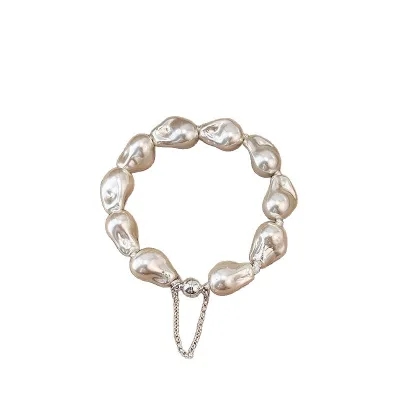
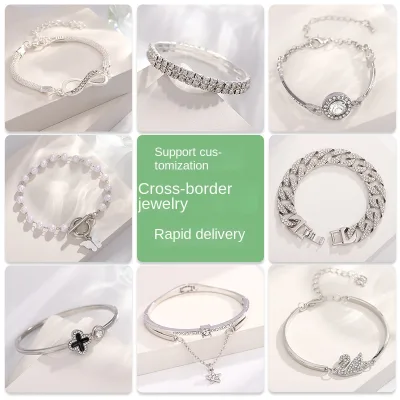
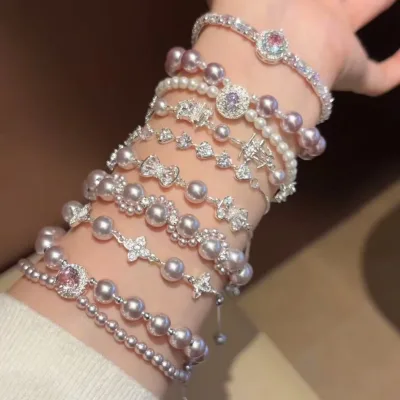
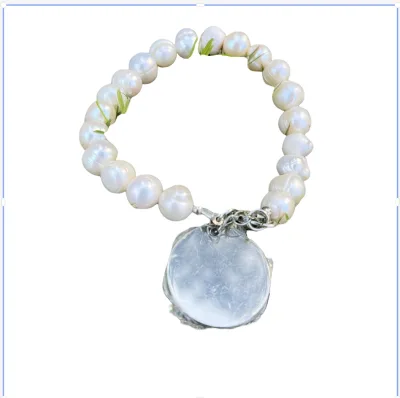


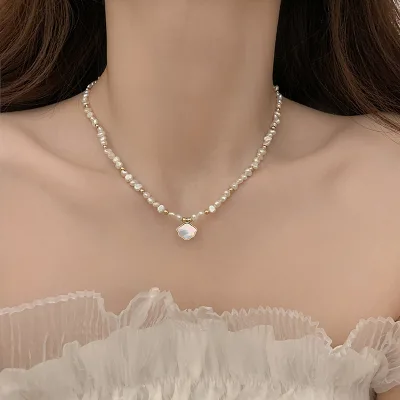
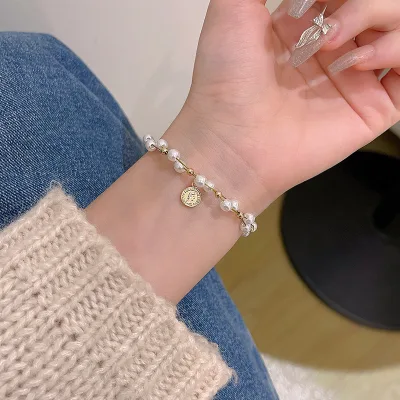


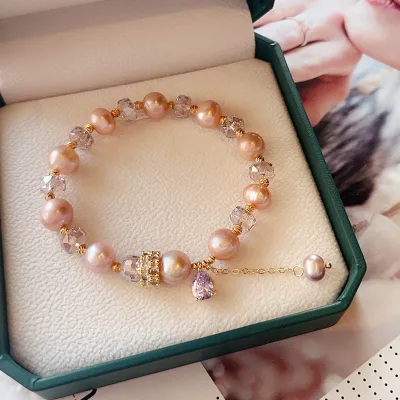
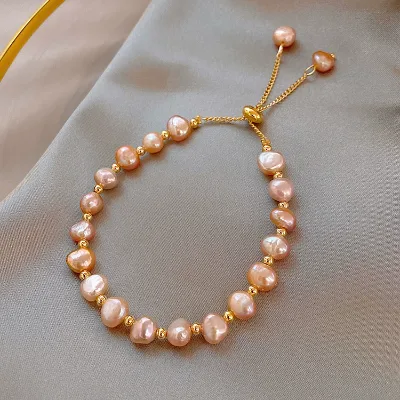
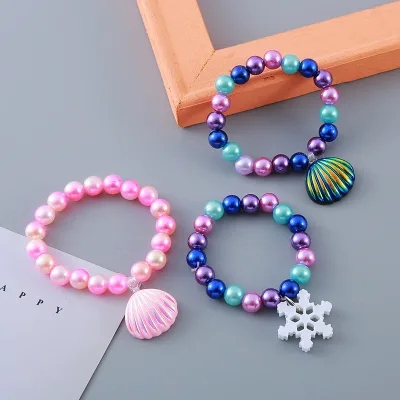
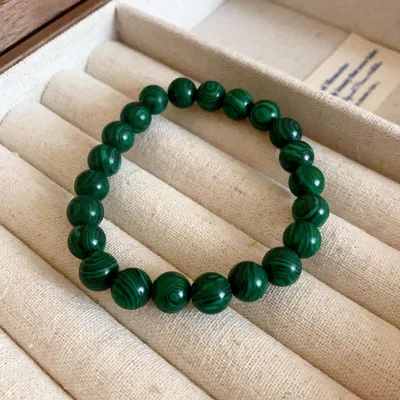
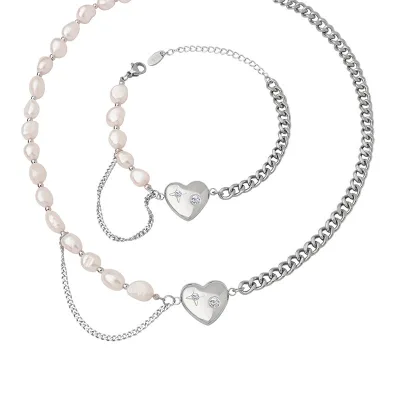

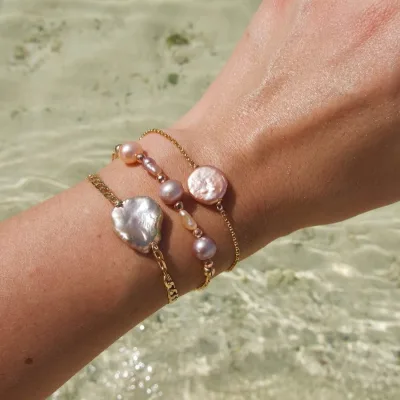
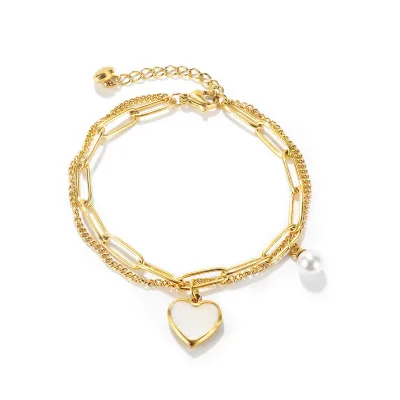
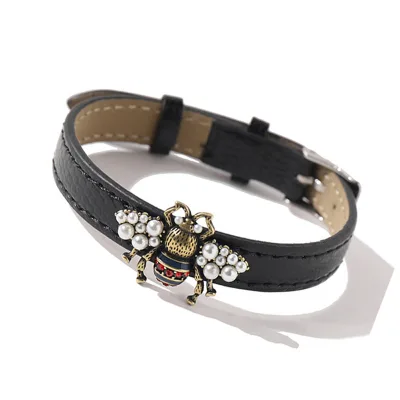
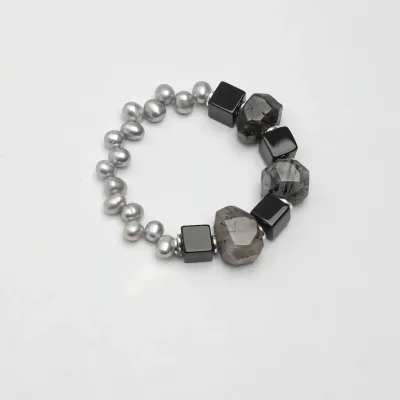
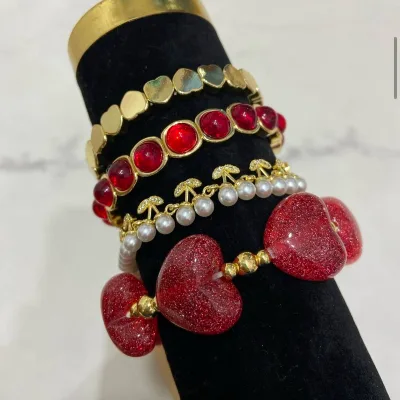
Comprehensive Sourcing Guide
Luxury Pearl Bracelet Sourcing Guide
Sourcing luxury pearl bracelets requires a nuanced understanding of material authenticity, plating durability, and design complexity. Buyers must distinguish between genuine natural or cultured pearls and simulated alternatives, as the market offers a wide spectrum of quality tiers. The observed product landscape includes items made from stainless steel, glass, alloy, and actual pearl materials, each presenting distinct maintenance and aesthetic profiles. Understanding these material differences is critical for aligning product selection with target customer expectations and price points.
Procurement strategies should also account for the diverse design elements present in current listings, such as vintage styles, star fashion motifs, and simple minimalist aesthetics. These variations influence not only the visual appeal but also the manufacturing complexity and potential for customization. Buyers need to evaluate whether their brand positioning favors high-end, intricate designs or accessible, mass-market fashion pieces. This distinction drives decisions on supplier capabilities, particularly regarding OEM and ODM services, which are frequently highlighted by manufacturers in this sector.
Product Scope and Observed Listing Signals
The current market signals indicate a broad range of bracelet types, including Cuban chains, butterfly designs, and heart-shaped pendants, often featuring gold, silver, or rose gold plating. Listings frequently specify colors like white, black, and multicolour options, catering to diverse fashion trends and seasonal demands. The presence of specific model numbers and standardized packaging, such as OPP bags and cartons, suggests a mature supply chain capable of handling bulk orders with consistent presentation. These signals help buyers identify suppliers who are ready for immediate deployment in retail or e-commerce channels.
Observations also reveal a strong emphasis on customization, with many suppliers welcoming OEM and ODM requests. This flexibility allows brands to create unique products that stand out in competitive markets. The inclusion of specific length specifications, such as 18+5cm or 45cm, indicates that sizing is a key consideration for fit and comfort. Buyers should leverage these detailed specifications to ensure that the products they source meet the ergonomic and stylistic requirements of their end consumers, reducing the risk of returns due to sizing issues.
Technical Specifications to Verify
Verifying technical specifications is essential to ensure product consistency and quality. Buyers should confirm the exact material composition, particularly for items claiming to be made from stainless steel or genuine pearls, as these materials have different durability and care requirements. The plating process, whether gold or silver, should be tested for adhesion and tarnish resistance, especially for items intended for frequent wear. Detailed length measurements, such as 20 cm or 45 cm, must be cross-checked against supplier samples to ensure they match the advertised dimensions.
Additionally, the packaging standards, ranging from individual OPP bags to more robust carton packaging, should be evaluated for their protective capabilities during shipping. The presence of bubble bags and specific packing instructions indicates a supplier’s attention to detail in preventing damage. Buyers should also verify the origin of the products, with many listings specifying Guangzhou, China, as the production hub. This information can help in assessing logistics costs and lead times, ensuring that the supply chain aligns with the buyer’s delivery expectations.
Compliance and Safety Documentation
Compliance with international safety standards is non-negotiable for jewelry products, particularly those containing metals and platings. Buyers must ensure that suppliers provide relevant test reports for heavy metal content, such as lead and cadmium, to comply with regulations in target markets like the EU and US. For items made from alloy or stainless steel, verifying the absence of harmful substances is crucial to protect consumer health and brand reputation. Documentation should be up-to-date and issued by recognized third-party laboratories to ensure credibility.
Furthermore, labeling requirements must be strictly adhered to, including accurate material declarations and care instructions. Buyers should work with suppliers to ensure that all products are correctly labeled with their material composition, such as glass, pearl, or metal alloys, to avoid misrepresentation claims. The inclusion of specific standards, like stranded size or one-size fits all, should be clearly communicated on product tags and packaging. This transparency not only aids in regulatory compliance but also builds trust with consumers who are increasingly concerned about product safety and authenticity.
Cost Drivers and Commercial Terms
Cost drivers for luxury pearl bracelets include the type of materials used, the complexity of the design, and the volume of the order. Items featuring genuine pearls or intricate plating processes will naturally command higher prices compared to those made from basic alloys or glass. Buyers should negotiate based on the observed MOQ ranges, which typically span from 2 to 500 units, allowing for flexibility in initial orders. Understanding these cost structures helps in budgeting accurately and determining the potential profit margins for different product lines.
Commercial terms, such as payment methods and delivery times, also play a significant role in the procurement process. Suppliers often accept various payment options, including T/T, Western Union, and PayPal, providing flexibility for international transactions. Delivery times can vary, with some suppliers offering lead times of 30-35 days after deposit receipt. Buyers should factor these timelines into their inventory planning to avoid stockouts or excess inventory. Clear communication regarding shipping methods, such as DHL or FedEx, ensures that logistics costs are transparent and manageable.
Supplier Qualification and Quality Control
Qualifying suppliers involves assessing their production capabilities, quality control processes, and responsiveness to customization requests. Buyers should request samples to evaluate the finish, durability, and overall quality of the bracelets before committing to large orders. Suppliers who offer OEM and ODM services demonstrate a higher level of flexibility and commitment to meeting specific brand requirements. It is also important to verify the supplier’s experience in exporting to your target market, as this can impact their understanding of local standards and consumer preferences.
Quality control measures should be clearly defined and agreed upon with the supplier. This includes specifying inspection criteria for plating quality, pearl alignment, and clasp functionality. Buyers may consider hiring third-party inspection services to conduct pre-shipment inspections, ensuring that the products meet the agreed-upon standards. Establishing a clear communication channel for addressing any quality issues promptly is crucial for maintaining a smooth supply chain. Regular feedback and performance reviews can help in building a long-term partnership with reliable suppliers.
Long-Term Procurement Checks
Long-term procurement success depends on continuous monitoring of supplier performance and market trends. Buyers should regularly review supplier delivery times, product quality, and responsiveness to ensure they remain aligned with business goals. Keeping an eye on emerging design trends, such as vintage styles or star fashion motifs, allows for proactive product development and inventory management. Adapting to changes in consumer preferences and material availability is essential for maintaining a competitive edge in the luxury jewelry market.
Additionally, buyers should periodically reassess their supplier base to identify opportunities for cost savings or improved quality. Diversifying suppliers can mitigate risks associated with single-source dependencies and ensure business continuity. Building strong relationships with suppliers through consistent communication and fair business practices can lead to better terms and priority treatment during peak seasons. By staying informed and adaptable, buyers can navigate the complexities of the Luxury Pearl Bracelet market and achieve sustainable growth.
FAQs
What materials are used for luxury pearl bracelets?
Luxury pearl bracelets are crafted from premium materials including stainless steel, glass, alloy, and genuine pearl. Some designs incorporate gold plating or silver finishes to enhance aesthetic appeal. These durable materials ensure longevity while maintaining a sophisticated look suitable for formal occasions and daily decoration.
Can I customize luxury pearl bracelets for my brand?
Yes, customization is available for luxury pearl bracelets. Suppliers warmly welcome OEM and ODM requests, allowing you to tailor designs, colors, and packaging to your specific brand requirements. This service supports unique styling needs, ensuring the final product aligns perfectly with your market positioning and customer expectations.
What is the typical lead time for orders?
The typical delivery time is within 30 to 35 days after receiving the deposit. This timeframe allows manufacturers to process custom orders, assemble components, and conduct quality checks. Buyers should plan their inventory accordingly to ensure timely arrival for seasonal launches or specific promotional events.
Which colors are available for these bracelets?
Available colors include white, black, gold, silver, pink, and multicolour options. Specific designs feature combinations like rose gold, gun black, or peach heart double pearl styles. Buyers can select from various plating finishes such as gold or silver to match their preferred aesthetic and target demographic preferences.
How are luxury pearl bracelets packaged for shipping?
Bracelets are typically packed in individual OPP bags, often combined with bubble bags and cartons for protection. Some suppliers offer carton-only packaging or customized client requests. This secure packaging ensures products arrive in pristine condition, minimizing damage risks during international transit via DHL, FedEx, or UPS.
What is the minimum order quantity for these items?
The minimum order quantity ranges from 2 to 500 pieces depending on the specific supplier and product model. This flexible MOQ allows both small businesses and large retailers to place orders that suit their budget and inventory needs. Buyers should verify the exact MOQ with their chosen manufacturer before proceeding.