Source 18k Gold Plated Pearl Earrings for Gifts, Weddings, and Parties
Source 18k Gold Plated Pearl Earrings from 30 verified listings. Compare options featuring 925 sterling silver, custom shapes, and various plating finishes. Ideal for jewelry makers and wholesalers seeking reliable suppliers for gifts, weddings, and parties; compare the available evidence and request quotations based on your requirements.
Updated
Key considerations
Products List


925 Silver Jewelry Accessories 18k Gold Plated Enamel Butterfly Pearl Earrings
$10.00 - $11.00
MOQ: 20 Pairs


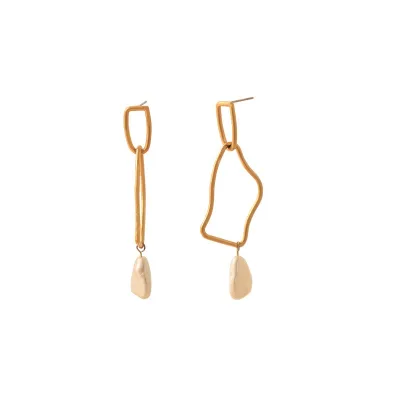
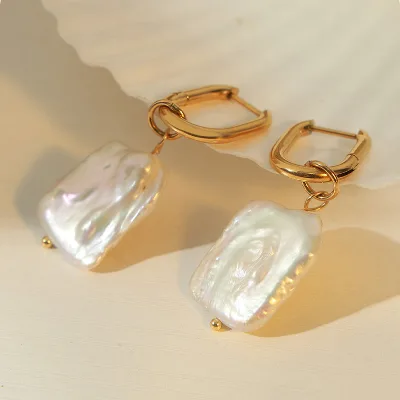
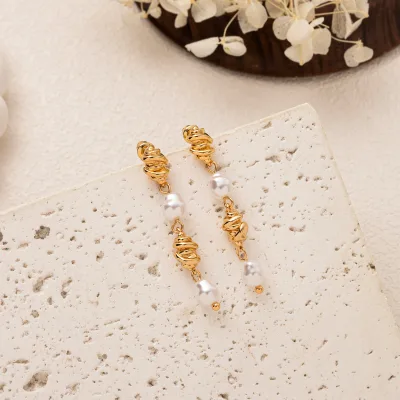
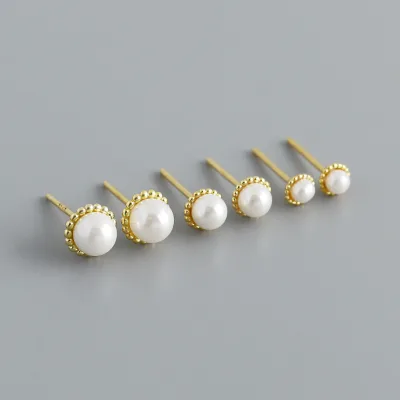
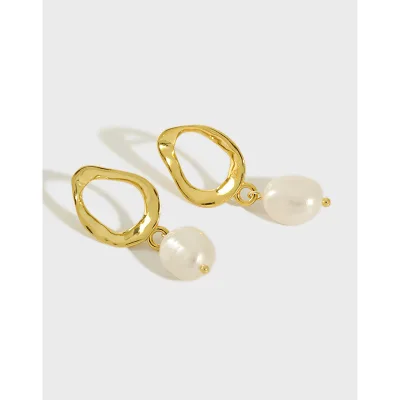


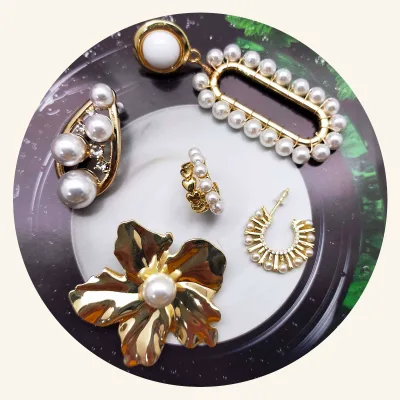


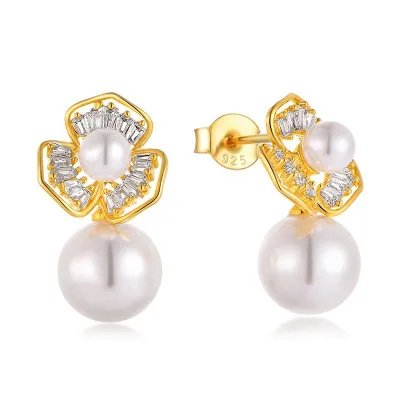

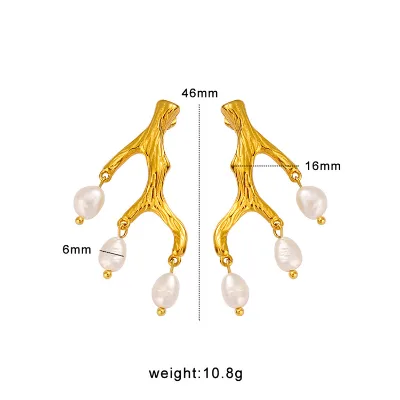
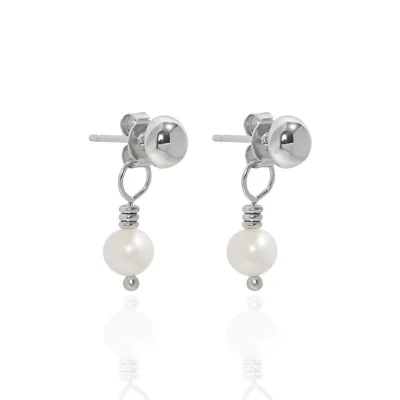


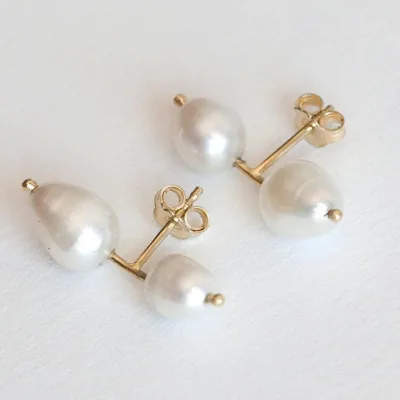
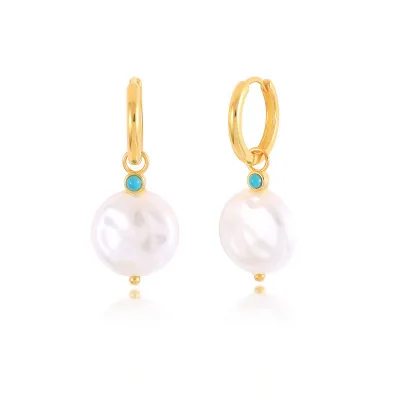
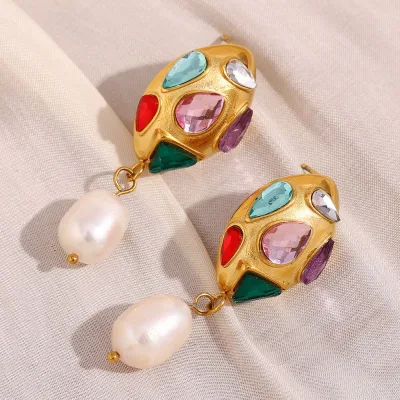

Stainless Steel 18K Gold Plated Color Geometric Earrings Trendy Pearl Earrings
$3.69 - $3.89
MOQ: 12 Pieces
Comprehensive Sourcing Guide
18k Gold Plated Pearl Earrings Sourcing Guide
Product Scope and Observed Listing Signals
The market for 18k Gold Plated Pearl Earrings presents a diverse range of options, primarily anchored by stainless steel and sterling silver base materials. Observed listings indicate a strong preference for geometric and square shapes, with styles ranging from simple designs to star fashion motifs. Buyers should note that while the core keyword specifies gold plating, actual product attributes frequently include rhodium, rose gold, yellow gold, and black plating options. The material composition often centers on 925 sterling silver or stainless steel, with purity levels explicitly stated as 92.5% in many verified listings. This variation requires careful verification to ensure the final product matches the specific aesthetic and durability requirements of the end consumer.
Price points for these accessories typically fall within a range of 1.95 to 52.62 USD, reflecting significant variance in material quality, plating thickness, and pearl characteristics. Minimum order quantities are highly flexible, with observed ranges spanning from 1 to 200 units, allowing both small boutique orders and larger wholesale purchases. Customization is widely available, with suppliers offering custom-made earrings based on drawings and samples. This flexibility extends to stamping, where buyers can request specific markings such as "925" or other customer-required identifiers. The ability to tailor designs and packaging, such as using individual OPP bags or strong cartons, adds substantial value for brands seeking unique market positioning.
Technical Specifications to Verify
When evaluating technical specifications, the pearl diameter and quality are critical factors that influence both aesthetics and price. Observed data highlights a specific pearl diameter of 10mm, which serves as a common benchmark for standard earring designs. Buyers must verify the gloss and color attributes, as listings may specify white pearls with glare finishes or other natural patterns. The processing methods, including casting and polishing, directly impact the surface finish and structural integrity of the earring components. It is essential to confirm whether the fabrication process includes electroplating to achieve the desired 18k gold appearance, ensuring the plating adheres correctly to the base material for long-term wear.
Size customization is a prominent feature in this category, with many suppliers offering made-to-order dimensions based on customer samples. The product models, such as ED1007, E7939, and 625656399142, provide specific reference points for tracking inventory and quality consistency. Packaging standards vary, with box gauges like 15 * 15 * 16 CM being common for bulk shipments. Buyers should also verify the defect rate, as flawless products are often a key selling point. Understanding the specific shape attributes, whether oval, square, or geometry-based, helps in aligning product offerings with current fashion trends and consumer preferences in the jewelry market.
Compliance and Safety Documentation
Compliance with international standards is non-negotiable for importing jewelry, particularly when dealing with metal alloys and plating materials. Suppliers often provide certifications such as ISO9001, SGS, and BSCI, which indicate adherence to quality management and social responsibility standards. These documents are crucial for verifying that the manufacturing processes meet recognized global benchmarks. Buyers should request current certification copies to ensure they are valid and cover the specific production facilities involved. The presence of these certifications reduces the risk of supply chain disruptions and ensures that the supplier maintains consistent quality control measures throughout the production cycle.
Additionally, compliance with chemical safety regulations is vital, especially regarding nickel release and heavy metal content in gold plating. While REACH compliance is mentioned in background contexts, buyers must explicitly verify that the plating materials meet the specific regulatory requirements of their target markets. This includes ensuring that the 18k gold plating does not contain prohibited substances that could cause allergic reactions or violate environmental laws. Documentation should also cover the origin of materials, with many suppliers listing China or Guangzhou as the production location. Verifying these details helps in maintaining brand reputation and avoiding legal liabilities associated with non-compliant products.
Cost Drivers and Commercial Terms
Several factors influence the final cost of 18k Gold Plated Pearl Earrings, with material composition and plating thickness being primary drivers. Sterling silver bases generally command higher prices than stainless steel due to intrinsic material value, while thicker gold plating increases durability and cost. Minimum order quantities significantly impact unit pricing, with lower MOQs often resulting in higher per-unit costs. Buyers should negotiate based on volume commitments, leveraging the observed MOQ range of 1 to 200 units to secure favorable terms. Understanding the cost structure helps in budgeting accurately and identifying opportunities for margin improvement through strategic ordering.
Commercial terms also include sample fees and refund policies, which are common in custom jewelry sourcing. Many suppliers charge a sample fee that is refundable upon placing a bulk order of 100 pieces or more. This policy allows buyers to verify quality before committing to large volumes. Delivery dates typically range from 15 to 20 days, which must be factored into inventory planning and launch timelines. Shipping options such as DHL, UPS, FedEx, and EMS offer varying speeds and costs, allowing buyers to balance urgency with expense. Clear agreement on these terms prevents unexpected charges and ensures smooth transaction processes.
Supplier Qualification and Quality Control
Supplier qualification involves assessing their manufacturing capabilities, business scope, and quality assurance processes. Many suppliers specialize in a range of jewelry items, including rings, pendants, cufflinks, bracelets, necklaces, and earrings, indicating broad production expertise. Buyers should verify the supplier's advantage, such as being a factory, which often ensures better price control and direct communication. The suitability for various businesses, including wholesalers, distributors, and jewelry makers, suggests flexibility in serving different market segments. Evaluating these factors helps in selecting a partner that aligns with the buyer's operational model and growth objectives.
Quality control measures should be rigorously tested, starting with sample approval and continuing through production monitoring. Buyers should inspect the stamping accuracy, ensuring that markings like "925" or custom requirements are clearly visible and correct. The guarantee period, often cited as one year, provides a baseline for expected product longevity. However, buyers should also establish their own inspection criteria for plating adhesion, pearl setting security, and overall finish. Regular communication with the supplier regarding quality feedback helps in maintaining high standards and addressing issues promptly before they affect the broader order.
Long-Term Procurement Checks
Long-term procurement success depends on establishing robust relationships and continuous performance monitoring. Buyers should regularly review supplier performance metrics, including on-time delivery rates, defect rates, and responsiveness to issues. The ability to handle custom orders and adapt to changing design trends is a key indicator of a supplier's flexibility and innovation. Maintaining open lines of communication ensures that any changes in material availability or production capacity are communicated early. This proactive approach helps in mitigating risks and maintaining a stable supply chain for 18k Gold Plated Pearl Earrings.
Additionally, buyers should periodically reassess market trends and consumer preferences to ensure product offerings remain relevant. The observed popularity of simple, geometric, and star fashion styles suggests a demand for versatile and modern designs. Staying informed about new plating technologies and pearl sourcing options can provide competitive advantages. Regular audits of supplier certifications and compliance documentation ensure ongoing adherence to legal and ethical standards. By focusing on these long-term checks, buyers can build a resilient and efficient procurement strategy that supports sustainable business growth.
FAQs
Can I customize the size and design of these earrings?
Yes, customization is available for these earrings. You can request custom-made sizes with specific drawings and samples. The product model ED1007 supports tailored specifications to meet your unique requirements. This allows for precise alignment with your brand identity and customer preferences.
What is the minimum order quantity for these earrings?
The minimum order quantity is 100 pairs. This MOQ applies to standard orders for these gold-plated pearl earrings. Buyers should note that sample fees for 100 pieces are refundable upon placing a larger order. This structure supports both trial and bulk purchasing needs.
What certifications do these earrings have?
These earrings hold ISO9001, SGS, and BSCI certifications. These credentials verify quality management and ethical manufacturing standards. The products originate from Guangzhou, China, ensuring compliance with international trade requirements. Buyers can rely on these documented standards for sourcing confidence and regulatory alignment.
How long is the delivery time for orders?
The delivery time is 15 to 20 days. This lead time applies after order confirmation and sample approval. Shipping options include DHL, UPS, FedEx, and EMS for global distribution. Buyers should plan inventory accordingly to account for this standard production and transit window.
What materials are used in these earrings?
These earrings are made from 925 sterling silver with 18k gold plating. The plating options include rhodium, rose gold, yellow gold, and black finishes. The material purity is verified at 92.5%, ensuring durability and hypoallergenic properties. This combination offers a premium look suitable for various occasions.
Are these earrings suitable for wholesale buyers?
Yes, these earrings are suitable for jewelry wholesalers and distributors. The product is designed for universal use and fits female demographics. Packaging includes individual OPP bags in strong cartons. This setup supports efficient distribution and retail readiness for business partners seeking reliable supply chains.