Source Breathable Adjustable Ankle Guard for Yoga, Basketball, Tennis
Find 30 verified listings for a Breathable Adjustable Ankle Guard suitable for yoga, basketball, and tennis. Buyers can compare materials like nylon and cotton, thickness levels, and customization options from suppliers in China; compare the available evidence and request quotations based on your requirements.
Key considerations
Products List

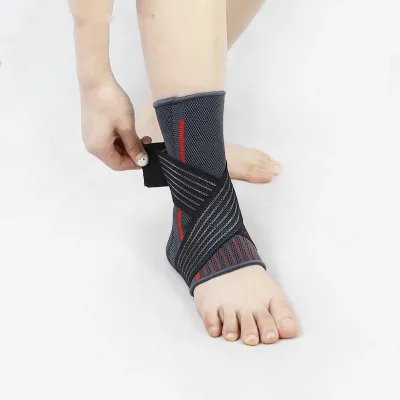


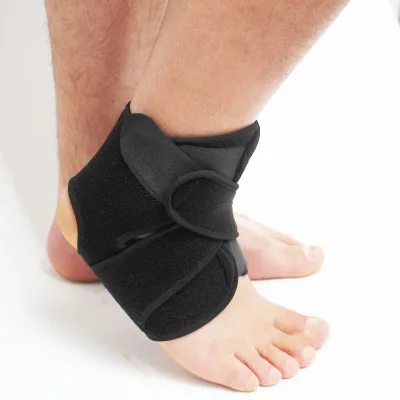


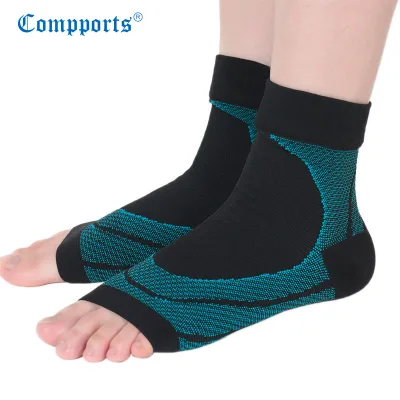

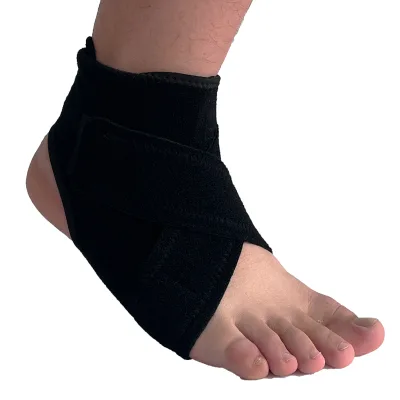


Comprehensive Sourcing Guide
Breathable Adjustable Ankle Guard Sourcing Guide
Procuring breathable adjustable ankle guards requires a strategic focus on material composition and structural integrity to ensure consistent performance across diverse athletic applications. Buyers must prioritize suppliers who can demonstrate the use of high-quality synthetic blends, such as nylon, polyester, and rubber, which provide the necessary elasticity and durability for sports like yoga, basketball, and tennis. The observed product landscape indicates a strong preference for unisex designs that accommodate adult users, with specific attention to breathability features that prevent moisture buildup during extended wear. This foundational understanding helps narrow down potential vendors who specialize in functional sports accessories rather than generic textile manufacturers.
The commercial viability of these products hinges on the ability to offer customizable solutions that meet specific brand requirements. With OEM services widely accepted in this category, buyers can negotiate private label options that include specific sizing standards ranging from small to extra-large. It is crucial to verify that the supplier’s production capabilities align with the desired protection class, whether comprehensive or flexible, to ensure the final product meets the intended safety standards. By focusing on these core attributes, procurement teams can establish a clear baseline for evaluation, ensuring that every potential supplier is assessed against the same rigorous criteria for quality, functionality, and market readiness.
Product Scope and Observed Listing Signals
The current market for ankle guards presents a diverse range of product configurations, primarily categorized by their adjustability and material construction. Listings frequently highlight adjustable straps as a key feature, allowing users to customize the fit for optimal support and comfort. This adjustability is particularly important for athletes who require precise pressure distribution around the ankle joint. Conversely, some products are designed as non-adjustable knit or neoprene supports, which offer a more uniform compression profile. Understanding these distinctions is vital for buyers who need to match the product type to specific end-user needs, such as rehabilitation versus high-impact sports performance.
Material composition serves as another critical signal in the observed listings, with common blends including nylon, polyester, cotton, and synthetic rubber. The thickness of these materials varies, with options ranging from medium to thick, influencing the level of protection and breathability provided. For instance, products with a higher rubber content may offer greater durability and support, while those with more nylon or polyester focus on flexibility and moisture-wicking properties. Buyers should note that while many products are marketed for universal seasonal use, the specific material blend will dictate their performance in different environmental conditions. This data helps in selecting the right product variant for specific market segments.
Technical Specifications to Verify
When evaluating technical specifications, buyers must scrutinize the exact material percentages and construction methods to ensure consistency in product performance. For example, some listings specify a blend of 55% polyester and 45% rubber, while others use 50% nylon, 10% polyester, and 40% rubber. These variations significantly impact the product’s elasticity, durability, and breathability. It is essential to request detailed technical data sheets that outline the tensile strength and recovery rate of the materials used. Additionally, the thickness of the guard, whether medium or thick, should be verified against the intended use case to ensure it provides adequate protection without restricting movement.
Size standards and packaging details also require careful verification to avoid logistical issues. Observed size ranges include S/M/L/XL, which must align with the target market’s sizing expectations. Packaging specifications, such as 72 boxes per outer carton, affect shipping costs and warehouse storage requirements. Buyers should confirm that the packaging meets export standards and includes necessary labeling for compliance. Furthermore, the model numbers, such as HB-04, POR-AP-1, and GS-160, should be cross-referenced with the supplier’s catalog to ensure that the specific product variant being quoted matches the technical specifications provided. This level of detail prevents discrepancies between the sample and the bulk production.
Compliance and Safety Documentation
Compliance with international safety standards is a non-negotiable aspect of sourcing medical or sports protective equipment. The observed listings mention certifications such as FDA and ISOCE, which indicate adherence to specific regulatory frameworks for medical devices and general quality management. Buyers must request copies of these certificates and verify their validity and scope of application. It is important to distinguish between general quality certifications and specific medical device approvals, as the latter may be required for products marketed for therapeutic or rehabilitative purposes. Ensuring that the supplier maintains these certifications up to date is crucial for avoiding legal and regulatory risks in the target market.
In addition to formal certifications, buyers should inquire about the testing protocols used to validate the product’s safety and performance. This includes tests for material toxicity, skin irritation, and mechanical durability. While specific test results are not always provided in initial listings, reputable suppliers should be able to share summary reports or reference third-party testing agencies. The presence of CE marking, often cited alongside FDA approval, suggests compliance with European health, safety, and environmental protection standards. Buyers should ensure that the documentation clearly states the specific directives or regulations under which the product is certified, providing a clear audit trail for quality assurance teams.
Cost Drivers and Commercial Terms
The cost structure for breathable adjustable ankle guards is influenced by several key factors, including material quality, production volume, and customization requirements. The observed price range of $0.16 to $10 per unit reflects the variability in product complexity and material costs. Higher-end products with premium materials or complex adjustable mechanisms will naturally command higher prices, while simpler knit supports may be more affordable. Buyers should request detailed cost breakdowns that separate material, labor, and overhead costs to identify areas where value can be optimized. Understanding these drivers helps in negotiating better terms and predicting cost fluctuations due to raw material market changes.
Minimum Order Quantities (MOQ) and payment terms are critical commercial considerations that impact cash flow and inventory management. The observed MOQ range of 1 to 5000 units offers flexibility for both small-scale trials and large-scale production runs. Buyers should negotiate payment terms that align with their financial capabilities, such as partial payments or letter of credit options, to mitigate risk. Additionally, lead times for production and shipping should be clearly defined in the contract to ensure timely delivery. By establishing clear commercial terms, buyers can build a stable supply chain that supports consistent product availability and competitive pricing in the market.
Supplier Qualification and Quality Control
Qualifying suppliers for ankle guard production involves a thorough assessment of their manufacturing capabilities, quality control processes, and ethical standards. Buyers should conduct factory audits or request recent audit reports to verify that the supplier adheres to international quality management systems. This includes evaluating the supplier’s ability to maintain consistent product quality across large production runs. Key areas of focus include the precision of cutting and stitching, the consistency of material blending, and the effectiveness of quality inspection procedures. A robust quality control system is essential to minimize defect rates and ensure customer satisfaction.
Ethical and social responsibility standards are also increasingly important in supplier qualification. Buyers should verify that the supplier complies with labor laws and environmental regulations, ensuring that products are manufactured under fair and sustainable conditions. This may involve checking for certifications related to social responsibility or environmental management. Additionally, the supplier’s location, such as Anhui or Yangzhou in China, can influence logistics and communication efficiency. By selecting suppliers who meet both quality and ethical standards, buyers can build a reputation for responsible sourcing and enhance their brand’s credibility in the global market.
Long-Term Procurement Checks
Establishing a long-term procurement strategy for ankle guards requires ongoing monitoring of supplier performance and market trends. Buyers should implement regular performance reviews that assess key metrics such as on-time delivery, defect rates, and responsiveness to issues. This continuous evaluation helps in identifying areas for improvement and maintaining a high standard of quality. Additionally, staying informed about emerging materials and technologies in the sports accessory industry can provide a competitive edge. For instance, advancements in breathable fabrics or adjustable mechanisms may offer new opportunities for product differentiation.
Diversifying the supplier base is another critical long-term check to mitigate supply chain risks. Relying on a single supplier can expose the business to disruptions due to production issues, natural disasters, or geopolitical factors. By maintaining relationships with multiple qualified suppliers, buyers can ensure continuity of supply and leverage competitive pricing. Regular communication and collaboration with suppliers can also foster innovation and co-development of new products. This proactive approach to procurement ensures that the business remains agile and responsive to changing market demands and consumer preferences.
FAQs
What materials are used for the Breathable Adjustable Ankle Guard?
The product uses Nylon, Cotton, Polyester, and Synthetic Rubber. Some models combine these materials with rubber for flexibility. Specific compositions vary by item number, such as 55% polyester with 45% rubber or 50% nylon with 10% polyester and 40% rubber.
Can I get customization and OEM services for this ankle brace?
Yes, customization and OEM services are acceptable for this product. Buyers can request specific adjustments to meet their needs. The product supports flexible customization options while maintaining its core function of protection during yoga and exercise activities.
Which certifications does the ankle support product hold?
The product holds FDA and ISOCE certifications. Some listings also mention FDA and CE compliance. These certifications ensure the product meets specific safety and quality standards required for health care and sports protection applications in various markets.
How is the product packed for shipment?
The product is packed in cartons with 72 boxes per outer carton. This packaging method ensures safe transport and organization. The standard packing configuration supports bulk orders and facilitates efficient logistics for international buyers sourcing these ankle guards.
What sizes are available for the adjustable ankle guard?
Available sizes include S, M, L, and XL. Some models specify sizes as L, M, and S. The product is designed for unisex use and fits adults, ensuring a proper fit for various ankle dimensions during sports and exercise activities.
Where is the product manufactured and what is the origin?
The product originates from Anhui, China, and Yangzhou, China. These locations serve as the primary production hubs for these ankle supports. Buyers can expect manufacturing consistency from these established regions known for textile and sports equipment production.
What is the price range for the breathable ankle guard?
The observed price range is between 0.16 and 10 USD. This variation depends on specific models, materials, and order quantities. Buyers should check individual listings for exact pricing based on their required specifications and volume needs.
Can the ankle guard be used for multiple sports?
Yes, the product offers comprehensive protection for basketball, football, tennis, badminton, and table tennis. It is designed for universal seasonal use and supports various athletic activities. The flexible design ensures stability and protection across different high-impact sports environments.