Source Breast Milk Cooling Storage Bag for Outdoor, Food, and Picnic
Compare 30 listings of Breast Milk Cooling Storage Bag options featuring waterproof and insulated designs for outdoor events, food transport, and daily life. Buyers can evaluate materials like PEVA and Polyester, along with customization and MOQ details.
Key considerations
Products List
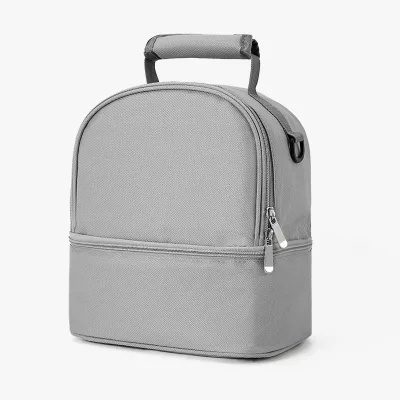
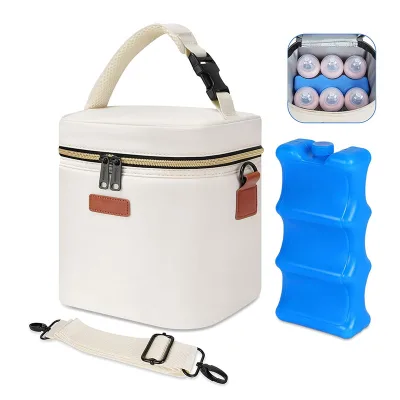
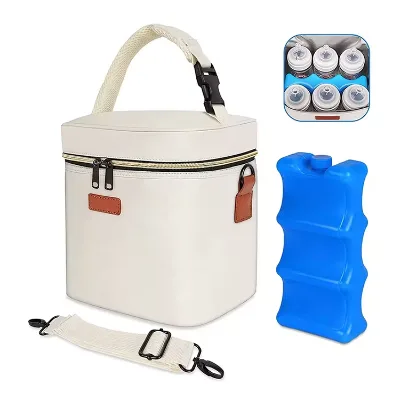
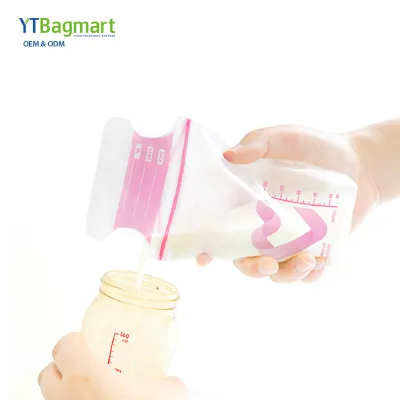
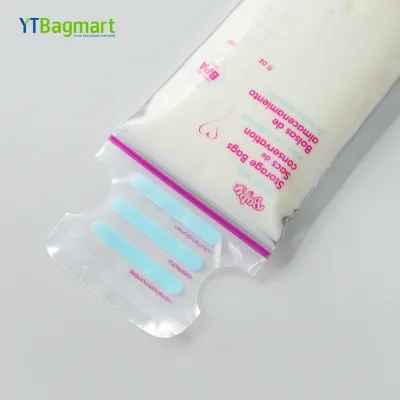
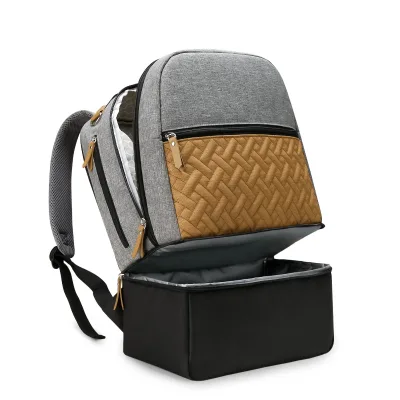
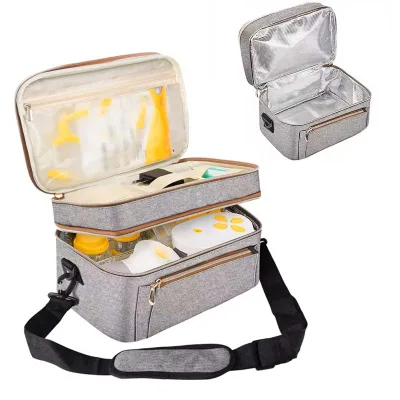
Portable Travel Thermal Wearable Breast Pump Storage Bag Breast Milk Cooler Bag
$3.28 - $4.89
MOQ: 1000 pieces
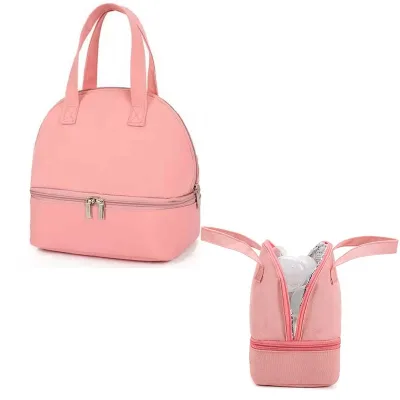
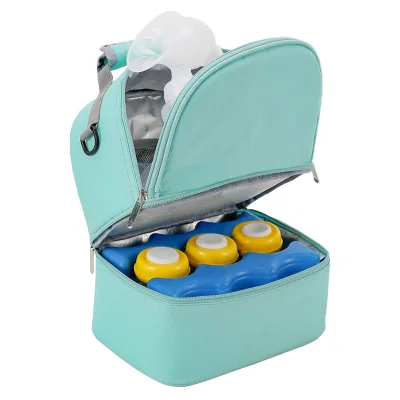
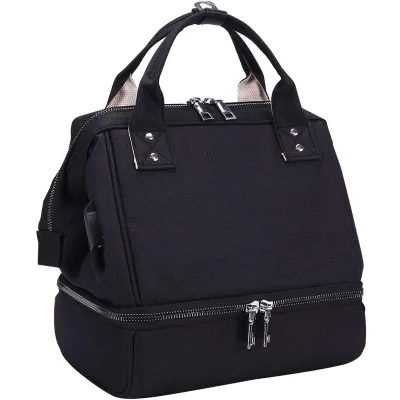
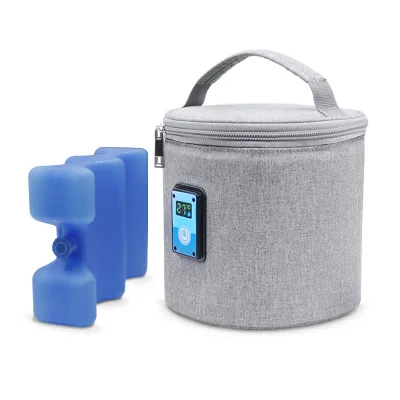
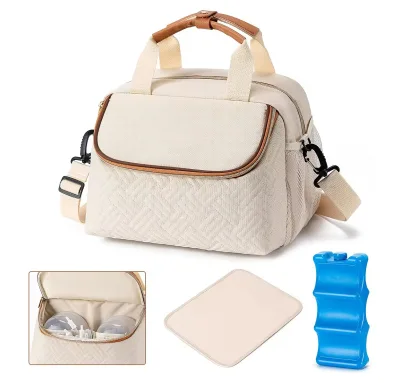
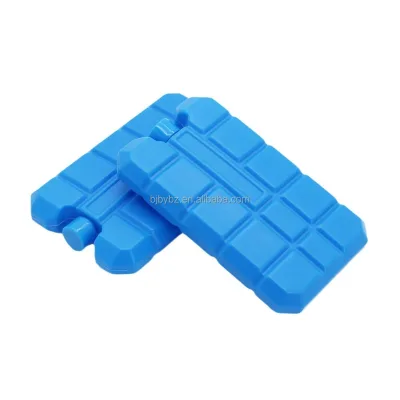

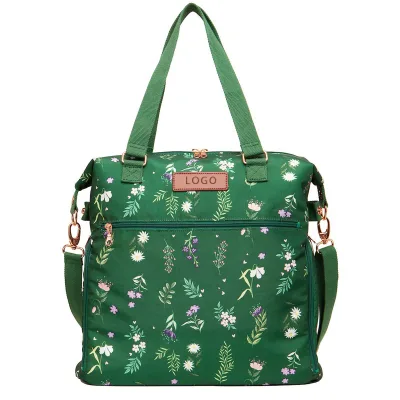
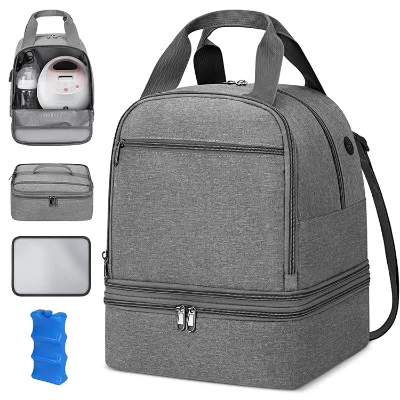


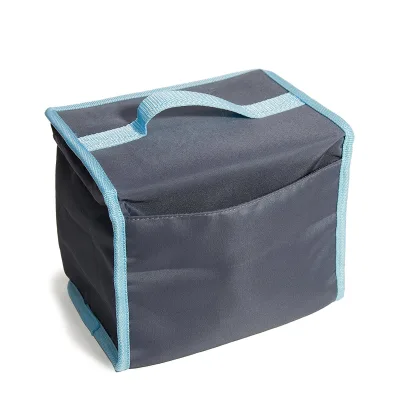


Comprehensive Sourcing Guide
Strategic Sourcing Guide for Breast Milk Cooling Storage Bags
The global demand for specialized storage solutions for breast milk has driven a significant evolution in the insulated cooler bag market. For B2B procurement professionals, sourcing these items requires a nuanced understanding of material science, regulatory compliance, and supply chain logistics. The product category encompasses various configurations, from standalone insulated bags to integrated storage systems designed for thermal retention. This guide synthesizes available market data to provide a structured approach for evaluating suppliers and selecting products that meet rigorous safety and performance standards.
Technical Specifications and Material Composition
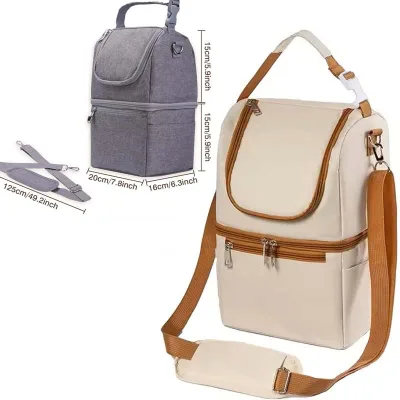
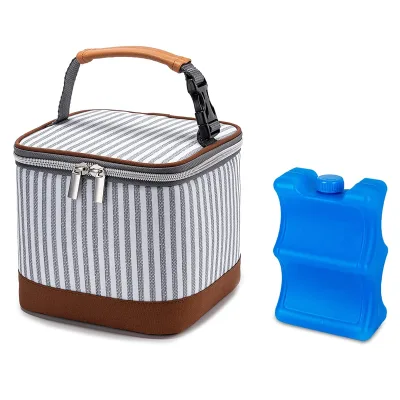
The core functionality of a Breast Milk Cooling Storage Bag relies heavily on its material composition and structural design. Market observations indicate a prevalence of multi-layered constructions designed to maximize thermal insulation while maintaining durability. Common material profiles include a combination of Polyester and PEVA (Polyethylene Vinyl Acetate), often reinforced with foam layers. This tri-layer structure—typically described as Water Proof Polyester, PEVA, and Foam—serves to create a barrier against external temperature fluctuations and moisture ingress.
Specific product attributes highlight the importance of the closure mechanism. A zipper closure is frequently observed as the standard for ensuring an airtight seal, which is critical for preventing contamination and maintaining the internal temperature. The physical dimensions of these bags vary significantly to accommodate different storage needs. Observed specifications include sizes such as 7 inches, 8.6x8.6x7 inches, and fully customized dimensions. This variability suggests that buyers must define their specific volume requirements early in the sourcing process.
The internal lining material is another critical technical factor. PEVA is a dominant choice for the lining due to its non-toxic properties and water-resistant capabilities. In contrast, some product listings reference PE (Polyethylene) as the primary plastic type, particularly in the context of disposable or single-use variants. For reusable insulated bags, the distinction between heavy-duty PEVA and standard PE is vital for longevity and safety. The product type is often categorized as "2 PERSONS" or generic "Insulated" units, indicating a range of capacity from personal use to small group scenarios.
Compliance, Certification, and Safety Standards
When sourcing products intended for infant feeding, compliance with international safety standards is non-negotiable. The primary concern is ensuring that the materials in contact with breast milk do not leach harmful chemicals. While specific test results for every listed product are not universally provided, the presence of ISO9001 certification is a notable indicator of a supplier's commitment to quality management systems. Buyers should verify if this certification covers the specific manufacturing processes for food-contact materials.
The industrial use classification for these products is explicitly listed as "Baby Feeding," which triggers stricter regulatory scrutiny compared to general-purpose coolers. Suppliers must demonstrate that their materials, such as the Polyester and PEVA composites, are free from BPA and other harmful substances. Although specific chemical standards like FDA or EU regulations are not explicitly detailed in the general product attributes, the "Waterproof" and "Insulated" features imply a level of barrier integrity that must be validated through third-party testing.
Buyers should request documentation confirming that the surface printing methods, such as Gravure printing, use inks that are non-toxic and safe for food contact. The "Disposable" attribute found in some listings suggests a different regulatory pathway compared to reusable bags, where the focus shifts to washability and material degradation over time. For reusable units, the "OEM/ODM" capability is common, allowing buyers to customize the product to meet specific regional safety certifications.
Cost Drivers and Pricing Dynamics
The pricing structure for breast milk cooling storage bags is influenced by a complex interplay of material costs, customization levels, and order volume. The observed price range in the market spans from $0.05 to $12.11 USD. This wide disparity is primarily driven by the distinction between disposable and reusable units. The lower end of the spectrum typically corresponds to single-use or simple PE-based pouches, while the higher end reflects multi-layered, insulated, and branded reusable bags with advanced features like waterproof zippers and custom printing.
Order volume is a significant determinant of unit cost. The Minimum Order Quantity (MOQ) varies drastically, ranging from as low as 2 units to as high as 100,000 units. This suggests a tiered pricing model where bulk orders of 50 units or more (a common MOQ observed) yield significant cost reductions. Buyers must balance the need for inventory against the upfront capital required to meet these MOQ thresholds.
Additional cost drivers include the complexity of the design and the customization of branding. Products offering "Customized Logo" and "Customized Color" options, such as Black, Gray, White, Pink, or Wavy Grain, often incur higher setup costs. The "Single gross weight" of 1.000 kg to 1.9 kg per unit also impacts shipping logistics, which can be a substantial hidden cost for international procurement. Buyers should factor in the "Sample time" of 5-7 days and the "Leading time" of 20-30 days when calculating the total cost of ownership and planning inventory replenishment cycles.
Typical Applications and Usage Scenarios
The versatility of breast milk cooling storage bags extends beyond simple storage; they are designed for active use in various environments. The primary application is "Outdoor Events," "Picnic," and "Daily Life," indicating that these bags are intended to be portable and durable enough for travel. The "Fashion" and "Casual" style attributes suggest that aesthetic appeal is a secondary but important factor for end-users, particularly in the consumer market.
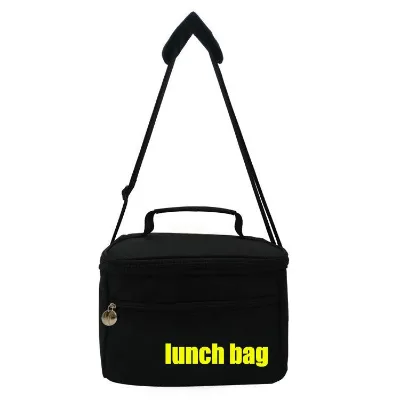
Specific functional requirements highlight the need for thermal retention during transport. The product features "Thermal," "Insulated," and "Waterproof" capabilities, making them suitable for carrying breast milk from a pumping location to a storage site or a daycare facility. The "Food Wine Lunch Picnic Drinks" classification indicates that while the primary use is for breast milk, the bags are often marketed as multi-purpose coolers, which can broaden the potential customer base for B2B buyers.
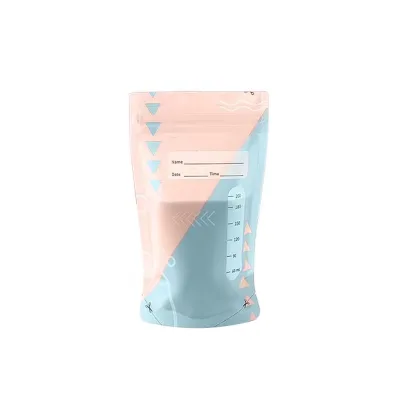
The "Stand Up Pouch" type and "Disposable" feature point to a specific segment of the market focused on convenience and hygiene. These are often used for single-day storage or as part of a larger feeding kit. In contrast, the "2 PERSONS" capacity and "7 Inch" or "8.6x8.6x7 inch" dimensions cater to users who need to transport larger volumes of milk or multiple containers simultaneously. The "Place of Origin" being primarily in China (Anhui, Fujian, Shandong) suggests a mature supply chain capable of handling high-volume orders for global distribution.
Supplier Evaluation and Sourcing Strategy
Evaluating suppliers for breast milk cooling storage bags requires a focus on their manufacturing capabilities and flexibility. The presence of "OEM" and "ODM" options is a strong indicator of a supplier's ability to adapt to specific buyer requirements. Buyers should prioritize suppliers who explicitly state "Warmly Welcomed" for custom orders, as this suggests a willingness to engage in the design and prototyping phase.
Geographic concentration of suppliers in provinces like Anhui, Fujian, and Shandong offers logistical advantages, but buyers must verify the specific factory capabilities. The "Sample time" of 5-7 days is a critical metric for evaluating responsiveness. A supplier that can provide a sample within this window demonstrates an efficient production workflow. Conversely, a "Leading time" of 20-30 days for bulk orders requires careful inventory planning to avoid stockouts.
The "Model Number" variations, such as BPBR2506261, CBA24100801, and generic "Cooler Bag" identifiers, indicate that suppliers may have multiple product lines. Buyers should ensure that the specific model number aligns with the desired specifications, particularly regarding size and material structure. The "Brand Name" diversity, ranging from "OEM" and "IDS" to "YTBagmart," suggests that many suppliers operate as private label manufacturers. This allows buyers to build their own brand identity without the constraints of pre-existing brand equity.
Quality Control and Long-Term Procurement Considerations
Ensuring consistent quality in breast milk cooling bags is paramount due to the sensitive nature of the product. Quality control should begin with the verification of material specifications. Buyers must confirm that the "Material Structure" matches the agreed-upon design, specifically checking for the presence of foam insulation and the correct grade of PEVA or Polyester. The "Waterproof" and "Water Resistant" features must be validated through practical testing, such as leak tests and thermal retention trials.
Long-term procurement considerations involve assessing the supplier's ability to maintain consistency over time. The "Customized Size" and "Customized Color" options are valuable for brand differentiation, but they introduce complexity into the supply chain. Buyers should establish clear quality assurance protocols for these custom elements to ensure that color fastness and size accuracy remain consistent across production batches.
The "Single package size" of 35x25x25 cm is a key logistical parameter for warehousing and shipping. Buyers should calculate the total volume and weight of their orders to optimize container loading and reduce freight costs. The "Selling Units" being listed as "Single item" implies that the bags are often sold individually, which affects packaging design and labeling requirements.
Finally, buyers should consider the lifecycle of the product. Reusable bags with "Insulated" and "Thermal" features are designed for multiple uses, whereas "Disposable" variants are single-use. The procurement strategy should align with the target market's sustainability goals. For markets emphasizing eco-friendliness, investing in durable, reusable bags with high-quality insulation is preferable. For markets prioritizing hygiene and convenience, disposable options may be more suitable. By carefully balancing these factors, B2B buyers can secure a reliable supply of breast milk cooling storage bags that meet both functional and regulatory requirements.
FAQs
What materials are used for breast milk cooling storage bags?
These bags typically use a multi-layer structure of Polyester, PEVA, and Foam to ensure thermal insulation and waterproofing. Some disposable variants utilize LDPE plastic, while reusable models often feature PEVA linings for safety and durability during repeated use.
Can I customize the size and color of these cooler bags?
Yes, suppliers accept customized sizes and colors such as Black, Gray, White, Pink, and Light green. You can also request a customized logo, allowing for brand differentiation while maintaining the required waterproof and insulated features for food storage.
What is the typical lead time for bulk orders of these bags?
The standard leading time for bulk production is 20 to 30 days after order confirmation. Sample production is faster, typically taking 5 to 7 days, which helps buyers verify quality before committing to larger quantities.
Which certifications do these manufacturers usually hold?
Many suppliers hold ISO9001 certification, indicating a commitment to quality management systems. While specific food-contact test results vary, the classification for baby feeding implies strict adherence to safety standards for materials like PEVA and Polyester.
How does the minimum order quantity affect pricing?
The minimum order quantity ranges from 2 to 100,000 units, with 50 being a common threshold. Pricing varies significantly from $0.05 to $12.11 depending on whether the item is a disposable pouch or a reusable insulated cooler bag.
Where are these products primarily manufactured?
Production is concentrated in China, specifically in provinces like Anhui, Fujian, and Shandong. These regions offer mature supply chains capable of handling both OEM and ODM requests for various bag types and specifications.
What closure types are available for these storage bags?
Zipper closures are frequently observed as the standard to ensure an airtight seal and prevent contamination. This feature is critical for maintaining the internal temperature and protecting the breast milk from external moisture and contaminants.