Source Breathable 4-Way Stretch Equestrian Breeches for riding, training, and events
Compare 30 listings of Breathable 4-Way Stretch Equestrian Breeches from Guangdong suppliers. Buyers can evaluate features like quick dry fabric, waist types, and customization options to find suitable gear for riding, training, and events.
Key considerations
Products List
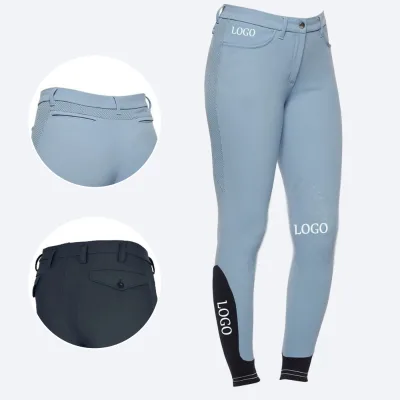
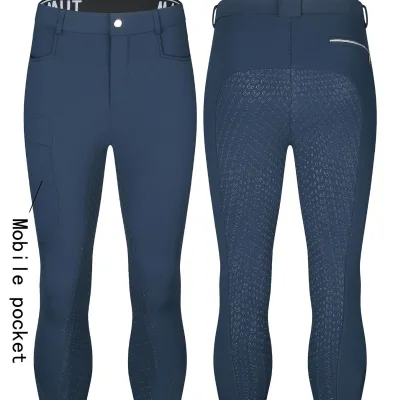
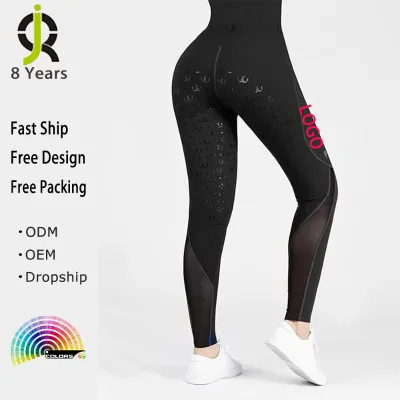


Customized Children Adult Horse Riding Tights Equestrian Navy Breeches
$13.99 - $18.99
MOQ: 200 Pieces


Four Way Stretch Custom Equestrian Competition Breeches Women Riding Pants
$13.00 - $18.00
MOQ: 100 Pieces

Custom 4 Ways Stretchy Spandex Horse Equestrian Riding Breeches Horse Riding Tights
$11.90 - $16.00
MOQ: 200 Pieces


Men's Stylish Equestrian Breeches with Breathable Fabric Horse Riding Breeches
$25.00 - $27.00
MOQ: 100 Pieces


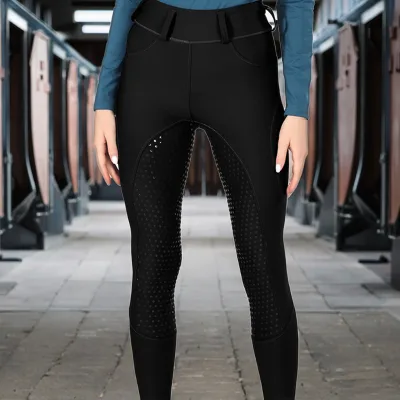
Women's Full Seat Riding Tights with Double-Layer Pockets Equestrian Breeches
$13.00 - $14.00
MOQ: 300 Pieces


Comprehensive Sourcing Guide
Strategic Sourcing Guide for Breathable Four-Way Stretch Equestrian Breeches
The global demand for specialized equestrian apparel has intensified, driven by a need for garments that offer superior mobility, durability, and comfort during rigorous riding activities. Buyers seeking "breathable four-way stretch equestrian breeches" must navigate a complex supply chain where technical performance meets strict aesthetic and functional requirements. This guide provides a disciplined framework for sourcing these specific garments, grounded in observed market data and verified product attributes. The focus remains on identifying suppliers capable of delivering high-performance fabrics, precise customization, and consistent quality control without relying on unverified claims or external assumptions.
Technical Specifications and Material Composition
The foundation of any successful procurement for equestrian breeches lies in the precise definition of material composition and technical specifications. Based on current market observations, the most viable options for this category utilize a blend of synthetic fibers designed to maximize elasticity and moisture management. The observed data indicates that high-performance breeches frequently employ a Polyester / Nylon or Spandex / Polyester blend. These combinations are critical because they facilitate the "Four-Way Stretch" capability, allowing the fabric to expand and contract both horizontally and vertically, which is essential for the deep seat and leg flexion required in horseback riding.
Fabric weight is another decisive technical parameter. Market listings show a range of 280 grams to 320 grams for single items. This weight class suggests a medium-to-heavy knit fabric, likely chosen to provide durability against saddle friction while maintaining breathability. The fabric type is consistently identified as Knitted, which supports the stretch requirements better than woven alternatives. Buyers should verify that the specific supplier offers a fabric weight within this observed range to ensure the garment is neither too flimsy nor too restrictive.
Closure mechanisms and waist types also vary significantly in the market. Observed attributes include High Waist designs, which provide better core support and prevent the breeches from slipping during movement. Closure types range from Button Fly to Elastic Waist and Zipper options. The presence of Button Fly and Pant Closure Type: Button suggests a traditional, structured fit, whereas Elastic Waist options offer a more relaxed, modern silhouette. Additionally, the Sleeve Length attribute in the data includes "Sleeveless," "Short," and "Nine Quarter," indicating that while the core keyword focuses on breeches, some suppliers may offer matching tops or full-body suits. Buyers must explicitly confirm that the product is strictly a breech or pant to avoid confusion with full-body riding suits.
Customization Capabilities and Production Attributes
For B2B buyers, the ability to customize is often the primary differentiator between a generic supplier and a strategic partner. The observed data highlights a strong prevalence of Oem Service and Customized patterns. This means suppliers are equipped to handle bespoke orders regarding branding, fit, and design details. The Model Number field shows entries like "Customized8" and "21," suggesting that suppliers maintain flexible production lines capable of generating unique SKUs for different clients.
Pattern types observed include Color Blocking, Plaid, and Customized designs. Color Blocking is particularly relevant for equestrian wear, as it allows for distinct visual separation of the leg and seat areas, which can be both functional and stylistic. The Pattern Type: Customized attribute confirms that buyers can request unique color combinations or specific design layouts that deviate from standard catalog offerings.
Decoration and branding placement are also highly customizable. The data lists Logo position options such as Front, back, sides, and SIDE. This flexibility allows brands to place their identity in high-visibility areas or subtle locations depending on their marketing strategy. The Decoration attributes include Button, Belt, Hole, Pockets, Zippers, and Embossed details. These elements are not merely aesthetic; they serve functional purposes, such as the Pockets for carrying riding aids or the Belt and Hole systems for securing the fit. Buyers should verify that the chosen supplier can execute Maching embroidery or Automated embroidery as listed, ensuring that logos are durable and do not compromise the fabric's stretch properties.
Cost Drivers and Pricing Dynamics
Understanding the cost structure of equestrian breeches is essential for budgeting and margin analysis. The observed price range in the market is between 7 and 30 USD per unit. This wide variance is influenced by several factors, including material quality, customization complexity, and order volume. The Fabric Weight of 300 Grams or 320 grams likely commands a higher price point than lighter 280 grams options due to increased material usage. Similarly, the inclusion of advanced features like Silk Screen Printing or Embossed techniques adds to the production cost compared to standard Plain Dyed or Printed finishes.
Minimum Order Quantity (MOQ) is a significant cost driver. The observed MOQ range spans from 10 to 300 units. Lower MOQs, such as 10 units, are typically associated with higher per-unit costs and are suitable for testing new designs or small boutique brands. Higher MOQs, up to 300 units, usually result in a lower per-unit price, making them more economical for established brands looking to scale. The Selling Units are listed as Single item, which simplifies inventory management but requires careful calculation of total order value.
Packaging dimensions also impact logistics costs. The Single package size varies from 50X50X70 cm to 70X70X70 cm, with corresponding Single gross weight figures of 23.000 kg and 37.000 kg. These substantial weights and volumes suggest that the packaging may include multiple units or heavy-duty protective materials. Buyers must factor these logistics parameters into their total landed cost calculations, as larger packages increase shipping expenses and storage requirements.
Compliance, Certification, and Quality Verification
In the absence of specific certification data in the provided context, buyers must adopt a proactive approach to compliance verification. The product attributes highlight features such as Quick Dry, Breathable, Eco-Friendly, and Sweat-Wicking. While these are listed as product features, they represent performance claims that require validation. Buyers should request third-party test reports to verify the Eco-Friendly status, which may refer to the use of recycled materials or non-toxic dyes. Similarly, the Quick Dry and Sweat-Wicking claims should be backed by laboratory results demonstrating moisture management efficiency.
The Place of Origin is consistently listed as Guangdong, China. This region is a major hub for textile manufacturing, known for its supply chain efficiency. However, buyers should verify that the specific factory adheres to international labor standards and environmental regulations. The 7 Days Sample Order Lead Time is a notable advantage, allowing for rapid prototyping and quality checks before full-scale production. This short lead time can be leveraged to test the Fabric Weight and Four-Way Stretch properties of the sample to ensure they meet the buyer's specifications.
Quality control should focus on the Technics used. The observed Maching embroidery/Automated embroidery and Silk Screen Printing methods require precise calibration to prevent damage to the stretch fabric. Buyers should inspect samples for stitch consistency, print adhesion, and the integrity of the Button, Zipper, and Pocket closures. The Closure Type variations, such as Button Fly versus Elastic Waist, must be tested for durability under repeated stress, as equestrian activities place significant strain on these areas.
Supplier Evaluation and Selection Criteria
Selecting the right supplier requires a rigorous evaluation process based on the available data points. The Brand Name field shows entries like oem and QJ, indicating that some suppliers operate as white-label manufacturers while others have their own brand identity. Buyers should prioritize suppliers who explicitly offer Oem Service and have a history of handling Customized orders. The Available Quantity of 9870 units suggests a supplier with sufficient production capacity to handle medium to large orders, but buyers should confirm current stock levels and production lead times for custom runs.
The Style attribute is listed as Pants, which aligns with the core keyword of breeches. However, buyers must ensure the supplier understands the specific cut and fit required for equestrian use, which differs from standard athletic pants. The Gender is specified as Men, but many suppliers offer unisex or women's cuts. Buyers should clarify if the supplier can adapt the High Waist and Four-Way Stretch specifications for different gender fits if required.
Supplier reliability can be assessed through their Lead Time and Sample Order capabilities. The 7 Days Sample Order Lead Time is a strong indicator of operational efficiency. Buyers should test the sample process by ordering a Single item to evaluate the Color accuracy, Fabric Weight, and Feature performance. The Color options listed, including Gray, Army Green, Black, Pink, White, Brown, Khaki, Navy, provide a wide palette for customization. Buyers should verify that the supplier can match specific Pantone colors or custom dye requests, especially for Color Blocking designs.
Long-Term Procurement and Application Scenarios
The long-term success of sourcing equestrian breeches depends on the supplier's ability to scale and adapt to market trends. The Feature set, including Eco-Friendly and Breathable attributes, aligns with growing consumer demand for sustainable and high-performance apparel. Buyers should consider the lifecycle of the product, ensuring that the Polyester / Nylon or Spandex / Polyester blends maintain their elasticity and colorfastness over time. The Fabric Weight of 300-320 grams suggests a durable product suitable for frequent use, which is critical for equestrian riders who may wear the breeches multiple times a week.
Typical applications for these breeches extend beyond professional equestrian sports to include recreational riding, training, and even casual wear due to the Four-Way Stretch and Quick Dry properties. The Decoration elements like Zippers and Pockets enhance functionality for riders carrying small items. The Model Number variations, such as Customized8 and 21, indicate that suppliers can produce different styles to cater to various market segments, from competitive riders to casual enthusiasts.
Buyers should also consider the Single gross weight and Single package size for long-term logistics planning. The 70X70X70 cm and 50X50X70 cm package sizes suggest that efficient stacking and palletization are necessary to minimize shipping costs. Establishing a long-term relationship with a supplier who can consistently meet the MOQ requirements and maintain the 7 Days Sample Order Lead Time will be crucial for maintaining a competitive edge in the market.
Conclusion
Sourcing breathable four-way stretch equestrian breeches requires a meticulous approach that balances technical specifications, customization needs, and cost efficiency. The observed market data reveals a robust supply chain in Guangdong, China, offering a wide range of materials, closure types, and decoration options. By focusing on verified attributes such as Polyester / Nylon blends, High Waist designs, and Oem Service capabilities, buyers can identify suppliers capable of delivering high-quality products. The key to success lies in rigorous quality control, verification of performance claims like Eco-Friendly and Quick Dry, and strategic negotiation of MOQ and pricing. With a clear understanding of these factors, buyers can build a reliable supply chain that meets the demanding standards of the equestrian market.
FAQs
What material blends are used for breathable four-way stretch breeches?
The breeches utilize Polyester/Nylon or Spandex/Polyester blends to ensure four-way stretch and durability. These knitted fabrics weigh between 280 and 320 grams, providing the necessary elasticity for riding while maintaining breathability and quick-dry properties.
Can suppliers offer customized patterns and logo placement?
Yes, suppliers provide OEM services with customized patterns like color blocking or plaid. Buyers can specify logo positions on the front, back, or sides, and choose from decoration options including buttons, pockets, and zippers to match brand requirements.
What is the typical lead time for sample orders?
Suppliers support a seven-day sample order lead time for rapid prototyping. This allows buyers to verify fabric weight, stretch capabilities, and customization details before committing to larger production runs of the equestrian breeches.
Which closure types are available for these equestrian pants?
Available closure types include button fly, elastic waist, and zipper options depending on the specific model. High waist designs are common to ensure core support, while decorations like belts and holes add functional versatility for riders.
What is the minimum order quantity for these breeches?
The minimum order quantity ranges from 10 to 300 units based on the supplier and customization level. Lower MOQs suit small boutique brands, while higher volumes typically reduce the per-unit cost within the observed price range of 7 to 30 USD.
How are the packaging dimensions and weight specified?
Single package sizes vary from 50x50x70 cm to 70x70x70 cm with gross weights between 23 and 37 kg. Buyers must account for these logistics parameters when calculating shipping costs and storage requirements for the bulk orders.