Source Brushless Dual Fuel Generator for Home, Camping, and Backup
Find and compare 30 Brushless Dual Fuel Generator options from verified Chinese manufacturers. Evaluate single-phase models with electric or hand start features, ranging from 1.5kW to 10kW output, suitable for residential, camping, and emergency backup applications.
Key considerations
Products List


Silent 5.5HP Engine Dual Fuel Gas/LPG/Gasoline Generator 6000W 7000W 8000W
$300.00 - $800.00
MOQ: 1 Pieces


High-Performance 3000kw Dual Fuel Generator for Eco-Friendly Power
$380000.00 - $520000.00
MOQ: 1 Sets


4000kw Duel Fuel Gas Generator Set, 42% Efficiency, Low Exhaust Output
$380000.00 - $520000.00
MOQ: 1 Sets


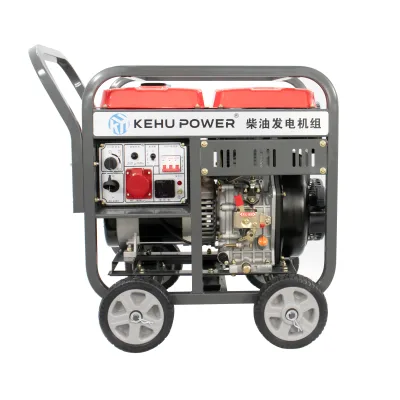


Air-Cooled Diesel Generator Direct Brushless Alternator/Generator with Diesel Engine
$50.00 - $1000.00
MOQ: 10 Pieces
Comprehensive Sourcing Guide
Brushless Dual Fuel Generator Sourcing Guide
Sourcing brushless dual fuel generators requires a disciplined approach to balancing technical performance with commercial viability. These units are designed to operate on multiple fuel types, typically gasoline and natural gas or propane, offering operational flexibility for emergency backup, camping, or off-grid applications. The "brushless" designation indicates a generator head design that eliminates carbon brushes, reducing maintenance needs and increasing reliability over time. Buyers must navigate a market where specifications vary significantly between manufacturers, particularly regarding engine configuration, output capacity, and certification compliance. Understanding the distinction between single-phase and multi-phase outputs, as well as the specific power ranges available, is critical for aligning procurement with end-use requirements.
The procurement landscape for these generators is characterized by a wide range of price points and minimum order quantities (MOQs). Observed market data indicates a price range from approximately $50 to nearly $100,000, reflecting the diversity from small portable units to large industrial-grade systems. MOQs typically range from 1 to 50 units, allowing both individual buyers and bulk purchasers to find suitable terms. However, the breadth of this range necessitates careful verification of what is included in the base price, such as whether the unit is a complete assembly or requires additional components like fuel conversion kits or advanced control panels. Buyers should prioritize suppliers who provide transparent technical documentation and clear commercial terms to avoid hidden costs during the finalization of orders.
Product Scope and Observed Listing Signals
The product scope for brushless dual fuel generators encompasses a variety of configurations, primarily driven by engine type and output capacity. Common listings feature single-cylinder, four-stroke, air-cooled gasoline engines, which are standard for portable and semi-portable units. These engines often support dual-fuel capabilities, allowing users to switch between liquid fuel and gaseous fuel sources. The output power for many observed models falls within the 1.5kW to 10kW range, catering to residential backup, small commercial use, and recreational applications. Some listings specify higher power outputs up to 5-10kW, indicating a tiered product line that addresses different load requirements. Buyers should verify the exact fuel consumption rates and runtime for each fuel type, as these metrics directly impact operational costs and logistical planning.
Listing signals also reveal important details about packaging, origin, and business models. Many suppliers are professional generator manufacturers with R&D capabilities, located in key industrial hubs such as Zhejiang and Jiangsu provinces in China. Packaging is typically described as strong export cartons, sometimes with pallets, designed to protect the unit during international shipping. The loading ports are frequently listed as Ningbo or Shanghai, which are major maritime hubs for Chinese exports. Additionally, some listings highlight specific models like the ZH950, PPG3800E2, SL9000E-DF, AP7500, AP6500, and AP3000, each with distinct features such as electric start versus hand start mechanisms. Buyers should cross-reference these model numbers with technical datasheets to ensure the specific variant meets their voltage and frequency requirements.
Technical Specifications to Verify
Technical verification begins with the generator head and engine configuration. The brushless design is a key feature for reducing maintenance, but buyers must confirm the presence of an Automatic Voltage Regulator (AVR) to ensure stable power output under varying loads. The rated voltage and frequency are critical parameters, with common options including 220/230/240V at 50/60Hz or 110/220V and 120/240V. It is essential to match these specifications with the local grid standards or the requirements of the connected equipment. Some listings mention two-phase outputs, which is unusual for standard residential generators and may indicate specialized industrial applications. Buyers should explicitly confirm the phase configuration and voltage stability to prevent equipment damage or inefficient operation.
Fuel system specifications and physical dimensions are equally important for integration and logistics. The fuel tank volume, such as the 25L capacity observed in some models, determines runtime and refueling frequency. Buyers should calculate the expected runtime for both gasoline and dual-fuel modes to assess suitability for their intended use case, whether it is emergency backup or continuous off-grid power. Physical dimensions and weight are crucial for transportation and installation, especially for portable units. The standard dimensions observed, such as 690530555mm for certain models, provide a baseline for space planning. Additionally, the availability of spare parts, including stators, rotors, AVR units, carbon brushes, and fuel tanks, should be verified to ensure long-term maintainability and reduce downtime.
Compliance and Safety Documentation
Compliance with international and regional standards is non-negotiable for generator procurement. Key certifications to verify include CE for European markets, which ensures adherence to health, safety, and environmental protection standards. Other relevant certifications may include Euro V and EPA for emissions compliance, particularly if the generator is intended for use in regions with strict environmental regulations. Some listings also mention SONCAP, which is required for imports into certain African countries. Buyers must ensure that the supplier can provide valid certificates for the specific model being purchased, as certifications are often model-specific and not blanket approvals for all products from a manufacturer.
Safety documentation should include detailed user manuals, wiring diagrams, and maintenance guides. These documents are essential for proper installation and operation, helping to prevent accidents and ensure optimal performance. Buyers should also verify that the generator meets relevant electrical safety standards, such as those for grounding and insulation resistance. In some cases, ISO 9001 certification may be mentioned, indicating that the manufacturer follows quality management principles, though this is a process certification rather than a product safety mark. It is advisable to request copies of test reports or compliance declarations from the supplier to validate their claims before placing an order.
Cost Drivers and Commercial Terms
Several factors influence the total cost of ownership for brushless dual fuel generators. The primary cost drivers include the engine brand and quality, the generator head design, and the level of automation, such as electric start versus manual start. Higher power outputs and additional features like remote monitoring or advanced AVR systems will increase the unit price. The observed price range of $50 to nearly $100,000 reflects these variations, with smaller, portable units at the lower end and larger, industrial-grade systems at the higher end. Buyers should request detailed quotations that break down the cost of the unit, shipping, insurance, and any applicable taxes or duties to avoid unexpected expenses.
Commercial terms such as payment methods, delivery times, and MOQs are critical for negotiation. Common payment terms include T/T, L/C, D/A, D/P, Western Union, and Moneygram, offering flexibility for different transaction sizes. Delivery times are typically around 30 days after confirmation, but this can vary based on order volume and production schedules. MOQs range from 1 to 50 units, allowing for both sample orders and bulk purchases. Buyers should clarify the lead time for spare parts and after-sales support, as these can impact long-term operational costs. Additionally, the exporting area, which includes Europe, the Middle East, Southeast Asia, and South America, may influence the availability of local service networks and warranty support.
Supplier Qualification and Quality Control
Supplier qualification is a vital step in mitigating procurement risks. Buyers should prioritize suppliers who are professional manufacturers with R&D capabilities, as these companies are more likely to offer consistent quality and technical support. Verifying the factory location, such as Zhejiang or Jiangsu in China, can provide insights into the supplier's industrial ecosystem and supply chain efficiency. It is also important to check the supplier's export history and customer references, particularly in the target market. Suppliers who have successfully exported to regions like Brazil, Argentina, Russia, France, and Uzbekistan may have better experience with international logistics and compliance requirements.
Quality control measures should be clearly defined in the procurement agreement. Buyers should request information on the supplier's quality assurance processes, including incoming material inspections, in-process checks, and final product testing. Some suppliers may offer third-party inspection services, which can provide an additional layer of assurance. It is advisable to conduct a factory audit or hire a third-party inspection agency to verify the supplier's production capabilities and quality control systems. Additionally, buyers should negotiate clear warranty terms and return policies to protect against defective products. Establishing a strong relationship with the supplier can also facilitate better communication and problem resolution throughout the procurement process.
Long-Term Procurement Checks
Long-term procurement success depends on establishing robust supply chain relationships and monitoring performance metrics. Buyers should regularly review supplier performance based on delivery times, product quality, and after-sales support. Consistent performance from the supplier can lead to better pricing and priority treatment for future orders. It is also important to stay updated on changes in regulations and standards that may affect the use or import of generators in the target market. Buyers should maintain open communication with the supplier to address any issues promptly and to explore new product offerings that may better meet evolving needs.
Spare parts availability and technical support are critical for long-term operational continuity. Buyers should ensure that the supplier has a reliable supply chain for spare parts, including stators, rotors, AVR units, and fuel system components. Establishing a local inventory of critical spare parts can reduce downtime in case of failures. Additionally, buyers should verify the availability of technical support, including remote troubleshooting and on-site service if necessary. Regular maintenance and inspections, guided by the supplier's recommendations, can extend the lifespan of the generator and ensure optimal performance. By focusing on these long-term factors, buyers can maximize the value and reliability of their Brushless Dual Fuel Generator investments.
FAQs
What starting methods are available for these generators?
Both hand start and electric start options are available depending on the specific model selected. Buyers can choose between manual pull-start mechanisms or electric ignition systems based on their operational preferences and convenience requirements.
Which certifications do these generators typically hold?
Common certifications include CE, Soncap, Euro V, and EPA standards to ensure compliance with international safety and emission regulations. These documents verify that the products meet specific quality and environmental requirements for various export markets.
Can I customize the generator specifications for my needs?
Yes, customization is available for many models to meet specific project requirements. Manufacturers with R&D capabilities offer tailored solutions for power output, voltage, and other functional attributes to suit diverse industrial or residential applications.
What is the typical delivery time for these orders?
The standard delivery time is approximately 30 days after confirmation of the order details. This timeline allows for proper manufacturing, quality control checks, and preparation of the strong export carton packaging required for safe international shipping.
Where are the factories located for these generators?
Manufacturing facilities are primarily located in Zhejiang and Jiangsu provinces in China. These regions host professional generator manufacturers with established production lines capable of handling large volume orders for global distribution networks.
What power capacities are offered for these units?
Available power ranges span from under 5kW up to 10kW for petrol generator models. Specific models like the ZH950 and AP7500 offer varying outputs to accommodate different load requirements for emergency backup or camping applications.