Source Brushless Excitation Vortex Water Turbine for Power Plants, Farms, and Mines
Compare 30 verified listings for Brushless Excitation Vortex Water Turbine units designed for on-grid and off-grid applications. Buyers can evaluate options ranging from 50kW to 20MW with Francis turbines, stainless steel runners, and customizable vertical or horizontal configurations.
Key considerations
Products List


Water Generating Hydro Turbine Genreator Excitation Brushless System
$1000.00 - $50000.00
MOQ: 1 Pieces

Generator Brushless Control Excitation System for Hydro Turbine Power Plant
$1000.00 - $50000.00
MOQ: 1 Pieces


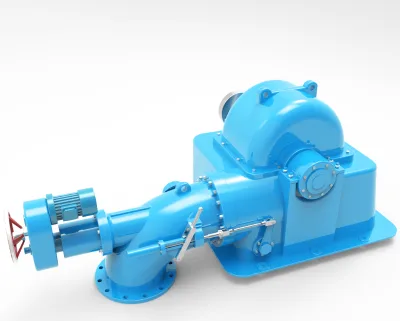
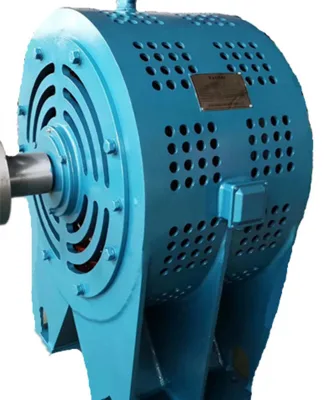
Hydropower Equipment Water Turbine Generator Brushless AC Generator Brushless Exciter
$1600.00 - $2500.00
MOQ: 1 Minimum
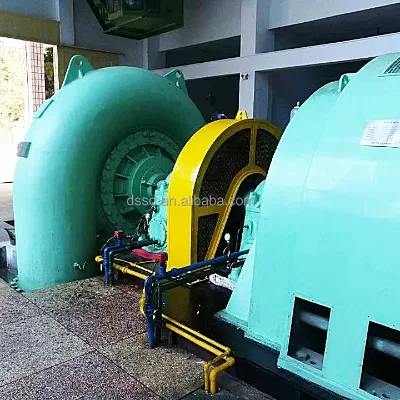
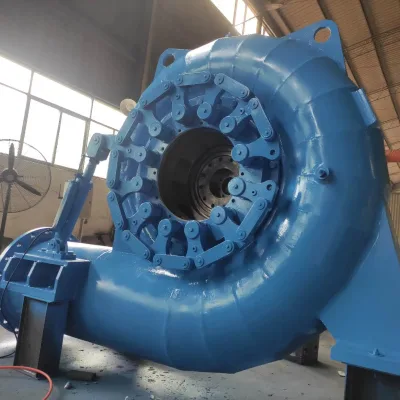


Comprehensive Sourcing Guide
Sourcing Guide for Brushless Excitation Vortex Water Turbines
Understanding Core Technical Specifications and Configuration
When sourcing a Brushless Excitation Vortex Water Turbine, buyers must first align their project requirements with the specific technical attributes observed in the market. The core of this equipment lies in the interaction between the water turbine runner and the generator system. Based on available product data, the runner material is frequently specified as stainless steel, a critical choice for resisting corrosion and erosion in high-velocity water flows. The turbine type is often identified as a Francis water turbine, which is well-suited for medium-head applications where the vortex action of the water is converted into rotational energy.
The generator component is equally vital. The market data indicates a prevalence of brushless generator types, which eliminate the need for slip rings and carbon brushes, thereby reducing maintenance frequency and the risk of electrical arcing. These generators are typically synchronous in nature, operating at a rated frequency of 50/60Hz to match grid requirements. The voltage output is variable, with common specifications ranging from 0.4kV to 6.3kV, allowing for flexibility in direct grid connection or step-up transformer integration. The excitation system, being brushless, ensures a reliable power supply to the rotor field without physical contact, a significant advantage for long-term operational stability.
The mechanical configuration of the turbine also varies. While some units are designed with a vertical installation and shaft type, others are explicitly categorized as horizontal hydro generators. The bearing support system is a notable feature, often described as an "umbrella type," which provides robust support for the rotating assembly in vertical configurations. The rotation speed of these units typically falls within a range of 150rpm to 1500rpm, a wide spectrum that allows the equipment to adapt to different water flow velocities and head pressures. The design capacity spans a massive range, from 50kW up to 20MW, indicating that these units can serve both small-scale micro-hydro projects and large industrial power generation facilities.
Compliance, Certification, and Standard Verification
Navigating the compliance landscape is essential for ensuring that the purchased equipment meets international safety and quality benchmarks. Buyers should verify that the supplier provides documentation confirming adherence to recognized standards. In the observed market, certifications such as ISO are frequently cited, with specific references to ISO standards for the product itself. Additionally, third-party verification bodies like SGS are mentioned in product specifications, suggesting that independent testing may be part of the quality assurance process.
It is crucial to distinguish between general quality management certifications and specific product performance standards. While background knowledge often associates hydro equipment with ISO9001, the explicit product data highlights ISO certification as a primary standard. Buyers must request the actual certificate documents to confirm the scope of certification, ensuring it covers the specific manufacturing processes and the final assembly of the turbine and generator. The standard for the product itself is often listed simply as "Standard," which implies compliance with general industry norms, but this is a vague descriptor that requires clarification.
Furthermore, the physical standards for the equipment, such as dimensions, are sometimes listed with specific measurements like 600x500x500CM, though these likely refer to packaging or shipping constraints rather than the turbine's operational dimensions. Buyers should not assume that a listed "Standard" implies a specific national or international code (such as IEC or IEEE) without explicit confirmation. The verification process should include checking for the "Automatic Grade" of the equipment, which is listed as "Automatic," indicating a level of self-regulation and control that should be backed by technical datasheets.
Cost Drivers and Pricing Structure Analysis
The pricing of brushless excitation vortex water turbines is influenced by a complex matrix of factors, primarily driven by the design capacity and the complexity of the customization required. The observed price range in the market is extensive, spanning from $300 to $200,000 USD. This wide disparity reflects the difference between small-scale units and large industrial generators. The lower end of the spectrum likely corresponds to smaller, standardized units with lower power outputs, while the upper end represents high-capacity systems (approaching the 20MW limit) with advanced control systems and custom engineering.
Material costs play a significant role in the final price. The use of stainless steel for the runner and steel plates for the housing increases the base cost compared to cast iron alternatives, but it offers superior longevity in corrosive environments. The engine type is another cost driver; specifications mention "Imported/Chinese Engine," suggesting that the origin of the prime mover or auxiliary components can significantly impact the price. Imported engines typically command a premium due to perceived reliability and performance, whereas domestic options may offer a more budget-friendly alternative.
Customization is a major variable in the cost structure. The product attributes confirm that customization is available and that the units can be tailored to specific OEM requirements. Customizing the color (Orange, Green, Yellow, or OEM), the mast height (3-6m), or the tire type (Pneumatic/Solid) adds to the manufacturing complexity and cost. The "Automatic Grade" and the inclusion of specific features like demoulding automation also contribute to the price. Buyers should be aware that while the MOQ is observed as low as 1 unit, the unit price will fluctuate based on the specific configuration chosen. The "Standard Chinese Exporting Package" or "Wooden Case" packing options may also have associated costs that should be factored into the total landed cost.
Typical Applications and Operational Environments
The versatility of brushless excitation vortex water turbines allows them to be deployed in a wide array of industrial and energy sectors. The primary application areas identified include Manufacturing Plants and Energy & Mining operations. In manufacturing settings, these turbines can provide on-site power generation, reducing reliance on the main grid and lowering operational costs. The ability to operate in both on-grid and off-grid modes makes them particularly valuable for remote facilities or sites with unstable power infrastructure.
The power range of 50kW to 20MW supports diverse applications. Small-scale units (50kW-500kW) are ideal for rural electrification, small hydro dams, or industrial backup power. Larger units (1MW-20MW) are suitable for commercial power plants, large-scale mining operations, or municipal water treatment facilities that require significant power for pumping and processing. The "Low Speed" and "Medium Speed" classifications indicate that these turbines are optimized for specific flow conditions, making them suitable for rivers with varying flow rates or head pressures.
The installation type, whether vertical or horizontal, dictates the site requirements. Vertical installations are common in dam-based hydro projects where space is constrained vertically, while horizontal units might be preferred for run-of-river applications or where the water flow is more linear. The "Umbrella Type" bearing support is particularly relevant for vertical installations, providing the necessary stability for the rotating shaft. The equipment is designed for new conditions, ensuring that buyers receive state-of-the-art technology rather than refurbished units, which is critical for maintaining high efficiency and reliability in demanding environments.
Supplier Evaluation and Selection Criteria
Selecting the right supplier requires a rigorous evaluation process that goes beyond simple price comparison. Buyers should prioritize suppliers who demonstrate a clear understanding of the technical specifications, particularly the brushless excitation system and the Francis turbine runner design. The origin of the product is a key factor; data indicates that many units originate from Sichuan, China, a region known for its hydroelectric expertise. However, buyers should verify the specific manufacturing location and the supply chain integrity to ensure consistency in quality.
The supplier's ability to handle customization is a critical differentiator. Since customization is available, the supplier must have the engineering capacity to modify the mast height, tire type, and color to meet specific site conditions. The "OEM: Yes" attribute suggests that the supplier is willing to brand the equipment under the buyer's name, which requires a high level of trust and quality control. Buyers should also assess the supplier's warranty terms, with a standard offering of 12 months being a baseline expectation.
Logistics and delivery capabilities are equally important. The observed delivery time is around 30 days, which serves as a benchmark for lead time expectations. However, this can vary based on the complexity of the order and the customization level. The packaging standards, such as "Standard Chinese Exporting Package" or "Wooden Case," should be verified to ensure the equipment arrives without damage. Suppliers should also provide clear documentation regarding the "Automatic Grade" and the "Demoulding" process, as these indicate the level of automation and precision in the manufacturing process.
Quality Control and Long-Term Procurement Considerations
Ensuring long-term reliability requires a robust quality control strategy. Buyers should insist on detailed inspection reports that cover the runner material (stainless steel), the generator type (brushless/synchronous), and the bearing support system. The "Mould Life" is listed as ">000 Shots," a placeholder that suggests high durability, but buyers should request specific data on the expected lifespan of the components under operational stress. The "Condition: New" status is a given, but verification of the manufacturing date and storage conditions is necessary to prevent degradation before installation.
Maintenance and support are critical for the long-term success of the procurement. The brushless excitation system reduces the need for frequent maintenance, but the mechanical components, such as the bearings and the shaft, still require regular inspection. The "12 Months Warranty" provides a safety net, but buyers should inquire about the availability of spare parts and the technical support network in their region. The "SGS, ISO" standards mentioned in the product data should be backed by ongoing quality audits to ensure that the supplier maintains these standards over time.
Finally, buyers should consider the scalability of the solution. As energy needs grow, the ability to upgrade or expand the system is important. The wide power range (50kW-20MW) suggests that the technology is scalable, but the specific model (e.g., HLA904-WJ-66, ZJDP-502, CS-2101, ZB-02) must be selected carefully to ensure compatibility with future expansion plans. The "Automatic Grade" and "Demoulding" features indicate a high level of automation, which should translate to consistent performance and reduced human error in operation. By focusing on these long-term considerations, buyers can secure a reliable and efficient power generation solution that meets their current and future energy needs.
Summary of Key Technical and Commercial Parameters
To facilitate a clear comparison during the sourcing process, the following table summarizes the key attributes observed in the market for brushless excitation vortex water turbines. This data serves as a reference for buyers to validate supplier claims and ensure alignment with project requirements.
| Parameter | Observed Range/Specification | Verification Requirement |
|---|---|---|
| Generator Type | Brushless, Synchronous | Confirm excitation system details |
| Runner Material | Stainless Steel | Request material certification |
| Turbine Type | Francis | Verify hydraulic design specs |
| Power Range | 50kW - 20MW | Match to site load requirements |
| Voltage Output | 0.4kV - 6.3kV | Check grid compatibility |
| Rotation Speed | 150rpm - 1500rpm | Confirm flow/head compatibility |
| Installation | Vertical / Horizontal | Site layout verification |
| Bearing Support | Umbrella Type | Check for vertical unit suitability |
| Certification | ISO, SGS | Request valid certificate copies |
| Warranty | 12 Months | Review terms and exclusions |
| Origin | Sichuan, China | Verify manufacturing location |
| Delivery Time | ~30 Days | Confirm lead time in contract |
| Customization | Available (Color, Mast, etc.) | Define specific requirements early |
| Packing | Standard Export / Wooden Case | Ensure transport safety |
This comprehensive guide provides a structured approach to sourcing brushless excitation vortex water turbines, emphasizing the importance of technical verification, compliance, and long-term value. By adhering to these guidelines, buyers can make informed decisions that ensure the reliability and efficiency of their hydroelectric power generation projects.
FAQs
What is the power range for these brushless excitation vortex water turbines?
The design capacity spans from 50kW up to 20MW, suitable for both small micro-hydro projects and large industrial facilities. This wide range allows the equipment to adapt to diverse energy needs across different site scales.
Can these units operate in both on-grid and off-grid modes?
Yes, the turbines support both on-grid and off-grid applications for flexible power deployment. This dual capability ensures reliable operation whether connecting to a main utility line or powering remote standalone facilities.
Which bearing support type is commonly used in these vertical installations?
The units typically feature an umbrella type bearing support system for robust stability. This configuration is specifically designed to handle the rotating assembly loads in vertical shaft arrangements effectively.
How long is the standard warranty period for these new hydro generators?
The standard warranty period provided is 12 months for new condition units. This coverage ensures protection against manufacturing defects while the equipment operates under normal industrial conditions.
What materials are used for the water turbine runner and housing?
The runner is constructed from stainless steel to resist corrosion and erosion in high-velocity flows. The housing utilizes steel plate or stainless steel materials for structural integrity and durability.
Which certifications are verified for these hydro generator products?
Products are verified with ISO certification and third-party testing by SGS. These standards confirm adherence to recognized quality benchmarks and safety requirements for international procurement.
Can the color and mast height be customized for specific site needs?
Yes, customization is available for colors like orange, green, yellow, or OEM options. Buyers can also specify mast heights between 3 to 6 meters to fit unique installation environments.