Find Built-in Camera Electric Scalp Applicator for Salon Home Travel
Source 30 listings for the Built-in Camera Electric Scalp Applicator to compare features like vibration, RF technology, and mobile connectivity. Buyers can evaluate specifications including battery capacity, material, and treatment functions for hair care needs.
Key considerations
Products List
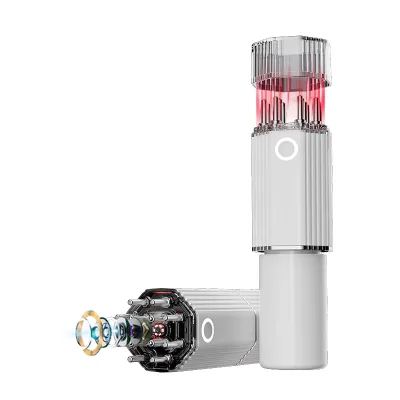
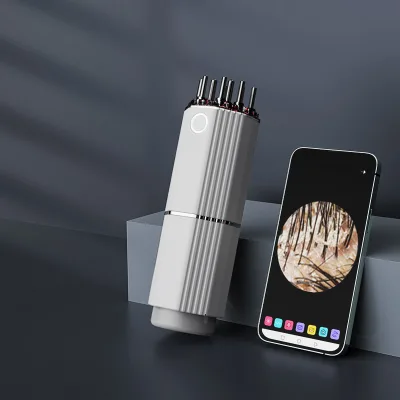
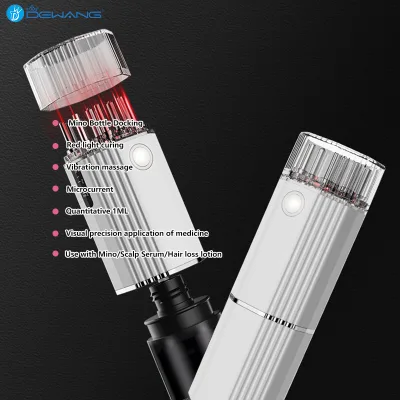
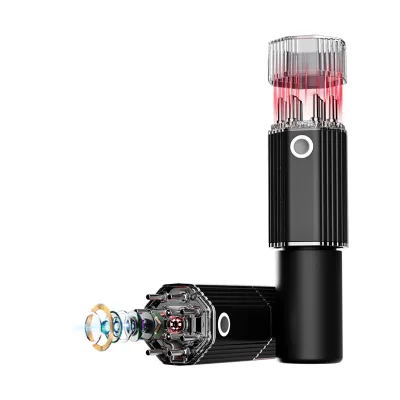
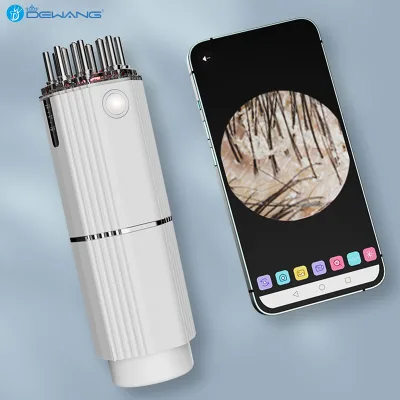


3 in 1 Hair Oil Applicator, Electric Hair Brushes, Scalp Massage Comb Scalp Massager
$25.90 - $30.00
MOQ: 20 Pieces


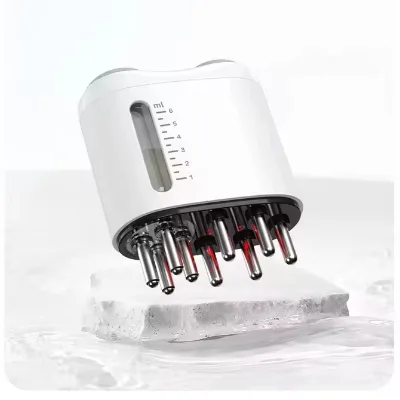


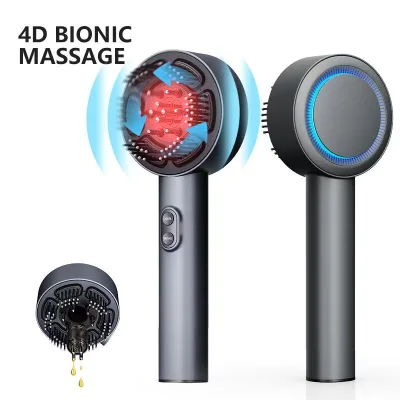


Comprehensive Sourcing Guide
Built-in Camera Electric Scalp Applicator Sourcing Guide
Sourcing a built-in camera electric scalp applicator requires a nuanced understanding of the intersection between cosmetic delivery devices and digital imaging technology. These products are designed to apply serums, tonics, or oils to the scalp while simultaneously capturing high-resolution images of the scalp condition. This dual functionality allows for precise application of hair care treatments and provides visual data for tracking hair health over time. Buyers must recognize that this category blends the mechanical requirements of a massage comb with the electronic complexities of a webcam or smartphone accessory. The presence of a camera introduces specific engineering challenges regarding battery life, data transmission, and user privacy, which significantly influence the product’s design and cost structure.
The market for these devices is characterized by a wide variance in technical implementation and intended use cases. Some models function primarily as scalp oil applicators with a secondary camera feature, while others are marketed as comprehensive hair regrowth treatment massagers that integrate RF (Radio Frequency) technology or vibration mechanisms. The observed product landscape includes items labeled as "Visual Electric electric hair liquid massage comb" and others described simply as "scalp applicators" with private label options. This diversity means that a buyer cannot assume a uniform feature set across all listings. It is critical to distinguish between devices that connect to mobile phones for real-time viewing and those that store data locally. Understanding these distinctions is the first step in defining accurate procurement specifications and avoiding mismatches between supplier claims and operational needs.
Product Scope and Observed Listing Signals
The current market signals indicate a broad range of product types under the umbrella of electric scalp applicators with imaging capabilities. Observed listings include devices with retractable rolling ball teeth, vibration features, and high-frequency massage functions. Some products are explicitly marketed for hair loss prevention and hair growth, while others focus on general scalp care and serum application. The material composition is predominantly plastic, with single gross weights ranging from 0.450 kg to 1.000 kg, suggesting variations in battery size and housing durability. Buyers should note that some listings describe the product type as a "Battery Pack" or "Webcam cover," which may indicate modular designs or accessory components rather than standalone applicators. This inconsistency in classification highlights the need for rigorous specification verification before placing orders.
Color options and packaging details also vary significantly across suppliers. Common color choices include black and white, with some products offering two-color variants. Packaging ranges from simple gift boxes to more elaborate retail-ready options, with single package sizes typically measuring around 24x15x12 cm or 26x13x8 cm. The presence of a 1400mAh battery capacity in some listings suggests a moderate power requirement, likely necessary to support both the mechanical massage functions and the camera’s power draw. Additionally, the "Instant Heat Function" mentioned in some attributes indicates that thermal therapy may be integrated into certain models, adding another layer of complexity to the heating element’s safety and efficiency. Buyers must carefully cross-reference these attributes to ensure the selected model aligns with their target market’s expectations for performance and portability.
Technical Specifications to Verify
Verifying the technical specifications of a built-in camera electric scalp applicator is paramount to ensuring product reliability and user satisfaction. The connection method to mobile phones is a critical technical detail; buyers must confirm whether the device uses Bluetooth, Wi-Fi, or a wired USB connection for data transfer and control. The resolution and field of view of the built-in camera are not always explicitly stated in general listings, so direct inquiry into the sensor quality is necessary. Furthermore, the technology behind the applicator tips, such as retractable rolling ball teeth or vibration mechanisms, must be evaluated for durability and hygiene. The ability to clean the applicator head without damaging the camera lens or internal electronics is a key engineering consideration that often separates premium products from lower-quality alternatives.
Battery performance and charging capabilities are another area requiring strict verification. While some listings cite a 1400mAh capacity, the actual runtime for both the camera and the massage function can vary significantly based on usage patterns. Buyers should request detailed power consumption data to estimate how long the device can operate on a single charge. The charging interface, whether it is USB-C, micro-USB, or a proprietary dock, impacts user convenience and long-term maintenance costs. Additionally, the software ecosystem is a crucial technical component; buyers must assess whether the companion app is available for both iOS and Android, how frequently it is updated, and whether it supports cloud storage for scalp images. The integration of RF technology, if present, requires verification of frequency stability and safety limits to ensure effective treatment without causing discomfort or injury.
Compliance and Safety Documentation
Compliance and safety documentation are non-negotiable for electric scalp applicators, especially those with integrated cameras and heating elements. Certifications such as CE, ROHS, and ISO are frequently cited in product attributes, but buyers must verify the validity and scope of these certificates. The CE mark indicates conformity with health, safety, and environmental protection standards for products sold within the European Economic Area, while ROHS restricts the use of specific hazardous materials in electrical and electronic products. ISO certification, particularly ISO 13485 for medical devices or ISO 9001 for quality management, provides assurance of the manufacturer’s production processes. However, the presence of these labels on a listing does not guarantee that every unit produced meets these standards; buyers should request copies of the certificates and verify them with the issuing bodies.
Data privacy and security are emerging as critical compliance areas for devices with built-in cameras. Since these applicators capture images of the user’s scalp, they handle sensitive personal health information. Buyers must ensure that the device and its accompanying software comply with relevant data protection regulations, such as GDPR in Europe or CCPA in California. This includes verifying that data is encrypted during transmission and storage, and that the manufacturer has a clear privacy policy outlining how user data is used, shared, or deleted. Additionally, electrical safety standards for devices that come into contact with the human body, such as IEC 60601-1 for medical electrical equipment, should be considered, especially if the product is marketed for hair regrowth or medical treatment. Failure to address these compliance aspects can lead to significant legal and reputational risks.
Cost Drivers and Commercial Terms
The cost of a built-in camera electric scalp applicator is influenced by several key drivers, including the complexity of the camera module, the battery capacity, and the integration of additional technologies like RF or heating elements. Products with higher-resolution cameras and more robust software ecosystems typically command a higher price point. The observed price range of 1.2 to 399 USD reflects this variance, with lower-end models likely offering basic functionality and higher-end models providing advanced features and better build quality. Buyers should analyze the cost breakdown to understand where the value lies, whether in the hardware components, the software development, or the branding and packaging. It is also important to consider the cost of customization, such as private labeling and logo printing, which can add to the per-unit cost, especially at lower order volumes.
Commercial terms, including Minimum Order Quantity (MOQ) and lead times, vary widely among suppliers. The observed MOQ range of 1 to 1000 units suggests that some suppliers are willing to accommodate small trial orders, while others require larger commitments to justify production setup costs. Buyers should negotiate MOQs based on their sales forecasts and inventory capacity, keeping in mind that lower MOQs may come with higher per-unit prices. Lead times are another critical factor, as they impact cash flow and market responsiveness. Buyers should clarify whether the lead time includes sample production, mass production, and shipping, and whether there are any delays associated with custom packaging or software integration. Understanding these commercial terms helps in planning inventory levels and managing customer expectations effectively.
Supplier Qualification and Quality Control
Supplier qualification is a critical step in mitigating risks associated with sourcing complex electronic devices. Buyers should conduct thorough due diligence on potential suppliers, verifying their business licenses, manufacturing capabilities, and past performance. Factories with experience in producing consumer electronics or personal care devices are more likely to have the necessary expertise to handle the integration of cameras and massage mechanisms. It is also important to assess the supplier’s quality control processes, including incoming material inspection, in-process quality checks, and final product testing. Suppliers who adhere to strict quality management systems, such as ISO 9001, are better positioned to deliver consistent product quality. Buyers should request samples to evaluate the build quality, camera clarity, and software functionality before committing to larger orders.
Quality control should extend beyond the initial sample stage to include ongoing monitoring of production batches. Buyers can implement third-party inspection services to verify that the products meet the agreed-upon specifications and quality standards. This includes checking for physical defects, verifying the functionality of the camera and massage features, and ensuring that the packaging is secure and informative. Additionally, buyers should establish clear communication channels with the supplier to address any issues that arise during production or after delivery. A reliable supplier will be responsive to feedback and willing to collaborate on continuous improvement initiatives. By prioritizing supplier qualification and robust quality control measures, buyers can ensure that they receive products that meet their customers’ expectations and maintain their brand reputation.
Long-Term Procurement Checks
Long-term procurement success depends on establishing a sustainable relationship with suppliers and continuously monitoring market trends. Buyers should regularly review supplier performance metrics, such as on-time delivery rates, product defect rates, and responsiveness to issues. This data-driven approach helps in identifying potential problems early and taking corrective actions before they escalate. Additionally, buyers should stay informed about technological advancements in the scalp applicator market, such as improvements in camera technology, battery efficiency, and software features. This knowledge enables buyers to make informed decisions about product upgrades and new model introductions. Regular communication with suppliers about future product roadmaps can also help in aligning procurement strategies with market demands.
Sustainability and ethical sourcing are increasingly important considerations for long-term procurement. Buyers should inquire about the environmental impact of the materials used in the product, such as the plastic components and electronic waste. Suppliers who adopt eco-friendly practices and comply with environmental regulations are better positioned to meet the growing consumer demand for sustainable products. Furthermore, buyers should ensure that their suppliers adhere to ethical labor practices and provide safe working conditions for their employees. By integrating sustainability and ethical considerations into their procurement strategies, buyers can enhance their brand value and contribute to a more responsible supply chain. This holistic approach to long-term procurement not only mitigates risks but also creates opportunities for growth and innovation in the competitive scalp care market.
FAQs
What is the primary function of this electric scalp applicator?
The primary function is to apply serum, tonic, or oil directly to the scalp while providing a massage. It features a built-in camera and connects to a mobile phone for visual monitoring during the hair loss treatment process.
Can this device connect to a mobile phone for visual use?
Yes, the device connects to a mobile phone to enable visual monitoring of the application process. This feature allows users to see exactly where the liquid is being applied while the retractable rolling ball teeth perform the massage.
Which certifications does this product hold for safety compliance?
This product holds CE, ROHS, and ISO certifications to ensure safety and compliance with international standards. These certifications verify that the electrical components and materials used meet specific regulatory requirements for consumer electronics.
What materials are used to construct the main body of the comb?
The main body is constructed from durable plastic materials designed for safe and repeated use. The design includes a retractable rolling ball technology to ensure gentle contact with the scalp during the hair care treatment.
How does the device assist with hair growth and loss prevention?
The device assists by combining massage technology with the direct application of hair care liquids. It utilizes vibration and high-frequency features to stimulate the scalp, which supports hair regrowth and helps prevent hair loss effectively.
Is customization available for branding and packaging on this item?
Yes, customization is available including private labeling and specific packaging options like gift boxes. Buyers can request custom logos and packaging solutions to align the product with their specific brand identity or retail requirements.
What is the battery capacity and power source for this unit?
The unit is powered by a battery with a capacity of 1400mAh to ensure portable operation. This allows the electric scalp applicator to function independently without being tethered to a power outlet during use at home or in salons.