Source Built-in Clawfoot Bath Legs for Tub Feet, Faucets, and Accessories
Find and compare 30 listings for Built-in Clawfoot Bath Legs, including zinc alloy and brass options. Evaluate specifications such as weight, design style, and installation types to select the right components for your bathroom renovation or manufacturing needs.
Key considerations
Products List


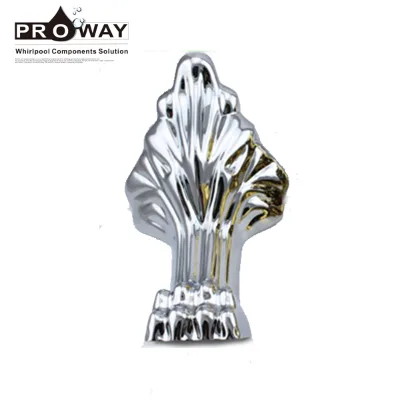
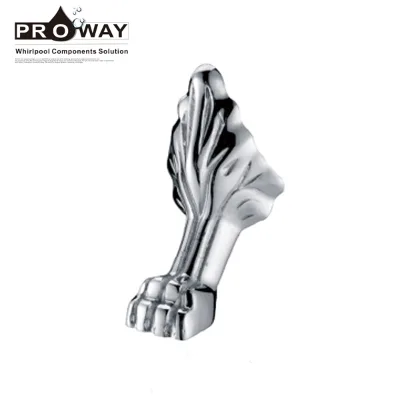
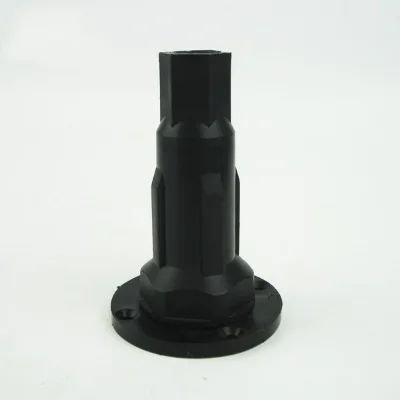


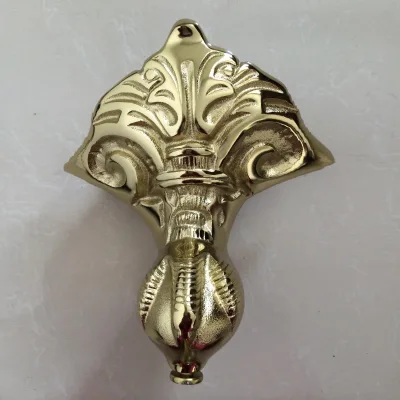


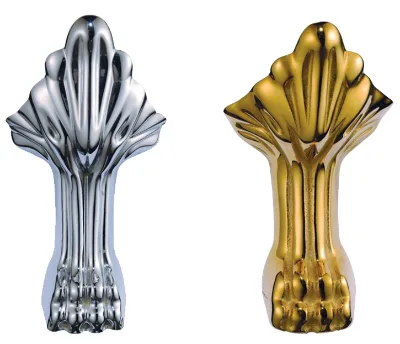


Aquacubic Floor Mounted Bath Free Standing Clawfoot Shower Mixer Faucet
$79.00 - $119.00
MOQ: 50 Pieces


Comprehensive Sourcing Guide
Built-in Clawfoot Bath Legs Sourcing Guide
Procuring built-in clawfoot bath legs requires a clear distinction between the structural support system and the bathtub vessel itself, as the supply chain often treats these as separate components with different manufacturing standards. The observed market data indicates a specific focus on clawfoot accessories, particularly those designed for freestanding and corner installations, where the legs serve as the primary interface between the heavy cast iron or acrylic tub and the floor. Buyers must recognize that while some listings describe the entire unit as a "built-in tub," the specific component of interest here is the leg assembly, which often features a distinct design style such as European or Classic aesthetics to match the vintage or modern appeal of the bathtub.
The sourcing strategy must account for the variability in material composition, as the observed listings reveal a split between zinc alloy and brass options, each offering different durability profiles and price points. Zinc alloy components are frequently cited with specific weight metrics, such as 705g for big legs and 645.9g for small legs, which serves as a tangible proxy for material density and structural integrity. When evaluating suppliers, it is critical to verify whether the "built-in" designation refers to a pre-assembled unit or a modular system where the legs are designed to be integrated into a custom installation, as this distinction impacts the shipping volume, packaging requirements, and the complexity of the on-site assembly process.
Product Scope and Observed Listing Signals
The product scope for built-in clawfoot bath legs encompasses a range of functional and aesthetic variations, primarily driven by the intended installation type and the specific design language of the bathroom. Market observations highlight that these legs are frequently categorized under "Bath Tub Clawfoot" or "Bathtub feet" and are available in configurations suitable for both freestanding and corner applications. The design styles observed include European and Classic motifs, which often dictate the curvature and detailing of the legs, ensuring they complement the specific era or architectural style of the bathtub they support. Buyers should note that while some listings mention "built-in tub" attributes, the core product being sourced is the accessory that elevates the tub, often sold as a set of four legs with specific weight and dimension specifications.
Listing signals provide critical insights into the customization capabilities and supply chain flexibility of potential vendors. The data indicates that suppliers offer both non-customized and customized options, with some capable of providing graphic design and 3D model design services to tailor the leg appearance to specific project requirements. Packaging details suggest that these items are typically shipped in standard export cartons, though custom packaging designs are available upon agreement, which is a vital consideration for buyers with strict branding or logistics constraints. Additionally, the presence of "Third Party Inspection: Agreed" as a standard attribute signals that reputable suppliers are prepared to undergo external quality verification, a crucial signal for buyers seeking to mitigate the risk of receiving substandard metalwork or finish defects.
Technical Specifications to Verify
Verifying the technical specifications of clawfoot bath legs is essential to ensure they can safely support the weight of the bathtub and its contents, particularly given the heavy nature of cast iron tubs. Buyers must confirm the material composition, as the observed listings specify zinc alloy or brass, and request detailed density or alloy grade information to prevent the use of inferior base metals that may corrode or deform over time. The weight of individual legs, such as the observed 705g for big legs and 645.9g for small legs, serves as a baseline for comparison, but buyers should insist on a total weight specification for the complete set to ensure consistency with the manufacturer's load-bearing recommendations for the specific bathtub model.
Installation compatibility is another critical technical parameter that requires rigorous verification before finalizing a purchase order. The observed data points to both freestanding and corner installation types, meaning the leg geometry must match the footprint of the bathtub; a leg designed for a corner unit may not fit a standard freestanding tub without modification. Buyers should also verify the faucet inclusion status, as the listings explicitly state that faucets are not included with the legs, preventing any confusion regarding the completeness of the package. Furthermore, the "Single volume" and "Single gross weight" fields often appear as zero in generic listings, necessitating a direct request for the actual cubic volume and gross weight of the packaged set to accurately calculate shipping costs and container utilization.
Compliance and Safety Documentation
Compliance and safety documentation for bath accessories often centers on material safety and structural integrity rather than electrical or chemical standards, given that these are passive mechanical components. While the observed listings mention ISO9001 certification, this indicates a quality management system rather than a specific product safety standard for the metal itself. Buyers should request material safety data sheets (MSDS) or specific alloy compliance certificates to verify that the zinc alloy or brass used does not contain prohibited levels of lead or other heavy metals, ensuring the product is safe for long-term contact in a wet bathroom environment.
Structural safety is equally important, and buyers must verify that the supplier has conducted or is willing to provide results from load-bearing tests. Although specific test results are not listed in the provided facts, the "Quality Guaranteed: 3 Years" attribute for the tub and "Warranty: 1 Year" for the legs suggest a baseline expectation of durability. It is prudent to ask for engineering drawings or finite element analysis reports that demonstrate the legs can withstand the dynamic load of a filled tub without buckling or tipping. Additionally, verifying the "Project Solution Capability" for 3D model design can help ensure that the legs are compatible with the specific structural constraints of the installation site, such as floor load limits or uneven surfaces.
Cost Drivers and Commercial Terms
The cost of built-in clawfoot bath legs is driven primarily by the material choice, with brass generally commanding a higher price point than zinc alloy due to its superior corrosion resistance and aesthetic appeal. The observed supply ability of 100,000 pieces per month suggests that economies of scale are achievable, but the minimum order quantity (MOQ) can vary significantly, with some listings indicating an MOQ of 100 pieces for specific bath tub clawfoot models. Buyers should be prepared for a wide price range, as the observed market data spans from $0.01 to $700, reflecting the difference between single accessory units and complete sets or custom-engineered solutions.
Commercial terms regarding delivery and payment are critical factors that influence the total landed cost and project timeline. The observed delivery time of 30 days is a standard benchmark, but buyers must confirm if this is a fixed lead time or subject to fluctuation based on order volume and customization requirements. The "Port of dispatch" options, including Shanghai, Ningbo, Guangzhou, and Shenzhen, offer flexibility for logistics planning, but buyers should verify which port is most cost-effective for their specific destination. Furthermore, the availability of "Online Technical Support" and "Onsite Installation" services as after-sale features can add value to the commercial agreement, potentially reducing the need for third-party contractors during the installation phase.
Supplier Qualification and Quality Control
Supplier qualification for bath accessories requires a focus on manufacturing capability and quality assurance processes, particularly given the precision required for fitting heavy tubs. The presence of "Third Party Inspection: Agreed" in the product attributes is a strong indicator of a supplier's confidence in their quality control, but buyers should explicitly define the inspection criteria, such as surface finish, dimensional accuracy, and load-bearing capacity, before the inspection takes place. The "Quality Guaranteed: 3 Years" for the tub and "Warranty: 1 Year" for the legs provide a contractual basis for recourse, but buyers must ensure these warranties are clearly defined in the purchase agreement to cover specific failure modes like cracking, peeling, or structural failure.
Quality control should also extend to the packaging and shipping process to prevent damage during transit, as metal legs are susceptible to scratching and denting. The observed "Export Standard Package" is a baseline, but buyers with high-end projects may require custom packaging to protect the finish, especially for brass components that are prone to tarnishing. The "Project Solution Capability" for graphic and 3D model design suggests that some suppliers offer a higher level of service, allowing for pre-production sampling and design validation. Buyers should prioritize suppliers who can provide a comprehensive quality control plan that includes material testing, dimensional checks, and final visual inspection before the goods leave the factory.
Long-Term Procurement Checks
Long-term procurement checks for built-in clawfoot bath legs involve establishing a framework for ongoing quality assurance and supplier performance monitoring. Given the "3 Years" quality guarantee for the tub and the "1 Year" warranty for the legs, buyers should implement a system for tracking warranty claims and analyzing failure rates over time. This data will help identify if there are systemic issues with specific batches or suppliers, allowing for proactive adjustments to the sourcing strategy. Regular audits of the supplier's production line and quality control records can also ensure that the "ISO9001" certification remains active and that the manufacturing processes have not degraded.
Sustainability and supply chain resilience are increasingly important factors in long-term procurement, even for mechanical components like bath legs. Buyers should verify the supplier's ability to maintain consistent material supply, particularly for brass, which is subject to global market fluctuations. The "Supply Ability" of 100,000 pieces per month indicates a robust production capacity, but buyers should assess the supplier's contingency plans for raw material shortages or logistical disruptions. Additionally, maintaining a relationship with suppliers who offer "Customized" options and "Project Solution Capability" ensures that the procurement strategy remains flexible enough to adapt to changing design trends or specific project requirements over the life of the product line.
FAQs
What material are the clawfoot bath legs made of?
The clawfoot bath legs are primarily manufactured from zinc alloy or brass. These materials are selected for their durability and resistance to corrosion, ensuring a long service life for the bathtub accessories. The specific material choice may vary by model, but high-quality metal construction is standard for supporting the weight of cast iron tubs effectively.
Can I customize the design of the bathtub feet?
Yes, customization is available for these bathtub feet. Suppliers offer project solution capabilities including graphic design and 3D model design to meet specific aesthetic requirements. Buyers can request non-customized standard options or pursue customized designs to match their interior style, such as European or classic styles, ensuring the feet complement the overall bathroom decor.
What is the typical delivery time for these products?
The standard delivery time for these bathtub accessories is approximately 30 days. This timeline applies to the manufacturing and shipping process from the origin in China. Buyers should account for this lead time when planning their inventory or installation schedules, as it ensures the products are produced and packaged according to export standards before dispatch.
Are the faucet and tub included with the legs?
No, the faucet is not included with the clawfoot bath legs. These items are sold as accessories specifically designed to support and elevate the bathtub. The product function is listed as soaking or common bathtub support, meaning buyers must source the tub and faucet separately. The legs serve as the structural base rather than a complete bathing unit.
What certifications do these bathtub feet have?
These bathtub feet are certified under ISO9001 standards. This certification indicates that the manufacturing process adheres to international quality management principles. The quality is guaranteed for a period of three years, and third-party inspections can be agreed upon to verify compliance. This ensures that the zinc alloy or brass components meet rigorous durability and safety expectations.
What is the minimum order quantity for these legs?
The minimum order quantity varies, with observed ranges starting from 1 piece up to 3000 pieces depending on the supplier. Some listings specify an MOQ of 100 pieces for specific bath tub clawfoot models. Buyers can often negotiate these terms, and supply abilities can reach up to 100,000 pieces per month, accommodating both small and large procurement needs.